











B
Species Profile

Boxweiler

Canis lupus familiaris

Big heart. Big muscles. Bigger loyalty.
suttirat wiriyanon/Shutterstock.com

Boxweiler Distribution

Domesticated Species

Found Worldwide

Size Comparison

Human 5'8"
Boxweiler 2 ft

Boxweiler stands at 36% of average human height.

Cute young Rottweiler and Boxer mixed breed puppy dog

At a Glance

Domesticated
Also Known As Boxer–Rottweiler mix, Boxer-Rottweiler mix, Boxer x Rottweiler, Boxer × Rottweiler, Rottweiler–Boxer mix, Rottie-Boxer mix, Rottweiler x Boxer
Diet Omnivore
Activity Diurnal+
Lifespan 5 years
Weight 50 lbs
Status Not Evaluated
Did You Know?

"Boxweiler" isn't a standardized breed-littermates can look and act quite different depending on which parent they take after.

Scientific Classification

A large, muscular companion dog type typically produced by crossing a Boxer and a Rottweiler. Traits vary, but they are often athletic, protective, and people-oriented with early socialization and consistent training being especially important.

Kingdom
Animalia
Phylum
Chordata
Class
Mammalia
Order
Carnivora
Family
Canidae
Genus
Canis
Species
Canis lupus familiaris

Distinguishing Features

  • Usually large-bodied, deep-chested, athletic build
  • Short coat common; often black/tan, brindle, or fawn with darker mask
  • Broad head/muzzle; facial wrinkling and jowls can vary by parentage
  • Temperament often confident and protective; trainability generally good with firm, positive handling

Physical Measurements

Males and females differ in size

Height
♂ 2 ft 1 in (1 ft 11 in – 2 ft 3 in)
♀ 1 ft 10 in (1 ft 8 in – 1 ft 12 in)
Length
♂ 3 ft 4 in (2 ft 11 in – 3 ft 10 in)
♀ 3 ft 6 in (2 ft 11 in – 4 ft 1 in)
Weight
♂ 104 lbs (77 lbs – 121 lbs)
♀ 73 lbs (55 lbs – 88 lbs)
Tail Length
♂ 10 in (7 in – 1 ft 1 in)
♀ 1 ft 1 in (10 in – 1 ft 4 in)
Top Speed
31 mph
Sprint speed varies

Appearance

Primary Colors
Secondary Colors
Skin Type Boxweiler skin has a short-to-moderate coat, from single coat like a Boxer to a denser short coat with undercoat like a Rottweiler. Skin may get irritated or allergic, especially in facial folds.
Distinctive Features
  • Mixed-breed domestic dog (Boxer × Rottweiler): appearance is not standardized; littermates can differ noticeably in head shape, size, and markings.
  • Large, muscular, athletic build with deep chest; often broad shoulders and strong hindquarters suited for power and endurance.
  • Head and muzzle vary: can be more square/shorter (Boxer-leaning) or broader with a longer muzzle (Rottweiler-leaning). Shorter muzzles may increase heat sensitivity and exercise intolerance in hot/humid conditions.
  • Facial features may include moderate jowls and occasional forehead wrinkling; ear carriage varies (natural drop ears common).
  • Temperament commonly people-oriented and protective/alert; early socialization and consistent, reward-based training are especially important to prevent reactivity and over-guarding behaviors.
  • High exercise and enrichment needs: typically benefits from daily brisk walks plus structured play/training; insufficient activity can contribute to destructiveness or frustration behaviors.
  • Coat is usually low-to-moderate shedding but can shed seasonally if undercoat is present; routine brushing helps manage loose hair and skin health.
  • Boxer-Rottweiler mixes can have hip or elbow dysplasia, cruciate ligament injuries (from a heavy, active build), heart issues (cardiomyopathy, subaortic stenosis), bloat/GDV, allergies, and some cancers. Regular vet checks and health tests help.
  • Keep a lean body for joint and heart health. Use gentle, controlled exercise with warm-ups, watch for overheating, manage meals, and talk to your vet about GDV (bloat) risk in deep-chested dogs.

Sexual Dimorphism

Sexual dimorphism is typically present but moderate in domestic dogs; males are often heavier-boned and more muscular, while females are often slightly smaller and leaner. Degree varies by individual genetics and neuter/spay status.

♂
  • Often broader head and neck with more pronounced musculature through shoulders/chest.
  • Typically heavier overall frame and larger paws; may appear more blocky in outline.
♀
  • Often a slightly narrower head/neck and a more streamlined silhouette.
  • Typically lighter frame with less pronounced chest/shoulder mass, though still athletic and sturdy.

Did You Know?

"Boxweiler" isn't a standardized breed-littermates can look and act quite different depending on which parent they take after.

Many inherit the Boxer's playful "boxing" paws (batting toys/people gently with their front feet).

Common coat colors reflect both parents: black, brindle, fawn, mahogany, often with white chest/feet markings.

They're typically people-oriented and can be Velcro-dogs, shadowing their favorite person room to room.

Because both parent breeds are powerful working dogs, Boxweilers often excel at structured canine sports (obedience, rally, tracking) when trained well.

Deep-chested individuals may share a higher risk of bloat (GDV), a concern seen in many large, deep-chested dogs.

Their guard instincts can be strong-early socialization often matters more than "natural protection" for a stable adult temperament.

Unique Adaptations

  • Mixed-breed "blend" of traits rather than a fixed blueprint-temperament, muzzle length, and body type can vary widely even within one litter.
  • Muscular, athletic build commonly supports sprinting, jumping, and strength-based work-useful for activities like pulling sports or advanced obedience (with safe conditioning).
  • Short, dense coat is typically low to moderate maintenance and dries quickly after wet weather.
  • Many inherit a strong human-focus (Boxer) plus steadiness/confidence (Rottweiler), benefiting trainability when socialized early.
  • Often high pain tolerance and persistence typical of working-line ancestors-great for sport work, but can hide injury; routine checks are important.

Interesting Behaviors

  • "Boxing" paw taps during play or attention-seeking (a classic Boxer-style behavior).
  • Body-leaning for contact-many will press their shoulder/hip into trusted people for reassurance or affection.
  • Watch-and-place guarding: choosing a doorway or window vantage point to monitor the home.
  • Goofy, bouncy bursts of energy followed by heavy lounging-especially after training or play.
  • Mouthy play with toys (carrying, parading, tug); needs clear bite-inhibition training from puppyhood.
  • Strong responsiveness to routine-often calmer when given predictable exercise, training, and rest schedules.
  • Protective barking at unfamiliar sounds; improves with controlled exposure and reward-based calm behaviors.

Cultural Significance

The Boxweiler (Boxer × Rottweiler mix, Canis lupus familiaris) follows today’s pet-dog trend: mixing two working breeds. It is a family guardian and companion, needing responsible breeding, early socializing, and regular training.

Myths & Legends

Rottweiler lore remembers the "butcher's dog": dogs said to trot behind cattle to market and guard the day's earnings-sometimes described in stories as carrying money tied to their collars so thieves would keep their distance.

Boxer history is often told through wartime anecdotes from early 20th-century Europe, where Boxers were celebrated in unit stories as messenger and guard dogs that navigated noise and chaos to deliver notes and supplies.

In European folk tales, 'black dogs' can be home protectors or feared omens. Dark dogs like Rottweilers are often tied to these old stories, even though the breed is modern.

Modern "designer mix" origin stories function like contemporary folklore: owners trade narratives that their Boxer-Rottweiler cross is the 'perfect' blend of goofy clown and steadfast protector-an identity tale that varies with each dog's individual temperament.

Conservation Status

NE Not Evaluated

Has not yet been evaluated against the criteria.

Population Stable

Life Cycle

Birth 6 pups
Lifespan 5 years

Lifespan

In the Wild
2–10 years
In Captivity
8–13 years

Reproduction

Mating System Polygynandry
Social Structure Managed Domestic
Breeding Pattern Transient
Fertilization Managed Selective
Birth Type Managed_selective

Boxweiler (Boxer × Rottweiler mix, Canis lupus familiaris): Dogs breed by internal fertilization and often show polygynandry. For Boxweilers, humans usually choose mates and time breeding. Pairing is brief, not lifelong. Mothers care for pups; humans provide most help.

Behavior & Ecology

Social Pack Group: 4
Activity Diurnal, Crepuscular, Cathemeral
Diet Omnivore Meat-forward, high-protein meals (e.g., beef or chicken-based diets)

Temperament

People-oriented and affiliative with family; commonly seeks close proximity, contact, and participation in household activities
Often loyal, alert, and protective (guarding tendencies may occur), but temperament varies widely by individual genetics, training, and socialization.
Playful, athletic, and physical in interaction (often Boxer-leaning), benefiting from structured play that channels jumping/mouthing into appropriate outlets
Confident and steady when well-socialized; without early exposure can become wary of strangers or dogs, especially during adolescent fear periods
Trainable and handler-focused with consistent, reward-based methods; may show stubbornness or testing behavior if reinforcement is inconsistent
High arousal potential (excitement, frustration); requires impulse-control training (settle cues, leash manners) to prevent rude greetings or over-reactivity
Dog-to-dog sociability varies widely; some are gregarious, others are selective, and some may show same-sex intolerance-managed best with early socialization, supervised introductions, and ongoing skills practice
Breed-specific care requirements: needs daily physical exercise plus mental work (obedience, scent games, tracking, structured fetch); under-stimulation increases nuisance barking, destructiveness, and boundary testing
Boxweilers may have hip or elbow dysplasia and cruciate injuries (avoid hard jumping while growing), bloat (manage meals/rest), heart disease (screening advised), degenerative myelopathy/cancer risk, and heat sensitivity causing irritability.
Boxweilers form strong family bonds, are protective and active, ranging from Boxer-like (social, bouncy) to Rottweiler-like (reserved, guarding). Early socializing, clear routines, and training keep them calm and polite.

Communication

alarm barking at novel sounds/approaches Often deeper, more persistent if guard-driven
low growl or rumble for boundary-setting when uncomfortable Should be respected as a warning signal
whines/whimpers for attention, anticipation, or separation distress
play vocalizations Short barks, grunts
occasional 'talking' or grumbling during interaction More common in some lines/individuals
body blocking/positioning between family and a perceived threat; standing tall, forward posture, direct stare Guarding display
leaning, pawing, and close-contact solicitation Affiliative, attention-seeking
facial expressions and ear/eye softening vs. hard stare to signal friendliness vs. vigilance
tail carriage and whole-body wiggle when friendly; stiff tail/base tension when aroused or uncertain
scent marking and investigative sniffing on walks; increased marking in intact or highly territorial individuals
play bows and bounce-initiations; may use chest bumps or mouthing in play-requires trained bite inhibition and appropriate toy redirection

Habitat

Biomes:
Temperate Forest Mediterranean Desert Hot Boreal Forest (Taiga) Alpine Tropical Rainforest
Terrain:
Plains Hilly Mountainous Coastal
Elevation: Up to 16404 ft 3 in

Ecological Role

Domesticated human-commensal omnivore; primarily a companion/guardian animal that can function as an opportunistic mesopredator and scavenger when free-roaming.

Companionship and social support for humans Property/livestock guarding and deterrence of intruders Pest control via deterrence or occasional predation on small mammals Scavenging of food waste in free-roaming contexts (can be beneficial but also ecologically disruptive)

Diet Details

Main Prey:
Livestock-derived meats Poultry Fish Eggs Opportunistic prey
Other Foods:
Grains and starches Legumes Vegetables Fruits Edible grasses and plant matter

Human Interaction

Domestication Status

Domesticated

Boxweiler (Boxer × Rottweiler) is a modern, human-made cross, not a kennel-club breed. As a dog (Canis lupus familiaris) it combines the Boxer's people-friendly, playful energy with the Rottweiler's guarding, strength, and confidence. Boxweilers are often large, high-drive, protective dogs needing early socialization, consistent training, exercise, and careful management.

Danger Level

Moderate
  • Physical injury risk from size/strength (knockdowns, leash pulling) even without aggression
  • Increased bite risk if under-socialized, fear-reactive, or encouraged to guard without professional oversight
  • Potential dog-directed aggression/reactivity in some individuals, which can indirectly endanger handlers during conflicts
  • Heightened risk in households with poor containment, inconsistent training, or lack of supervision around children

As a Pet

Suitable as Pet

Legality: Boxweiler (Boxer × Rottweiler mix, Canis lupus familiaris) is usually legal in most U.S. areas, but local dangerous-dog laws, housing or HOA rules, insurance and breed ID policies can restrict ownership; leash, liability, or containment rules may apply after incidents.

Care Level: Experienced

Purchase Cost: Up to $2,500
Lifetime Cost: $20,000 - $45,000

Economic Value

Uses:
Companionship Home and property deterrence/guarding Dog sports and training services Pet services economy (veterinary, grooming, boarding, training) Rescue and rehoming networks
Products:
  • companionship as a household pet
  • alert/guardian role (informal deterrence)
  • participation in obedience/rally/nose work and related training programs
  • demand for durable equipment (strong leashes, harnesses, crates, secure fencing)
  • veterinary screening and preventive care (orthopedic/cardiac monitoring in some lines)

Relationships

Ecological Equivalents 6

Animals that fill a similar ecological role in their ecosystem

Boxer
Boxer Canis lupus familiaris One of the two founder breeds, contributing athleticism, playfulness, and people-focus, and often a shorter brachycephalic muzzle that can increase heat sensitivity and airway risk. Common care implications: exercise carefully in heat, avoid overexertion, and use proactive training/socialization to channel exuberance.
Rottweiler
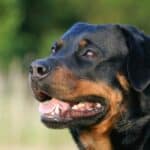
Rottweiler Canis lupus familiaris One of the two founder breeds; contributes guarding and territorial tendencies, confidence, and heavy-boned strength. Common care implications include structured obedience training, consistent boundaries, and management to prevent over-protectiveness. Joint-friendly conditioning and weight control are especially important.
Doberman Pinscher
Doberman Pinscher Canis lupus familiaris Occupies a similar niche as a large, protective companion and guardian; typically requires substantial daily exercise and ongoing training. Shares health watch-outs common to many large, deep-chested dogs (e.g., risk of gastric dilation-volvulus and its management).
German Shepherd Dog
German Shepherd Dog Canis lupus familiaris Comparable role as an athletic, handler-oriented working/guardian dog, with similar needs for mental enrichment, socialization, and clear leadership. Shares common large-breed orthopedic vulnerabilities (hip and elbow issues), so conditioning and responsible weight management are important.
Bullmastiff
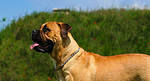
Bullmastiff Canis lupus familiaris Occupies a similar guardian niche with strong protective instincts and large body mass. Highlights common management needs: early socialization, impulse-control training, and joint-protective exercise due to its large size.
Cane Corso
Cane Corso Canis lupus familiaris Comparable modern guardian/estate-protection niche. Requires experienced handling, consistent training, and thorough socialization to ensure a stable temperament and appropriate responses to strangers.

Quick Take

  • Handling a 100-pound Boxweiler requires mastery of large breed management.
  • The 2-hour activity requirement makes apartments a hazardous choice for owners.
  • In a surprising discovery, female Boxweilers often exceed the physical size of males.
  • Specific kibble protocols during the 1 year growth stage prevent permanent bone issues.

The Boxweiler is a hybrid breed created by mixing a Rottweiler with a Boxer. Rottweilers have historically been famous as guard dogs; they have also herded cattle, pulled carts, and served in military and police work. Boxers have just as varied a background in hunting, herding, and guarding. They were even messenger dogs in WWI!

Combining these two breeds has resulted in a large, fun, and friendly dog that loves to hang out in the yard and participate in family activities. If you’re looking for a great guard dog with an attractive brindle and a winning personality, the boxweiler might just be the dog for you.

Boxweilers come in a variety of colors, but they usually feature the subtle brindle pattern for which their boxer parents are so famous. You’ll find tan, brown, gray, black, or white brindle patterns on nearly all of these adorable dogs.

A detailed infographic about the Boxweiler hybrid dog breed, showing illustrations of the parent breeds, a large brindle Boxweiler, and sections on temperament, health, and care.
A 100-pound powerhouse that defies canine growth norms and demands two hours of high-octane activity every single day. © A-Z Animals

Ownership: 3 Pros and Cons

ProsCons
Guard dog: Like rottweilers, boxweilers are alert and protective watchdogs that will keep your family safe.Large size: Boxweilers are very large and may be difficult to contain. Most breeders recommend that you adopt this crossbreed only if you have experience handling big dogs.
Extra playful: Boxweiler puppies are known for being active and fun-loving. Try playing fetch with yours or taking it for a walk.Needs a yard: Dogs this big always need a yard to run around in. Never try to keep a boxweiler in an apartment.
Low grooming: With such short coats, it’s no surprise to find out that boxweilers are low-maintenance dogs that don’t typically need to be brushed or taken to the groomer.Separation anxiety: Boxweilers love their owners and have a hard time being left alone for more than a few hours. Even if they’re out in the yard, you should try to make sure there’s always an adult left at home.
Boxweiler, Rottweiler and Boxer mixed-breed dog, wants to play in the snow.

The Boxweiler is a large dog that can weigh up to 100 pounds.

Size and Weight

Boxweilers are large dogs with muscular builds and short fur. The average boxweiler weighs between 70 and 100 pounds and stands 21 to 27 inches tall. There is usually little difference between female and male boxweilers, although the females of this breed can often actually be larger than the males.

Common Health Issues

Boxweilers are large dogs with strong immune systems who do not get sick very often. Like most big dogs, they suffer from the potential for joint dysplasia and arthritis. These dogs can also have heart defects, hearing problems, and skin conditions. In general, have your veterinarian look for:

  • Joint dysplasia
  • Arthritis
  • Heart problems
  • Thyroid issues
  • Deafness
  • Cancer
  • Epilepsy
  • Mange

Temperament

Boxweilers are fun and active dogs with sweet and loyal personalities. These dogs love to run around the yard, hang out with their owners, and generally spend time exploring and engaging with the world. Expect these dogs to exhibit playful behaviors like rolling around in the dirt, chasing tennis balls, and wagging their tails way too hard when something good happens.
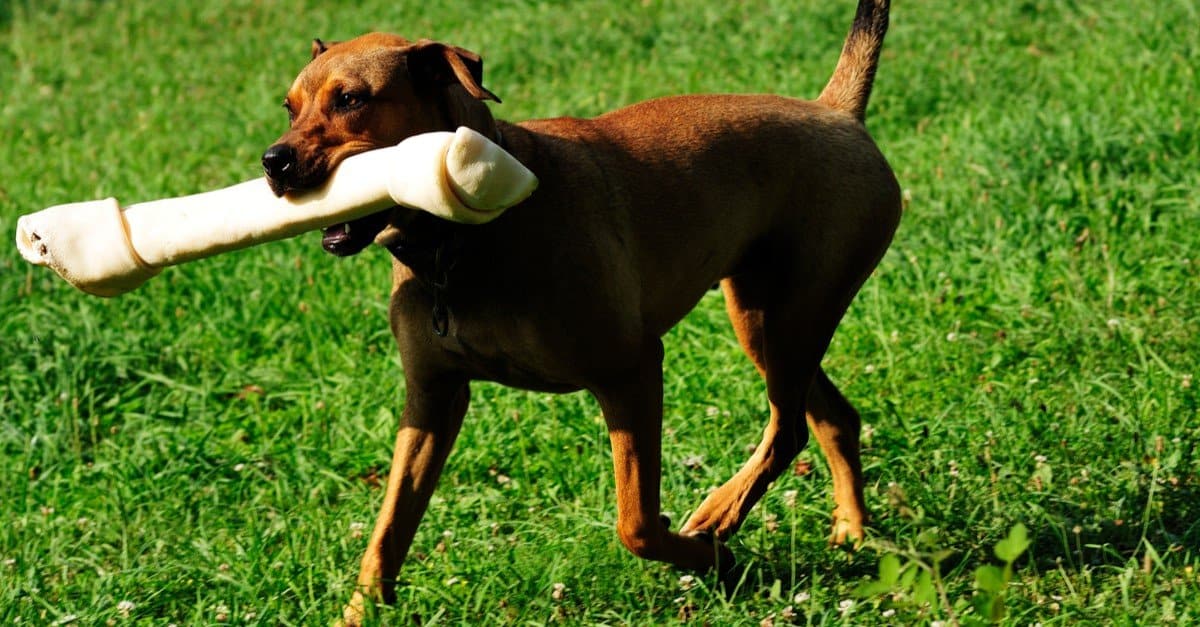
Boxweiler, Rottweiler and Boxer mixed-breed dog playing with rawhide bone.

Boxweilers are playful dogs that love to run around the yard playing with their owners.

The average boxweiler has high energy levels and a short attention span. Although they almost always have an enthusiastic temperament, these dogs can be difficult to train and may need to spend a lot of time outside to avoid disrupting the family. Plan to take your dog for plenty of walks to make sure that they avoid destructive behaviors like chewing on furniture or digging under the fence.

Care

Boxweilers are sweet but energetic dogs that need a lot of exercise. One of the things that many Boxweiler owners don’t realize is that, even though they look fierce, these dogs are heavy cuddlers and love attention from their families. Be sure to take your dog for a walk every day and spend time with it every night to keep it in a good mood.

Best Dog Food

Boxweilers need to eat a lot of food to maintain their energy levels. Start by finding a high-protein dog food intended for large breeds. Then, split its daily portion into three meals to ensure that your dog doesn’t get hungry halfway through the day. If your boxweiler is acting too energetically or destructively, you may consider reducing its portions to limit the number of calories it has to burn.

Also, keep in mind that Boxweilers are vulnerable to heart problems. At your periodic vet appointments, discuss your dog’s diet to make sure it’s meeting your dog’s nutritional needs. You should know about the link between heart failure in dogs and dog food containing legumes, and opt for a legume-free diet.

Maintenance and Grooming
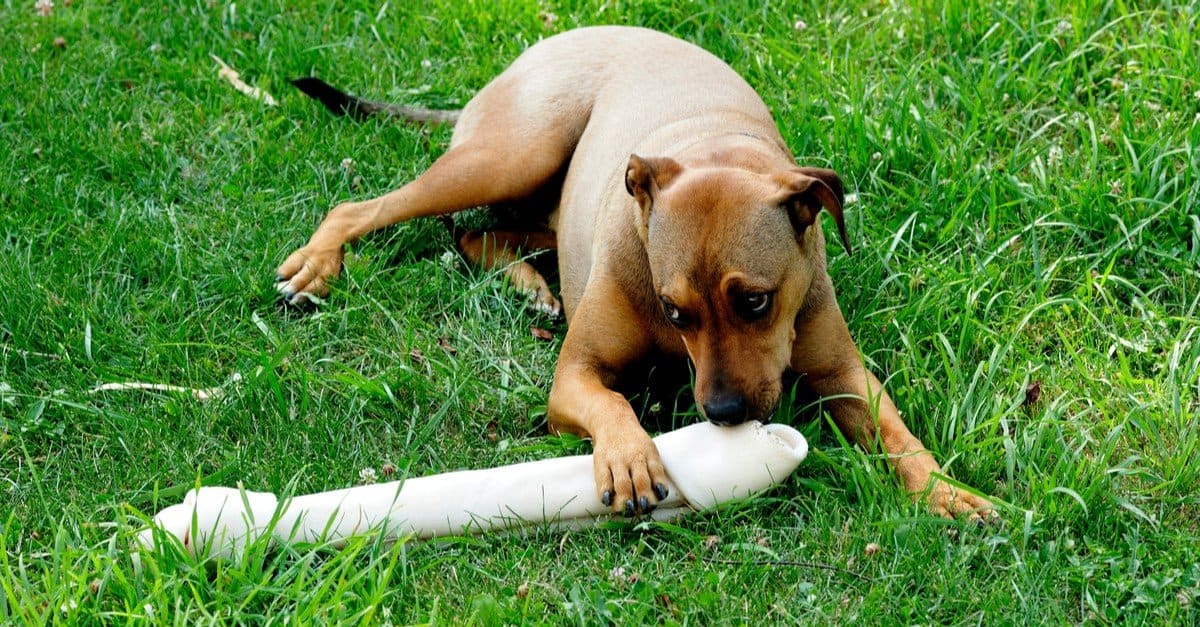
Boxweiler, Rottweiler and Boxer mixed-breed dog playing with Rawhide Bone

Boxweiler, a Rottweiler and Boxer mixed-breed dog, is energetic and playful, but has a short attention span.

Boxweilers have short coats that don’t require a lot of maintenance. To keep your boxweiler happy, bathe it once a month and trim its nails on a regular basis. Boxweilers often have dental issues, so make sure you remember to brush your dog’s teeth.

Training

Boxweilers are energetic dogs with short attention spans. Training these dogs can be difficult, especially if you don’t start when they are puppies. Start with short training sessions and remember to focus on basic commands. Your main efforts should be centered around short response times so you can make sure your boxweiler will obey even if it is highly distracted.

Exercise

Boxweilers need at least two hours of exercise a day to stay healthy. The best way to provide this is to give your dog access to a large yard to run around in. You should also take your dog on a walk every day to help it burn off energy. Finally, provide lots of toys to give it something to chew on while you’re too busy to pay attention to it.
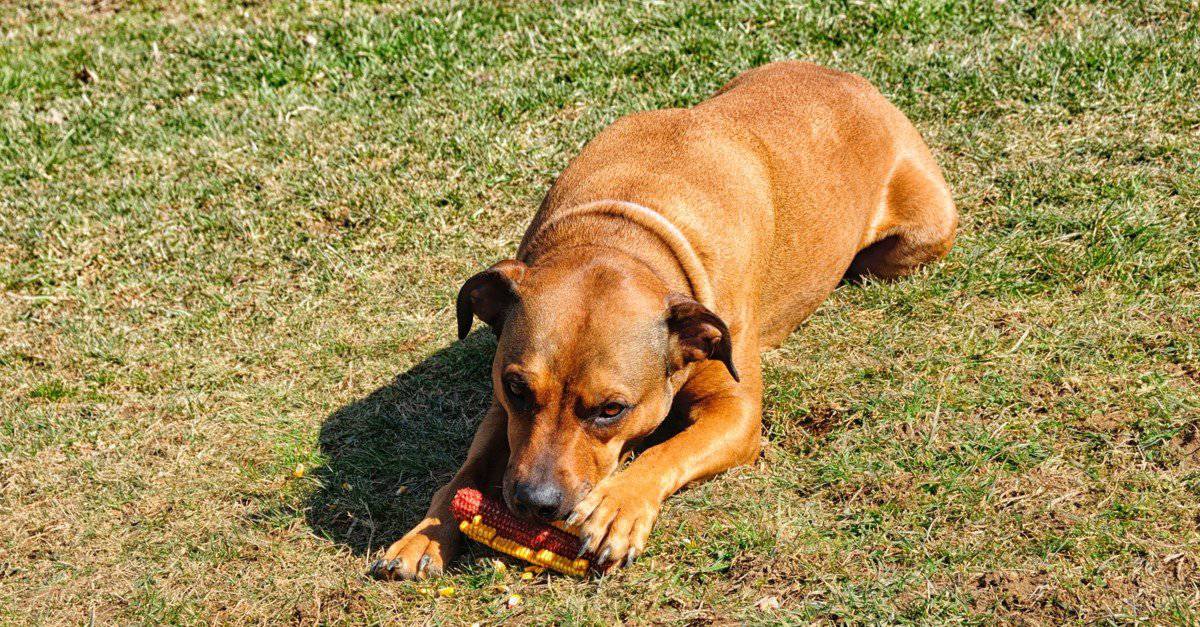
Boxweiler, Rottweiler and Boxer mixed-breed dog eating corn

Boxweilers need lots of walks and play, lots of toys, and a big yard for exercise.

Puppies

Boxweiler puppies are fun and cute, but they grow incredibly quickly. One of the things you need to look out for while they are getting bigger is that feeding them human food can result in premature growth and cause brittle bones. In general, only feed your boxweiler a puppy-friendly kibble until it is at least a year old.

Children

Boxweilers are far too large and active to play comfortably with small kids. These pups make excellent guard dogs, but they should never be left unsupervised around children.

Similar Dog

  • Boxerdoodle: Something about the enthusiastic attitude of a boxer and the curly hair of a poodle is simply adorable.
  • Boxsky: Husky genetics combined with a boxer appearance, boxskies are sweet and hardworking dogs that make a great choice for active families.
  • Boggle: The boxer and beagle mix is short, sweet, and incredibly playful and fun.

View all 453 animals that start with B

Sources

  1. Wagwalking / Accessed May 27, 2021
  2. Dogtime / Accessed May 27, 2021
  3. Labrottie / Accessed May 27, 2021
  4. Doggie Designer / Accessed May 27, 2021
  5. The Boxweiler / Accessed May 27, 2021
Thank you for reading! Have some feedback for us?


Boxweiler FAQs (Frequently Asked Questions)

A boxweiler is a crossbreed between a boxer and a rottweiler. These hybrid dogs are large and boisterous, but they also make exceptional guard dogs. Many breeders curate boxweilers as a designer guard dog for high-end families. The higher the price, the better your boxweiler’s pedigree likely is.