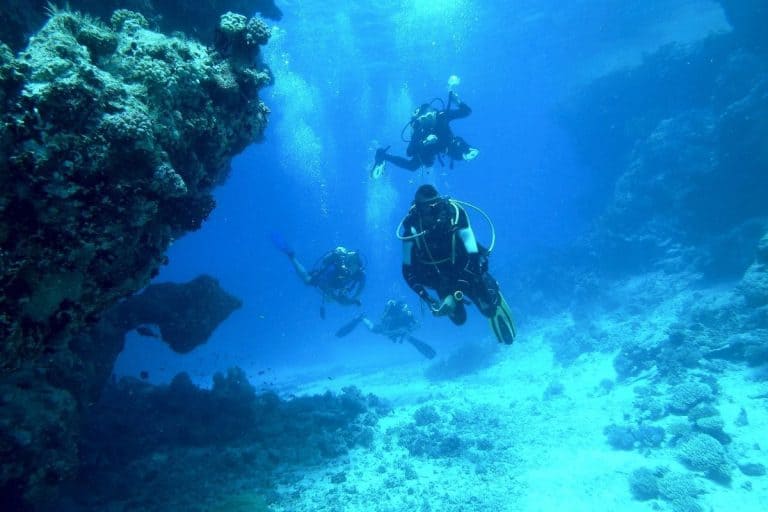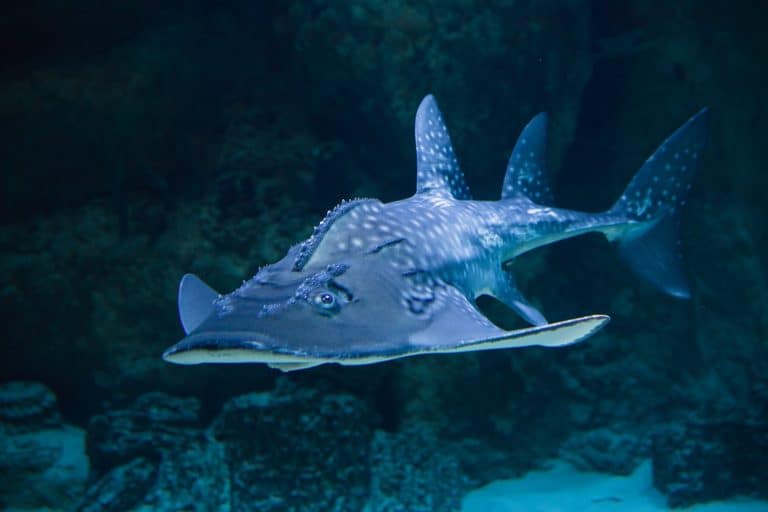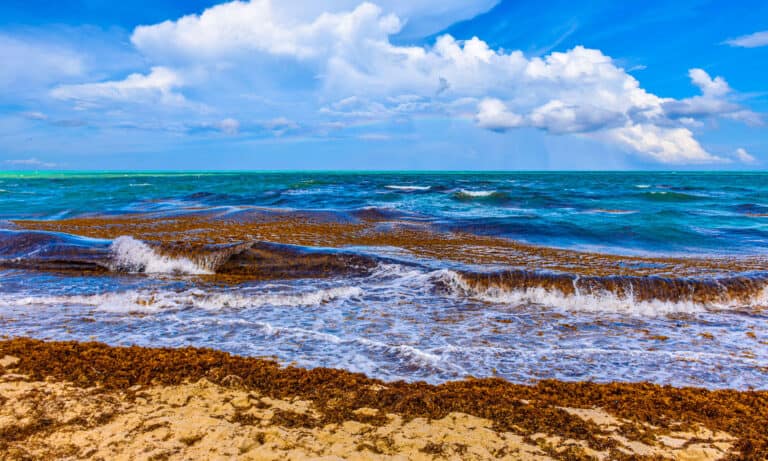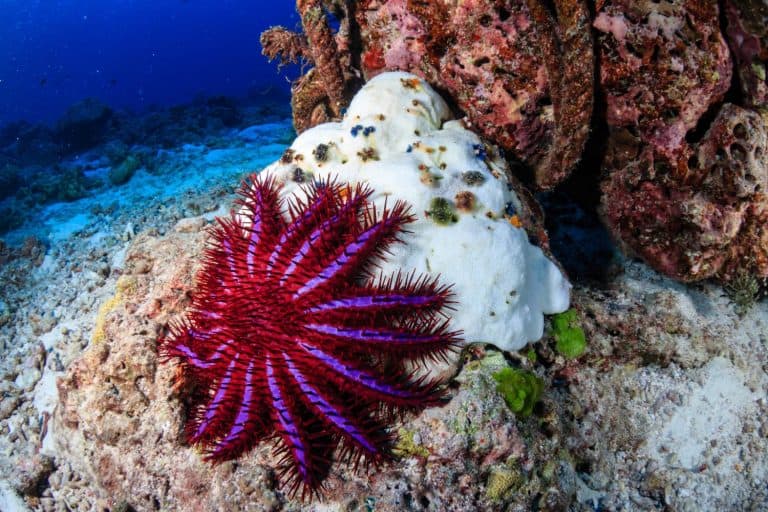

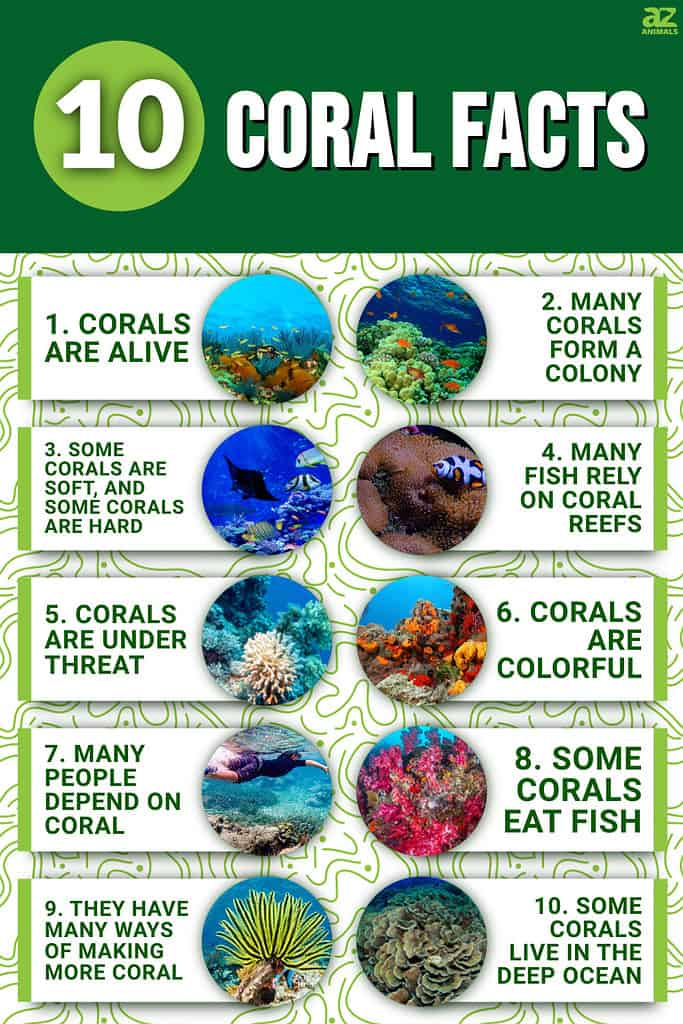
Corals are some of the most important organisms living in our oceans today. One of the most incredible coral facts is that, while coral reefs are estimated to make up less than 1% of the surface of our planet, they’re vital to 25% of all ocean life. Coral reefs not only provide food and shelter for innumerable fish and aquatic creatures, but they’re also vital to human existence. Keeping coral reefs clean, reducing pollution, and even wearing the right sunscreen will help ensure that Earth’s coral reefs stick around for generations to come.
Let’s look closely at ten of the most incredible coral facts!
1. Corals are Alive
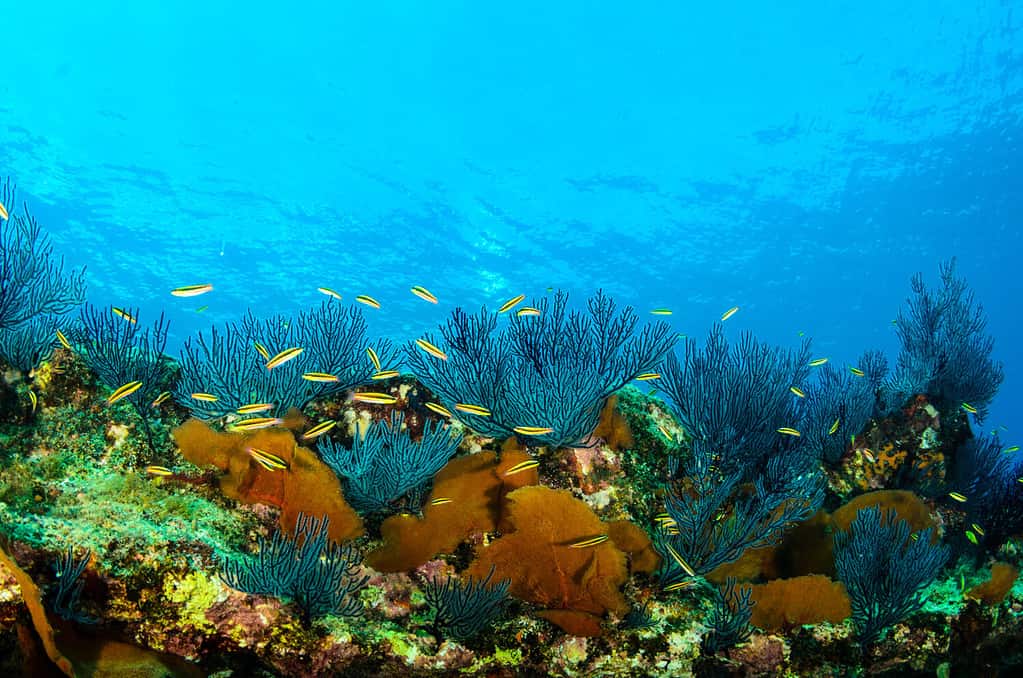
Corals are marine invertebrate organisms.
©Leonardo Gonzalez/Shutterstock.com
Corals aren’t mammals, but they aren’t rocks either. A coral might look like just another feature of the seafloor, but it’s actually a living creature. Or, in the case of coral reefs, millions of living creatures all live together and share aspects of their skeletons. All corals start life as a single polyp. As they age, they reproduce and form symbiotic relationships with other corals to form the vast coral reefs we know.
2. Many Corals Form a Colony
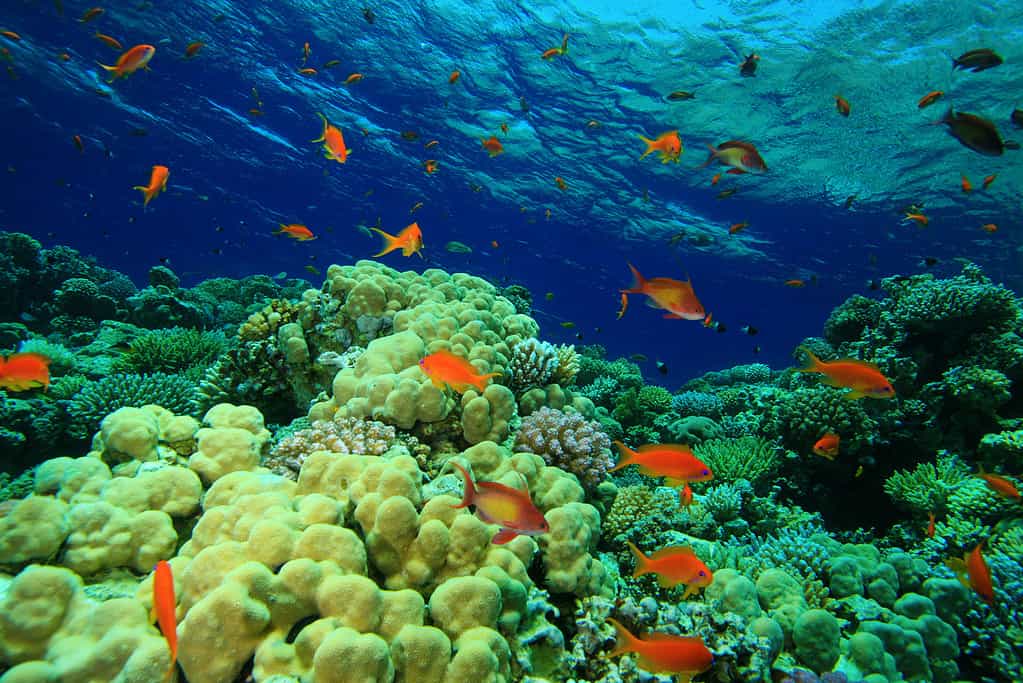
Corals are huge living structures.
©richcarey/ via Getty Images
An incredible coral fact is that corals can stand alone, or they can form huge living structures called colonies. These colonies can live for a very long time. To form new colonies, corals actually release tiny polyps that float on the water until they find a suitable place to land. Coral colonies are like cities that build themselves, and no two are alike.
3. Some Corals are Soft, and Some Corals are Hard
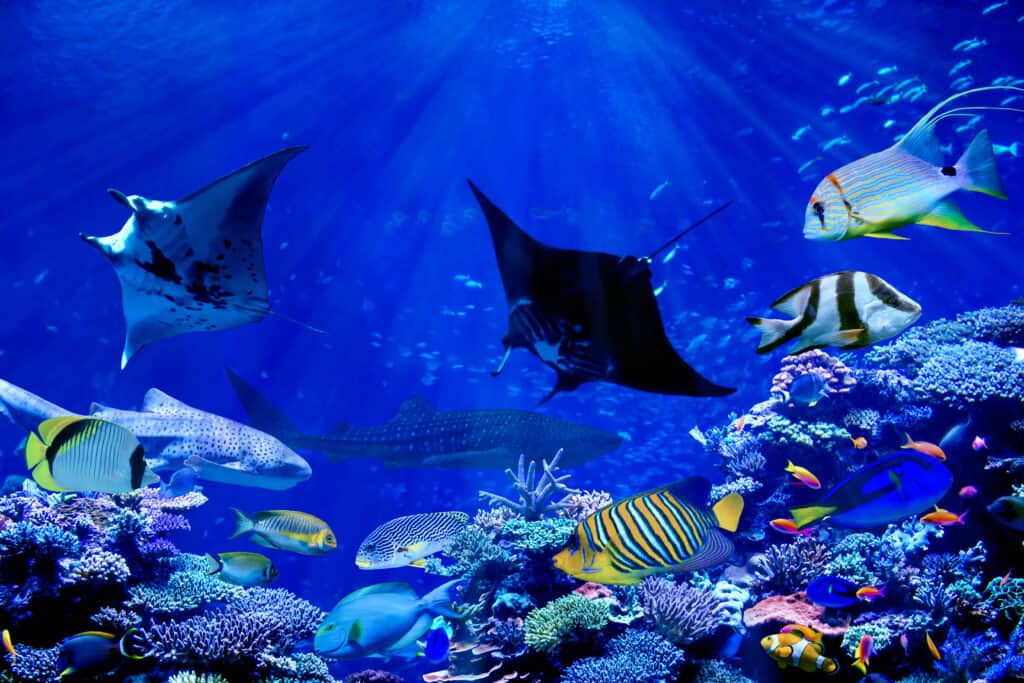
Our oceans are home to a vast array of corals, each with its unique ecology, appearance, and life cycle.
©chonlasub woravichan/Shutterstock.com
Corals come in a wide variety and some are known as stony corals. These corals have skeletons made of calcium carbonate; they can form towers, bulbs, spines, or even hard fans. Soft corals have no exoskeleton. Instead, they’re attached to the seafloor with waving tendrils and polyps. Both hard and soft corals often coexist together on the same reef. Corals grow incrementally, year by year, much like trees. Because of this, scientists can use coral growth marks to tell how old a coral is.
4. Many Fish Rely on Coral Reefs
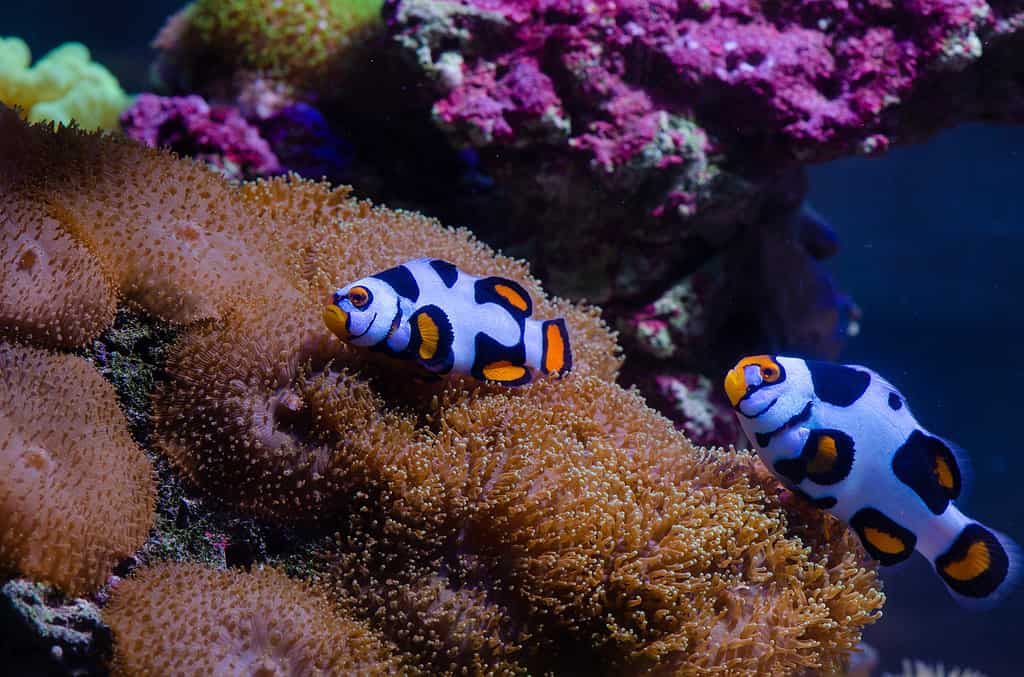
Many fish are drawn to coral reefs like these Picasso clownfish.
©iStock.com/papatpongp
Another incredible coral fact is that coral reefs are the cities of the ocean. The bigger the coral reef grows, the more fish come to live and hunt in it. Parrotfish, clownfish, eels, crabs, shrimp, and many other sea creatures all call coral reefs home. These smaller animals bring larger hunters, like dusky sharks, blue sharks, blacktip sharks, and bull sharks, to the reef. Corals are also big draws for humans due to their immense biodiversity and plethora of life, although human activity can pose serious threats to these ecosystems.
5. Corals Are Under Threat
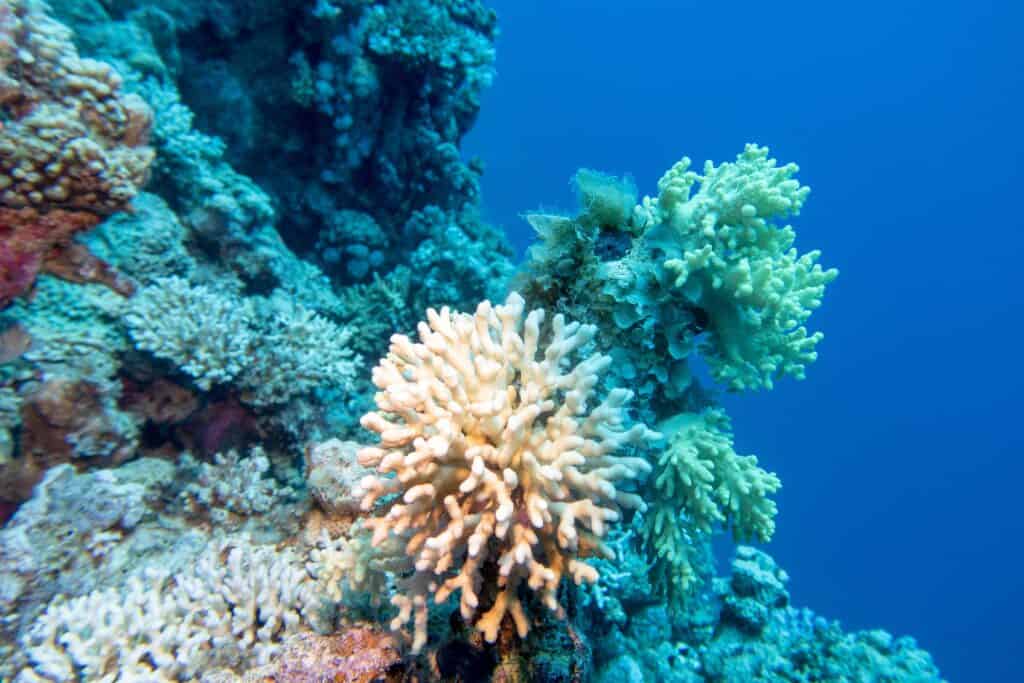
Unfortunately, coral reefs are threatened by oceanic warming, pollution, overfishing, acidification, and invasive species.
©Jolanta Wojcicka/Shutterstock.com
Coral reefs all over the world are in danger of disintegrating into the ocean. Their main threats are ocean acidification, oceanic warming, pollution, overfishing and destructive fishing, and invasive species. To protect coral reefs, many countries, like Australia, have created Marine Protected Areas (MPAs). Further protection of coral reefs comes from working to counter global warming, reducing pollution, and understanding the role corals play in the marine ecosystem.
6. Corals Are Colorful
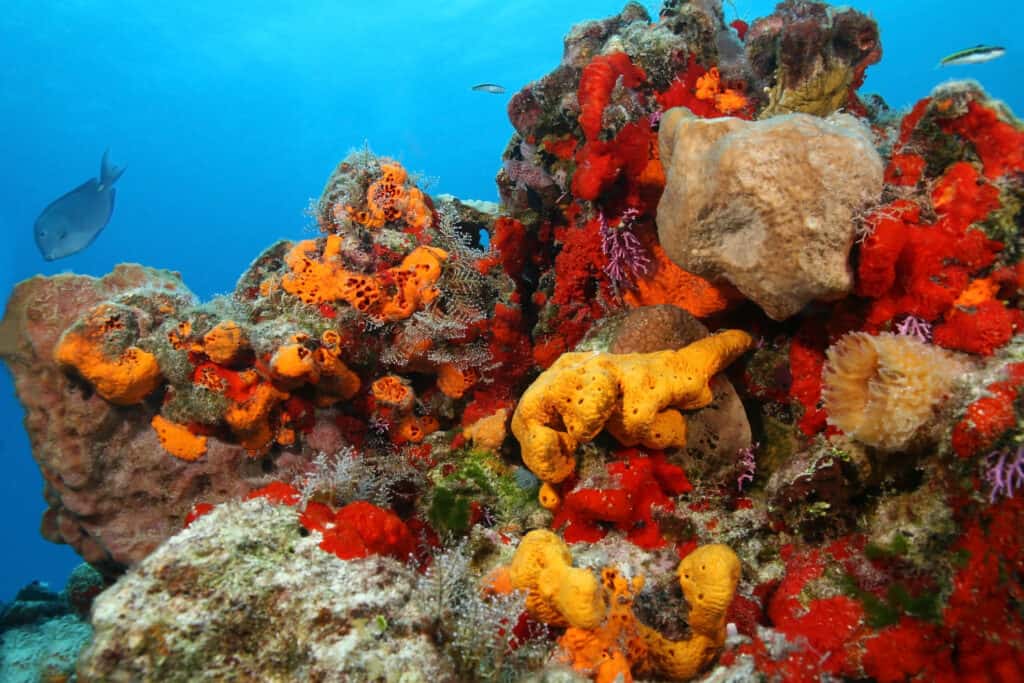
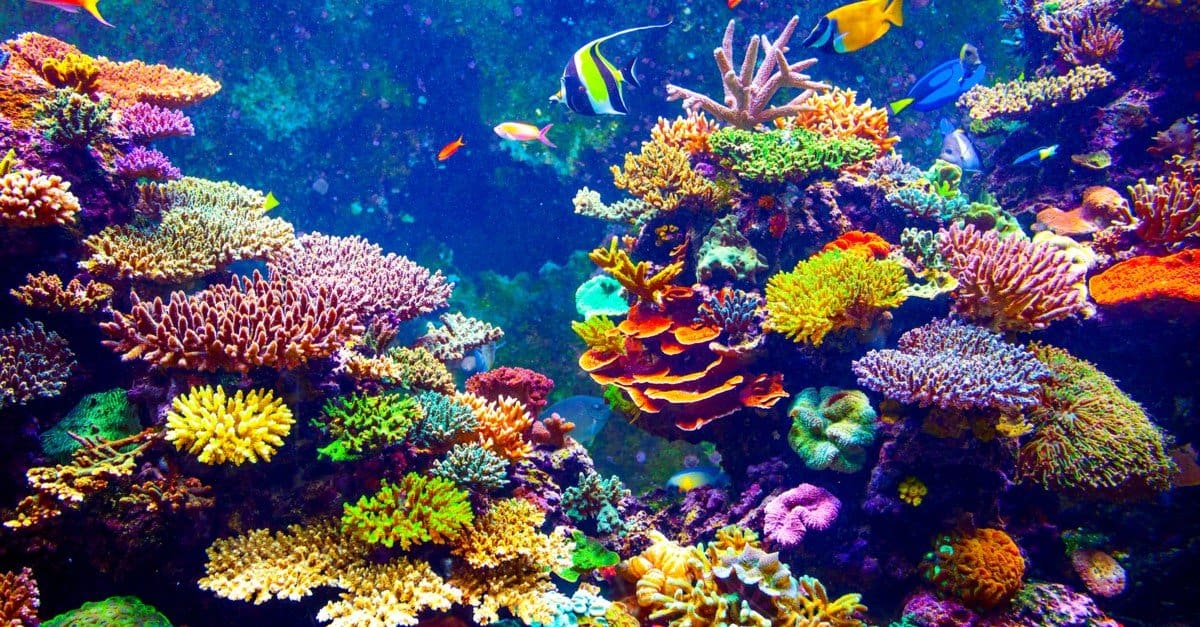
Coral reefs can be incredibly colorful habitats.
©Brian Lasenby/Shutterstock.com
Have you ever wondered where corals get their colors from? Well, one of the most incredible coral facts is that they have symbiotic relationships with marine algae. The algae live on the coral, photosynthesizing food from light, and sharing that food with the coral. In return, the coral protects the algae, and the algae imparts its color to the coral. Corals come in various colors, including yellow, red, orange, purple, and green.
7. Many People Depend on Coral
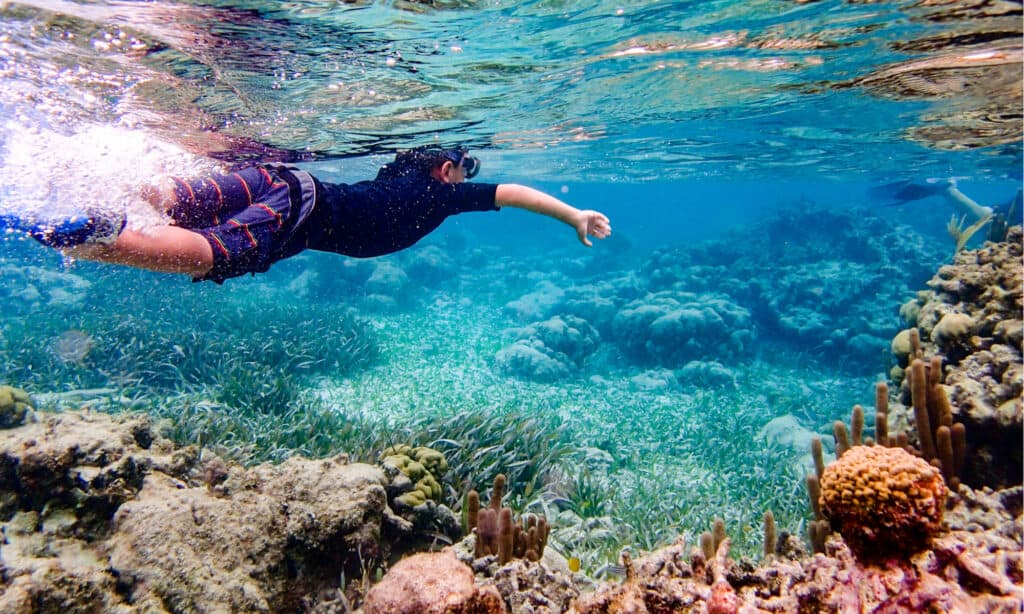
Coral reefs are more important to humans in shallow, coastal waters.
©Ventu Photo/Shutterstock.com
Coral reefs do a lot more than just look pretty. They’re natural barriers that protect beaches and estuaries from erosion. They provide tourist attractions, and the fish that flock to them are in turn fished and eaten by humans. Coral reefs are even a part of the bio-medical forefront of technology. With all of that, it’s no surprise that corals are incredibly valuable to humans, both ecologically and economically.
8. Some Corals Eat Fish
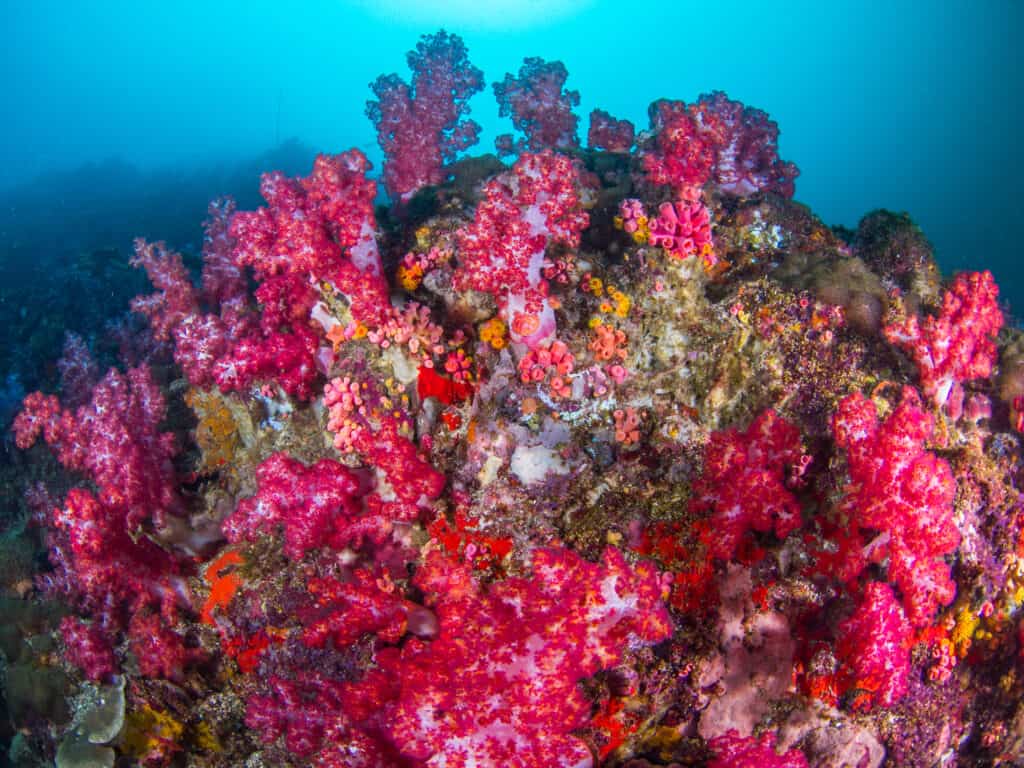
Some corals actually entrap and consume tiny fish using their tentacles, and other corals have venomous barbs.
©Pink Carnation tree corals/Shutterstock.com
While most corals get their nourishment from a symbiotic relationship with algae, some actually entrap and consume tiny fish. Corals use algae, and their photosynthetic capabilities, to get food. But, some corals have one more tool for getting something to eat: venomous barbs. At night, they extend their barbs out and actually grab zooplankton and small fish, pulling them in and consuming them.
9. They Have Many Ways of Making More Coral
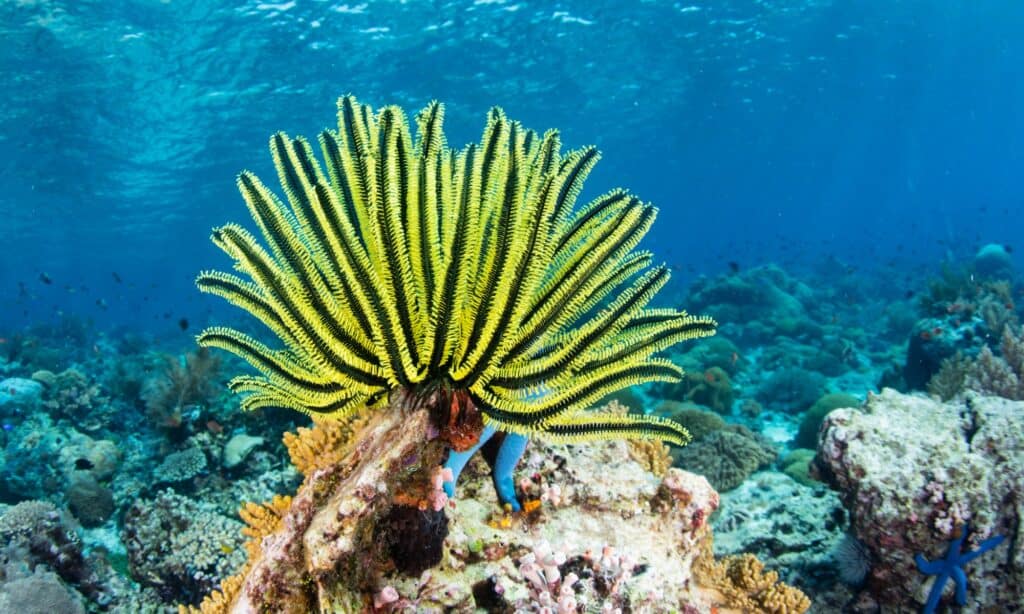
Unlike mammals, like elephants, wolves, and deer, corals aren’t restricted to just one mode of reproduction.
©iStock.com/Velvetfish
Corals come in male, female, and simultaneously male and female. They can reproduce with sex, or without. When they reproduce asexually, they’re essentially just making clones of themselves. This occurs through processes known as fragmentation or budding. Sexual reproduction actually includes eggs and sperm, just like in humans. But, unlike humans, corals can reproduce sexually both externally and internally. Each species does things a little differently or does a little of everything!
10. Some Corals Live in the Deep Ocean
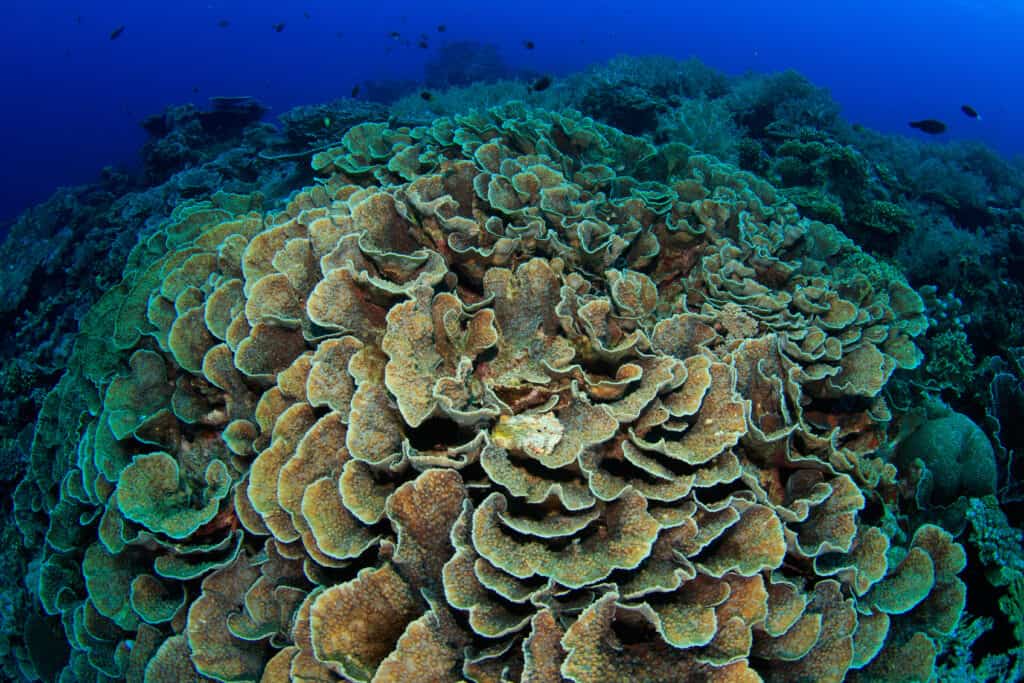
Coral reefs can thrive thousands of feet below the ocean’s surface as well as in shallower depths.
©SergeUWPhoto/Shutterstock.com
Although many corals are found in shallower water, some corals can live thousands of feet below the ocean’s surface. They have been found far beyond the depth that light penetrates. More than that, these deep-sea corals provide a habitat for deep-sea species of fish, crabs, shrimp, and other creatures. This deep in the ocean, the corals find food drifting on the current in the form of microscopic organisms. Like the anglerfish, not all corals need light to survive.