CR
Conservation Status

Critically Endangered
Species

Facing an extremely high risk of extinction in the wild.
56 Species
2/3 Page
Overview

Understanding This Status

Critically Endangered (CR) is an IUCN Red List category for species facing an extremely high risk of extinction in the wild, based on meeting one or more quantitative criteria (e.g., rapid population decline, very small population size, or extremely restricted range). It is the highest threat category before Extinct in the Wild (EW) and Extinct (EX).

Critically Endangered means a species is in immediate peril of disappearing from its natural habitats unless threats are reduced and recovery actions succeed. Under the IUCN Red List framework, a species is listed as CR when the best available evidence shows it meets at least one strict threshold for extinction risk-commonly involving very steep recent or projected declines, a severely fragmented or tiny distribution, or a very small number of mature individuals. The designation is evidence-based and aims to communicate urgency and guide conservation priorities.

This status applies to wild species and-in IUCN assessments-can be used across taxonomic groups (animals, plants, fungi, and others) at the species or, in some cases, subspecies level. CR does not necessarily mean a species is already gone; rather, it indicates that without effective intervention, extinction in the wild may occur in the near term. Typical drivers include habitat loss and degradation, overexploitation, invasive species, disease, pollution, and climate change, often acting together and amplifying risk.

The CR category matters because it helps governments, conservation organizations, and funders prioritize action, such as protecting and restoring habitat, reducing direct threats, strengthening legal protections, managing trade, and implementing recovery plans (sometimes including captive breeding or translocations). It also provides a standardized global signal to monitor trends over time and evaluate whether conservation measures are working-ideally leading to downlisting (e.g., to Endangered or Vulnerable) as populations recover and threats are reduced.

Common Misconceptions

IUCN Standards

Assessment Criteria

A species is listed as Critically Endangered (CR) when the best available evidence shows it is facing an extremely high risk of extinction in the wild in the immediate future. This is determined by meeting at least one of the IUCN Red List Criteria (A-E) at the CR thresholds, based on factors like very rapid population declines, extremely small or shrinking populations, extremely restricted geographic range with ongoing threats, or modelled extinction risk.

How species are assessed: Assessors compile the best available data on population size and trends, generation length, geographic range (EOO/AOO), fragmentation/locations, threats, and (where available) quantitative extinction-risk models. The species is evaluated against the IUCN Red List Criteria A-E; meeting any one criterion at the CR threshold can qualify it as Critically Endangered. Assessments must document data sources, assumptions, uncertainty, and justification, and typically undergo review (e.g., via specialist groups or the Red List review process). The category reflects extinction risk in the wild (not captivity), using the precautionary approach when uncertainty exists but evidence indicates high risk.

~9,000-10,000 species listed as Critically Endangered (CR) globally Species Globally
~5-7% of IUCN-assessed species Of Assessed Species
Increasing

The *recorded* number of Critically Endangered species has generally risen over time due to (1) real deterioration in extinction risk driven by habitat loss/fragmentation, overexploitation, invasive species, disease, pollution, and climate change, and (2) expanding assessment coverage and reassessments that newly identify species already in severe decline (so part of the increase is improved detection rather than new declines alone).

Geographic Patterns: CR species are concentrated where endemism is high and human pressures are intense: oceanic islands and island-like habitats (e.g., Madagascar, Caribbean, Pacific islands), tropical forest frontiers (e.g., Southeast Asia, parts of the Amazon/Atlantic Forest, West and Central Africa), major mountain and biodiversity hotspots (e.g., Tropical Andes), freshwater systems under heavy modification (dams, water extraction, pollution), and coral-reef regions exposed to warming and bleaching (notably the Coral Triangle and other tropical reef belts).

Implications

What This Means

For the Species

  • Extremely high risk of extinction in the wild in the immediate to near-term under IUCN criteria.
  • Often characterized by very small and/or rapidly declining populations, severe fragmentation, or occurrence in only a few locations.
  • High vulnerability to single events (disease outbreaks, storms, wildfire, pollution incidents) that could cause major or total population loss.
  • Loss of genetic diversity and inbreeding risks are more likely due to small population size, reducing long-term resilience.
  • May require urgent, intensive interventions (anti-poaching, habitat protection/restoration, captive breeding, translocation) to prevent extinction.
  • Greater likelihood of being considered for ex situ conservation (captive assurance populations, seed/gene banks) and emergency management actions.

Conservation Priority

Typically treated as an emergency-tier priority: conservationists prioritize rapid threat abatement and stabilizing remaining wild populations, often via focused recovery plans, intensive monitoring, protection of key habitats, and coordinated action among governments, NGOs, and local communities; CR species are frequently prioritized for captive assurance measures when in situ protection alone is insufficient.

Legal Protections

  • CITES: May be listed in Appendix I (most common for the most threatened species) or Appendix II; Appendix I generally prohibits commercial international trade and tightly regulates non-commercial trade via permits.
  • U.S. Endangered Species Act (ESA): Likely to qualify for listing as Endangered (noting ESA categories differ from IUCN); triggers prohibitions on "take," critical habitat designation, recovery planning, and federal consultation requirements.
  • EU Wildlife Trade Regulations: Often treated under Annex A (similar effect to CITES Appendix I) with strict controls on import/export and commercial use.
  • EU Habitats Directive / Birds Directive (where applicable): May be listed in annexes requiring strict protection, site designation (e.g., Natura 2000), and favorable conservation status measures.
  • National and subnational endangered-species laws: Frequently results in legal protection from hunting/collection, habitat destruction restrictions, and mandatory impact assessments for development.
  • Convention on Migratory Species (CMS): If migratory, may be listed on CMS Appendices, prompting international coordination and protections along migratory routes.
  • Bern Convention (Europe) / other regional biodiversity treaties: Potential listing can require strict protection and habitat conservation commitments.
  • CBD (Convention on Biological Diversity): Not species-specific listings, but can drive national biodiversity strategies, protected-area expansion, and action plans that prioritize CR taxa.

Funding Implications

Often increases eligibility and competitiveness for conservation funding because CR status signals urgency and high extinction risk; can unlock emergency grants, rapid-response funds, and larger-scale recovery investments from governments, multilateral donors, and NGOs. Funders may require clear, measurable recovery targets, strong governance/anti-poaching safeguards, and monitoring frameworks; resources may be concentrated on CR species with feasible recovery pathways or high ecological/cultural value, while extremely costly or low-feasibility projects may face stricter scrutiny despite the high threat level.

Stories of Change

Status Transitions

Success Stories

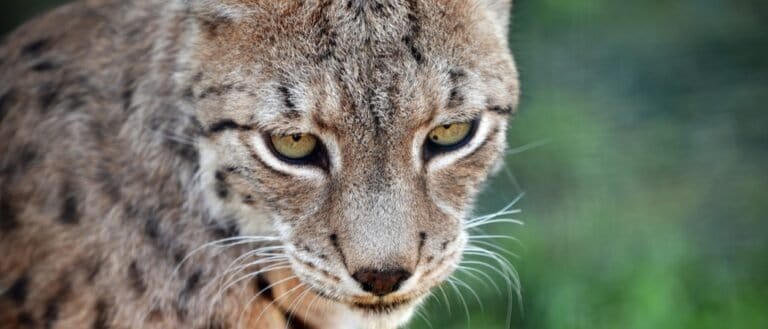
Iberian lynx

critically_endangered endangered

Coordinated habitat management (Mediterranean scrub), strict protection, rabbit prey recovery work, and intensive captive breeding with reintroductions expanded the population and range, reducing extinction risk.

2015

Mountain gorilla

critically_endangered endangered

Stronger protection in and around parks, anti-poaching patrols, veterinary intervention (disease/injury), and community-linked conservation (including regulated tourism benefits) contributed to sustained population growth.

2018

Mauritius kestrel

endangered vulnerable

Emergency recovery actions-including captive breeding, nest-site management, pesticide pressure reduction, and habitat protection-pulled the species back from extremely low numbers to a recovering wild population.

2000

Tragic Losses

Western black rhinoceros

Intense poaching driven by horn demand and weak protection eliminated the last wild individuals; despite surveys, no surviving population was found and the taxon was declared extinct.

2011

Bramble Cay melomys

A tiny island-endemic rodent lost habitat and food resources due to storm surges and sea-level impacts; failure to establish a secure backup population preceded its disappearance and extinction declaration.

2016
How You Can Help

Take Action

Conservation Strategies

  • Rapid species recovery planning (0-24 months): create/update a science-based recovery plan with population targets, threat mitigation, and emergency triggers; fund and execute immediately
  • Emergency threat suppression: immediate removal/neutralization of top drivers (e.g., stop poaching/snares, halt illegal logging/mining, remove invasive predators on nesting sites, disease response)
  • Intensive protection and enforcement at key sites: prioritize last strongholds/remaining breeding areas; deploy ranger patrols, surveillance (drones/camera traps), and strong prosecution pathways
  • Ex situ conservation as an insurance policy: captive breeding, head-starting (raising juveniles for release), cryopreservation/genetic rescue planning, and coordinated studbooks
  • Managed reintroductions/translocations: move individuals to safer habitat or establish new populations; use soft-release protocols and post-release monitoring
  • Habitat protection with strict safeguards: designate/expand protected areas, enforce no-take/no-disturbance zones, and implement rapid moratoria on destructive activities in critical habitat
  • Habitat restoration focused on limiting factors: restore nesting beaches/river flows/reef structure/forest corridors; remove barriers; restore prey base; ensure water quality
  • Genetic and demographic rescue: prevent inbreeding via managed gene flow; supplement small populations; maintain effective population size targets
  • Disease risk management: biosecurity at sites, vaccination where feasible, quarantine protocols for translocations/captive facilities, and pathogen surveillance
  • Human-wildlife conflict prevention at emergency scale: rapid deployment of deterrents, predator-proof enclosures, compensation/insurance, and targeted community agreements
  • Climate adaptation actions for last populations: identify and protect climate refugia; assisted colonization where justified; reduce non-climate stressors to increase resilience
  • Fisheries/bycatch elimination for threatened marine species: mandatory gear changes (TEDs, circle hooks, pingers), time-area closures, onboard observers/e-monitoring, and enforcement
  • Community-led conservation with direct benefits: co-management agreements, employment (rangers/monitors), rights-based approaches, and revenue-sharing (ecotourism/PSA) tied to recovery outcomes
  • Critical research and monitoring (but action-first): rapid threat assessment, population surveys, telemetry, and adaptive management with quarterly/annual review cycles
  • Securing long-term financing: emergency grants, conservation trust funds, debt-for-nature swaps, and corporate compliance funding for threat mitigation

How You Can Help

  • Donate to a species-specific emergency recovery project (preferably one working at the last remaining sites); choose programs that fund rangers, threat removal, and monitoring-not only awareness
  • Support anti-poaching and enforcement funds in range countries (ranger salaries, patrol equipment, legal support, informant networks)
  • Never buy wildlife products (skins, ivory, traditional medicines, exotic pets, live corals); verify legality and sustainability before purchasing plants/animals
  • Report suspected illegal wildlife trade: notify local authorities or relevant hotlines; when traveling, report illegal sales at markets/online platforms
  • Reduce bycatch impacts through consumer choices: buy seafood with strong sustainability/bycatch standards (e.g., MSC where credible; local programs with observer coverage); avoid high-risk products when traceability is poor
  • Advocate for urgent protections: contact government representatives to support emergency habitat designations, stronger penalties, and funding for recovery plans
  • Support protected areas near critical habitat: adopt-a-park programs, community ranger initiatives, and local land trusts in the species' range
  • Volunteer skills that directly help recovery teams: GIS mapping, data cleaning, translation, grant writing, legal research on permitting, or remote camera-trap annotation for accredited projects
  • Participate in citizen science relevant to CR species (e.g., reporting sightings, beach nesting patrols, eBird for rare birds) when programs are run/validated by local experts
  • Travel responsibly: avoid wildlife selfies/handling; choose tour operators with verified conservation benefits; keep distance from nesting/breeding areas
  • Reduce demand drivers at home: cut single-use plastics (for marine CR species), avoid pesticides harmful to prey/invertebrates, and prevent releasing pets/plants that become invasive
  • Keep cats indoors and manage invasive predators responsibly in sensitive areas; support humane, science-based invasive control programs where they protect CR wildlife
  • Back habitat restoration targeted to limiting factors: fund native planting, wetland restoration, reef restoration, or barrier removal projects tied to a CR recovery plan
  • Support accredited zoos/aquariums participating in coordinated breeding programs (AZA/EAZA) and avoid facilities that trade/handle animals for entertainment
  • Use your influence at work/school: push for deforestation-free, traceable supply chains (palm oil, soy, timber), and procurement policies that reduce habitat loss in biodiversity hotspots
  • Fund or join rapid-response conservation efforts after disasters (fires, oil spills, storms) that threaten last populations; prioritize vetted local responders
  • Vote and campaign for climate and land-use policies that reduce extinction risk; support measures protecting climate refugia and reducing emissions that affect fragile populations

Critically endangered species are at a very high risk of becoming extinct in the wild or extinct. For an animal to be added to the category, it must meet any of the following criteria regarding population or habitat decline:

Rapid Population Reduction

  • A taxon’s population size is reduced by 90 percent or more over 10 years or three generations, whichever is longer, and the reduction causes are understood, reversible, and have stopped. For example, let’s pretend there’s a bird species that traditionally had a population of 2000. Over 10 years, it drops to 200 because a logging company demolished its habitat. If laws are put in place that bar the logging company from continuing to fell trees in the habitat, then the IUCN will list it as “critically endangered” because the reason for the decline is understood and ceased.
  • A taxon’s population size is reduced by 80 percent or more over 10 years or three generations, whichever is longer, but the reduction cause may not be understood or reversible. For example, let’s say there’s a bird species that traditionally had a population size of 2000. Over 10 years, it drops to 400. However, scientists can’t figure out why they’re dying off. In this case, the IUCN would list it as “critically endangered” because the decimation is evident, but scientists can’t figure out why.
  • A taxon’s population size is reduced by 80 percent or more over 10 years or three generations, whichever is longer, and the animal is also battling habitat shrinkage or another threat.

Geographic Reduction

The area where a species can live is reduced to 100 square kilometers or less, or the area that the species currently and actually occupies is reduced to 10 square kilometers, and at least two of the following criteria are also met:

  • The population is known to exist in only one location.
  • Scientists observe or predict that the habitat will continue to shrink or be degraded, and there’s also a decline in subpopulations or the number of reproducing adults.
  • Scientists observe extreme fluctuations in the number of locations, subpopulations, or the number of reproducing adults.

Dangerously Low Number of Adults

  • A taxon’s population only has 250 or fewer adults left, and a 25 percent decline is anticipated within three years or one generation, whichever is longer. If none of the taxon’s subpopulations contain more than 50 adults, or 90 percent of the species’ adults live in one subpopulation, it will qualify as critically endangered.
  • Scientists observe extreme fluctuations in the number of mature adults in a given population.

Dangerously Low Overall Population Size

Only 50 or fewer individuals of a taxon remain.

Expected Rapid Decline

Research and studies indicate that there’s a 50 percent or greater chance that the taxon will be extinct in the wild within 10 years or three generations, whichever is longer.

How many species are currently critically endangered?

In the latest iteration of the list, 3,947 taxons — aka scientifically accepted units of species — are classified in the critically endangered category.

All Critically Endangered Species

56 species documented in our encyclopedia

Thank you for reading! Have some feedback for us?