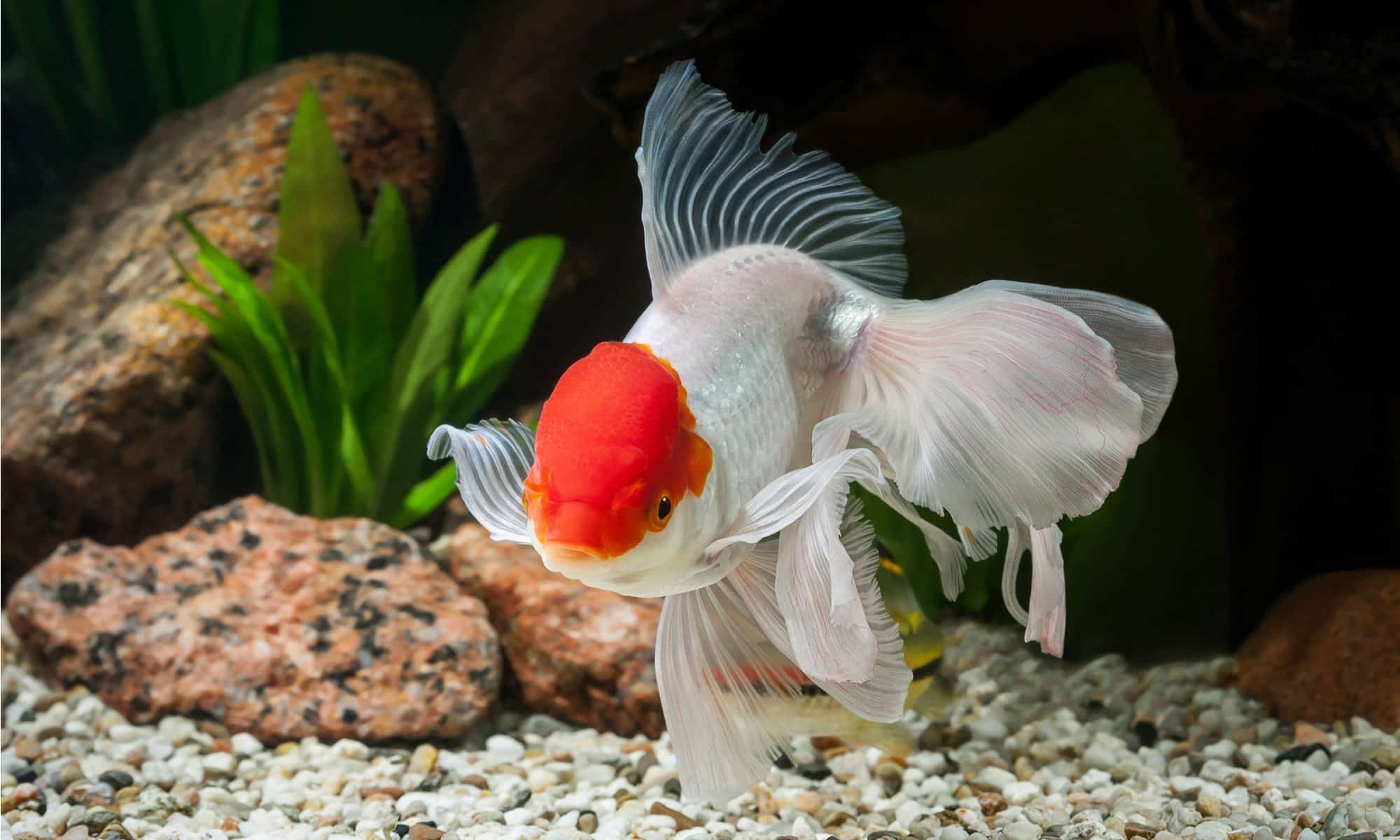

Quick Take
- One fish on this list outlearns lab rats at picking up new routines, and it probably isn't the one you'd expect. Faster learners than rats →
- The '3-second memory' myth you've believed about goldfish is completely wrong, and the truth changes how you should think about fish intelligence entirely. Debunking the memory myth →
- One fish uses a built-in superpower that rivals electric eels to navigate, hunt, and find mates in total darkness. Meet the electrolocation expert →
- A catfish can recognize a specific voice after five years of silence, a finding that raises unsettling questions about what else fish might remember. Five years, one voice →
When people think of smart animals, fish rarely come to mind. But fish can be smart in ways that might surprise you. Apart from their amazing physical adaptations for life underwater, fish are intelligent animals. They can be trained, learn routines, and remember faces. Research is proving that fish are smarter than we give them credit for. Fish can learn from one another, pick up on social cues, and some are even self-aware. Many fish show intelligent behavior and unique methods of communication. Continue reading to learn about eight smart fish and what sets them apart.
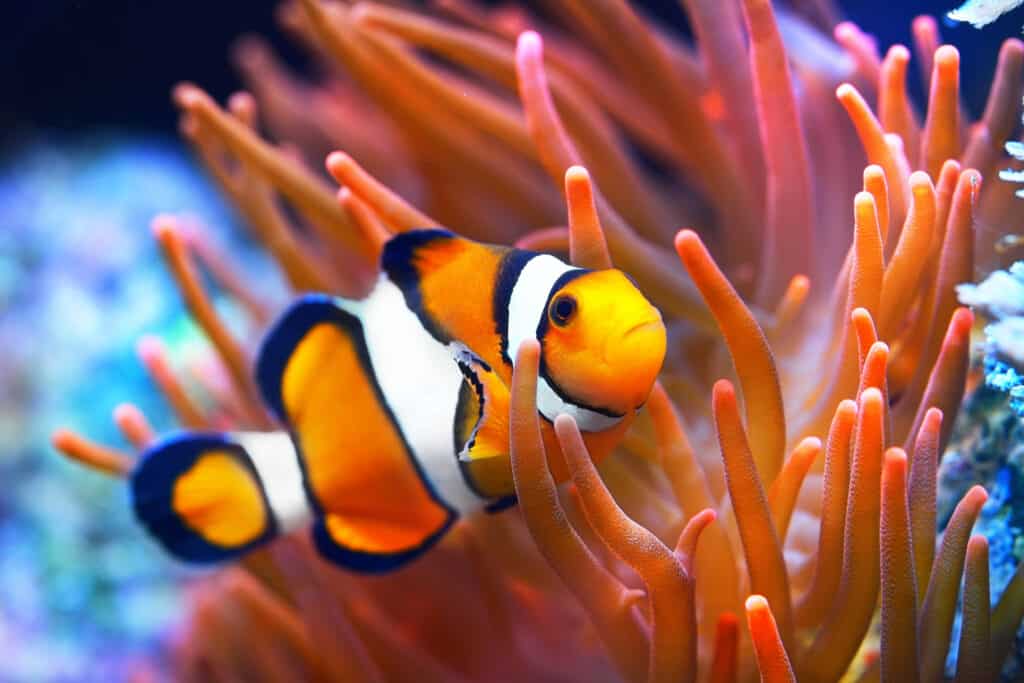
Recent research gives us a new understanding of fish – these animals are smart, and can feel, and experience emotion!
©Alex Stemmers/Shutterstock.com
Oscar
The Oscar (Astronotus ocellatus) is a cichlid known to be a highly intelligent fish. Oscars are fondly known by their owners as water dogs because they are interactive fish that act with purpose. Oscars can recognize their owner’s faces and movements, especially when it comes to detecting their next meal.

Oscars are well known for being aggressive aquarium fish, but they are also intelligent and connect with their human owners.
©iStock.com/Silk-stocking
Although Oscar fish have a reputation for being aggressive with tankmates, they couldn’t be more playful and affectionate with humans.
Oscars’ human-like traits have earned these fish a spot as the most intelligent freshwater fish, because their domestication has led people to regularly watch and interact with them to see just how smart they are.
Manta Ray
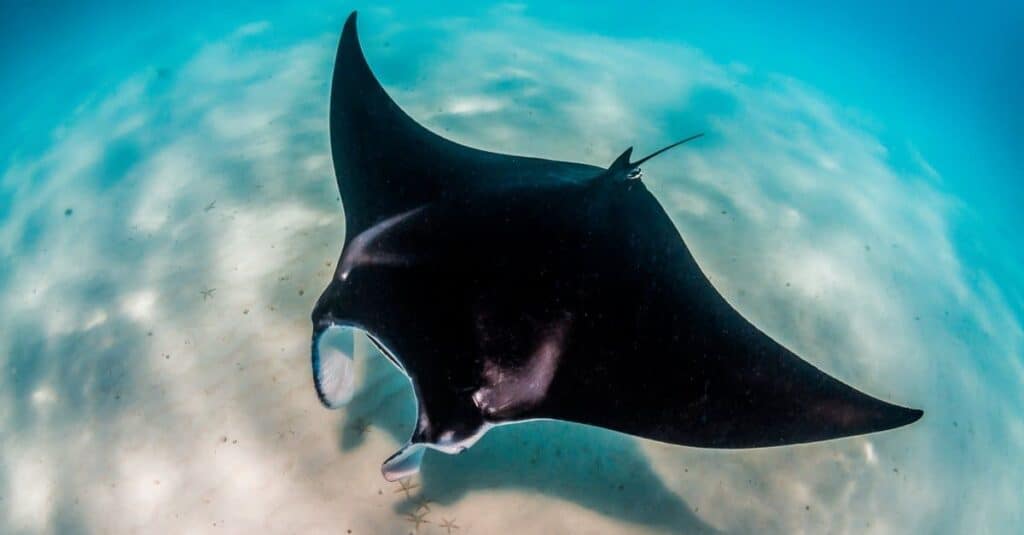
Manta rays can grow up to 25 feet wide.
©Aaronejbull87/Shutterstock.com
The giant oceanic manta ray (Mobula birostris) has the largest brain-to-body weight ratio out of all documented fish species. Manta rays might not be the biggest fish in the sea, but their large brains are the reason they are so smart. These big-brained fish are believed to be quite self-aware and have developed areas for communication, problem-solving, and learning.
Manta rays are known to be great navigators and can travel long distances underwater with excellent navigation skills. They have been known to swim to familiar diving teams where they know they will get fed and interact with humans.
A 2016 study by researchers at the University of South Florida found that Manta rays would react to their reflections in mirrors. Their behavior, including self-examination and bubble-blowing, suggested that they may have recognized the reflection as themselves rather than another Manta ray, though self-recognition was not conclusively proven.
This experiment showed that Manta rays have the self-awareness that many other fish species lack.
Jollytail
Rats are commonly used in lab trials to understand how animals can learn. However, the jollytails (Galaxias maculatus) might be smarter than rats, according to lab experiments. Research has shown that jollytails might be capable of learning certain routines faster than rats.

Jollytails are small freshwater fish.
©Philip Armitage/Shutterstock.com
Elephantnose Fish
The Elephantnose fish (Gnathonemus petersii) has one of the largest brain-to-body ratios in comparison to all known vertebrates, even rivaling humans. These fish use a whopping 60% of their body’s oxygen in their large brains.

Elephantnose fish are native to the slow-moving, muddy, and heavily vegetated freshwater river and lake basins of West and Central Africa.
©iStock.com/slowmotiongli
Aside from a good oxygen flow to their brain, elephantnose fish brains take up a greater percentage of their body weight than humans, which has landed them a spot as one of the smartest fish species.
If that wasn’t enough, elephantnose fish also have a mild electric field sort of like an electric eel, but less powerful. Using electrolocation and electroreceptors around their bodies, elephant-nose fish can detect prey, find food, and navigate in dark or murky waters to find a mate. This is truly a smart and fascinating fish.
Goldfish
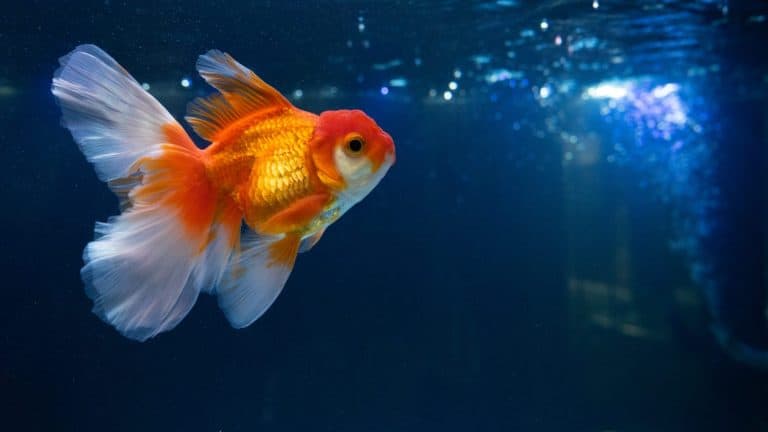
The goldfish (Carassius auratus) was previously believed to have only a 3-second memory. This couldn’t be more untrue, as goldfish have memories that can last for weeks, months, and even years.
According to Culum Brown, a fish cognition expert at Macquarie University in Australia, goldfish are often used as learning fish because of their great memories and ability to learn new things.
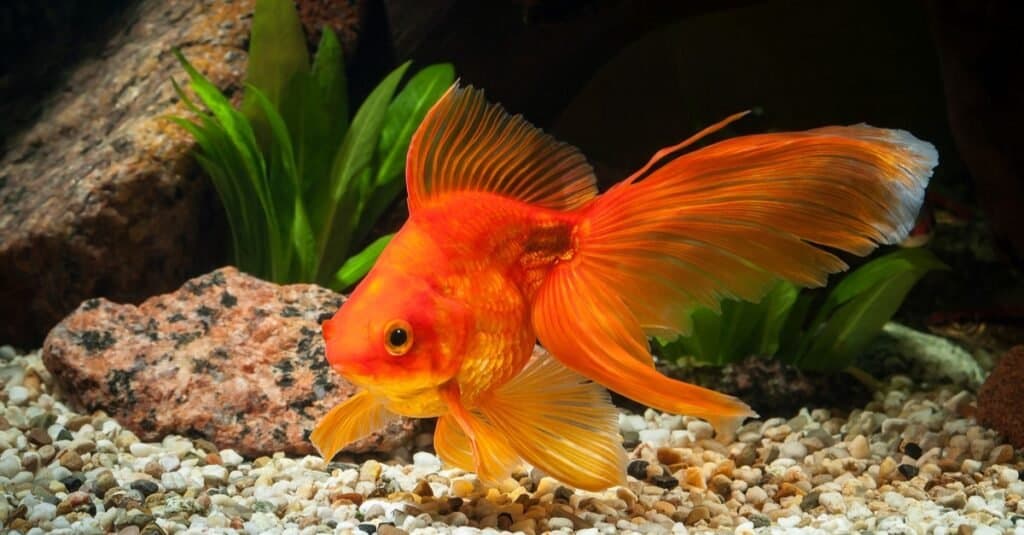
Goldfish are omnivores that eat plants, insects, and much more.
©dien/Shutterstock.com
Sadly, goldfish are often misunderstood and kept in small bowls or aquariums where they do not have enough space and entertainment to prove how smart they can really be. Goldfish can learn how to repeat tasks that they were taught months or even years ago and can remember their owner’s faces after time has passed.
Channel Catfish
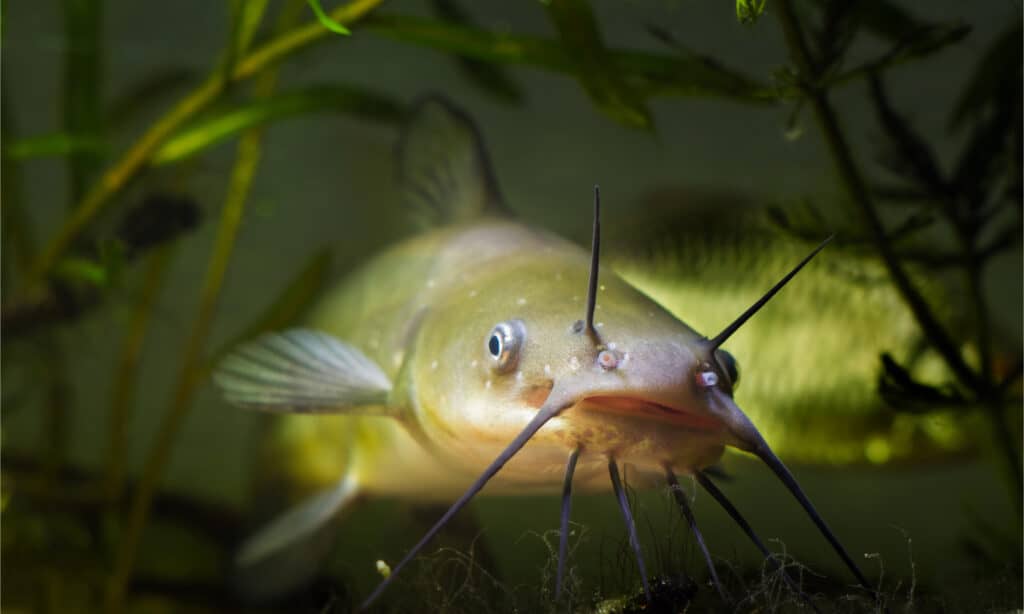
The Channel Catfish has excellent senses of taste and smell.
©Aleron Val/Shutterstock.com
Countless research studies have shown that fish can retain information for years and remember things quite well. This is especially true for Channel catfish (Ictalurus punctatus), which have been found to recognize the voice that calls them for food even after not hearing it for five years.
Crimson-Spotted Rainbow Fish
Fish can form cognitive maps in their minds, often to avoid going to the same place where they had a bad experience, or to remember landmarks for navigation underwater.
The Crimson-spotted rainbow fish (Melanotaenia duboulayi) is one example of a fish that can be taught to remember certain techniques. This fish learned how to escape from a trawl by swimming through a specific hole in the center and could remember this exact technique 11 months later.

Many species of rainbowfish are sought after for aquariums.
©iStock.com/Mirko_Rosenau
This showed that the Crimson-spotted rainbow fish was able to integrate an experience in its mind and form a response from previous teachings to avoid and escape a situation that was not ideal.
Banded Archerfish
The banded archerfish (Toxotes jaculatrix) is an example of a smart fish species that can use tools to make its life easier, especially when it comes to feeding. Archerfish squirt jets of water to knock bugs off overhanging branches and into the water so they can eat them. Archerfish are known to evaluate their prey before expending the energy to attack it.

Banded archerfish look outside the water for food such as insects, larvae, and worms.
©Henner Damke/Shutterstock.com
Archerfish have also been known to have such good accuracy that they can even shoot moving insects and rarely miss them.