


G
Species Profile

Glen Of Imaal Terrier

Canis lupus familiaris

Low-slung Irish grit, big heart
RobertArt/Shutterstock.com

Glen Of Imaal Terrier Distribution

Click a location to explore more animals from that region

Origin Location

This map shows the native origin of the Glen Of Imaal Terrier. As a domesticated species, they are now found worldwide.

Loading map...

Found in 1 country

Size Comparison

Human 5'8"
Glen Of Imaal Terrier 1 ft 2 in

Glen Of Imaal Terrier stands at 20% of average human height.

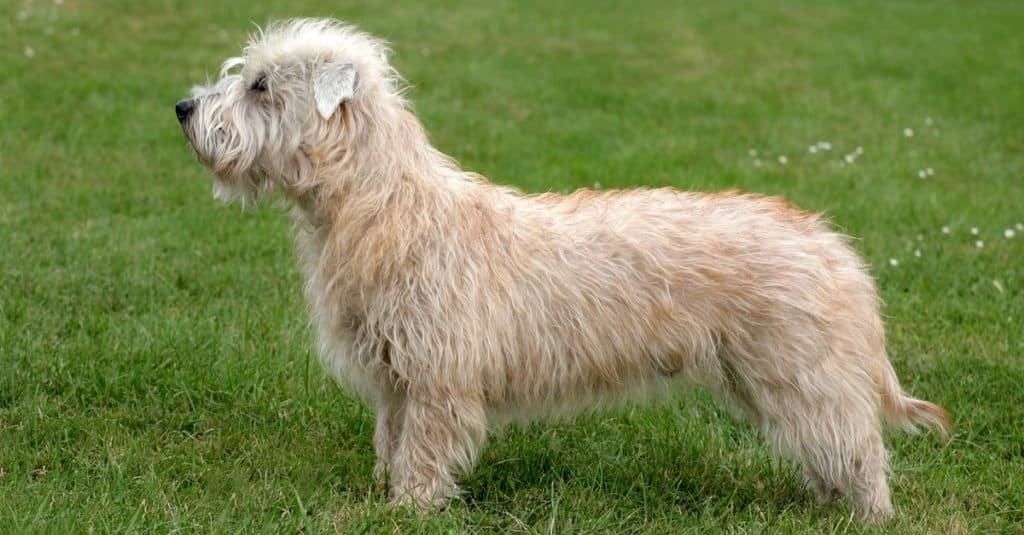
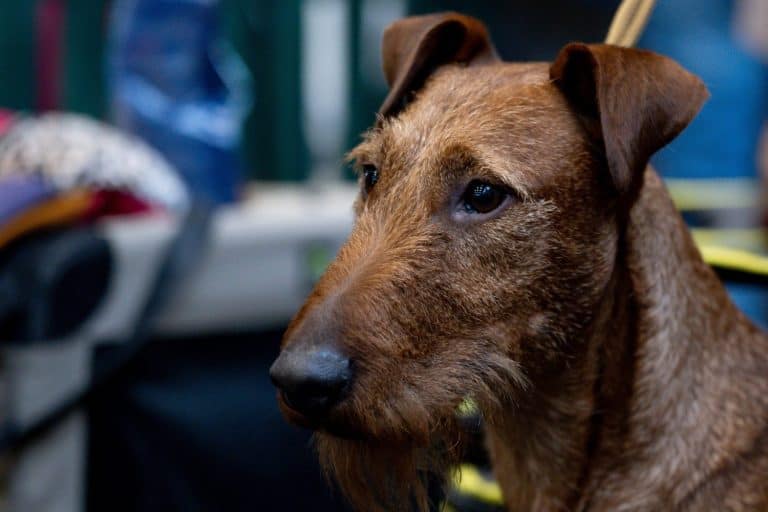
portrait of a dog, Irish glen of imaal terrier

At a Glance

Domesticated
Also Known As Imaal Terrier, Glen, The Glen, Irish Glen
Diet Omnivore
Activity Diurnal+
Lifespan 5 years
Weight 16 lbs
Status Not Evaluated
Did You Know?

Nicknamed the "silent" terrier-often less yappy than many other terrier breeds.

Scientific Classification

The Glen of Imaal Terrier is a small-to-medium, sturdy Irish terrier breed developed in County Wicklow (the Glen of Imaal). It is a domestic dog (a breed within the gray wolf domesticate lineage) historically used for vermin control and as a working farm terrier.

Kingdom
Animalia
Phylum
Chordata
Class
Mammalia
Order
Carnivora
Family
Canidae
Genus
Canis
Species
Canis lupus

Distinguishing Features

  • Low-set, sturdy, muscular body with comparatively short legs for a terrier
  • Broad head with strong jaw; typical terrier expression
  • Double coat; common colors include wheaten and blue/brindle patterns
  • Historically a quiet, steady working terrier (often described as less yappy than some terrier breeds)

Physical Measurements

Males and females differ in size

Height
♂ 1 ft 1 in (1 ft 1 in – 1 ft 2 in)
♀ 1 ft 1 in (1 ft 1 in – 1 ft 2 in)
Length
♂ 1 ft 10 in (1 ft 8 in – 1 ft 12 in)
♀ 2 ft (1 ft 11 in – 2 ft 2 in)
Weight
♂ 36 lbs (32 lbs – 40 lbs)
♀ 31 lbs (26 lbs – 34 lbs)
Tail Length
♂ 5 in (4 in – 6 in)
♀ 8 in (7 in – 9 in)
Top Speed
20 mph
Glen of Imaal: low speed

Appearance

Primary Colors
Secondary Colors
Skin Type Glen of Imaal Terrier (Canis lupus familiaris) has a harsh, wiry outer coat with a soft undercoat (double coat). Low shedding but needs regular grooming to avoid mats and skin or ear irritation.
Distinctive Features
  • Domestic dog breed from Ireland (County Wicklow, the Glen of Imaal); distinguished by a deliberately short-legged, low-to-the-ground, heavy-boned terrier structure.
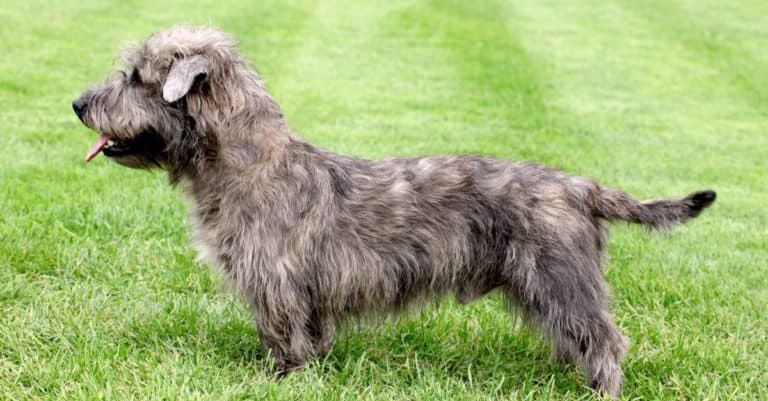
  • Small-to-medium, sturdy 'big dog in a small body' silhouette: long body, strong forequarters, broad chest, and noticeably bowed/turned-out front legs adapted for digging and farm work.
  • Large, broad head with strong muzzle and pronounced stop; expressive eyebrows and beard/furnishings typical of rough-coated terriers.
  • Ears typically small-to-medium and carried half-prick/rose; tail historically docked in some regions (where legal), otherwise natural and sturdy.
  • Working terrier history: bred for vermin control and farm utility; tends to be determined, strong-jawed, and tough for its size.
  • Breed health problems: hip dysplasia; patellar luxation; inherited eye disease (cone-rod dystrophy/PRA variants); skin and ear problems from coat/ear care; extra weight can stress joints in this low, heavy dog.
  • Needs regular brushing and occasional hand-stripping or careful trimming to keep the harsh coat; keep face hair clean and dry, clean ears, watch nails (short legs hide overgrowth), daily exercise, digging play, strict weight control.
  • Temperament/handling note (appearance-adjacent): confident, independent terrier; early socialization and reward-based training help prevent over-arousal and encourage good leash manners.

Sexual Dimorphism

Sexual dimorphism is present but moderate: males are typically slightly larger and more heavily built with broader heads and thicker necks; females are usually a bit lighter and more refined while retaining the same short-legged, sturdy proportions.

♂
  • Slightly greater height and weight on average; more substantial bone.
  • Broader skull and heavier muzzle; thicker neck and forequarters.
  • Often carries a more pronounced 'rugged' outline due to heavier musculature.
♀
  • Slightly smaller, lighter frame; more refined head and neck.
  • Same low-slung proportions but typically less mass through the chest/shoulders.
  • Coat and furnishings comparable, though overall outline may appear neater due to reduced bulk.

Did You Know?

Nicknamed the "silent" terrier-often less yappy than many other terrier breeds.

Developed in the remote Glen of Imaal (County Wicklow), where isolation helped fix its distinct type.

Built low to the ground with powerful forequarters-useful for working into burrows after quarry.

One of four native Irish terrier breeds (with Irish Terrier, Kerry Blue Terrier, and Soft Coated Wheaten Terrier).

Has a weather-resistant double coat that can be kept tidy with hand-stripping or careful grooming.

Despite its rugged look, it's typically steady and people-oriented at home when well exercised and trained.

A known breed health focus is inherited progressive retinal atrophy (cone-rod dystrophy/crd3), for which DNA testing is used.

Unique Adaptations

  • Short legs + heavy bone: a low center of gravity for stability and leverage-distinct from the taller, longer-legged ancestral gray wolf form.
  • Powerful forequarters and flexible body: suited to farm work and going to ground, rather than long-distance cursorial running typical of wild canids.
  • Harsh, protective outer coat with a softer undercoat: helps shed dirt and resist damp Irish weather on working days.
  • "Work all day, settle at home" temperament: selected more for practical farm utility than for constant high arousal often seen in some terriers.
  • Domestic-dog sociability: compared with the gray wolf, Glens are adapted to close human partnership and household routines.

Interesting Behaviors

  • "Earth-dog" style investigating: persistent sniffing, digging, and squeezing into tight spots-classic terrier problem-solving.
  • Prey-drive bursts: sudden, focused pursuit of small moving animals; best managed with leashes/fenced areas.
  • Independent decision-making: will test boundaries and benefit from short, consistent training sessions.
  • Less vocal watchfulness: may alert without constant barking compared with many terriers.
  • Tough play style: likes wrestling/tug; benefits from clear rules and calm interruptions to prevent over-arousal.
  • Terrier tenacity: once engaged (toy, scent, task), tends to stick with it longer than many companion breeds.

Cultural Significance

The Glen of Imaal Terrier (Canis lupus familiaris) is an Irish working terrier from County Wicklow. Once a local dog that became a breed, it worked on farms catching pests and now stands for Ireland's hardy working terrier tradition, not for fancy show dogs.

Myths & Legends

Wicklow oral tradition often emphasizes the Glen's "quiet toughness," portraying it as the terrier that worked without needless noise-an admired trait in farmhouse and hunting lore.

Stories say foreign dogs, tied to shipwrecks or passing soldiers, mixed with local terriers and helped make the Glen of Imaal Terrier (Canis lupus familiaris) look different from other terriers.

Glen of Imaal Terrier (Canis lupus familiaris) are small, strong dogs linked by old stories to 'turnspit' or wheel dogs—said to run in a kitchen wheel to turn meat—part of their working-dog folklore.

Local-style farm stories celebrate the Glen as a "do-everything" dog-ratting by day, guarding the yard by night, and sharing the hearth after-an archetype of the Irish farmhouse companion-worker.

Conservation Status

NE Not Evaluated

Has not yet been evaluated against the criteria.

Population Stable

Life Cycle

Birth 4 pups
Lifespan 5 years

Lifespan

In the Wild
2–10 years
In Captivity
10–16 years

Reproduction

Mating System Polygyny
Social Structure Managed Domestic
Breeding Pattern Serial
Fertilization Managed Selective
Birth Type Managed_selective

Glen of Imaal Terrier (Canis lupus familiaris): Breeding is managed and in practice polygynous—one stud may sire many females. Matings are planned and change over time; males do not rear pups. Breeders wait for maturity and use health testing.

Behavior & Ecology

Social Pack Group: 3
Activity Diurnal, Crepuscular, Cathemeral
Diet Omnivore Meat-forward foods (especially rabbit, poultry, or beef-based diets/treats)

Temperament

Bold, determined terrier temperament with strong vermin-chase/dispatch instincts (more intense prey drive than many companion-bred dogs)
Notably quieter and less "yappy" than many terrier breeds; tends to use voice selectively
Affectionate and loyal with family; can be reserved with strangers and benefits from early, positive social exposure
Independent problem-solver; responds best to consistent, reward-based training with firm boundaries (can ignore repetition)
Sturdy, game worker in a small-to-medium body; will overexert if allowed-owners often need to manage intensity
Can be dog-selective; early socialization and calm handling reduce reactivity, but some individuals prefer a small stable circle
Care requirement: daily exercise plus mental work (scent games, tracking, structured play); boredom commonly presents as digging or persistent investigating
Care requirement: coat is low-shedding/wiry; routine brushing and periodic hand-stripping or careful clipping helps prevent matting and skin irritation
Health concern (breed-relevant): orthopedic risk including hip dysplasia; weight management and appropriate conditioning are important
Health concern (breed-relevant): eye disease risk reported in the breed population (e.g., progressive retinal atrophy); regular veterinary eye screening is prudent

Communication

low, assertive bark used as an alert or to challenge Often less frequent than in many terriers
short "woofs" during play or to solicit attention
growls/snorts during rough-and-tumble play or boundary setting
whines/soft grumbles when anticipating food, outings, or reunion
strong use of body posture: squared stance, forward weight shift, and direct eye contact when confident/challenging
tail/ear carriage and stillness used to signal intent Typical canine signaling; may escalate quickly if ignored due to terrier decisiveness
scent investigation and scent marking (urine/fecal) typical of domestic dogs; frequent ground-level sniffing aligns with vermin-hunting heritage
pawing/nudging to initiate interaction; leaning into trusted people for affiliative contact
digging and intense focused staring/"freezing" as nonvocal hunting/alert behaviors-common working-terrier communication of arousal and target fixation

Habitat

Biomes:
Temperate Forest Temperate Grassland Boreal Forest (Taiga) Tundra Alpine Mediterranean Desert Hot Desert Cold Wetland Marine Savanna Tropical Dry Forest Tropical Rainforest +7
Terrain:
Hilly Valley Plains Island
Elevation: Up to 16404 ft 3 in

Ecological Role

Domestic commensal mesopredator and human-directed pest-control terrier

Rodent and small vermin suppression around farms/homes (historical working role) Deters some nuisance wildlife through presence and scent marking Companion animal role that concentrates predation under human management (leash/containment reduces wildlife impacts)

Diet Details

Main Prey:
Rat Mouse Field vole Rabbit Shrew Mole Small ground-nesting birds Invertebrates +2
Other Foods:
Cooked grains and starches Vegetables Fruits Fiber sources

Human Interaction

Domestication Status

Domesticated

The Glen of Imaal Terrier (Canis lupus familiaris) is an Irish working terrier from County Wicklow, bred for farm and vermin work (rats, foxes, badgers). Sturdy, low, and independent, it is loyal but can be stubborn and reserved. Watch for eye disease (PRA), hip problems, and skin/ear issues. Needs exercise, training, and coat care.

Danger Level

Low
  • Bite risk typical of domestic dogs, increased if mishandled, cornered, in pain, or poorly socialized (especially around resource guarding).
  • Terrier prey drive may lead to chasing/rough play; supervision is advised with small children to prevent accidental nips during high arousal.
  • Potential for dog-to-dog conflict in some individuals; injuries to intervening humans can occur if breaking up fights.
  • Low overall public-safety risk compared with large guarding breeds; serious injury is uncommon but possible with any dog.

As a Pet

Suitable as Pet

Legality: Glen of Imaal Terrier (Canis lupus familiaris) is usually legal where dogs are allowed and rarely targeted by breed bans. Owners must follow local rules: license, vaccines, leash, noise, housing. Travel may need microchip, rabies shot, waiting periods.

Care Level: Moderate

Purchase Cost: $1,200 - $3,000
Lifetime Cost: $18,000 - $45,000

Economic Value

Uses:
Companion animal/pet keeping Working terrier (pest/varmint control) Conformation showing and sport events Breeding (rare-breed programs, stud services) Pet services economy (training, grooming, boarding) Veterinary care and genetic testing
Products:
  • puppies from registered breeders; adoption via breed rescue
  • stud services and controlled breeding programs (often with DNA/health screening)
  • grooming services (hand-stripping/coat maintenance) and grooming tools
  • training classes (obedience, canine good citizen, terrier-focused behavior work)
  • participation fees and related spending for shows/trials (AKC/FCI/IKC-style events)
  • veterinary services including orthopedic screening and ophthalmology/DNA tests

Relationships

Quick Take

  • Normal puppy development requires a total 12-month ban on climbing and hard-surface exercise.
  • Including legumes or peas in the diet is directly linked to heart failure risks.
  • This Irish breed is surprising for terriers because it hunts its prey in total silence.
  • Completing hand stripping at least 3 times annually is mandatory to stop lower-layer dominance.

The Glen of Imaal Terrier is a tough but fun-loving dog, built for the rough terrain of the Irish valley that bears its name. Growing up in the hills of Wicklow County, south of Dublin, this dog was bred as a badger hunter, general farm dog, and companion. But unlike many other terriers, its instinct is to pursue the prey silently instead of alerting its owner with loud barks. It was first recognized by the American Kennel Club in 2004.

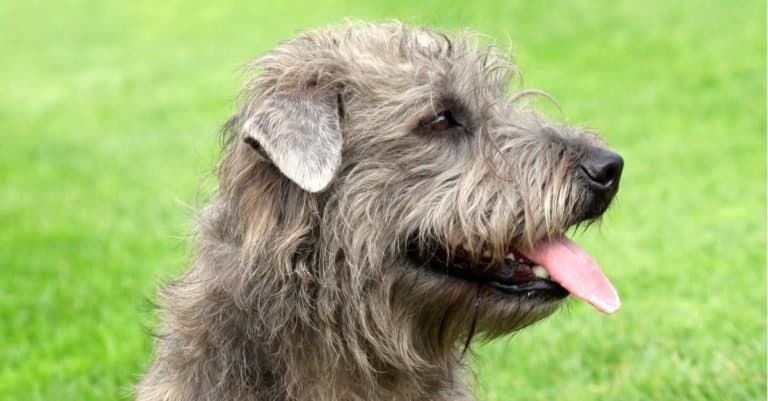
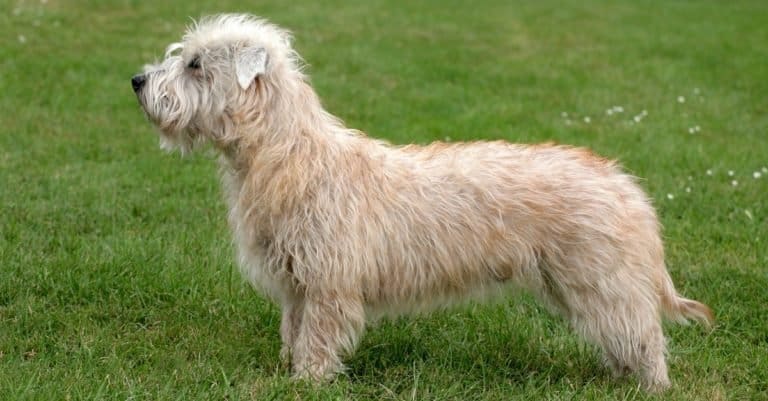
A broad head, short legs, and downturned ears characterize the Glen of Imaal. The water-resistant double coat consists of a rough outer layer and a soft lower layer with longer furnishings around the neck, ears, legs, and stomach. There are two main coat colors: blue brindle and a yellowish wheaten. Other coat colors (like blue and tan) are rarer and not favored by some breeders.

An informative infographic titled 'Glen of Imaal Terrier: The Silent Irish Hunter' detailing the breed's physical traits, health risks, and unique care requirements.
From fatal diet risks to a mandatory 12-month ban on climbing, this rare Irish breed requires a specialized touch to survive and thrive. © A-Z Animals

3 Pros and Cons of Owning a Glen of Imaal Terrier

ProsCons
Gentle and Kind
The Glen of Imaal is an excellent choice for a close friend and family dog.
Strong Prey Drive
This dog loves to chase after smaller animals.
Spirited and Fun-Loving
This breed loves to have fun with its owner.
Wanderlust
The Glen of Imaal has a tendency to explore its surroundings and may try to escape its yard.
Hard-Working
Once given a task, this dog will continue until it is completed.
Needs Frequent Activity
This breed can become bored easily unless given something to do.
Typical Irish Glen of Imaal Terrier in the spring garden

Typical Irish Glen Terrier in the spring garden.

Glen of Imaal Terrier Size and Weight

The Glen of Imaal Terrier is a small dog, low to the ground, with short legs and a muscular frame. Males weigh slightly more than females.

Height (Male)12 to 14 inches
Height (Female)12 to 14 inches
Weight (Male)35 to 40 pounds
Weight (Female)32 to 35 pounds

Common Health Issues

The Glen of Imaal is a fairly healthy breed with a life expectancy of 10 to 15 years. Some of its more common health problems include allergies, cataracts, progressive retinal atrophy, heart disease, cancer (the leading cause of death for older dogs), a loose kneecap that slips out of place, and hip and elbow dysplasia (a genetic developmental disorder that causes arthritis and lameness).

Another potential problem is Cushing’s disease, which causes the body to produce an excess of steroid hormones; common signs are increased appetite, sluggishness, hair loss, thin skin, and excess drinking and urination. A good breeder should ideally try to minimize or eliminate most genetic disorders, but there will always be health risks with any breed of dog.

Temperament

The Glen of Imaal has many of the personality traits of a typical terrier: it’s spirited, adventurous, brave, friendly, and hard-working, which should make it an excellent companion. This breed also has a very strong prey drive and may not be suitable in homes with other small animals. But unlike many terriers, the Glen of Imaal doesn’t have the constant, never-ending motor; it is less excitable and knows how to calm down. The breed still needs a lot of mental and physical stimulation, however, or else it might resort to some destructive and unwanted behavior such as chewing and barking.

How to Take Care of the Glen of Imaal Terrier

The Glen of Imaal is by no means an easy dog to care for. Its grooming, training, and exercise habits all require an engaged owner. But because of its more docile temperament, the breed might be a good choice for novice terrier owners who have little experience with this type. As with any other breed of dog, it is best to only work with high-quality breeders who adhere to strict health and maintenance standards. This should ensure the best possible start for your dog. Unfortunately, if you plan to adopt from a rescue shelter, it might be very difficult to find this dog in your area. There are very few rescue groups that specialize in the Glen of Imaal. Regardless, after it comes home, the dog will need a thorough physical examination at the vet and regular checkups after that.
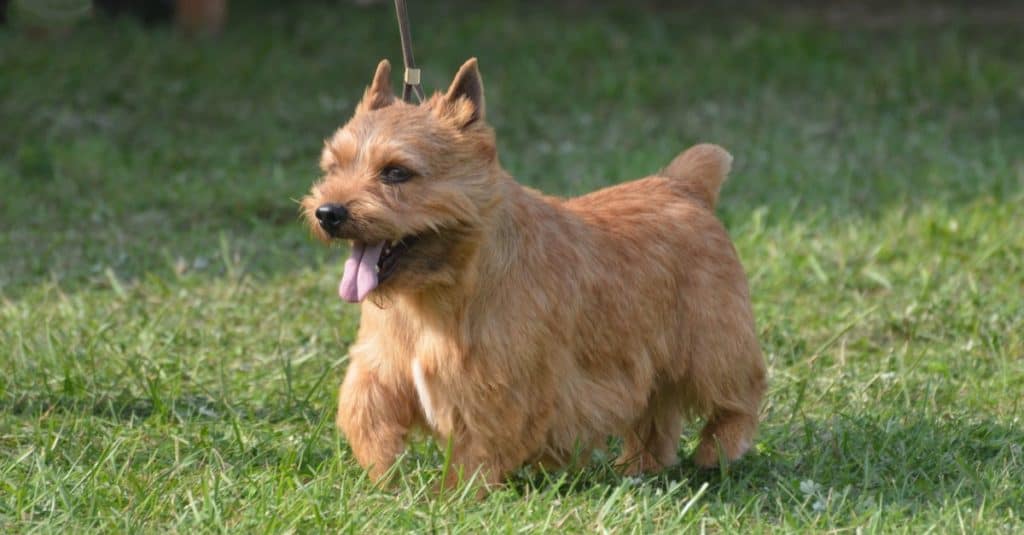
Cute Glen of Imaal terrier with his tongue sticking out.

The Glen of Imaal has a docile temperament, making it easy for novice owners to handle the dog.

The Best Dog Food

The Glen of Imaal will need about 1.5 cups of high-quality dog food per day. The exact amount will vary with the dog’s age, size, and activity level. This breed does have a tendency to gain weight, so you should not leave out food for it to eat after each meal.

Glen of Imaal Terriers commonly suffer from allergies, so it’s a relief that there are so many limited-ingredient and allergy-control dog foods available. Also, avoid feeding your dog anything containing legumes, as lentils and peas have been linked to heart failure in dogs, and this breed has a higher risk for heart disease.

Maintenance and Grooming

The Glen of Imaal requires weekly brushes to prevent matting. It also needs to be hand stripped two or three times per year. Hand stripping is a method of removing the top layer of the coat from the roots by hand. Owners practice this with wire coat terriers to maintain the consistency of the entire fur. Otherwise, if the top layer of fur is clipped, the soft lower layer of the coat might dominate. If you plan to groom this dog yourself, then it might be a good idea to invest in a grooming table. Otherwise, you should take the dog to a professional groomer who has experience with terriers. This will keep the dog looking great and also minimize any tendency for shedding. In addition to these regular grooming habits, owners should also check the ears weekly, brush the teeth once or twice a week, and trim the nails whenever they grow long.

Training

The Glen of Imaal is an intelligent, trainable breed with a strong drive and can-do spirit. But because of its independent mind and tendency to become bored easily, owners should break up training into smaller sessions, maybe five or 10 minutes long, or whenever its attention starts to wander. Keep the training varied and interesting to avoid repetition. This breed is capable of learning a wide variety of commands. In fact, it’s one of the few breeds that can learn to sit on its hind legs. This has earned the trick its own nickname: the Glen sit.

Exercise

The Glen of Imaal needs about 30 to 60 minutes of exercise per day. It enjoys long walks, runs, fetching, and playtime. Many owners may like the fact that this breed does not have endless reserves of energy. It should settle down and become docile after a bit of exercise. Nevertheless, this breed is well-suited for some athletic competitions. Earthdog trials are specialized for terriers and other vermin hunters because they simulate the way that the dog would naturally pursue its prey through underground dens.

Puppies

Glen of Imaal puppies are sensitive little dogs that need to be slowly introduced to physical activities. It takes about nine to 12 months to develop the full growth plates in their legs. Before then, your dog should be prevented from running, climbing, and exercising on hard surfaces. Early socialization and obedience training are important aspects of its psychological development. Puppy training classes are recommended but not necessary. If you have the time and patience, it’s possible to do it yourself.

Glen of Imaal Terriers and Children

The Glen of Imaal should be a friendly and fun companion for most kids, but there is always the possibility that young children may not tolerate and enjoy the dog’s high-energy motor and tendency to play roughly.

Dogs Similar to the Glen of Imaal Terriers

The Glen of Imaal is similar to several breeds of British terriers.

  • Irish Terrier: Sporting a fiery red coat, the Irish Terrier is a bold, exuberant, energetic, and friendly companion. It was originally bred as a watchdog and vermin hunter. In World War I, it was even used as a messenger near the front lines.
  • Kerry Blue Terrier: This hard-working farm dog hails from Kerry County in the southwest of Ireland. The most prominent characteristic is the wiry coat of fur that comes in various shades of blue, from light gray to deep blue.
  • Scottish Terrier: Originally developed to hunt foxes, badgers, and vermin in the rugged highlands, the Scottish Terrier has a big, confident personality that many owners find fun and endearing. The coat color comes in black, yellowish wheaten, and a striped brindle pattern.

View all 261 animals that start with G

Sources

  1. American Kennel Club / Accessed March 30, 2021
  2. American Kennel Club / Accessed March 30, 2021
  3. Aubrey Animal Medical Center / Accessed March 30, 2021
A-Z Animals Staff

About the Author

A-Z Animals Staff

AZ Animals is a growing team of animals experts, researchers, farmers, conservationists, writers, editors, and -- of course -- pet owners who have come together to help you better understand the animal kingdom and how we interact.
Connect:

Thank you for reading! Have some feedback for us?


Glen Of Imaal Terrier FAQs (Frequently Asked Questions)

The Glen of Imaal is a small, short-legged dog, originating from Wicklow County, Ireland, with a muscular, athletic frame and a wiry coat. Many owners are attracted to its brave, lively, affectionate, and hard-working personality. It can even be taught to sit on its hind legs.