
Quick Take
- Every Hogfish starts life as one sex, and whether that ever changes is decided by the social hierarchy. Explore sex change behavior →
- Hogfish communicate without making a sound, and the method they use also doubles as a survival tool. See how color communication works →
- Hogfish are a prized catch, but one common cooking mistake ruins what makes them a delicacy. Avoid the cooking mistake →
- Coral reefs depend on Hogfish more than most divers realize, and what follows is a look at the role they quietly play. Discover their reef role →
The Hogfish is a species of wrasse fish found in the Atlantic Ocean and the Gulf of Mexico. It has a distinctive pig-like snout and is known for its delicious taste and firm flesh, making it a popular choice for seafood lovers. This attractive fish can weigh up to 24 pounds and reach a maximum length of 36 inches. It is also a popular sport fish, with anglers targeting them for their strong fighting ability and vibrant colors. However, not only are Hogfish found in shallow waters near coral reefs, but they also make beautiful-looking pets in saltwater aquariums.

4 Hogfish Facts
- Hogfish can change their sex from female to male. The largest and most dominant female in a group will usually change her sex to become male.
- Hogfish are known to change color in response to different stimuli, such as aggression, courtship, or stress.
- They use their protruding jaw to find prey in the sand and coral.
- This fish is vital to coral reef ecosystems because Hogfish keep the reef healthy.
Classification and Scientific Name
This species of fish belongs to the wrasse family known as Labridae. It is classified as a ray-finned fish, specifically within the order Actinopterygii. Therefore, its scientific name is Lachnolaimus maximus.
The term Lachnolaimus maximus is derived from the Greek words lachne, meaning wool, and laimos, meaning throat, referring to the hairy throat some species of wrasse possess. The specific epithet maximus means ‘greatest’ or ‘largest’ and refers to the fact that the Hogfish is one of the largest species in the wrasse family.
Hogfish are native to the western Atlantic Ocean, including the Gulf of Mexico, Caribbean Sea, and from North Carolina to Brazil.
Appearance
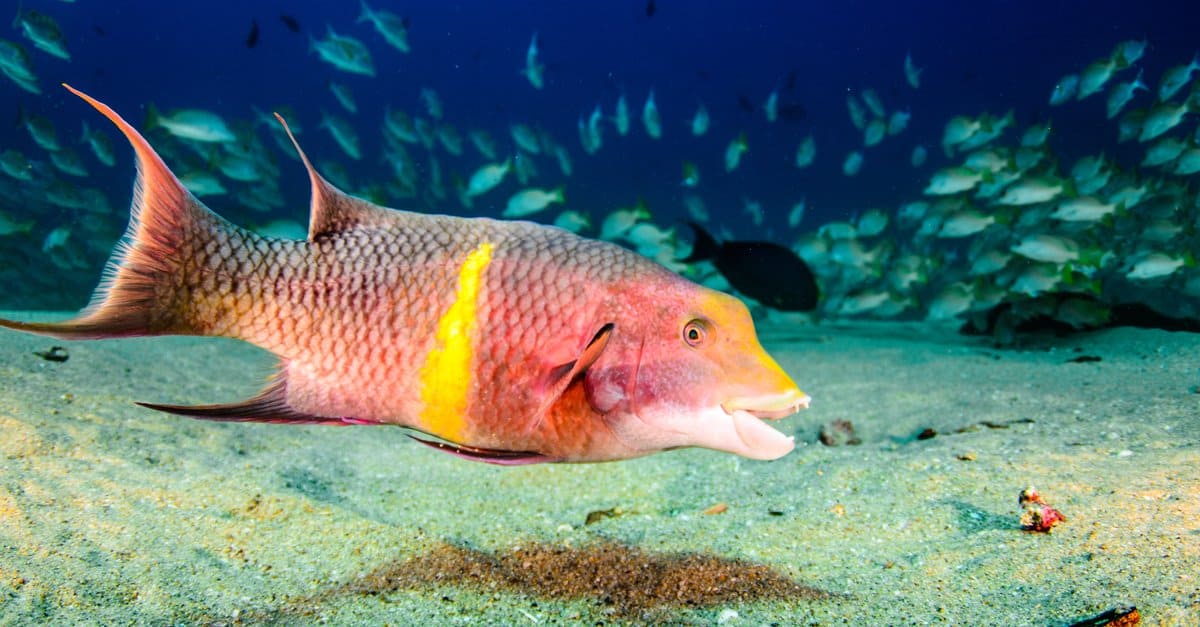
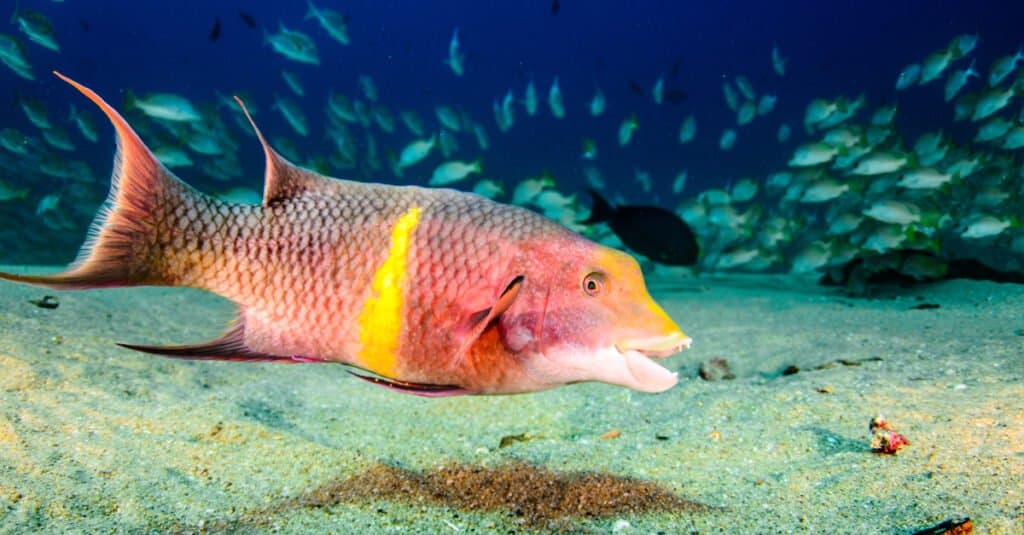
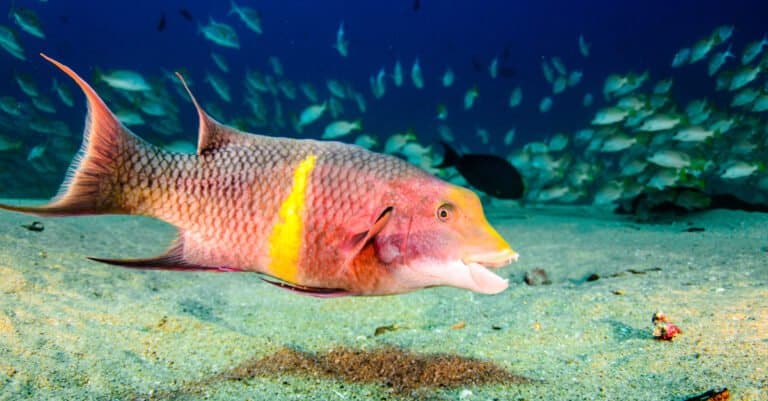
Hogfish have a distinctive appearance that makes them easily recognizable. They have a long, laterally compressed body that is similar in shape to snapper or grouper fish. Their body color varies from reddish-pink to yellow, with white and yellow fins. Their most notable feature is their large, protruding lower jaw, which gives it a characteristic “hog-like” appearance.
Hogfish also have large, expressive eyes and a dorsal fin that runs the length of their body. They can grow up to 2 feet in length, with males being larger than females. Hogfish are known for their ability to change color, which they use to communicate with other Hogfish or to blend in with their surroundings.
Distribution, Population, and Habitat
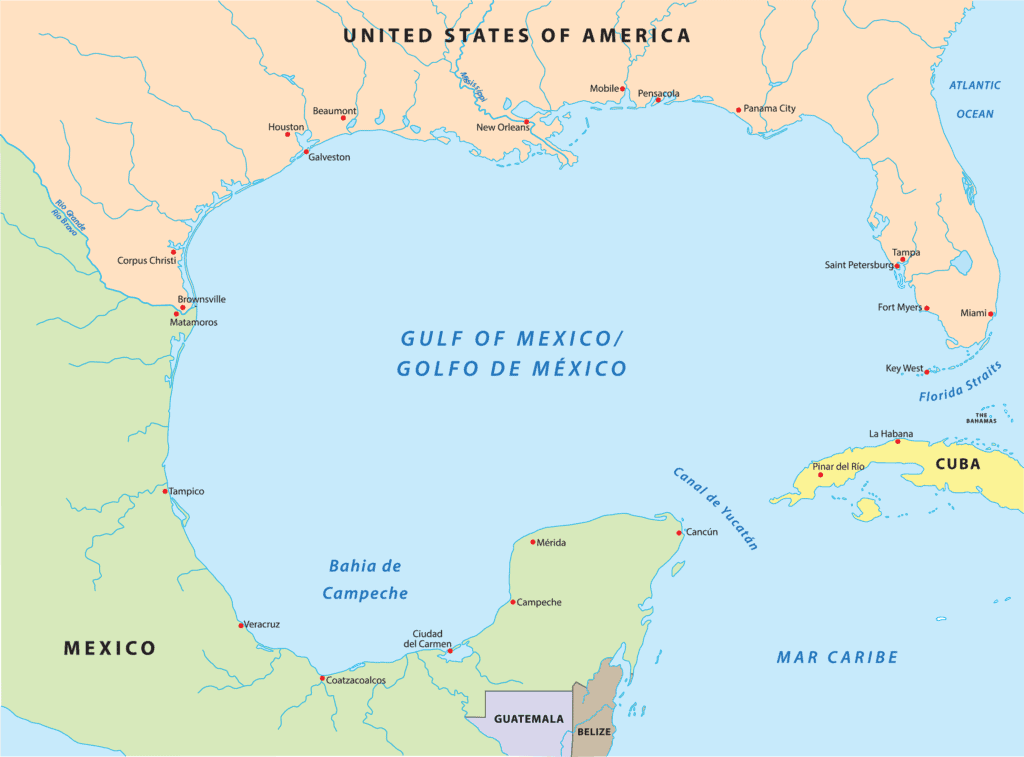
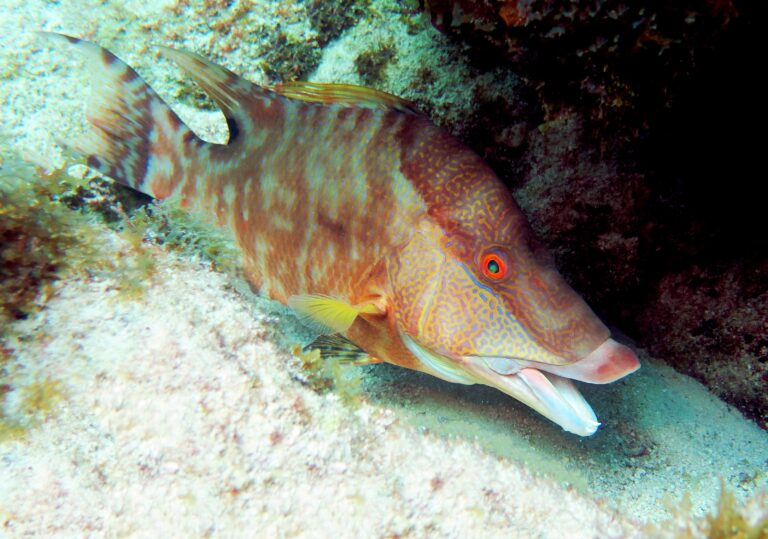
These fish have a broad distribution, including the Gulf of Mexico.
©Rainer Lesniewski/Shutterstock.com
These fish have a broad distribution ranging from North Carolina to the coast of Brazil, including the Bahamas, Bermuda, and the Gulf of Mexico. The population of this fish species is considered stable due to fishing limitations and fishermen being monitored by the Wildlife Conservation Commission. All these regulations protect these unique fish from overfishing.
Hogfish are bottom-dwelling fish found near coral reefs and deeper waters at depths of 10 to 100 feet. Because they don’t migrate, they typically stay in the same location all year round.
Predators and Prey
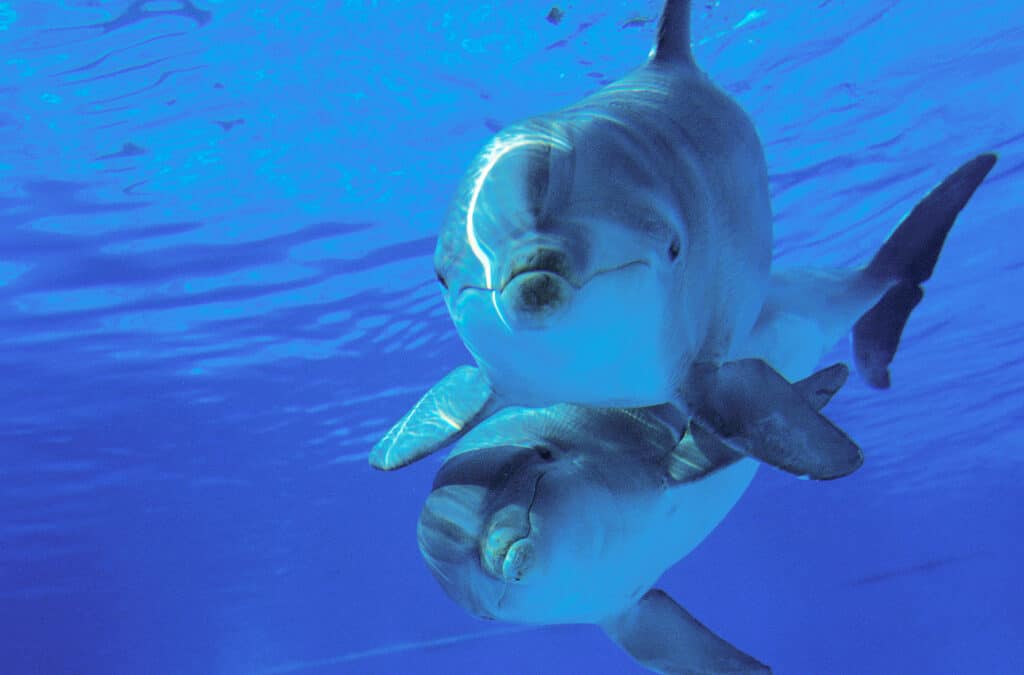
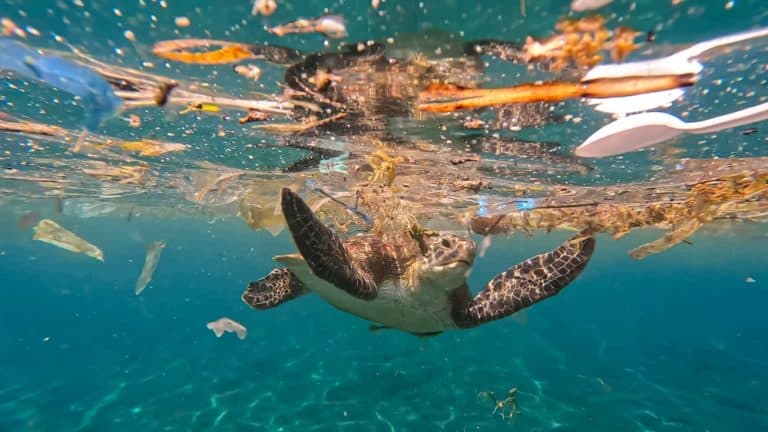
Hogfish are preyed upon by a variety of larger fish and marine mammals, such as dolphins.
©slowmotiongli/Shutterstock.com
Hogfish are preyed upon by a variety of larger fish and marine mammals. Their natural predators include larger predatory fish such as barracuda, groupers, and jacks, as well as marine mammals such as dolphins. Juveniles are particularly vulnerable and are often preyed upon by smaller fish and invertebrates.
To avoid predation, they will often take refuge in crevices in the reef or bury themselves in the sand, using their ability to change color to blend in with their surroundings. In some cases, Hogfish may also form schools with other fish species for protection from predators.
These predatory fish have been observed to consume a range of prey, such as shrimp, crabs, squid, and other small fish. Hogfish search for food in coral and sand using their sharp, protruding lower jaw. Hogfish have varied diets depending on their size and age, but they are generally considered opportunistic feeders that exploit any available food sources in their environment.
Reproduction and Lifespan
Hogfish reproduce by external fertilization, and when they are ready to spawn, the males and females gather in big groups. During the breeding season, the male frequently establishes and protects a territory, luring females to deposit their eggs, which the male then fertilizes.
The fertilized eggs develop into larvae that float near the ocean’s surface before settling and maturing into adults. However, before developing into juvenile fish, this species is unique because all individuals hatch as females but can later transform into males. In addition, they can have a long lifespan of approximately 11 years.
Fishing and Cooking
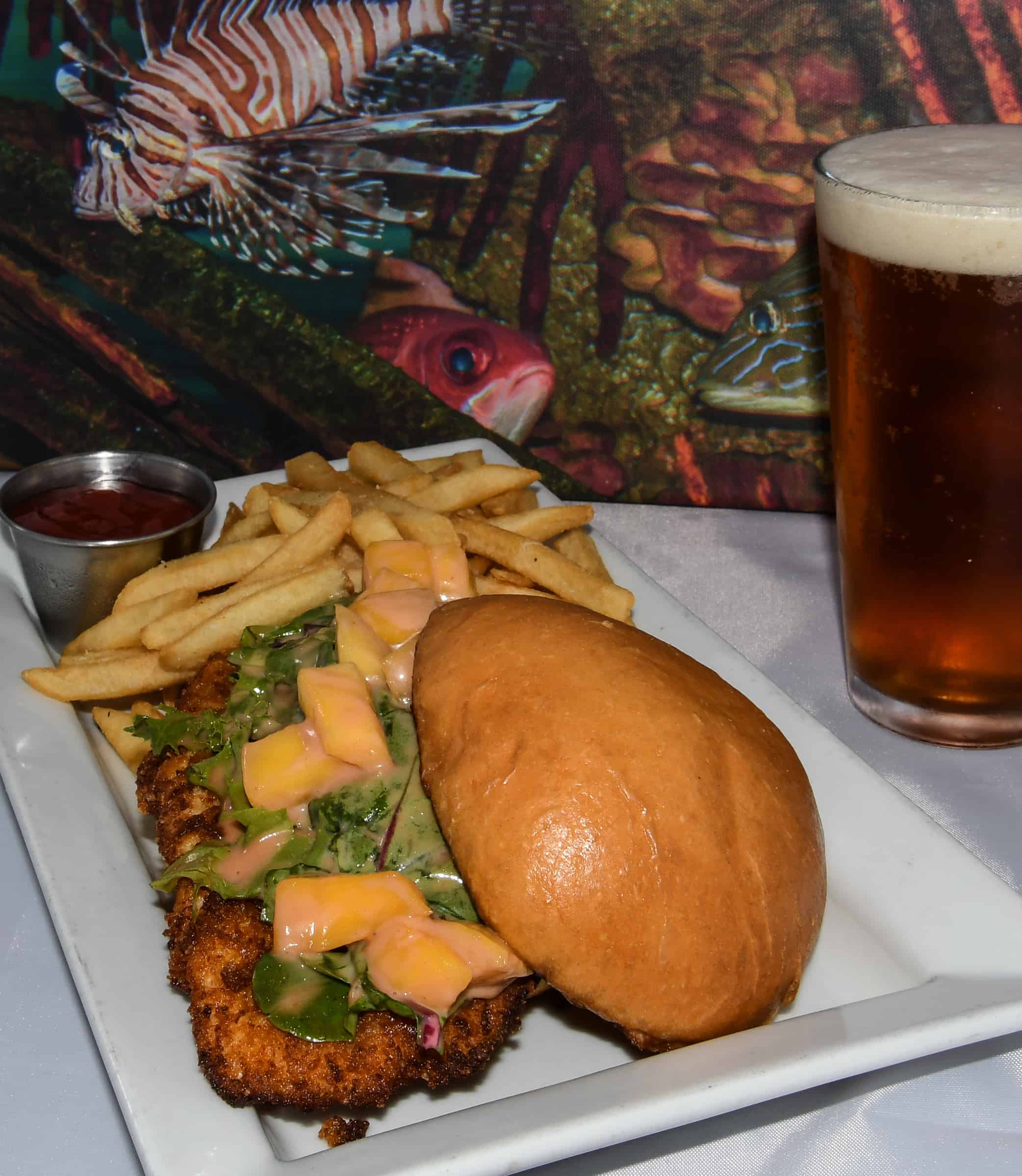
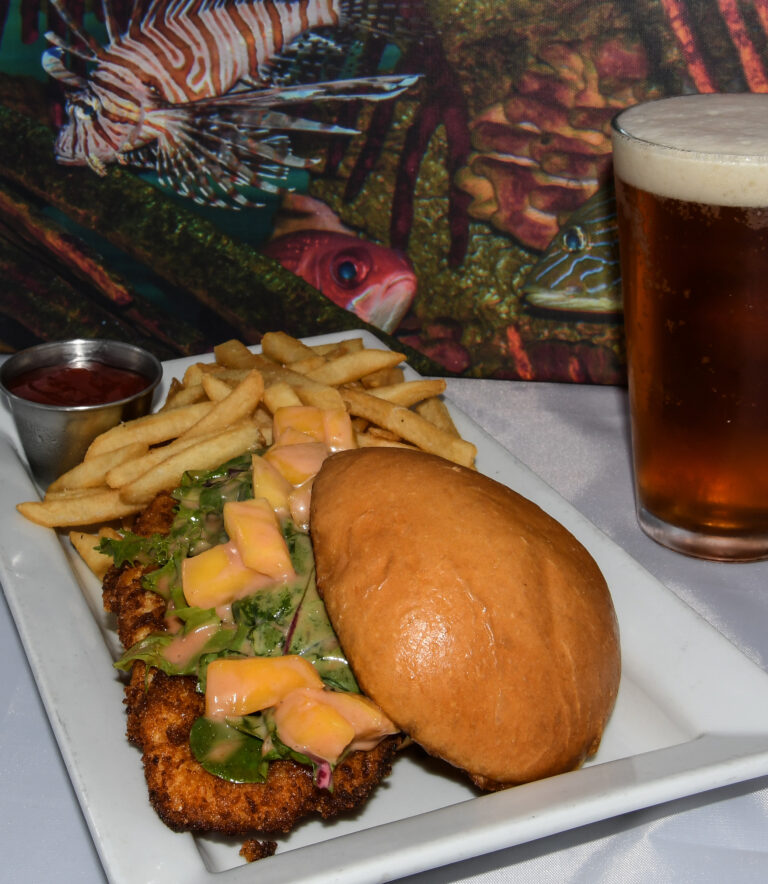
A Hogfish is prized for its delicate, sweet taste and tender, flaky flesh, which makes it a delicacy.
©Sandi Cullfier/Shutterstock.com
Due to its popularity as a game fish, commercial and recreational fishermen greatly value Hogfish. The most widely used method for catching this species is bottom fishing. Bottom fishing involves casting a weighted line equipped with a hook and bait to the ocean floor. Other methods include using a spear gun or chumming the water with a mixture of fish byproducts and capturing the fish using a net. The success of these techniques depends on the angler’s skill level and water conditions.
It is prized for its delicate, sweet taste and tender, flaky flesh, which make it a delicacy. There are numerous methods to prepare this fish, which include grilling, sautéing, broiling, and baking. It should not be overcooked, as this can make the flesh tough. Hogfish pairs well with a variety of dishes, including tacos, ceviche, and linguine. In addition, it is important to cook the fish to an internal temperature of 145°F to eliminate any potential foodborne pathogens.
Hogfish Pictures
View all of our Hogfish pictures in the gallery.

Leonardo Gonzalez/Shutterstock.com
Sources
- University of Florida / Accessed February 22, 2023
- Gulf hogfish / Accessed February 22, 2023
- Fishbase / Accessed February 22, 2023