N S W E
Wildlife Expeditions

Wildlife of
Bouvet Island

Bouvet Island is wildlife notable as one of the planet's most remote subantarctic outposts, where hardy seabirds and seals breed on narrow ice-free fringes amid glaciers, storms, and an almost untouched Southern Ocean seascape.
2 Species
49 km² Land Area
Overview

About Bouvet Island

Bouvet Island (Norwegian dependent territory) is an uninhabited, volcanic subantarctic island in the South Atlantic where wildlife is defined by extremes: heavy glaciation, fierce winds, and a short, highly seasonal burst of biological activity. With no permanent human settlement and very limited access, its natural heritage remains close to pristine, offering a rare glimpse of Southern Ocean ecosystems functioning with minimal direct disturbance. The wildlife experience here is less about terrestrial diversity and more about dense coastal breeding concentrations-seabirds and seals exploiting the few ice-free shorelines and cliffs for nesting, hauling out, and rearing young.

The island's key ecosystems are marine-driven. Nutrient-rich waters of the Southern Ocean support food webs that draw seabirds to breed and forage and allow pinnipeds to thrive in the harsh polar-maritime environment. On land, habitat is constrained: most of Bouvet is glacier-covered, so life clusters where rock, scree, and small coastal terraces are exposed, with hardy mosses, lichens, and microbial communities underpinning sparse terrestrial productivity. These limited "oases" are ecologically significant because they concentrate breeding sites, making colonies both spectacular and sensitive to disturbance.

In global conservation terms, Bouvet Island's value lies in its remoteness and its role as a reference point for subantarctic biodiversity and climate-linked change-glacier dynamics, shifting sea-ice conditions, and Southern Ocean ecosystem variability. While it is not part of Africa, it is a key node in the broader southern Atlantic/subantarctic conservation picture, highlighting the importance of protecting intact marine systems and minimizing the risk of invasive species introductions. For wildlife enthusiasts, what makes Bouvet unique is the sense of true wilderness: any encounter-typically via ship-based viewing-centers on raw, high-latitude spectacle, with breeding seabirds wheeling above black volcanic rock, seals resting at the edge of ice, and an overwhelming backdrop of glacier and sea.

Physical Features

Geography

Bouvet Island's extreme isolation, near-total ice cover, and steep volcanic topography concentrate nearly all terrestrial wildlife use into small, ice-free coastal fringes. Habitat availability is driven by glacier extent, cliff-and-scree nesting sites, and limited beach/rock platforms for seal haul-outs, while the surrounding cold, highly productive Southern Ocean waters largely determine seabird and seal distribution via access to feeding grounds, currents, and sea-ice conditions.

49 km² Land Area
One of the world's smallest territories; about the size of Manhattan (slightly smaller) Size Rank

Key Landscapes

  • Glacier-dominated volcanic island (most land under permanent ice/snow), limiting terrestrial habitats to small ice-free patches
  • Steep coastal cliffs and rocky headlands that provide ledges and shelter for seabird nesting colonies
  • Narrow, ice-free coastal terraces and beaches used as seal haul-out and breeding sites when accessible
  • Exposed basaltic rock, scree slopes, and sparse moss/lichen areas where meltwater and wind exposure allow minimal vegetation
  • Nearshore waters and shelf/upper-slope zone around the island-critical feeding habitat shaped by Southern Ocean currents, storms, and seasonal sea-ice
  • No rivers/forests/lowland plains; freshwater is mainly meltwater and ephemeral pools, further constraining land-based habitat diversity

Ecoregions

  • Subantarctic tundra / polar-maritime terrestrial zone (often mapped in WWF as a South Atlantic subantarctic islands tundra-type ecoregion for remote oceanic islands)
  • Southern Ocean cold-temperate to polar marine realm (highly influential on wildlife via foraging habitat for seabirds and seals; not always listed as a single WWF terrestrial ecoregion)
Parks & Reserves

Protected Areas

Bouvet Island is a remote, uninhabited Norwegian dependent territory whose entire land area is managed primarily for strict nature protection. Rather than a multi-tiered network of national parks and community conservancies, Bouvet Island's protected-area system is essentially a single, island-wide nature reserve aimed at safeguarding subantarctic seabird breeding colonies, haul-out and breeding sites for seals, and the island's largely undisturbed polar-maritime ecosystems. Access is tightly controlled (permits required) due to the island's vulnerability and hazardous conditions (glaciers, surf, and rapidly changing weather).

Protected Coverage

~100% of Bouvet Island's land area is under formal protection as a nature reserve (the reserve covers the whole island; protection also extends to surrounding waters under Norwegian regulation).

Notable Parks & Reserves

Bouvet Island Nature Reserve (Bouvet Island Nature Reserve)

Nature Reserve (Norwegian protected area; island-wide strict protection)

The entire volcanic, glacier-dominated island is protected to conserve one of the world's most isolated seabird nesting sites and important seal haul-out and breeding areas. Its extreme remoteness and limited human presence make it a high-value reference site for monitoring subantarctic wildlife and environmental change.
Antarctic fur seal
Southern elephant seal
Macaroni penguin
Macaroni penguin
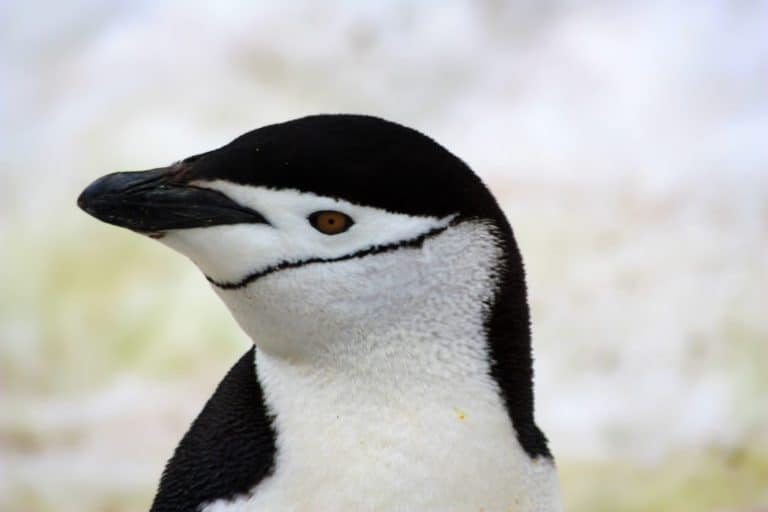
Chinstrap penguin
Chinstrap penguin
Southern giant petrel
Subantarctic skua

Nyroysa Coastal Plain (within Bouvet Island Nature Reserve)

Key wildlife site within a strict Nature Reserve (no separate legal designation)

Nyroysa is one of the few relatively accessible ice-free areas and is a focal point for wildlife landings, with dense concentrations of seals and nearby penguin activity. It is also a key site for scientific observations because it represents rare exposed ground in an otherwise glacier-covered island.

Antarctic fur seal
Southern elephant seal
Macaroni penguin
Macaroni penguin
Chinstrap penguin
Chinstrap penguin
Kelp gull
Subantarctic skua

Larsoya and adjacent coastal rocks (within Bouvet Island Nature Reserve)

Key wildlife site within a strict Nature Reserve (no separate legal designation)

These coastal outcrops provide crucial ice-free nesting and roosting habitat for seabirds and penguins, offering some of the most reliable breeding habitat on the island's rugged shoreline. The sites are important because suitable breeding space is scarce and highly sensitive to disturbance.

Macaroni penguin
Macaroni penguin
Chinstrap penguin
Chinstrap penguin
Southern giant petrel
Cape petrel
Subantarctic skua
Kelp gull

Cape Circoncision Cliffs and coastal slopes (within Bouvet Island Nature Reserve)

Feature within Bouvet Island Nature Reserve (strict nature reserve; no separate legal designation)

Steep cliffs and exposed coastal slopes provide predator-free nesting ledges for seabirds in one of the most isolated parts of the South Atlantic. The area supports breeding seabirds that depend on cliff and slope habitats within the island's strictly protected nature reserve.

Chinstrap penguin
Chinstrap penguin
Macaroni penguin
Macaroni penguin
Cape petrel
Southern giant petrel
Brown skua

Nearshore waters and haul-out beaches around Bouvet Island (within protected area management)

Protected under Bouvet Island Nature Reserve management (marine component under Norwegian regulation)

The cold, productive waters and narrow coastal margins are central to the island's marine food web, supporting foraging seabirds and seals. Seal haul-outs and transient feeding aggregations are most likely around the limited ice-free shoreline sections.

Antarctic fur seal
Southern elephant seal
Southern giant petrel
Cape petrel
Macaroni penguin
Macaroni penguin
Animals

Wildlife

Bouvet Island is an extremely remote, uninhabited, glacier-dominated volcanic island in the South Atlantic with a harsh subantarctic, polar-maritime climate. Terrestrial biodiversity is minimal (no native reptiles or amphibians; very limited ice-free ground), but the surrounding Southern Ocean supports rich marine productivity. The wildlife experience is defined by dense breeding/haul-out aggregations of seals and large seabird colonies (penguins and tubenoses such as petrels and prions) concentrated on the few accessible coastal areas and beaches.
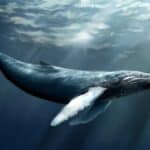
~10-15 (mostly seals onshore; additional whales/dolphins seasonally offshore) Mammals
~20-30 regularly recorded (a smaller subset breeds; dominated by seabirds and penguins) Birds
0 (none native) Reptiles
0 (none native) Amphibians

Iconic Species

Antarctic Fur Seal The most conspicuous pinniped on Bouvet, forming large breeding and haul-out concentrations on limited ice-free coasts. Their recovery from historic sealing makes them a defining sight/sound along accessible beaches.
Southern Elephant Seal Massive seals that use Bouvet's shores for resting and (seasonally) breeding/moulting. Large bulls and weaned pups are among the island's most dramatic wildlife encounters where landings are possible.
Macaroni Penguin
Macaroni Penguin A signature subantarctic penguin associated with major colonies on remote islands; Bouvet hosts notable breeding groups where rocky, ice-free ground exists, offering classic 'crested penguin' colony scenes.
Chinstrap Penguin
Chinstrap Penguin A colony-forming penguin of the Scotia Arc and nearby subantarctic waters; when present/breeding at Bouvet, it contributes to the island's compact but high-density penguin assemblages on accessible coastal slopes.
Southern Giant Petrel Large scavenging tubenose often seen patrolling colonies and beaches. Around Bouvet it is a top avian predator/scavenger and a key part of the seabird community near seal and penguin aggregations.
Cape Petrel (Cape Pigeon) A common, highly visible seabird in the Southern Ocean; frequently encountered around Bouvet's coastal waters, especially along productive fronts where it feeds and follows marine mammals/ice edges.
Antarctic Prion A small, abundant tubenose of subantarctic waters; represents the 'open-ocean' seabird element of Bouvet's ecosystem and is typically seen offshore in feeding flocks.
Snow Petrel An iconic high-latitude seabird associated with cold waters and ice. Bouvet's glaciated setting and surrounding cold-water habitats make it a characteristic species in the broader local seascape when conditions are suitable.
Killer Whale (Orca) A high-profile apex predator that can occur in waters around Bouvet, sometimes hunting seals and penguins. Sightings are unpredictable but represent the peak of the island's marine-mammal spectacle.
Humpback Whale
Humpback Whale Seasonal visitor in the broader South Atlantic/Southern Ocean region; whales may pass near Bouvet during migrations and feeding periods, adding to the island's offshore wildlife interest.

Notable Populations

  • No confirmed endemic or near-endemic vertebrate species; Bouvet's biodiversity is shaped by wide-ranging Southern Ocean seabirds and marine mammals rather than local endemism.
  • Regionally significant seal concentrations, especially Antarctic fur seals, are a defining feature of Bouvet's limited ice-free coastal habitat.
  • Seabird breeding occurs in dense colonies compressed into scarce suitable coastal terrain, making local aggregations ecologically important despite the island's small land area.
Protection

Conservation

Primary Threats

  • Warming and changing storm/sea-state regimes in the South Atlantic/subantarctic can alter glacier mass balance and the extent/timing of coastal ice-free habitat used by breeding seabirds and seals. Climate-driven shifts in ocean productivity and prey distribution (e.g., krill and small fish availability) can affect foraging success and breeding outcomes for seabirds and pinnipeds that depend on surrounding waters.
  • Marine debris (especially plastics and lost fishing gear) can reach Bouvet's shores via ocean currents despite its isolation, creating entanglement/ingestion risks for seals and seabirds. Long-range transported pollutants (persistent organic pollutants, mercury) can bioaccumulate in marine food webs supporting top predators. The island is also exposed to spill risk from passing vessels and distant fisheries operating in the broader Southern Ocean.
  • While Bouvet itself has no local fleet, industrial fishing in the wider region can reduce prey availability or disrupt food webs (e.g., competition for krill or impacts on fish species that seabirds depend on). Bycatch risk exists in regional longline/trawl fisheries for seabirds that range widely from the island.
  • The island's isolation and harsh conditions lower invasion probability, but any landing (research or logistical) creates a pathway for introducing non-native species (e.g., rodents, invertebrates, plant propagules, or microbes) via clothing, cargo, or equipment. Even small introductions could be significant because ice-free habitats are limited and native communities are relatively simple.
  • Human presence is rare but concentrated when it occurs (short research/logistical landings in constrained coastal access points). Disturbance can occur through trampling of sensitive ice-free ground, disturbance of nesting seabirds, or disruption of seal haul-outs, especially because suitable landing sites and wildlife concentrations overlap spatially.
Visit

Wildlife Tourism

Bouvet Island is one of the most remote places on Earth: an uninhabited Norwegian subantarctic volcanic island in the South Atlantic, heavily glacier-covered and surrounded by rough seas, cliffs, and pack ice. Wildlife tourism here is not a conventional sector-there is no infrastructure, no airstrip, no accommodation, and landings are often impossible. Economically, wildlife tourism has negligible direct importance for the island itself (no resident economy), but it can be meaningful for specialized polar-expedition operators and logistics providers that run rare 'Bouvet landfall' attempts as part of longer Antarctic/subantarctic voyages. Historically, visitation has been dominated by scientific expeditions and occasional maritime operations; any tourist access is expeditionary and weather-dependent, usually via ice-strengthened vessels capable of long ocean crossings. Practically, visitors should plan for a voyage where Bouvet is a highlight/attempt rather than a guaranteed stop, with strict wildlife-disturbance protocols and leave-no-trace landing practices.

Best Time to Visit
  • Seasonal access is constrained by Southern Hemisphere subantarctic conditions. The most realistic wildlife-viewing window is the austral summer (November-March), when seas and daylight are comparatively favorable and seabirds are in peak breeding cycles.
  • November: Early breeding season for many seabirds; increased colony activity (courtship, nest-building). Good time for observing colony establishment behavior from offshore.
  • December-January: Peak summer wildlife spectacle. Dense seabird colony activity (incubation/chick-rearing depending on species), frequent seal haul-outs, and best overall light/visibility for photography. Typically the best chance for any shore/Zodiac landing attempts if conditions allow.
  • February: Continued chick-rearing and fledging activity; often strong wildlife density around colonies. Still within the best practical weather window.
  • March: Late-season activity and more variable weather; wildlife still present but conditions often begin to deteriorate, reducing safe operating windows. Outside Nov-Mar, sea ice, storms, and darkness sharply reduce access and safe viewing opportunities.

Top Wildlife Experiences

  • Attempt a rare Bouvet landfall by Zodiac (only if conditions permit), with strict distance rules-experience the true edge-of-the-map feeling while observing seals and seabirds without disturbance.
  • Ship-based seabird colony viewing along the cliffs: cruise slowly offshore to watch dense nesting activity, aerial traffic, and feeding flights (bring long lenses and binoculars).
  • Shoreline/ice-edge seal watching from a Zodiac: approach haul-outs cautiously to observe resting behavior, interactions, and movement between water and shore/ice.
  • Wildlife photography sessions focused on polar-maritime behaviors: seabirds commuting to colonies, seals porpoising alongside Zodiacs, and dramatic "ice meets lava" landscapes as a backdrop.
  • Glacier-and-wildlife scenic cruising: circle the island to see glacier faces, seracs, and meltwater features while scanning for seabirds and marine mammals.
  • Pelagic wildlife days on the approach/departure: dedicate time to open-ocean watching for albatrosses, petrels, and other seabirds that often accompany ships in the Southern Ocean.
  • Responsible wildlife observation briefings and citizen-science-style logging: join onboard naturalists to record sightings (species, counts, behaviors) during watches, contributing to trip reports and broader awareness of remote ecosystems.
  • If sea state allows, coastal Zodiac cruising for habitat contrasts: observe wildlife using narrow ice-free fringes, boulder beaches, and cliff ledges-often where the most visible animal concentrations occur.
  • Weather-window "micro-adventures": be ready for rapid deployment when conditions shift-Bouvet rewards flexibility, and the most memorable encounters often happen during short, sudden openings.
  • Night/low-light (summer) photography from the ship: capture seabird flight silhouettes and the stark volcanic-glacial coastline under changing subantarctic skies.

Safari Types Available

  • Expedition cruise-based wildlife viewing (primary mode; Bouvet is typically one stop/attempt on a larger itinerary)
  • Boat/Zodiac safaris along the coastline (when sea and swell permit)
  • Shipboard "pelagic safari" seabirding on open-ocean crossings to/from Bouvet
  • Shore landing and short, controlled coastal walks (rare and highly condition-dependent; no facilities or trails)
  • Wildlife photography-focused expeditions (long-lens work from ship and small boats)
  • Naturalist-led interpretation and citizen-science-style sighting logs (onboard lectures + observation shifts)
Fun Facts

Did You Know?

It's far north of the Antarctic Circle (Bouvet lies around 54°26′S), yet it's still overwhelmingly glaciated-an unusually icy outcome for that latitude, driven by its cold, stormy polar-maritime climate.

Much of the island's main wildlife real estate is geologically young: Nyroysa-today a key breeding/haul-out area-formed in the 1950s after a major landslide created a new coastal platform, so some colonies occupy land younger than many living people.

Despite being a Norwegian territory, there are no permanent residents or towns-human "population" is typically zero, and access is tightly controlled because the whole island is protected as a nature reserve.

Land mammals can't establish here: there's no vegetation-rich habitat or connected land, so the largest animals you see on "shore" are marine mammals (seals) that must come from the ocean-wildlife is overwhelmingly seabird-and-seal dominated rather than the mixed fauna people expect from an "island."

One of the world's most isolated wildlife nurseries: Bouvet Island's nearest land is ~1,600 km away, making its penguin and seal colonies among the most geographically isolated breeding/haul-out sites on Earth.

An extreme "all-ice" seabird island: over 90% of Bouvet is glacier-covered, so most nesting and hauling-out gets packed into a few small ice-free fringes-creating unusually high local densities of birds and seals compared with more ice-free subantarctic islands.

A standout South Atlantic stronghold for chinstrap penguins: Bouvet supports a major breeding colony (commonly reported at tens of thousands of breeding pairs), concentrated mainly on the island's limited ice-free areas such as Nyroysa.

One of the most remote Atlantic-sector sites used by Antarctic fur seals: after historical sealing crashes elsewhere, Bouvet has been documented as a breeding/haul-out location for Antarctic fur seals in a setting with virtually no human presence or coastal development.

Thank you for reading! Have some feedback for us?