N S W E
Wildlife Expeditions

Wildlife of
Guyana

Guyana stands out as one of South America's last great wildernesses-an intact Guiana Shield stronghold where vast rainforests, big rivers, and savannas offer realistic chances to see jaguars, giant otters, and harpy eagles in truly remote habitats.
174 Species
196,850 km² Land Area
Overview

About Guyana

Guyana's wildlife character is defined by scale and intactness: immense tracts of lowland tropical rainforest and free-flowing rivers remain comparatively undisturbed, supporting thriving populations of top predators and forest specialists. As part of the ancient Guiana Shield, the country protects some of the oldest landscapes on Earth, with high habitat integrity that translates into exceptional biodiversity-from secretive big cats and primates to dazzling birds, amphibians, and freshwater fish. This natural heritage is not just scenic; it is a living reservoir of Amazon-Guiana biodiversity that has persisted where many surrounding regions have fragmented.

Key ecosystems include the deep interior rainforests (home to jaguars, tapirs, monkeys, and harpy eagles), the Rupununi savannas and seasonally flooded wetlands (a dramatic contrast supporting giant anteaters, capybaras, caimans, and abundant waterbirds), and major river systems such as the Essequibo and its tributaries, which sustain some of the richest freshwater communities in the region. Iconic sites like the Kaieteur area combine rainforest with cliff and river habitats, offering opportunities for both forest wildlife and specialized species tied to waterfalls and tepui-like highland influences.

In global conservation, Guyana is frequently highlighted for keeping forest cover high and maintaining connectivity across the broader Guiana Shield, an international conservation priority for climate resilience and biodiversity. Community-led tourism and stewardship in parts of the interior-often centered around Indigenous and local livelihoods-help keep wildlife value visible on the ground, while low visitor numbers and a strong sense of remoteness make the experience uniquely immersive. For wildlife enthusiasts, Guyana is about traveling into "real" wilderness: long river journeys, forest lodges far from roads, and the feeling that you're in a landscape still ruled by natural processes.

Physical Features

Geography

Guyana's wildlife is strongly shaped by the Guiana Shield: a largely intact block of ancient bedrock supporting vast, continuous tropical forests, rugged uplands, and clear/blackwater river networks. Dense lowland rainforests and swamp forests dominate the interior and provide core habitat for wide-ranging forest species (e.g., jaguar, harpy eagle), while the Rupununi savannas and seasonally flooded wetlands create a contrasting open-habitat mosaic used by giant anteaters, capybaras, and many waterbirds. Major rivers (especially the Essequibo system) act as dispersal corridors and, in some cases, barriers that can structure species ranges and local endemism. Along the Atlantic, a narrow, low-lying coastal plain with mangroves, mudflats, and estuaries supports nursery habitat for fish and crustaceans and important feeding/roosting areas for migratory and resident birds.

196,850 km² (land area) Land Area
~83rd largest country; slightly smaller than Great Britain Size Rank

Key Landscapes

  • Guiana Shield interior (extensive intact lowland rainforest and upland forests)
  • Pakaraima Mountains and associated escarpments/plateaus (including the Kaieteur Falls region)
  • Kanuku Mountains (key forest-savanna transition zone and biodiversity hotspot)
  • Rupununi savannas (North & South Rupununi) with seasonally flooded grasslands, gallery forests, and wetlands
  • Atlantic coastal plain (low-elevation agricultural belt and remaining natural habitats)
  • Mangrove-fringed coastline, estuaries, and mudflats (important for coastal fisheries and birds)
  • Major river basins: Essequibo (and tributaries like the Mazaruni, Cuyuni, Rupununi), plus Demerara and Berbice
  • Blackwater and clearwater rivers, oxbow lakes, and floodplain wetlands (critical for giant otters, caimans, fish diversity)
  • Freshwater swamp forests and peat/seasonally inundated areas in lowlands (specialized amphibians, birds, and aquatic fauna)

Ecoregions

  • Guianan moist forests
  • Guianan freshwater swamp forests
  • Guianan mangroves
  • Guianan savanna
  • Guiana Highlands moist forests (upland/Pakaraima-associated zones)
Parks & Reserves

Protected Areas

Guyana's protected area system is built around the National Protected Areas System (NPAS), established under the Protected Areas Act (2011) and coordinated by the Protected Areas Commission. It includes a mix of national parks and multi-use protected areas (often large forest/river landscapes), alongside community-led conservation areas (notably Indigenous-owned/managed areas) and coastal/marine turtle-nesting protections. Because much of Guyana remains sparsely populated and heavily forested within the Guiana Shield, protected areas tend to prioritize intact rainforest, major river systems, and key coastal nesting beaches, complementing broader conservation measures on Indigenous titled lands and in some forest management/conservation concessions.

Protected Coverage

Approx. ~8-10% of Guyana's land area is under formal protected-area status (NPAS sites plus formally recognized community conservation areas). The effective conserved footprint is larger when including Indigenous titled lands and long-term conservation/concession arrangements, but those are not always classified as 'formal protected areas' under NPAS categories.

Notable Parks & Reserves

Kaieteur National Park

National Park

Protects the Kaieteur Falls landscape and surrounding highland rainforest/savanna-forest mosaics of the Guiana Shield, with high endemism and excellent opportunities for forest birds and large mammals. The area is especially notable for its unique plateau ecosystems and endemic amphibians associated with the falls region.

Guianan cock-of-the-rock
Kaieteur golden frog
Harpy eagle
Harpy eagle
Jaguar
Jaguar
Giant anteater
Lowland tapir

Kanuku Mountains Protected Area

Protected Area (NPAS)

One of Guyana's premier wildlife strongholds, spanning rainforests, rivers, and foothills that connect Amazonian and Guiana Shield biotas. It is globally important for wide-ranging predators and riverine fauna, and is a flagship landscape for jaguar and giant otter conservation.

Jaguar
Jaguar
Giant otter
Giant otter
Harpy eagle
Harpy eagle
Lowland tapir
Black caiman
Giant anteater
Capybara
Capybara

Iwokrama Forest (Iwokrama Forest Reserve / Iwokrama International Centre-managed forest)

Forest Reserve / Conservation-managed forest (nationally designated reserve; not a national park)

A large, well-studied rainforest landscape managed for conservation, research, and sustainable use, and a top destination for wildlife viewing along rivers and forest trails. It is renowned for long-running jaguar research and for protecting extensive intact habitat in the central Guiana Shield.

Jaguar
Jaguar
Giant otter
Giant otter
Harpy eagle
Harpy eagle
Black spider monkey
Red howler monkey
Green anaconda
Green anaconda
Giant anteater

Shell Beach Protected Area

Protected Area (NPAS); internationally important marine-turtle nesting site

Guyana's most famous marine turtle nesting coastline, with long stretches of beach and adjacent mangroves that support coastal and estuarine biodiversity. It is a critical site for safeguarding nesting turtles and associated coastal wildlife.

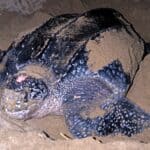
Leatherback sea turtle
Green sea turtle
Hawksbill sea turtle
Olive ridley sea turtle
West Indian manatee
Black caiman
Scarlet ibis

Konashen Community-Owned Conservation Area (COCA)

Community-Owned Conservation Area (Indigenous-led protected area)

A vast, remote Indigenous-owned conservation area in southern Guyana that protects some of the country's most intact rainforest and headwater ecosystems. It is particularly important for large terrestrial mammals and forest raptors, with very low habitat fragmentation.

Jaguar
Jaguar
Harpy eagle
Harpy eagle
Giant otter
Giant otter
White-lipped peccary
Lowland tapir
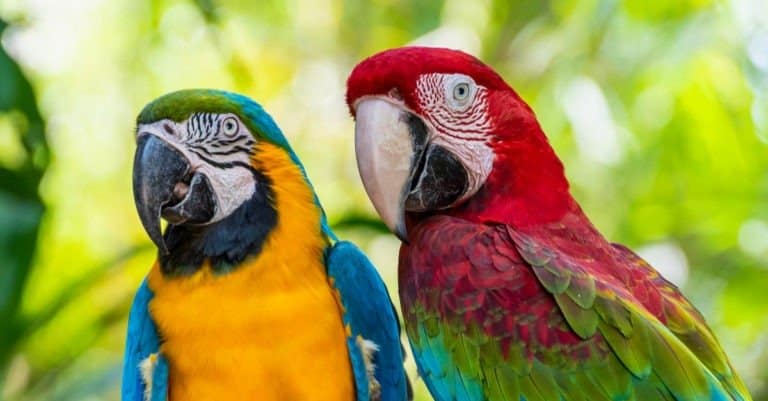
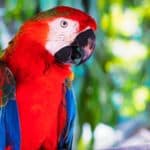
Scarlet macaw
Scarlet macaw
Giant anteater
Animals

Wildlife

Guyana's wildlife is defined by vast, largely intact Guiana Shield rainforests, seasonally flooded savannas (the Rupununi), and big, fish-rich river systems that remain among the wildest in South America. This mix supports top predators (jaguar, harpy eagle), flagship river species (giant river otter, arapaima), and exceptional bird diversity, with strong opportunities for boat-based viewing, forest tracking, and canopy/ridge birding in areas like Iwokrama, the Rupununi wetlands, Kaieteur, and the Essequibo basin.

~225-250 species Mammals
~780-820 species Birds
~170-200 species Reptiles
~140-170 species Amphibians

Iconic Species

Jaguar
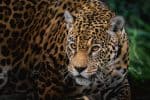
Jaguar A signature apex predator of Guyana's forests and forest-savanna mosaics; the Rupununi and Iwokrama landscapes are especially known for track-based sightings and camera-trap records due to extensive intact habitat.
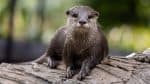
Giant River Otter One of Guyana's most sought-after river mammals; family groups are regularly watched by boat in Rupununi waterways and oxbow lakes, where quiet channels and healthy fish stocks support strong encounters.
Harpy Eagle
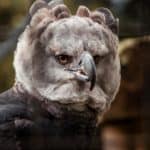
Harpy Eagle An emblem of the Guiana Shield's mature rainforest; sightings are rare but Guyana is a stronghold where vast tracts of continuous forest still support breeding territories.
Black Caiman A flagship nocturnal river predator; spotlighting in Rupununi wetlands and large rivers can produce impressive individuals, reflecting relatively intact aquatic food webs.
Giant Anteater A classic Rupununi savanna species; best encountered on open grasslands and along edges of gallery forest, especially in the dry season when visibility is higher.
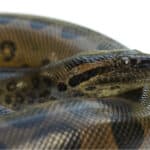
Green Anaconda
Green Anaconda An iconic wetlands snake associated with flooded savannas and slow waterways; most often encountered in Rupununi wetland habitats during high-water periods.
Hoatzin A distinctive, prehistoric-looking bird of river-edge vegetation; commonly seen along quiet backwaters and oxbows, making it a reliable 'must-see' for visitors.
Guianan Cock-of-the-rock One of the region's most spectacular lekking birds; visitors target display sites in forested hill and escarpment zones where males gather to court.
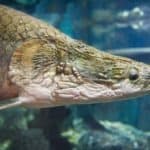
Arapaima
Arapaima Among the world's largest freshwater fishes; famous in the Rupununi and associated rivers where community-led management and low-impact tourism can support viewing and conservation.
Capybara
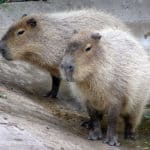
Capybara A characteristic wetland grazer of the Rupununi; frequently seen along riverbanks and flooded grasslands, often in association with caiman-rich waters.

Endemic Species

Golden Rocket Frog A Guyana specialty closely associated with Kaieteur National Park; famous for its tiny size, bright coloration, and linkage to the Kaieteur Falls area. Endemic
Ackawaio Marsupial Frog A highland/tepui-associated frog from Guyana's Pakaraima Mountains; notable for the genus' unusual reproductive strategy (tadpoles carried on the female's back). Endemic

Notable Populations

  • One of the most extensive remaining continuous tracts of intact Guiana Shield rainforest, supporting large, connected populations of forest-dependent species (including jaguar and harpy eagle).
  • Rupununi wetlands are a major South American stronghold for giant river otters, with frequent family-group encounters in suitable waterways.
  • Shell Beach on Guyana's northwest coast is a regionally important nesting area for sea turtles (notably leatherback and green turtles) within the Guianas.
  • Rupununi and associated river systems remain significant for large freshwater predators (e.g., black caiman) and megafish (e.g., arapaima), reflecting comparatively intact aquatic ecosystems in parts of the interior.
Protection

Conservation

Primary Threats

  • Gold mining-often using dredges and alluvial methods in interior river basins-drives forest clearing, riverbank erosion, sedimentation, and widespread mercury contamination of waterways. Impacts are concentrated in forested hinterlands and along tributaries, affecting aquatic biodiversity (e.g., giant otters, fish assemblages) and downstream communities that rely on rivers for drinking water and fisheries.
  • Mercury from artisanal and small-scale gold mining is the dominant pollution issue, contaminating sediments and entering food webs via fish consumption. Additional localized pollution comes from fuel spills and tailings, plus urban/industrial effluent near coastal population centers affecting mangroves, estuaries, and nearshore waters.
  • Commercial timber extraction and illegal logging can create road networks and forest fragmentation, increasing access for hunting and further encroachment. While much forest remains intact, selectively logged areas can reduce habitat quality for sensitive species (e.g., harpy eagle nesting territories) and degrade watershed function.
  • Road expansion, river crossings, and associated settlement growth increase forest access, accelerate land conversion, and elevate wildlife mortality and disturbance. Large-scale projects (including energy and transport corridors) can fragment interior forests and alter hydrology, with knock-on effects for wide-ranging species such as jaguars.
  • Subsistence and opportunistic hunting around communities, mining areas, and new access routes can deplete large-bodied mammals and birds. Pressure can increase where mining camps and logging operations create concentrated demand for bushmeat, reducing prey availability for apex predators and altering ecosystem dynamics.
  • Trade is generally smaller-scale than in some regions but includes live capture and trafficking of birds, reptiles, and other wildlife, as well as illegal movement of animal products across porous borders. This can threaten localized populations and undermine community-based stewardship efforts.
  • Overall forest loss remains relatively low compared to many tropical countries, but localized deforestation occurs around mining fronts, new roads, settlements, and smallholder agricultural expansion in forest edges and savanna-forest mosaics. Riparian habitat loss is particularly harmful in mining regions.
  • Sea-level rise and stronger storm surges threaten Guyana's low-lying coastal zone where most people and agriculture are concentrated, increasing pressure for coastal defenses that can affect mangroves and estuaries. Inland, shifting rainfall patterns and drought/flood extremes can stress forests and wetlands, with implications for fire risk in savanna regions and for freshwater ecosystems.
  • In the Rupununi and other ranching/smallholder areas, jaguars and pumas may prey on livestock, leading to retaliatory killing. Conflict can intensify where habitat becomes more accessible or prey species decline due to hunting, raising risk for large carnivores.
  • Conversion is most pronounced in the coastal plain and in savanna-forest transition zones, where rice, sugar, cattle ranching, and other agriculture can replace or fragment natural habitats. Drainage and water management for agriculture can affect wetlands and downstream water quality.
  • Fishing pressure in rivers and nearshore zones can increase near population centers and in accessible interior areas, potentially affecting key food fish and disrupting aquatic food webs. Unsustainable harvest can also undermine community food security, especially where waterways are impacted by mining pollution.
  • Growing ecotourism, increased river traffic, and activity around mining/logging camps disturb wildlife and can reduce breeding success in sensitive species (e.g., riverine fauna, large raptors). Disturbance is highly localized but can be significant at key nesting sites, oxbow lakes, and river corridors.
  • Coastal and river engineering-such as sea defenses, drainage, and water control infrastructure-can modify wetlands and mangroves that provide fisheries habitat and coastal protection. Hydrological alterations can compound climate risks and reduce ecosystem resilience.
Visit

Wildlife Tourism

Guyana is one of South America's most intact wilderness destinations, anchored by the Guiana Shield's vast rainforests, savannas, rivers, and wetlands. Wildlife tourism is a growing niche within the country's broader ecotourism economy-small-scale but high-value-supporting community-run lodges, Indigenous tourism enterprises, guides, boat operators, and conservation efforts (notably in areas like the Rupununi and Iwokrama). Historically, Guyana's interior was reached mainly via rivers, mining/forestry tracks, and small aircraft; today, access is still an adventure, with most prime wildlife areas reached by domestic flights to interior airstrips, 4x4 journeys in the dry season, and river travel. Infrastructure remains intentionally low-impact, which keeps visitor numbers modest but dramatically increases the sense of remoteness and the chances of immersive wildlife encounters. Practical planning usually centers on: (1) Rupununi savannas/wetlands for big mammals and river wildlife, (2) Iwokrama Forest for jaguar and rainforest specialties, and (3) river systems (Essequibo and tributaries) for otters, birds, and freshwater biodiversity.

Best Time to Visit
  • Practical wildlife calendar (by season and what to expect):
  • Mid-January-April (main drier season in much of Guyana): Best overall for combining forest + savanna. Roads/tracks are more passable for 4x4 in the Rupununi; river levels are often lower and clearer, helping with giant otter viewing and river travel logistics. Prime for: jaguar tracking opportunities (especially around river edges and forest roads), giant river otters, arapaima spotting, macaws and mixed flocks, and savanna mammals (giant anteater, capybara, peccaries).
  • May-August (main rainy season): Lush landscapes and strong bird activity, but some trails/roads can be challenging and some areas become more boat-focused. Prime for: rainforest birding, amphibians/reptiles, and dramatic river scenery.
  • Mid-August-mid-November (shorter drier season; often very good): Excellent for interior travel and mixed wildlife viewing, with comfortable conditions for long days outside. Prime for: jaguar sign along forest roads/riverbanks, giant otters, black caiman, river turtles, and strong savanna viewing with wide visibility.
  • November-January (short rainy season): Wildlife can still be excellent but logistics can be variable as rains increase and waterways rise. Prime for: boat safaris on higher water, forest birding, and photography of dramatic skies/river reflections. What to see when (quick targets):
  • Jaguars: Most realistically sought in the drier months (mid-Jan-Apr; mid-Aug-mid-Nov) when tracking and road access are easier.
  • Giant river otters: Often easiest in drier windows when waterways are less flooded and dens/latrines are easier to locate.
  • Harpy eagles: Possible year-round in known territories, but sightings are never guaranteed; hiring specialist guides increases odds.
  • Savanna mammals (giant anteater, deer, capybara): Often best in drier months with better visibility and access.

Top Wildlife Experiences

  • Dawn and dusk jaguar-tracking drives and spotlighting in the Iwokrama Forest corridor (using forest roads and river-edge clearings with expert trackers).
  • Boat safari for giant river otters on Rupununi waterways (quiet approach in small boats/canoes; learn to read otter calls, latrines, and fishing behavior).
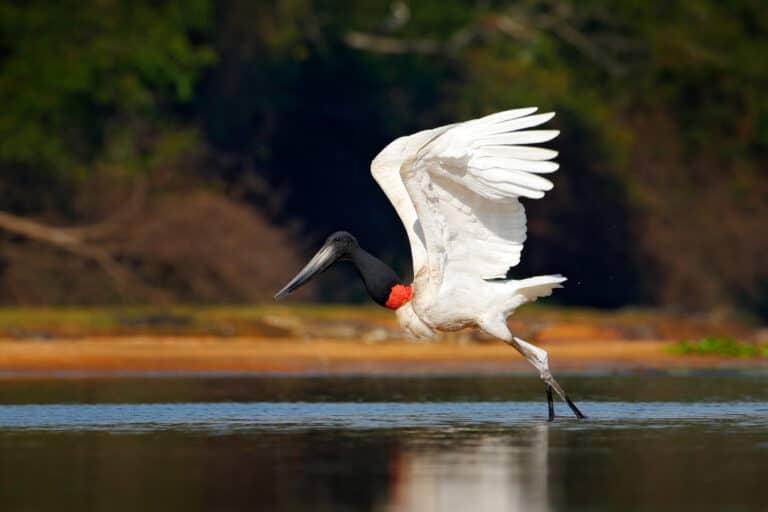
  • Catch-and-release arapaima fishing with local guides in the Rupununi, paired with wildlife watching (capybara, caiman, kingfishers, jabiru) and lessons on sustainable fisheries.
  • Canopy walk and tower birding at Iwokrama (early-morning vigils for macaws, toucans, cotingas, and raptors moving above the forest line).
  • Guided night walks for rainforest herps and nocturnal mammals (tree frogs, tarantulas, leaf-litter snakes, kinkajou; best after warm evenings).
  • Sunrise savanna wildlife drive in the North/South Rupununi: scan open grasslands for giant anteaters, deer, foxes, raptors, and flocks of parrots moving between roosts and feeding areas.
  • Caiman and nocturnal river-life spotlight cruise (black caiman, spectacled caiman, nightjars, fishing bats) on calm river sections with strict low-impact protocols.
  • Harpy eagle quest with specialist guides (multi-day patience-based birding that focuses on known territories, calls, and sign; one of Guyana's most iconic 'holy grail' experiences).
  • Community-led Indigenous nature walk and cultural ecology experience: learn medicinal plants, tracking basics, and seasonal wildlife knowledge, often paired with a creek paddle or birding circuit.
  • Multi-day river expedition on the Essequibo/tributaries: combine island camping or lodge stays with fishing, birding, and freshwater dolphin/otter searches where appropriate (species presence varies by river section).

Safari Types Available

  • 4x4 wildlife drives (savanna drives in the Rupununi; forest-road drives in Iwokrama).
  • Boat safaris and river cruises (otter-focused trips, caiman spotlighting, multi-day river journeys).
  • Canoe/creek paddling safaris (quiet, low-profile wildlife viewing in wetlands and forest creeks).
  • Walking safaris/nature hikes (rainforest trails, savanna walks, tracking-focused outings).
  • Canopy-level wildlife viewing (canopy walkway and towers for birds, primates, and raptors).
  • Night safaris (night walks and boat spotlighting for nocturnal mammals, frogs, and caiman).
  • Specialist birding safaris (targeted trips for harpy eagle, macaws, cotingas, and mixed flocks).
  • Community-based eco-experiences (Indigenous-guided wildlife + cultural interpretation, conservation-oriented visits).
  • Fishing-focused wildlife trips (catch-and-release arapaima and other sportfish combined with naturalist guiding).
Fun Facts

Did You Know?

Guyana has "rainforest dolphins": the Amazon river dolphin (Inia geoffrensis) occurs in parts of Guyana's Essequibo and Rupununi river systems, meaning you can encounter a dolphin far inland in tannin-stained jungle rivers.

The Rupununi isn't just rainforest-it's a vast savannah that floods seasonally, temporarily turning grasslands into shallow wetlands where fish disperse across the plain and predators (including caimans and jaguars) follow the water.

Near Kaieteur Falls lives the tiny, endemic golden rocket frog (Anomaloglossus beebei), famous for breeding in the small pools of water held by giant tank bromeliads-an entire frog nursery suspended in plants rather than ponds.

Guyana is the only English-speaking country in South America, a cultural "Caribbean" identity on the mainland that often surprises visitors who expect Spanish or Portuguese across the continent.

Guyana is one of the most forest-covered countries on Earth (about 85% of its land area remains under forest), making it a global standout for intact habitat across the Guiana Shield-one of the planet's largest remaining tropical wilderness regions.

In Guyana you can find the giant river otter (Pteronura brasiliensis), the world's largest otter species, in remote river systems such as the Rupununi and parts of the Iwokrama landscape.

Guyana's forests support the harpy eagle (Harpia harpyja), widely regarded as the most powerful eagle and one of the largest raptors in the Americas-an apex predator that depends on large, unbroken rainforest.

The country's waterways can host black caiman (Melanosuchus niger), the world's largest caiman (and among the largest living crocodilians), alongside other big predators like anacondas and jaguars that hunt river edges.

The tropical rainforests, savannas, and coastal plains of Guyana are home to various types of animals. Some of the most unique wildlife native to this South American country include the jaguar, black caiman, cane toad, giant armadillo, jabiru stork, capuchin monkey, and leatherback turtle.

This country has 225 mammal species, 800 species of birds, 176 reptile species, 148 amphibian species, and 2,000 plus species of fish!

The Official National Animal of Guyana
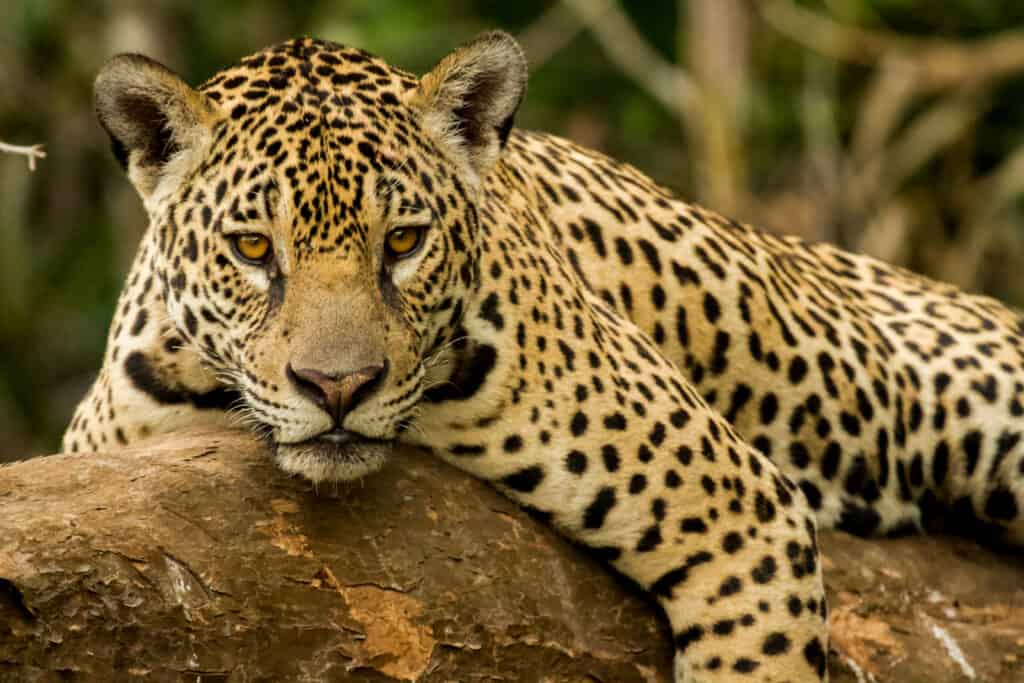
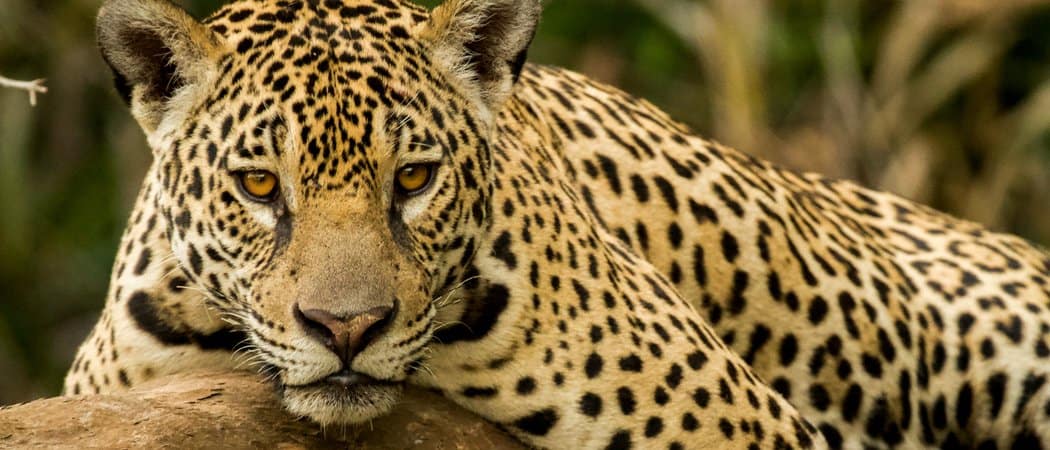
jaguar

The mighty jaguar is the national symbol of Guyana.

The jaguar is the national animal of Guyana. The strength and courage of this native big cat make it the perfect symbol of the small country. Guyana’s coat of arms features two jaguars.

The jaguar is a powerful and majestic animal native to the rainforest of Guyana. It has a thick yellow-brown coat with black spots and rosettes covering its body. Its head is short and round, featuring large ears that help it hear prey from far away. Jaguars are strong swimmers and can climb trees in search of food.

The jaguar was chosen as the national animal of Guyana because it represents strength, courage, endurance, and resilience, all qualities associated with the Guyanese people. The jaguar also symbolizes the flora and fauna found in Guyana’s vast rainforest ecosystem, which provides many resources for the country’s inhabitants. In addition to being an important part of their culture, the presence of these animals helps maintain healthy populations of other species by keeping ecosystems balanced through natural predation patterns.

Where to Find the Top Wild Animals in Guyana
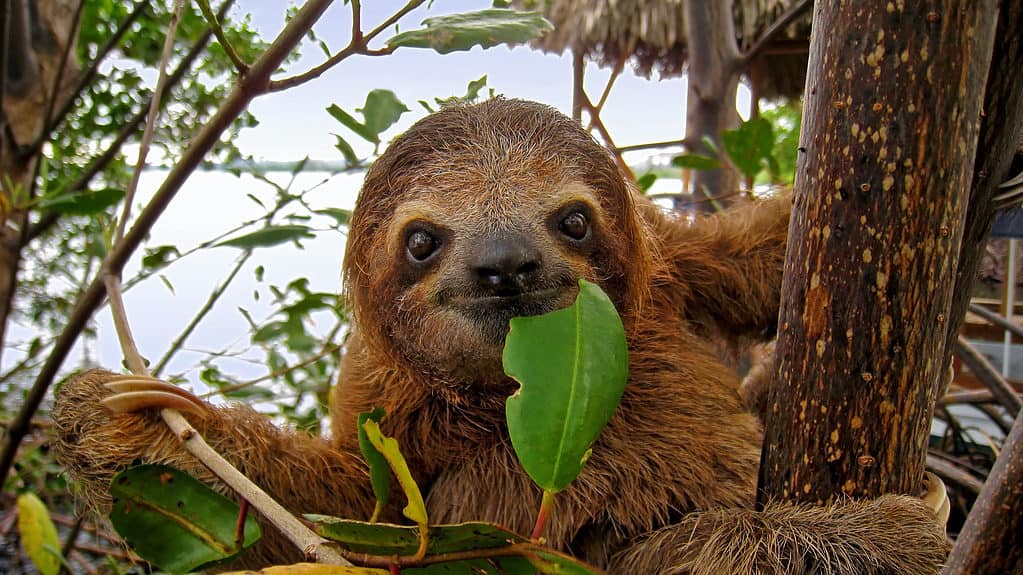
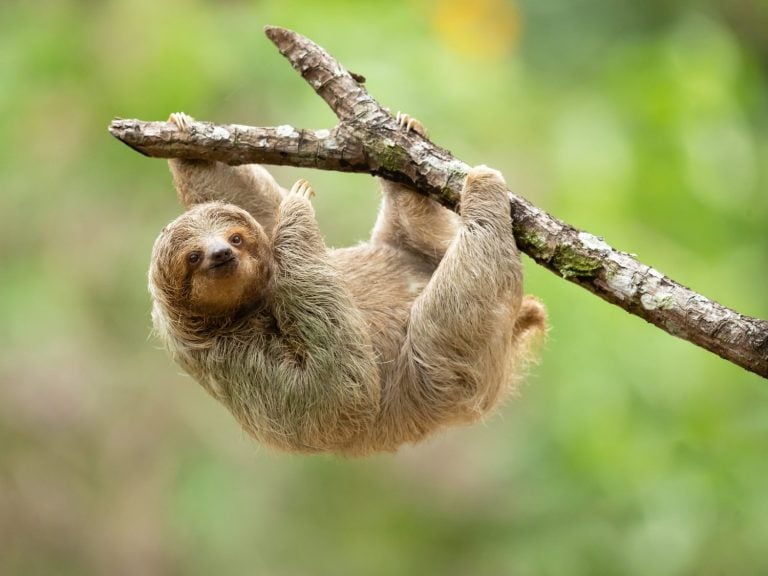
Baby Brown throated Three toed sloth in the mangrove, Caribbean, Costa Rica

A Brown-throated Three-toed sloth is one of many animals you might spot when visiting Guyana.

Guyana is an incredibly biodiverse country, making it a great destination for wildlife viewing. It is home to many species of animals, including jaguars, sloths, monkeys, otters, and more.

Some of the best places to see wildlife in Guyana include the Iwokrama rainforest reserve in central Guyana and the Kanuku Mountains in southern Guyana. In these areas, you can expect to see a variety of wild animals, such as toucans, macaws, capuchin monkeys, and even giant anteaters!

Other popular spots for wildlife spotting are Surama Eco-Lodge and Rupununi Savannah Lodge. Here you can observe giant river otters on the rivers or spot tapirs at night from your lodge’s terrace. With so much biodiversity packed into one small country, it’s no wonder that Guyana has become a top destination for wildlife enthusiasts looking for amazing animal encounters!

A lot of the most unique animals local to Guyana live in rainforest habitats. Listed are some popular places to find the top animals in Guyana.

  • Jaguar – These big cats live in a dense rainforest habitat. They can be seen in Guyana Botanical Gardens in Georgetown.
  • Capuchin Monkey – This animal, also called the wedge-capped capuchin monkey, lives in a wet lowland forest habitat. They receive protection and shelter in Iwokrama Forest Reserve.
  • White-Throated Toucan – These colorful birds live in the tropical rainforest. Many of them inhabit the Iwokrama Forest Reserve.
  • Giant Otter – These mammals live in freshwater rivers as well as streams. A giant otter lives in the Guyana Botanical Gardens and Zoo. They also live in the Iwokrama Forest Reserve.
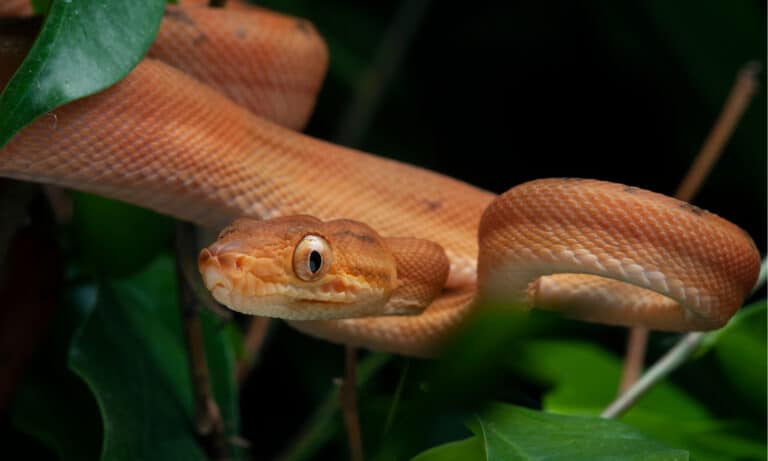
  • Emerald Tree Boa – These snakes have a tropical rainforest habitat in Guyana. This bright green snake can be seen in Guyana Botanical Gardens and Zoo.
  • Tapir – This unique animal lives in a dense forest and swampy habitat. They also live in the protected environment of Guyana Botanical Gardens and Zoo.

Birds in Guyana
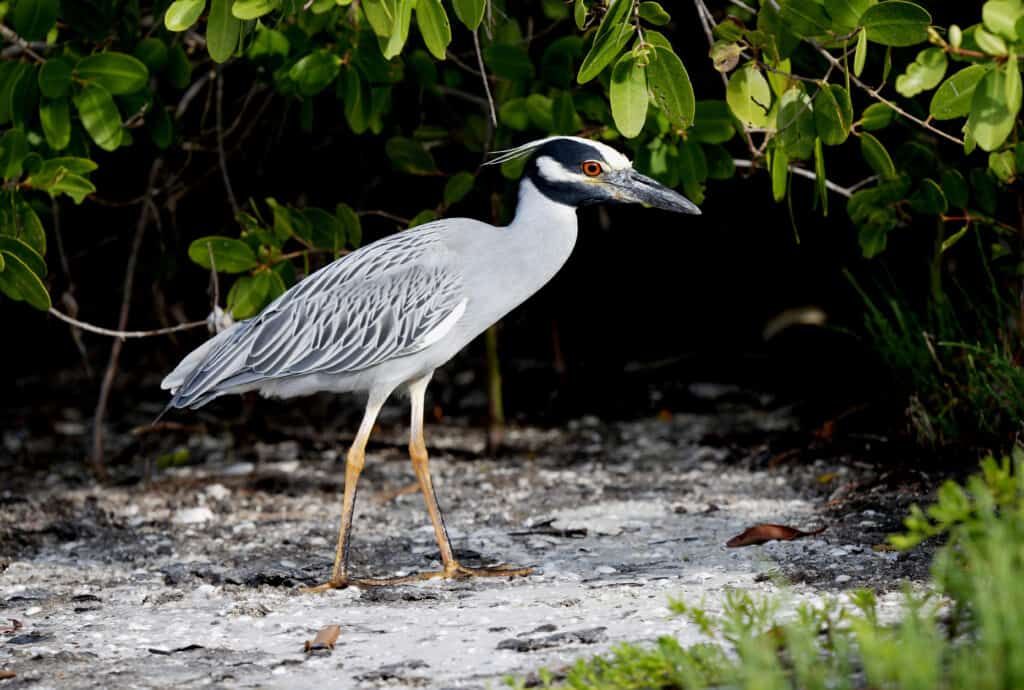
Yellow-crowned Night-heron walking through water

The yellow-crowned night heron inhabits Guyana.

Guyana is prominent for its extensive rainforests, covering around 80 percent of the country, the perfect environment for multitudes of eccentric bird species. Birding in the country is highly accessible and promoted through charters and guides. Out of the 800 species living in Guyana, over 70 are considered endemic to the Guiana Shield of northeast South America. Some quite unique endemics include:

  • Guianan Cock-of-the-Rock
  • Blood-colored Woodpecker
  • Guianan Toucanet
  • Northern Red-shouldered Macaw

Habitats vary throughout the country, giving rise to dozens of areas great for bird watching. From the capital on the coastline to the inland savannahs, avifauna exists almost everywhere within Guyana. Some of the best places to bird watch are:

  • Georgetown Botanical Gardens – White-bellied Piculet, Red-and-green Macaw, Yellow-headed Caracara
  • Mahaiva River – Point-tailed Palmcreeper, Tropical Kingbird, Green-rumped Parrotlet, Boat-billed Heron
  • Abary River – Bicolored Conebill, Greater Yellowlegs, Yellow-crowned Night-Heron, Guianan Gnatcatcher

Mentioned are only a few of the species found in these magnificent places. Visitors are most likely to get the best bird-watching experiences when participating in guided tours or when accompanied by a local.

Fish in Guyana
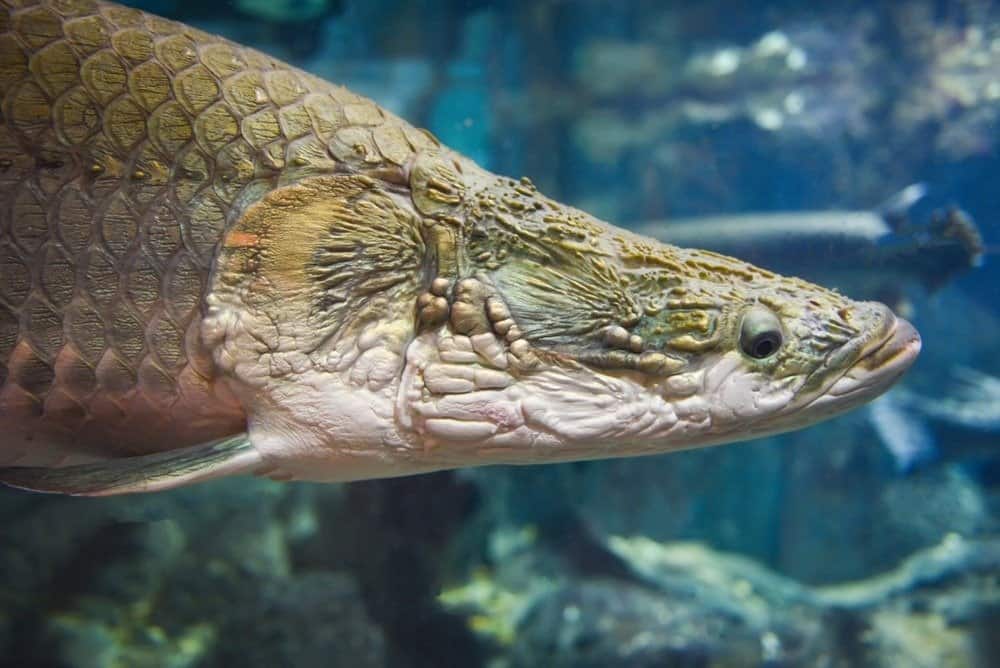
Arapaima fish - Pirarucu Arapaima gigas largest freshwater fish and river lakes in Brazil

Arapaima lives off the coast of Guyana and can reach 9 feet long.

Guyana translates to “land of many waters,” and rightfully so. The country is situated north of the Amazon River, adjacent to the Atlantic Ocean, and east of the Orinoco River, with the Essequibo River running through its center. Throughout the river of the country, over 2,000 fish species reside. Relatively underrated for tourism, Guyana is a popular destination for fishermen looking for large river-dwelling fish, such as:

  • Arapaima – Air-breathing, freshwater fish that can reach up to 9 feet in length!
  • Yellow Butterfly Peacock Bass – Known for putting up a good fight!
  • Himara – Reach over 40 lb!
  • Black Piranhas – High cost on the market at around $650 per fish!

Many more valuable species roam the waters, including off the coastline in the Atlantic Ocean. Ocean-dwelling catfish can grow to astonishing sizes. Tarpons are also a popular catch, but Guyana is especially known for its hauls of sea bob shrimp and its exportation.

Snakes in Guyana
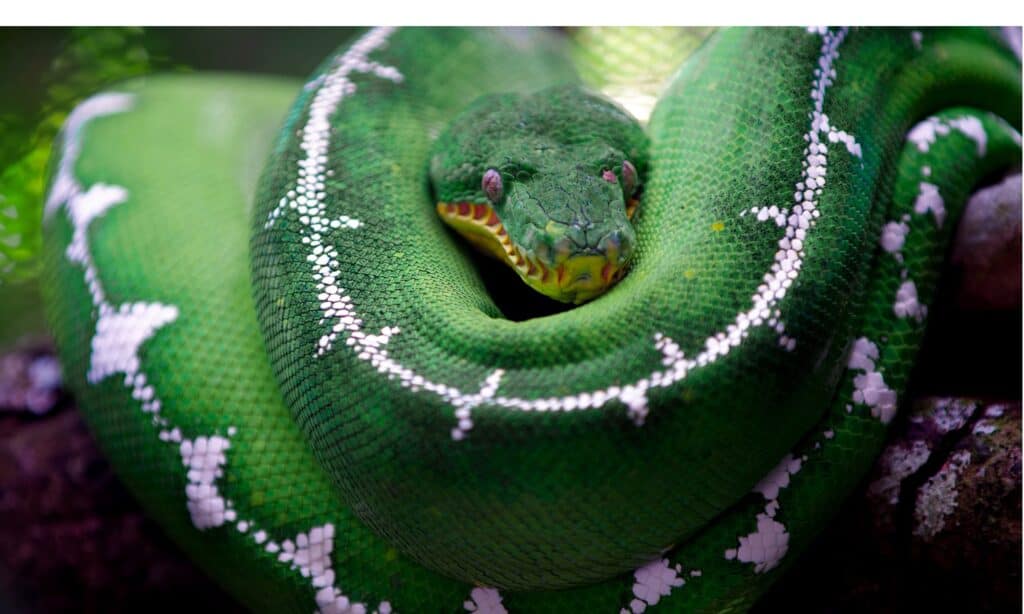
Amazon Basin Emerald Tree Boa (Corallus batesii)

Emerald tree boas live in the rainforests of Guyana.

Rainforests prove impeccable sites for seeing colorful, vibrant plants and animals. Some of the most brilliantly pigmented animals are reptiles, specifically snakes. Guyana is home to truly remarkable snake species, both venomous and non-venomous. Of the 97 species in the country, most are found within the rainforests, some in savannahs, and others even in urban areas. Below are habitats and snakes found within:

Rainforest

Savannah

Tropical Lowlands

  • Labaria
  • Water Cobra

Various other snake species live in the forests, trees, shrubs, and wetlands of the area. Eight venomous species do pose a threat to humans, but many are not aggressive snakes, only lashing out when provoked. However, it is important to remain aware of your surroundings and understand the proper protocol for any kind of snake bite.

The Most Dangerous Animals in Guyana Today

Caimans only pose a threat to humans if surprised or threatened.

Like other countries, Guyana holds wildlife that is mostly passive, while some animals may pose threats to humans.

Guyana is home to many dangerous animals, including the jaguar, giant anteater, bushmaster snake, and black caiman. These creatures are dangerous because they have the potential to harm or even kill humans if provoked.

Jaguars are known for their agility and strength. They can reach speeds of up to 40 mph in short bursts and have been known to attack people who enter their territories. Giant anteaters possess sharp claws that are capable of disemboweling a person with one swipe. The venomous bushmaster snake is highly aggressive when threatened and has a bite that can be deadly if not treated quickly enough. Lastly, black caimans live in freshwater habitats like rivers and streams throughout Guyana. They feed on fish as well as small mammals such as capybaras but will lash out against anyone who surprises or threatens them.

The most dangerous animals in Guyana include:

  • Piranha – Piranhas are large fish best known for their sharp teeth and carnivorous diet. A person who ventures into a river where piranha lives are at risk of injury. These fish can easily mistake a person’s hands or feet for small fish or other lively prey. The real threat comes when a school of piranha begins to surround a person who has fallen into the water! They are very persistent when going after prey. The person is likely to need a lot of stitches. There are an estimated 200 piranha attacks each year.
  • Black Caiman – These reptiles are similar in appearance to American crocodiles. Adult caimans are usually 13 feet but can grow as long as 16.5 feet in adulthood. They have sharp teeth and are fast on land and in the water. Black caimans live in slow-moving rivers and can become aggressive if a human invades their territory. Since 2000, there have been a recorded 80 humans attacked by caimans.
  • Giant Otter – It may seem like an otter doesn’t belong on this type of list, but these animals can be very aggressive. They can be five and a half feet long and weigh 70 pounds. They use their very sharp teeth to tear into fish, water snakes, crustaceans, and other prey. A human who gets too close to this otter’s den is risking an aggressive response from this animal. As a note, this animal’s conservation status is endangered with a decreasing population. Unless more protections are put into place, this animal is at risk of becoming extinct.
  • Jaguar – The national animal of Guyana is also one of the most dangerous in this country. This animal is the biggest cat in South America. Adults can measure 6 feet long and weigh up to 250 pounds. These big cats are pure muscle and have incredibly strong jaws. Fortunately, they remain hidden most of the time and only show aggression if they feel their cubs are in danger.

Largest Animals in Guyana
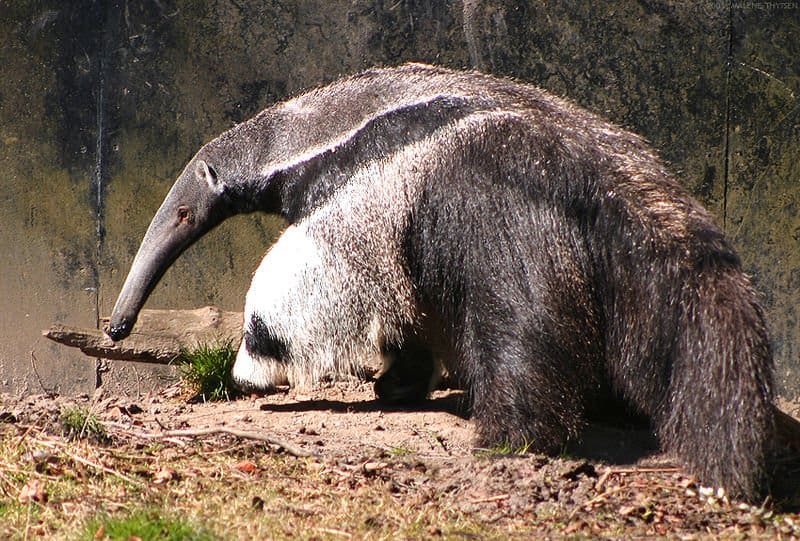
Giant anteater in a zoo setting

Giant anteater (Myrmecophaga tridactyla) roams around Guyana and can grow nearly nine feet long!

The three largest animals in Guyana are the giant anteater, the jaguar, and the Harpy Eagle.

Giant Anteaters are approximately 5-8 feet long and can weigh up to 60-100 pounds. They inhabit savannas, grasslands, marshes, dry forests, and rainforests. These large mammals feed mainly on ants and termites, which they catch with their 2-foot-long tongues that stick out of their elongated snouts!

Jaguars are another one of Guyana’s largest animals – weighing between 220 and 340 pounds! Unlike other cats like lions or tigers who live in groups called prides, jaguars like to be alone most of the time, but when it comes to defending territory or finding a mate, they will come together for short periods of time. Jaguars can be found living in wet lowland areas as well as mountains with elevations over 9500 feet.

The last animal is the Harpy Eagle. An apex predator is known for its incredible size and strength! This eagle has wingspans that reach over 6 feet wide, while adults can weigh up to 20 pounds! The Harpy Eagles’ habitat extends from Central America all the way down into South America, including Guyana, where it usually lives high in large trees within tropical rainforest regions like Kaieteur National Park.

Rarest Animals in Guyana
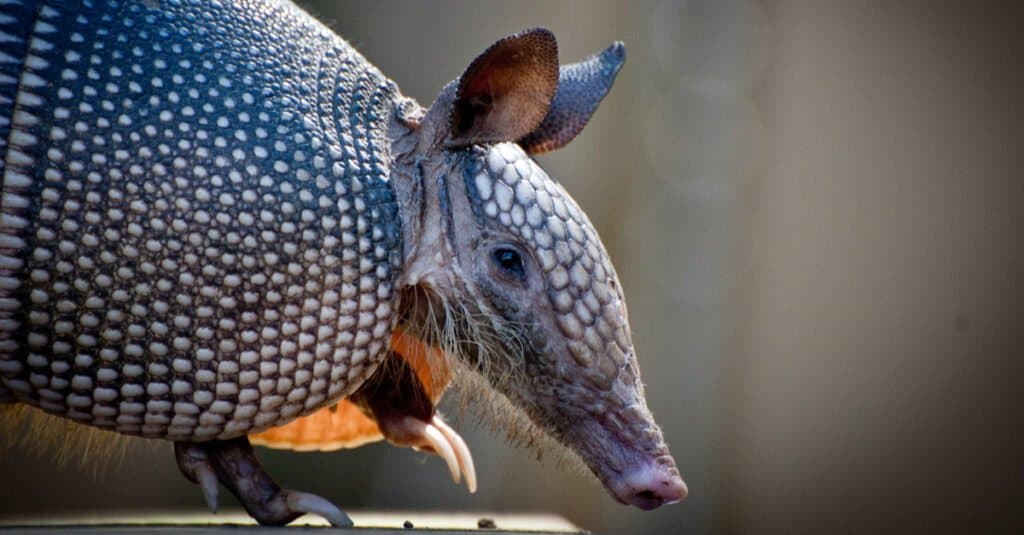
Sleepiest Animals – Giant

Giant armadillos are a rare animal to spot in Guyana.

The three rarest animals in Guyana are the giant anteater, the giant armadillo, and the giant otter.

The giant anteater is a large mammal found in tropical and subtropical regions of South America. It has long claws that it uses to dig up ants and termites from their mounds or nests. The species is considered critically endangered due to habitat destruction caused by deforestation as well as poaching for the bushmeat trade. In Guyana, they can be found living in savannas, grasslands, rainforests, and wetlands – all habitats that have been degraded by human activities such as logging and farming practices.

Giant armadillos and giant otters are considered rare in Guyana due to their critically endangered status. It is estimated that there are only about 200-300 giant armadillos left living in the wild, with a population of approximately 500 giant otters. These animals inhabit humid lowland forests and wetlands located near rivers or swamps, although they can sometimes be found traveling through savannahs and grasslands searching for food.

Giant armadillos feed on termites, worms, and larvae, while the diet of the giant otter primarily consists of fish as well as crustaceans and mollusks when available. Unfortunately, both species face threats from habitat destruction caused by deforestation as well as overfishing which has drastically reduced available prey populations leading to a further decline in their numbers. Conservation efforts have been put into place in order to protect these animals from extinction including designating protected areas for them to live safely away from human interference but more must still be done if we wish to save these species from disappearing forever.

Zoos in Guyana
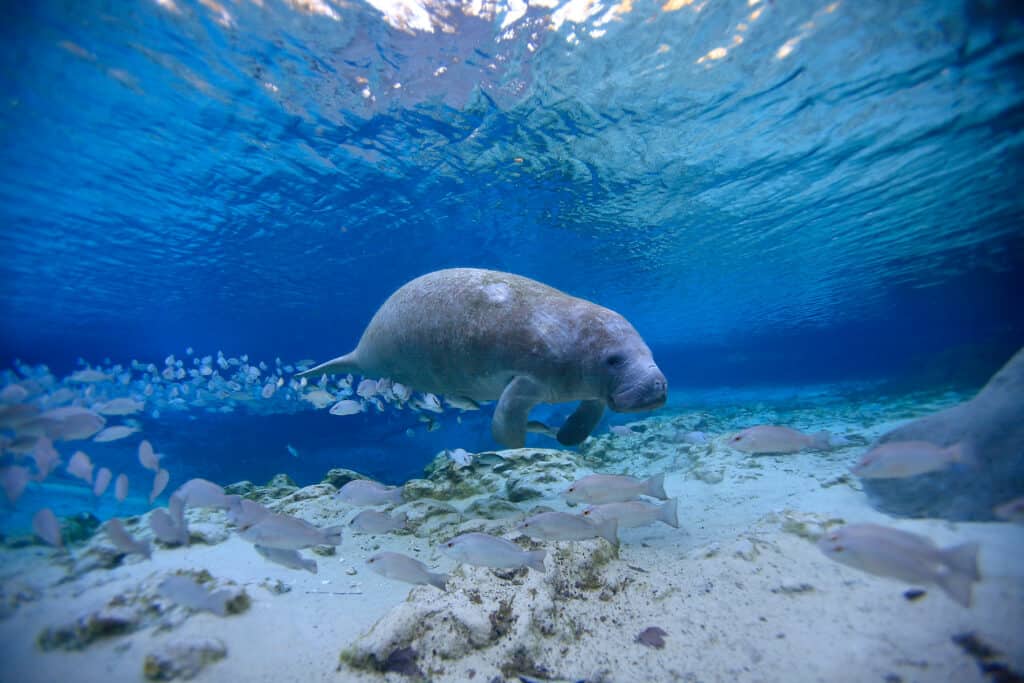
Manatee in Crystal River, Florida, USA

Manatees are one of the animals that you can see at the zoo in Guyana.

Existing since 1895 as a botanical garden, the Guyana Zoo in Georgetown officially became a zoological garden in 1952. The Guyana Zoo partners with the Calgary Zoo as its “sister zoo.” Some of the most popular animals on exhibit include manatees and harpy eagles. Endemic and endangered species of the country take priority within the zoo as well, aiming to aid in conservation efforts and further protection of the animals so unique and special to Guyana and surrounding areas.

Zoos have long been seen as beneficial to animals in a number of ways. It is through zoos that many species are able to be studied and monitored, providing valuable data on population numbers, interactions with other species, and overall health. Furthermore, conservation efforts such as the protection of endangered species can be conducted within zoo environments. For example, the Guyana Zoo’s partnership with the Calgary Zoo has led to successful breeding programs for certain animal populations like manatees and harpy eagles.

However, some people feel that zoos do not adequately replicate natural habitats for animals or provide them with enough space to roam freely, which harms their quality of life. Additionally, stress from visitors could lead animals in captivity to become anxious or aggressive over time which further detracts from their well-being. To help address these issues, there have been various initiatives implemented by zoos around the world, such as using noise-canceling materials in enclosures or introducing enrichment activities into animal habitats so that they are more engaged and less likely to exhibit signs of distress or boredom.

Endangered Animals in Guyana
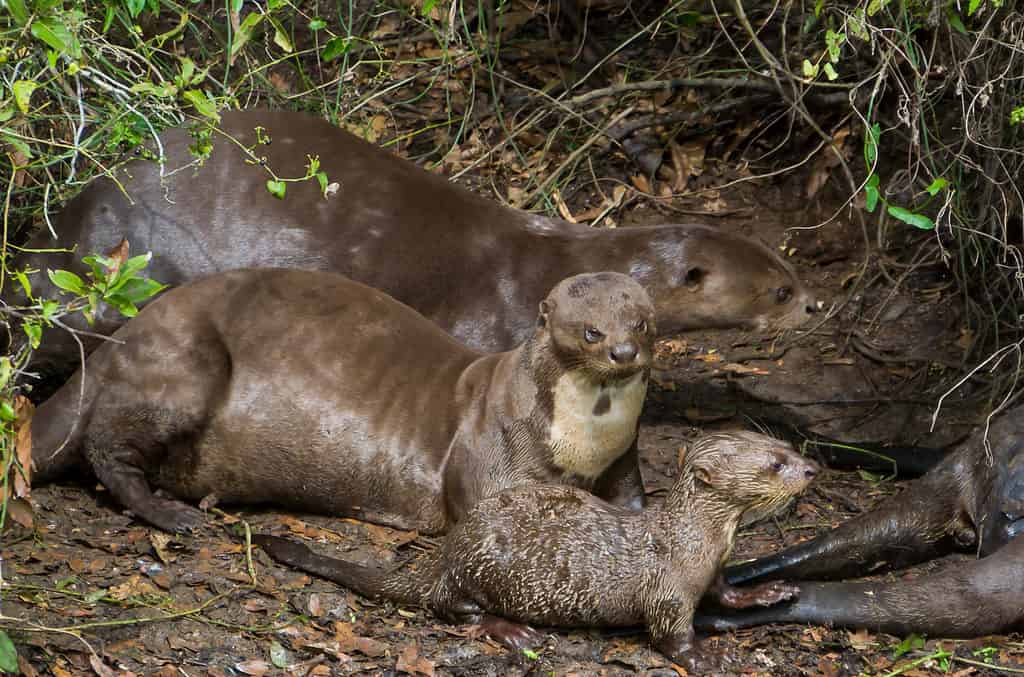
Family of otters in the Brazilian Pantanal

Giant otters are endangered species in Guyana due to human activity.

Guyana is a small country, and it has a unique variety of animals. Unfortunately, many of these species are endangered due to human activities like deforestation and hunting. According to the International Union for Conservation of Nature (IUCN), nine mammalian species are critically endangered: giant anteater, jaguar, ocelot, giant armadillo, puma, white-lipped peccary, red howler monkey, northern muriqui monkey, and tayra.

In addition to these mammals, there are also several bird species classified as critically endangered, including the harpy eagle and blue-billed curassow. All these animals face threats from habitat destruction caused by logging operations which reduce their natural habitats. Other issues are overhunting for food or sport as well as pollution from oil exploration. Climate change is affecting all animals on the planet. The government of Guyana is working hard to protect its native wildlife through measures such as creating protected areas such as Iwokrama National Park, where some species have been successfully reintroduced back into their natural environment.

  • Giant Otter
  • Giant Armadillo (Vulnerable)
  • Hoary-Throated Spinetail (Critically Endangered)
  • MacConnell’s Bush Toad (Vulnerable)
  • Sun Parakeet

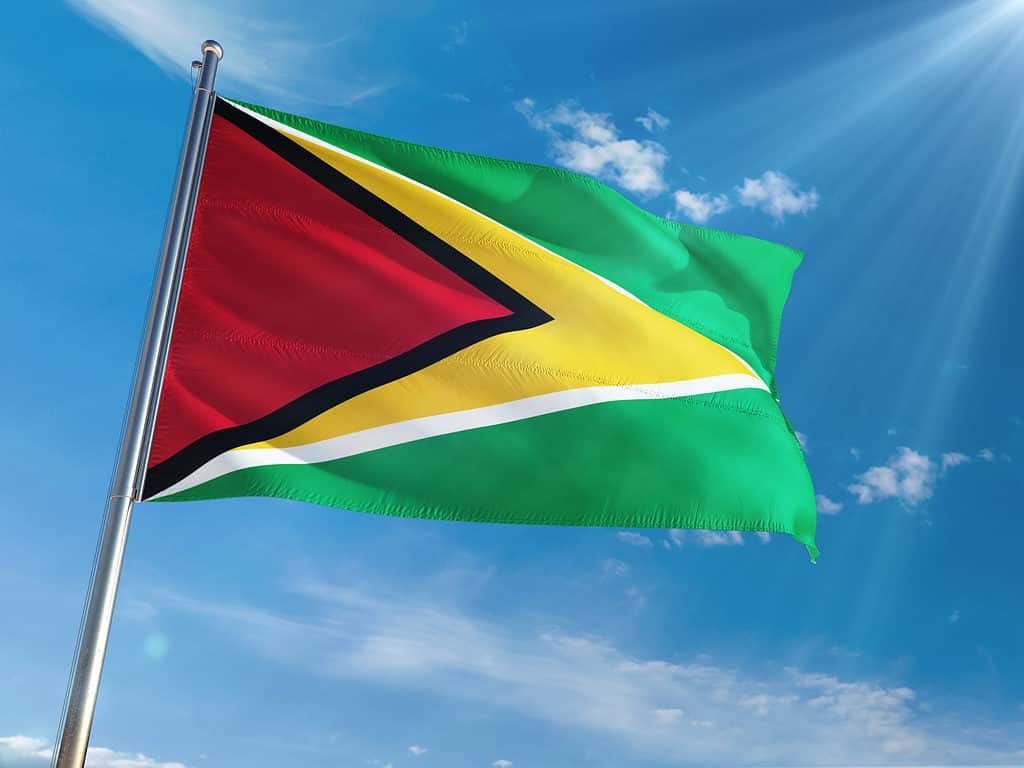
The Flag of Guyana

Flag of Guyana waving in the wind

Flag of Guyana waving in the wind.

The Flag of Guyana is one of the most meaningful flags in the world. Adopted on May 26, 1966, as a symbol of independence from the United Kingdom, it features five colors representing various aspects of Guyanese culture and identity.

Red represents the zeal and dynamism of its people. Gold refers to the country’s mineral wealth. Green recognizes their forests and agricultural industry. Black symbolizes endurance, and white pays tribute to water resources, an essential part of life in this tropical climate. Together these elements come together to show pride in Guyana’s strong nationhood and commitment to progress into the future.

Guyana celebrates both flag day and independence day. Flag Day is celebrated on May 26th in Guyana, celebrating the adoption of the national flag on that date in 1966. On Independence Day, which takes place each year on May 26th as well, the country commemorates its independence from Great Britain in 1966. During these festivities, people often show their patriotism by flying flags and attending special events around the country to commemorate this important event in Guyana’s history.

Animals Found in Guyana

174 species documented in our encyclopedia

Thank you for reading! Have some feedback for us?