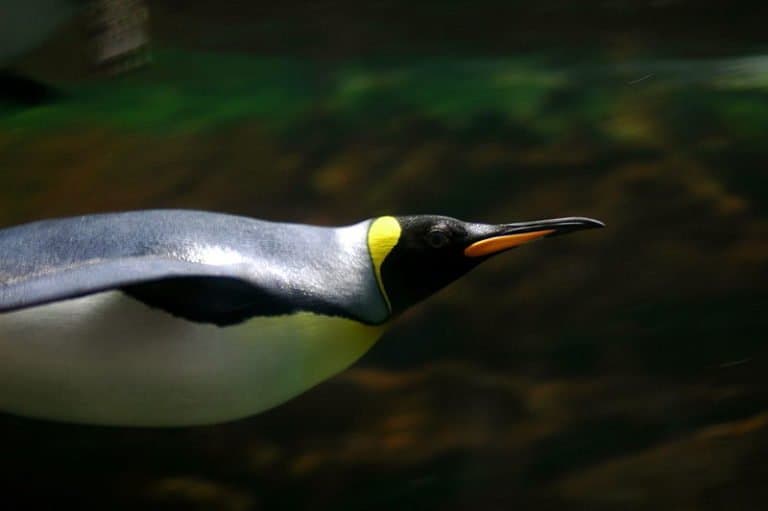
King Penguin
Royal diver of the Southern Ocean

Royal diver of the Southern Ocean
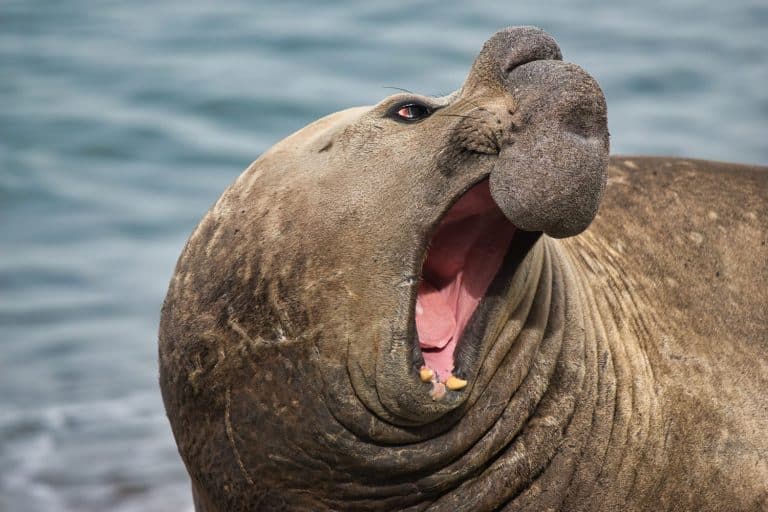
Big noses, bigger dives.
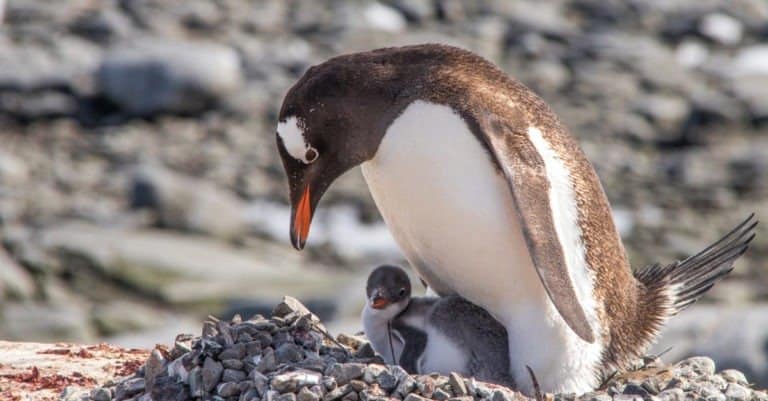
White-capped speedster of the South
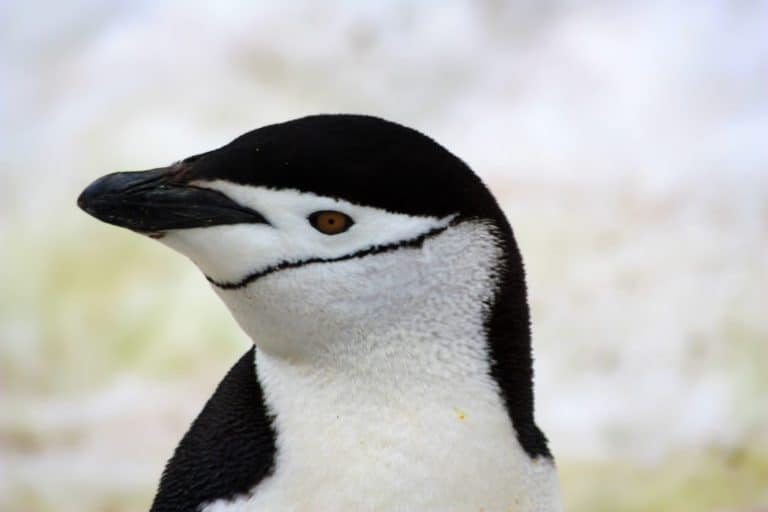
Strapped for the ice, built for the surf
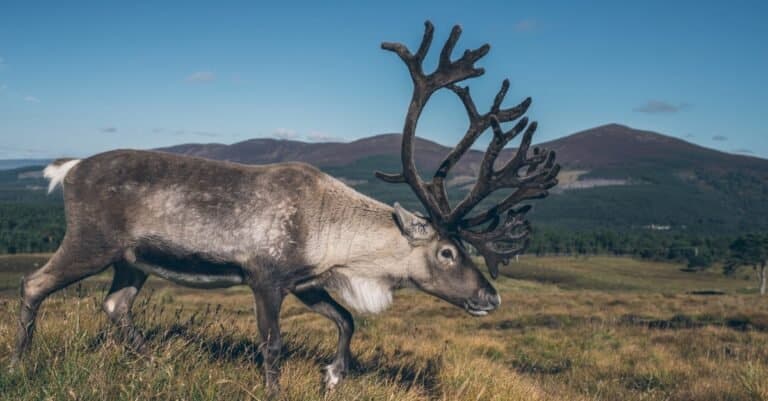
Antlers, Arctic, and endless miles.
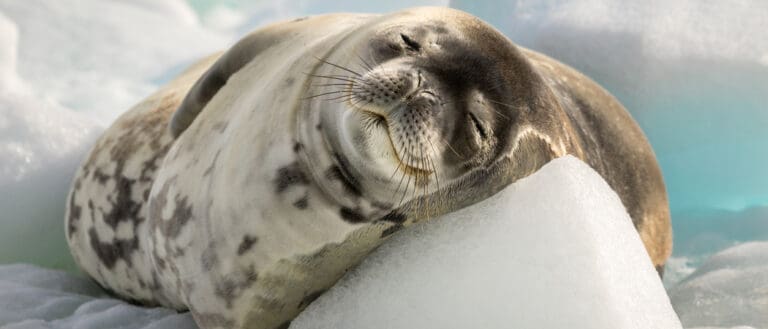
The krill-sieving seal of the pack ice
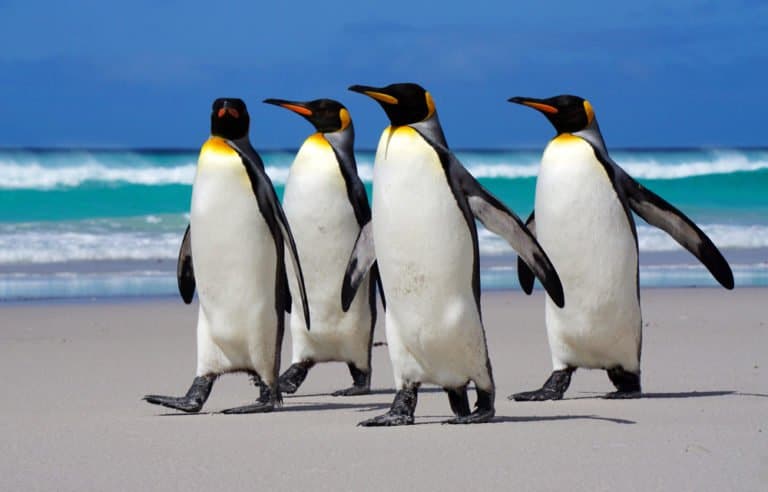
Born to dive, dressed to endure
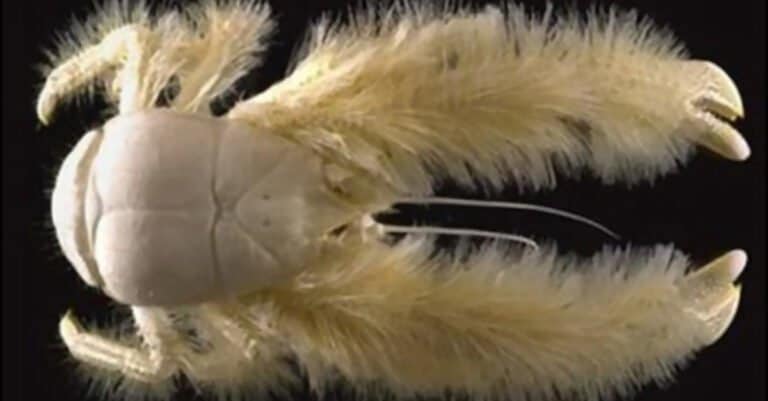
Hairy claws, bacterial farms, deep sea
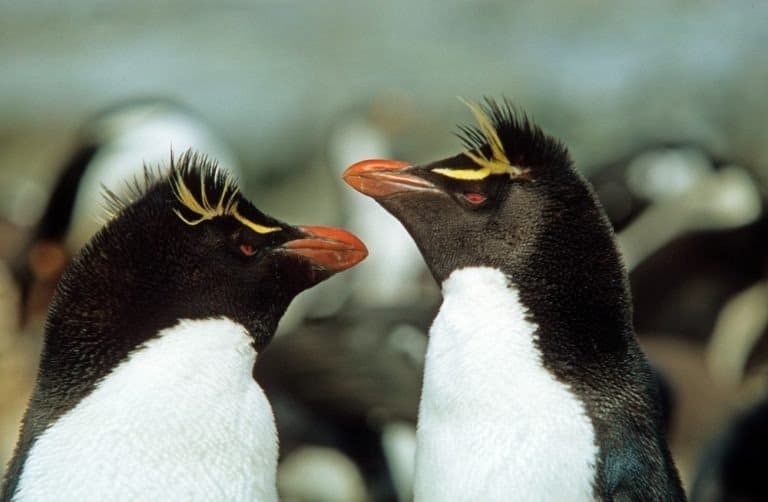
Yellow brows, ocean pros.
This remote UK Overseas Territory is defined by raw, ice-carved landscapes and overwhelming abundance of marine wildlife-an ecosystem that feels less like a "country" and more like a living sanctuary at the edge of the Southern Ocean. With no permanent civilian population and strict management, South Georgia in particular is famous for its dense breeding colonies of penguins, vast beaches crowded with seals, and skies patrolled by some of the world's great seabirds. The wildlife spectacle is amplified by the setting: fjords, towering peaks, extensive glaciers, and weather that shifts from calm to ferocious in minutes.
The key ecosystems are overwhelmingly ocean-driven. Cold, nutrient-rich waters fuel immense blooms of plankton and Antarctic krill, which in turn support penguins, seals, albatrosses, petrels, and visiting whales. On land, the limited ice-free coastal fringes and tussock-grass slopes provide crucial nesting and haul-out habitat. The South Sandwich Islands add an even wilder dimension-remote, often ice-bound volcanic islands with important seabird sites and a largely untouched marine environment, offering a glimpse of Southern Ocean nature with minimal human footprint.
In global conservation terms, these islands are significant as a stronghold for Southern Ocean biodiversity and for recovery after historic exploitation (especially sealing and whaling). Modern protections, biosecurity, and ambitious restoration work-most notably large-scale efforts to remove invasive rodents that once devastated ground-nesting birds-have helped safeguard breeding success and ecosystem resilience. For wildlife enthusiasts, what makes the experience unique is the sheer density of animals, the near-total absence of human settlement, and the feeling of being immersed in a functioning, ocean-powered food web where top predators and seabird megacolonies still dominate the landscape.
South Georgia and the South Sandwich Islands (SGSSI) are steep, cold, ocean-dominated sub-Antarctic islands where wildlife distribution is largely controlled by ice cover, rugged topography, and access to productive coastal waters. Most breeding habitat concentrates in ice-free coastal fringes (beaches, tussock slopes, and cliff ledges) that provide haul-out and nesting sites close to rich marine feeding grounds driven by the Antarctic Convergence/Scotia Sea productivity (krill and fish). Extensive glaciers and high, stormy mountains limit inland terrestrial habitat, while the volcanic, largely ice-clad South Sandwich Islands offer narrow ice-free margins and cliffs that support seabird colonies.
South Georgia and the South Sandwich Islands (SGSSI) is managed primarily for conservation, with no permanent civilian population and tightly controlled access via permits, biosecurity rules, and site-specific landing guidelines. Protection is delivered through (1) a very large Marine Protected Area with no-take zones and ecosystem-based fisheries management, and (2) terrestrial "Specially Protected Areas" (SPAs) and other site protections focused on seabird colonies, seal breeding beaches, and sensitive habitats (including the endemic South Georgia pipit's tussac-grass areas).
Land: approximately ~95-100% of the territory's land area is under formal conservation management (most of it is undeveloped and access-controlled; a few small operational/heritage zones such as around King Edward Point/Grytviken are managed but not strictly set aside). Sea: the South Georgia & South Sandwich Islands Marine Protected Area covers ~1.2 million km², among the largest MPAs in the world.
A vast sub-Antarctic MPA established to safeguard one of the planet's most productive cold-water ecosystems, supporting immense penguin, seal, and seabird populations and the food webs they depend on. Its zoning (including no-take areas) and fisheries rules are central to conserving krill-dependent predators and globally important toothfish ecosystems.
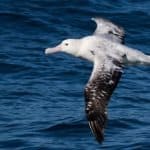
A tightly managed breeding site best known for very close-range viewing (from boardwalks) of nesting albatross in tussac habitats, while minimizing disturbance. It is also important for endemic and near-endemic land birds dependent on predator-free vegetated areas.
One of the most intensively studied seabird and marine-mammal sites in the Southern Ocean, Bird Island holds major colonies of albatrosses, petrels, and penguins alongside dense seal populations. Its long-term science and strict access controls make it a cornerstone for monitoring ecosystem change.
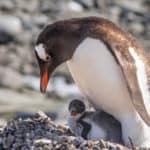
A remote, rugged island with major seabird breeding assemblages and high sensitivity to disturbance, making it significant for conservation-focused management rather than routine tourism. It supports large concentrations of burrowing and surface-nesting seabirds and associated predator-prey dynamics.
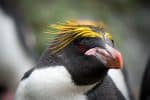
A highly productive archipelago and coastal area known for spectacular penguin and seabird colonies, including some of South Georgia's densest concentrations of macaroni penguins. It is also a key nearshore foraging area used by seals and penguins during breeding season.
A chain of extremely remote, mostly volcanic islands that host some of the Southern Ocean's most pristine large penguin and seabird colonies, with minimal human visitation. The islands are globally important for biodiversity and as reference sites for understanding ecosystem change in near-natural conditions.
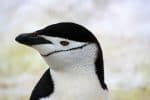
South Georgia and the South Sandwich Islands (SGSSI) are among the world's most wildlife-dense sub-Antarctic islands, defined by vast seabird and marine-mammal colonies concentrated on ice-free coasts and tussock slopes. The terrestrial fauna is extremely limited (no native land mammals, reptiles, or amphibians), but the surrounding Southern Ocean is exceptionally productive, supporting huge numbers of penguins, albatrosses and other seabirds, plus fur seals, elephant seals, and seasonal whales. Wildlife viewing is typically colony-based and spectacular in scale-beaches packed with seals, and slopes and plains covered in penguins-especially on South Georgia; the South Sandwich Islands add important (but rarely visited) volcanic breeding sites for some species such as chinstrap penguins.
South Georgia and the South Sandwich Islands (SGSSI) offers some of the planet's most concentrated, awe-inspiring sub-Antarctic wildlife viewing-especially king penguins, elephant seals, fur seals, and vast seabird colonies-set against glaciers and alpine peaks. Wildlife tourism is a key non-extractive economic activity for the Territory (alongside regulated fisheries), with most visitors arriving on expedition cruise ships that also contribute through landing fees, permitting, and guided operations. Tourism grew substantially from the late 20th century onward as polar expedition cruising expanded, and today visits are tightly managed to protect biosecurity and breeding sites. Accessibility is the main constraint: there are no commercial airports or scheduled services, no permanent civilian population, and landings depend on sea conditions, weather, and permitted sites. Nearly all travel is via multi-day expedition cruises (often including the Falkland Islands and/or Antarctica) with zodiac landings, strict wildlife-distance rules, and boot/gear decontamination to prevent invasive species and disease.
A UK territory with virtually no people-but millions of animals: there is no permanent civilian population, yet beaches and tussock slopes can be packed with dense wildlife assemblages (penguins, fur seals, elephant seals) during the breeding season.
The island once had reindeer herds-now completely gone: reindeer introduced for whalers in the early 1900s were fully eradicated (2013-2014), allowing native vegetation and bird habitat to recover.
One of the largest rodent-eradication projects ever pulled off: South Georgia's multi-year campaign to remove invasive rats (declared successful in 2018) is among the biggest island rodent eradications attempted, and it directly enabled the rapid rebound of the endemic South Georgia pipit across areas where it had vanished.
A polar island chain with an active lava lake: Mount Michael on Saunders Island (South Sandwich Islands) has been repeatedly reported to host a persistent lava lake-an extremely rare feature globally, and especially counter-intuitive in an icy sub-Antarctic setting.
World's largest known king penguin colony: St Andrews Bay, South Georgia, is widely cited as the biggest king penguin colony on Earth (on the order of 100,000+ breeding pairs, with totals fluctuating by year).
Global stronghold for Antarctic fur seals: South Georgia hosts the dominant share of the world's Antarctic fur seals-often cited at ~90%+ of the global breeding population-making it the species' main breeding centre.
One of the planet's biggest macaroni penguin concentrations: South Georgia supports one of the world's largest macaroni penguin populations, with colonies numbering in the hundreds of thousands of pairs at key sites.
Southernmost "songbird" breeder: the South Georgia pipit (endemic to South Georgia) is the world's southernmost regularly breeding passerine (perching bird), living farther south than any other songbird species.
9 species documented in our encyclopedia
Thank you for reading! Have some feedback for us?
We appreciate your help in improving our content.
Our editorial team will review your suggestions and make any necessary updates.
There was an error submitting your feedback. Please try again.