














P
Species Profile

Pointer Mix

Canis lupus familiaris

Born to sniff, built to zoom
Shannon West/Shutterstock.com

Pointer Mix Distribution

Domesticated Species

Found Worldwide

Pointer Mix (Canis lupus familiaris) is a pet dog with Pointer ancestry. It lives wherever people keep dogs — in cities, suburbs, and rural areas around the world. Found through adoption, rescue, or planned crosses, it is not a wild native species and has no natural wild range.

Size Comparison

Human 5'8"
Pointer Mix 1 ft 11 in

Pointer Mix stands at 34% of average human height.

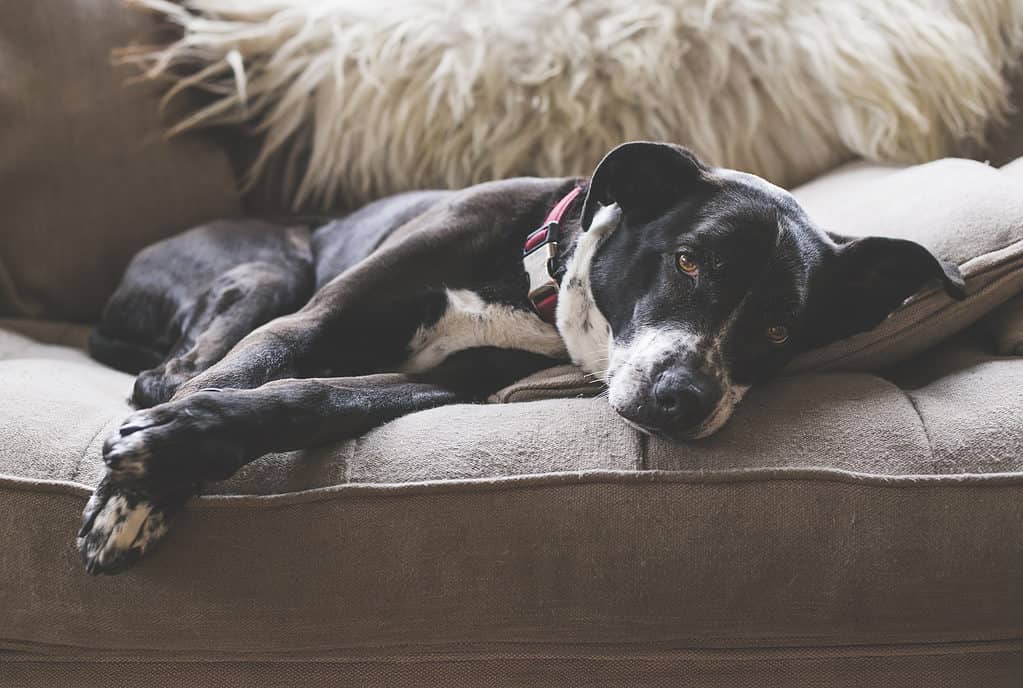
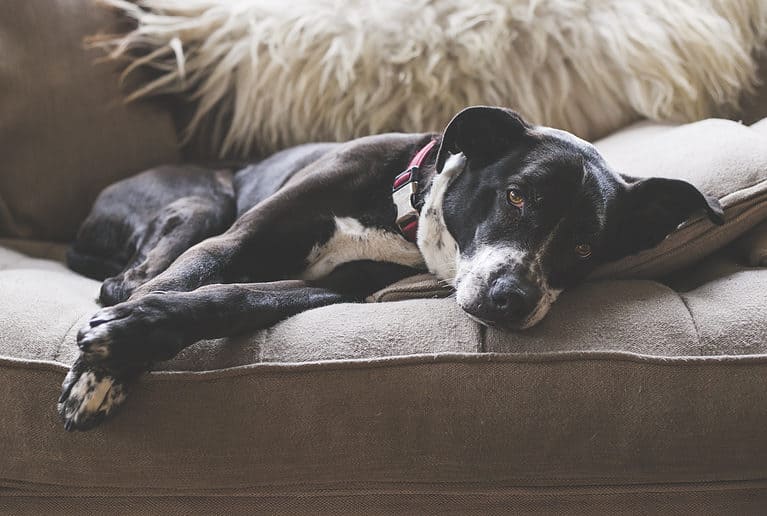
Pointer pit on a couch

At a Glance

Domesticated
Also Known As Mutt, Mongrel, Mixed-breed dog, Crossbreed, Heinz 57, Rescue dog, Shelter dog
Diet Omnivore
Activity Diurnal+
Lifespan 13 years
Weight 36 lbs
Status Not Evaluated
Did You Know?

"Pointer Mix" isn't a single standardized breed-DNA, size, and temperament can differ a lot between individuals.

Scientific Classification

A ‘Pointer Mix’ is not a single standardized breed; it indicates a domestic dog of mixed ancestry where a Pointer or pointer-type gundog breed is believed to be part of the lineage. Exact appearance and behavior vary widely depending on the other breed(s) involved.

Kingdom
Animalia
Phylum
Chordata
Class
Mammalia
Order
Carnivora
Family
Canidae
Genus
Canis
Species
Canis lupus

Distinguishing Features

  • Mixed-breed variability; often athletic, lean build if strong pointer influence
  • Commonly short coat (but can be wire/rough depending on ancestry)
  • May show ‘pointing’ behavior (freezing and indicating scent) and strong prey drive
  • Typically high energy and exercise needs when gundog ancestry is prominent

Physical Measurements

Males and females differ in size

Height
2 ft (1 ft 10 in – 2 ft 3 in)
1 ft 11 in (1 ft 8 in – 2 ft 2 in)
Length
3 ft 6 in (2 ft 11 in – 4 ft 1 in)
Weight
62 lbs (49 lbs – 75 lbs)
53 lbs (40 lbs – 66 lbs)
Tail Length
1 ft 1 in (10 in – 1 ft 4 in)
1 ft 3 in (12 in – 1 ft 6 in)
Top Speed
31 mph
running

Appearance

Primary Colors
Secondary Colors
Skin Type Canine skin with short-to-medium coat; usually close-lying, sometimes lightly undercoated depending on mix.
Distinctive Features
  • Mixed-breed domestic dog with Pointer ancestry; appearance and temperament vary widely by other parent breeds.
  • Often athletic, leggy build with deep chest and tuck-up; built for endurance running.
  • Commonly has a long muzzle, lean head, and medium drop ears; some mixes show semi-prick ears.
  • Frequently exhibits high prey drive and scenting/pointing tendencies; benefits from recall training.
  • Compared with the base species (gray wolf, Canis lupus), typically smaller-bodied, more variable coat colors, and more human-directed behavior due to domestication.
  • Care needs often include 60-120 minutes daily exercise, enrichment (nose work/field games), and positive reinforcement training.
  • Health concerns seen in many sporting mixes: hip/elbow dysplasia risk, ear infections (especially with drop ears), skin/allergy issues, and bloat risk in deep-chested individuals.
  • Grooming commonly low-to-moderate: weekly brushing; routine ear checks/cleaning and nail trims are important.

Sexual Dimorphism

Sexual dimorphism is usually mild: males often run larger with broader head and chest, while females are slightly lighter and narrower. Exact differences vary with the non-Pointer ancestry and overall size class.

  • Often 5-15% heavier with thicker neck and broader chest
  • May have more pronounced head width and musculature
  • Often slightly smaller with a narrower chest and lighter frame
  • May appear more refined through the waist and head

Did You Know?

"Pointer Mix" isn't a single standardized breed-DNA, size, and temperament can differ a lot between individuals.

Many inherit the classic "point": freezing with a lifted paw and nose aimed at scent, a behavior shaped by gundog selection.

Dogs (Canis lupus familiaris) share the gray wolf's species (Canis lupus), but have been shaped by humans for thousands of years into diverse forms and jobs.

Pointer-type dogs were developed to locate game by scent and indicate it for hunters, rather than chase or retrieve.

Some Pointer mixes excel in scent sports (nose work, tracking) because they combine strong olfaction with high drive.

Deep-chested Pointer-type builds can be associated with higher risk of gastric dilatation-volvulus (bloat) compared with more barrel-shaped bodies.

Because it's a mix, coat can range from sleek and short to slightly longer-grooming needs depend on the non-Pointer ancestry.

Unique Adaptations

  • Enhanced scent-processing capacity typical of dogs (far beyond humans), often expressed as persistent odor-tracking behavior in Pointer-leaning mixes.
  • Behavioral "point" and controlled stalking-an inherited hunting sequence modified by selective breeding to pause and indicate rather than pounce.
  • Lean, efficient gait and endurance-oriented musculature commonly seen in pointer-type gundogs, supporting long periods of field work.
  • Heat management tendencies: short coats (common in Pointer ancestry) may aid running in warm weather, though hydration and rest are still essential.
  • Trainability for cooperative hunting tasks-many do well with reward-based training that channels drive into structured work.

Interesting Behaviors

  • Pointing or "statue freeze" when catching scent (often with a lifted front paw).
  • Quartering: sweeping side-to-side in front of a handler to pick up odor on the breeze.
  • High "nose-down" exploration on walks; may zig-zag as scent intensity changes.
  • Strong chase/prey interest in birds or small mammals; careful recall training is often important.
  • Burst-style athletic play-short sprints, sharp turns, then quick recovery.
  • People-oriented shadowing at home after exercise needs are met; can become restless if under-stimulated.
  • Vocal variety varies by mix-some are quiet, others may whine when excited or frustrated (common in high-drive dogs).

Cultural Significance

Pointer mixes come from European field gundogs that pointed out birds by scent. Today they are common in shelters and rescues and often take part in dog sports like nose work, canicross, and agility with people.

Myths & Legends

In Norse tradition, the monstrous wolf Fenrir is fated to break free and plays a central role in Ragnarok, reflecting the awe and fear wolves inspired across northern Europe.

Ancient Egyptian belief associated canid-headed Anubis with mummification and guiding souls, drawing on the presence of jackals/dogs around cemeteries and the broader spiritual role of canids.

Greek myth tells of Laelaps, a dog destined always to catch its prey; when set to chase the uncatchable Teumessian fox, the paradox ended with both turned to stone and placed among the stars.

Across parts of Britain and northern Europe, folklore speaks of spectral "black dogs" (such as the Barghest) as omens or guardians, a theme that echoes enduring cultural fascination with canids.

In hunting lore surrounding early pointing dogs in Europe and Britain, stories celebrate uncanny "bird sense"-dogs that seemed to know game was present before humans did-anecdotes that helped romanticize the pointer's hallmark freeze and signal.

Conservation Status

NE Not Evaluated

Has not yet been evaluated against the criteria.

Population Stable

Life Cycle

Birth 7 pups
Lifespan 13 years

Lifespan

In the Wild
10–15 years
In Captivity
10–16 years

Reproduction

Mating System Promiscuity
Social Structure Managed Domestic
Breeding Pattern Transient
Fertilization Internal Fertilization
Birth Type Internal_fertilization

Pointer Mixes reproduce like other domestic dogs: females in estrus may accept multiple males, but breeding is usually human-controlled. Pair bonds are not stable; mating encounters are brief and driven by access, timing, and management choices.

Behavior & Ecology

Social Pack Group: 4
Activity Diurnal, Crepuscular, Cathemeral
Diet Omnivore Meat-forward, high-protein foods (e.g., poultry, beef, fish-based diets) often highly motivating-especially when used as training rewards for scent work and field-style tasks.

Temperament

Pointer-leaning gundog tendency: high stamina, athleticism, and strong motivation to range and explore.
Biddable and people-oriented versus base species (wolf): more human-directed social bonding and reduced wariness.
Heightened prey drive and scent/visual tracking; may chase birds/small mammals without strong recall training.
Generally friendly, affiliative, and playful; may be exuberant and mouthy when under-exercised.
Often sensitive/soft to harsh corrections; responds best to reward-based training and clear structure.
Variation across the group is wide: other ancestry can shift toward guarding, herding, or more sedentary traits.
Common stress risk: separation-related behaviors in under-stimulated individuals; benefits from routine and enrichment.
Care requirement: daily vigorous exercise plus nosework/retrieving games; mental fatigue reduces nuisance behaviors.
Care requirement: early socialization and impulse control; leash skills and recall are safety-critical outdoors.
Health concerns seen in pointer-type mixes: hip/elbow dysplasia, cruciate injury risk in active dogs, bloat predisposition in deep-chested individuals.
Health concerns: ear infections (floppy ears), allergies/skin irritation, and occasional anxiety-related issues.
Care requirement: regular ear checks/cleaning, nail/foot pad care, and weight management to protect joints.

Communication

barking Alert, demand, frustration
whining/whimpering Attention, anxiety, anticipation
growling Warning, play, resource tension
howling Less common; social contact or environmental triggers
classic pointing/freeze posture to indicate detected scent or visual target
tail carriage and wag patterns signaling arousal, friendliness, or uncertainty
body blocking, pawing, and nudging to solicit play or attention
scent investigation and marking during exploration; information-gathering is highly reinforcing
eye contact and head turns to reference humans; checks in more than wild canids
play bows, bouncy gait, and soft mouth during social play; escalates if overstimulated

Habitat

Biomes:
Temperate Forest Temperate Grassland Boreal Forest (Taiga) Tundra Alpine Mediterranean Savanna Desert Hot Desert Cold Tropical Dry Forest Tropical Rainforest Wetland Freshwater +7
Terrain:
Plains Hilly Valley Coastal Island Riverine Mountainous Plateau Rocky Sandy Muddy Karst Volcanic +7
Elevation: Up to 16404 ft 3 in

Ecological Role

Human-associated omnivorous mesopredator/commensal; primarily a companion animal with optional working roles (sporting/gundog, detection, field companion).

localized rodent/pest deterrence and occasional control scavenging/organic waste consumption (undesirable in many settings but ecologically relevant) support of human activities (hunting companion, scent/detection work) social/mental health benefits to humans (companionship) can influence local wildlife behavior through presence and predation pressure when roaming

Diet Details

Main Prey:
Small mammals Ground-nesting and upland birds Waterfowl Invertebrates Livestock carrion and offal
Other Foods:
Grasses Berries and fallen fruit Roots, tubers and plant scraps Vegetables Grains and starches Fungi and decaying organic matter

Human Interaction

Domestication Status

Domesticated

Pointer Mix (Canis lupus familiaris) is a mixed-breed dog with pointer-type gundog ancestry, not a standard breed. They often have a strong sense of smell, a strong chase instinct, a tendency to point, high endurance, athletic bodies, and are trainable. They serve as family pets, hunting or sport dogs, detection or service dogs, or rescues; high energy can cause surrender.

Danger Level

Low
  • bite risk if fearful, under-socialized, in pain, or poorly supervised with children
  • knock-down or injury from exuberant jumping/zoomies (often medium-to-large, athletic dogs)
  • prey drive leading to chasing (risk of collisions, pulling handlers, grabbing small pets if unmanaged)
  • resource guarding or reactivity in some individuals (highly variable due to mixed ancestry)
  • bloat/GDV risk in deep-chested mixes can create emergency situations for owners (danger is indirect but time-critical)

As a Pet

Suitable as Pet

Legality: Pointer Mix (Canis lupus familiaris) is mostly legal in most places, but local rules (licenses, leash laws), housing/HOA rules, rare breed bans, and hunting use may need permits and follow gun and game laws.

Care Level: Moderate

Purchase Cost: Up to $1,200
Lifetime Cost: $15,000 - $45,000

Economic Value

Uses:
Companion animal (household pet) Hunting and field work (pointing/retrieving support depending on mix) Sport and recreation (running partner, agility, canicross, dock diving) Scent work/detection (informal to professional, individual-dependent) Animal-assisted therapy/service potential (temperament-dependent) Rescue/adoption ecosystem (shelters, foster programs, training services)
Products:
  • hunting/field performance labor (guiding/working value where used)
  • paid training/behavior services (high demand due to energy/drive)
  • sport participation and related services (classes, trials, equipment)
  • standard pet-economy spending (food, veterinary care, grooming, boarding/daycare)

Relationships

Pointers were bred as working dogs and are well-known for their stamina. Due to their high-energy drives, they are lean and athletic. Additionally, pointers are large dogs weighing between 45 and 75 pounds, and their height ranges from 23 to 28 inches. These dogs are loyal, intelligent, and trainable; this, combined with their calm demeanor, results in a fun-loving and enthusiastic pup.

Pointers are generally comfortable with kids but won’t accept rambunctious, noisy, and intimidating children. However, they are an excellent companion for older children who can devote a lot of time to activities, exercise, and training. They can become destructive if they don’t get enough mental and physical stimulation.

Pointer mixes share some of these traits but can also inherit positive characteristics from the other parent breed. For example, this article will focus on the pointer pit (pit bull and pointer mix), but first, take a look at other interesting pointer mixes.

Types of Pointer Mixes

While there are several pointer mixes, and they are all adorable, here are three of the most popular hybrids:

Boingle (Pointer and Beagle Mix)

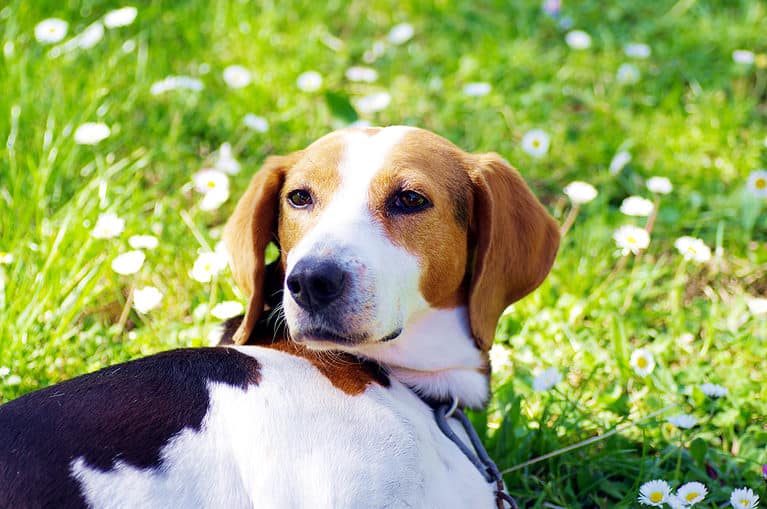
Boingle on the grass

Boingles are a mix between a beagle and a pointer.

The boingle also goes by the name beagle point and is the epitome of both parent breeds. They are eager to please, intelligent, and happy, making them easy to train. However, their curiosity can get the better of them, and you might find these hybrids in some sticky situations.

This pointer mix is generally medium-sized with smooth, short coats. But don’t let their silky fur fool you; they shed a lot. They usually come in tricolored patterns of brown, white, tan, or black. Additionally, if they take after the pointer, their coats are water-resistant.

Lab Pointer (Labrador Retriever and Pointer Mix)

Lab pointer isolated

The Lab pointer is a mix between a Labrador retriever and a pointer.

When you crossbreed a pointer and a Labrador, you get a Lab pointer. These hybrids are fun-loving, energetic, and playful. Their gentle nature and medium stature make them great rescue dogs, but they also excel as hunting dogs and watchdogs. However, they are excellent companions due to their loving, calm, and loyal natures. Unfortunately, the Lab pointer can suffer from separation anxiety and won’t do well in homes where the owners are absent most of the time.

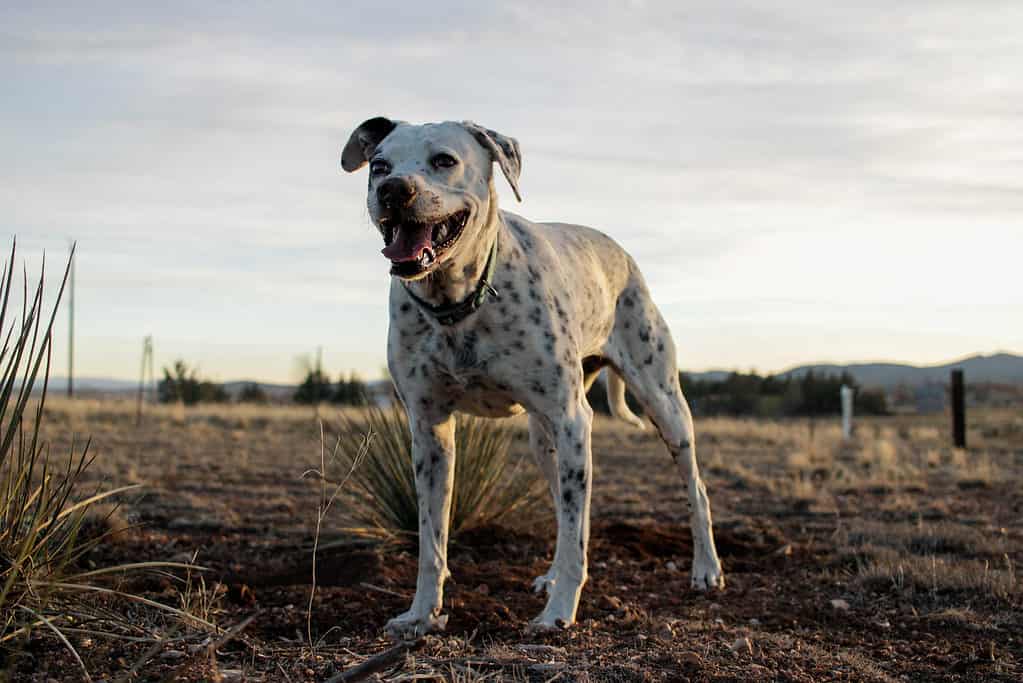
Pointer Heeler Mix (Australian Cattle Dog and Pointer Mix)
A pointer heeler isolated

The pointer heeler mix is a cross between an Australian cattle dog and a pointer.

The pointer heeler mix is a cross between an Australian cattle dog and a pointer, making one unique mix. It’s hard to determine their traits as they can take after either parent. However, their appearance usually mimics the pointer, and they generally have spotty patches on their coats. Additionally, these hybrids are extremely energetic because both parent breeds are active dogs. Therefore, they need plenty of outdoor space to run around and play.

Pros and Cons of Owning a Pointer Mix

ProsCons
Loving and loyal toward their ownersAssertive and stubborn, and will require vigorous training
Responds well to training if rewardedNot a good mix breed for first-time owners
Low-grooming needsCan suffer from several health conditions

The Best Dog Food for a Pointer Mix

Firstly, you must ensure your pointer mix gets enough nutrients by choosing premium dog food appropriate for their age. For example, older dogs need food specifically formulated for seniors. Secondly, check the ingredient list; if protein is not the first ingredient, it’s not a good choice.

These large dogs require around three cups of kibble daily, especially if they are active. However, do not free-feed them; instead, sustain them throughout the day by giving them three separate meals. In addition, replace fatty treats with healthier options or vegetables to deter weight gain.

Size and Weight

The pointer pit is a medium to large-sized dog, and its weight generally varies between 30 and 75 pounds. Additionally, it can grow to heights of 17 to 28 inches when fully grown. However, due to their size and energy levels, these hybrids need a lot of space to roam, so they are not suited to apartment living.

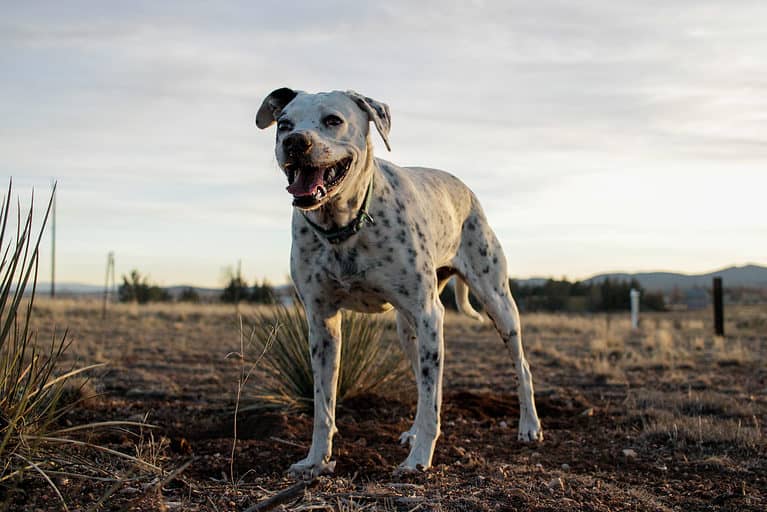
Pointer pit isolated

Pointer pits are friendly, high-energy dogs that require plenty of exercise.

Common Health Issues

Unfortunately, this pointer mix can inherit many health conditions from its parent breeds. So, it’s best to observe your canine companion for symptoms of the following health concerns:

Cataracts

This hereditary condition clouds the lens of the dog’s eyes, making them opaque and impairing its vision. If not treated, cataracts can progress over the years and eventually cause blindness.

Allergies

Some pointer mixes experience allergies if exposed to allergens from insects, food, and plants. Symptoms include itching around the area or sometimes over the entire body, wheezing, coughing, and runny discharge from the nose or eyes.

Hip Dysplasia

If you notice your dog has a limp, it could be a symptom of hip dysplasia. Unfortunately, this is a genetic condition caused by a deformed hip joint, which results in pain in a dog’s hind legs. Therefore, if left untreated, it will worsen and eventually lead to arthritis.

Heart Disease

Because pit bulls are prone to a type of heart disease called aortic stenosis, there is a good chance your pointer pit is also susceptible to this condition. Unfortunately, this disease is very hard to detect as no evident signs exist. Therefore, the only way to diagnose this condition is through a series of physical exams.

Hypothyroidism

This condition is due to an underactive thyroid, which is responsible for regulating your canine’s metabolic rate. Therefore, once affected, your pup can suddenly gain weight, become lethargic, or start to shed uncontrollably.

Life Expectancy

A pit bull’s lifespan is typically 8 to 16 years, while pointers can live between 12 and 14 years. So, if the pointer pit is cared for properly, they can live anywhere between 8 and 16 years of age.

Temperament

With regular training and socialization, the pointer pit can be a caring and friendly dog. However, this is not the right designer breed for novice owners, as they are powerful and stubborn. Therefore, they need a strict training routine from a young age and a dominant, forceful trainer. For those first-time dog owners, there are other hybrids like the Lab pointer, which are much more compatible. Additionally, these dogs aren’t suited to homes with children as they are headstrong and challenging to train. However, when teaching these hybrids, avoid punishment-based training as it could result in aggressive pushback. Instead, they respond best to reward-based training and enjoy the positive attention and treats. This pointer mix is not considered a bully breed; they lean more toward the hound dog category.

How to Take Care of a Pointer Mix

One of the best things about owning a pointer pit is its low-maintenance requirements. Besides their high energy needs, it’s pretty much a breeze looking after these gorgeous canines.

Grooming

The pointer pit does not require a lot of brushing; its short coat only needs a brush once a week. However, their floppy ears are perfect carriers for dirt and debris, so they need a good cleaning once a week. Additionally, wipe away the discharge in their eyes. If you are unsure how to clean their ears, consult your trusted veterinarian about the best course of action.

Bathing should be kept to a minimum as it washes their natural oils away, which are responsible for keeping their skin moisturized and healthy. Furthermore, their nails need trimming every three months or when they touch the ground.

Lastly, their oral health is very important, so brushing their teeth with dog-friendly toothpaste at least three times a week is ideal. However, brushing them every day is preferred. If your dog doesn’t like this sensation, don’t force them; dental chews also work well.

Training

Socializing and training this pointer mix from a young age is crucial to their well-being. They are highly intelligent but incredibly stubborn. However, training them is not impossible with a firm, dominant trainer and a lot of patience, consistency, and rewards. It is essential not to use punishment–based training on this breed, as it can result in aggressive behavior. They respond best to praise or treats.

Exercise

Because this hybrid’s parents are both high-energy breeds, the pointer pit has a lot of energy to burn. As a result, they will need at least 60 minutes of vigorous exercise daily and plenty of outdoor time in a large, secure space. Furthermore, owners also need to provide these pups with a lot of mental stimulation. Training or puzzle toys are ideal activities; they also enjoy obstacle courses, as it allows for both physical and mental stimulation.

Puppies

Pointer pits can give birth to litters of 5-10 puppies. These pups are balls of energy, mischievous, and like to test the boundaries, so they need training almost immediately. In addition, they have a high tendency to chew, so make sure you puppy-proof your house before bringing one home.

Pointer Mix and Children

While the pointer pit is friendly and loyal, they are not suited for families with young children. Training these dogs is tough, and there is a good chance they can knock a small child over in excitement. However, they are incredible companions for older children who can give them a lot of attention. Unfortunately, these hybrids will become destructive by chewing, barking, or digging if they do not receive enough mental and physical stimulation. These pointer mixes make excellent watchdogs, especially for children. They get this trait from their pit bull parent, known as a “nanny dog,” due to their reputation for protecting children.

Pointer Mix Cost

Buying one of these pointer mixes is not cheap. Reputable breeders often charge between $800 to $1,800 for a pup. Many factors influence the price of these hybrids, including the breeder’s reputation, location, and pedigree.

The second option is to approach shelters, pointer rescues, or pit bull rescues and make an inquiry. If they don’t have any pointer mixes, give them your contact details and ask them to notify you if they come across one.

View all 247 animals that start with P

Sources

  1. Bubbly Pet / Accessed January 28, 2023
  2. The Happy Puppy Site / Accessed January 28, 2023
  3. Pet Dog Owner / Accessed January 28, 2023
Chanel Coetzee

About the Author

Chanel Coetzee

Chanel Coetzee is a writer at A-Z Animals, primarily focusing on big cats, dogs, and travel. Chanel has been writing and researching about animals for over 10 years. She has also worked closely with big cats like lions, cheetahs, leopards, and tigers at a rescue and rehabilitation center in South Africa since 2009. As a resident of Cape Town, South Africa, Chanel enjoys beach walks with her Stafford bull terrier and traveling off the beaten path.
Connect:

Thank you for reading! Have some feedback for us?


Pointer Mix FAQs (Frequently Asked Questions)

With regular training and socialization, the pointer pit can be a caring and friendly dog. However, this is not the right designer breed for novice owners as they are powerful and stubborn. Therefore, they need a strict training routine from a young age and a dominant, forceful trainer.