

B
Species Profile

Braque Francais

Canis lupus familiaris

French finesse, steady point.
Annabel Gsoedl/Shutterstock.com

Braque Francais Distribution

Click a location to explore more animals from that region

Origin Location

This map shows the native origin of the Braque Francais. As a domesticated species, they are now found worldwide.

Loading map...

Found in 1 country

Size Comparison

Human 5'8"
Braque Francais 1 ft 11 in

Braque Francais stands at 34% of average human height.

Braque francais

At a Glance

Domesticated
Also Known As Dog, Domestic dog, Canine, House dog, Pooch, Pup, Puppy, Man's best friend
Diet Omnivore
Activity Cathemeral+
Lifespan 5 years
Weight 32 lbs
Status Not Evaluated
Did You Know?

The breed's name is associated with the French tradition of pointing dogs-dogs bred to freeze and indicate game rather than chase it.

Scientific Classification

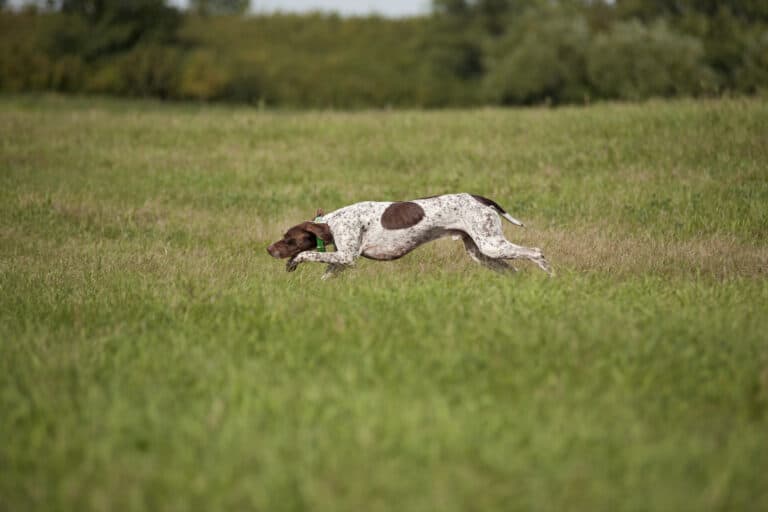
The Braque Français is a French breed of pointing dog (gundog) developed for hunting, known for its cooperative temperament, strong pointing instinct, and versatility in field work.

Kingdom
Animalia
Phylum
Chordata
Class
Mammalia
Order
Carnivora
Family
Canidae
Genus
Canis
Species
Canis lupus

Distinguishing Features

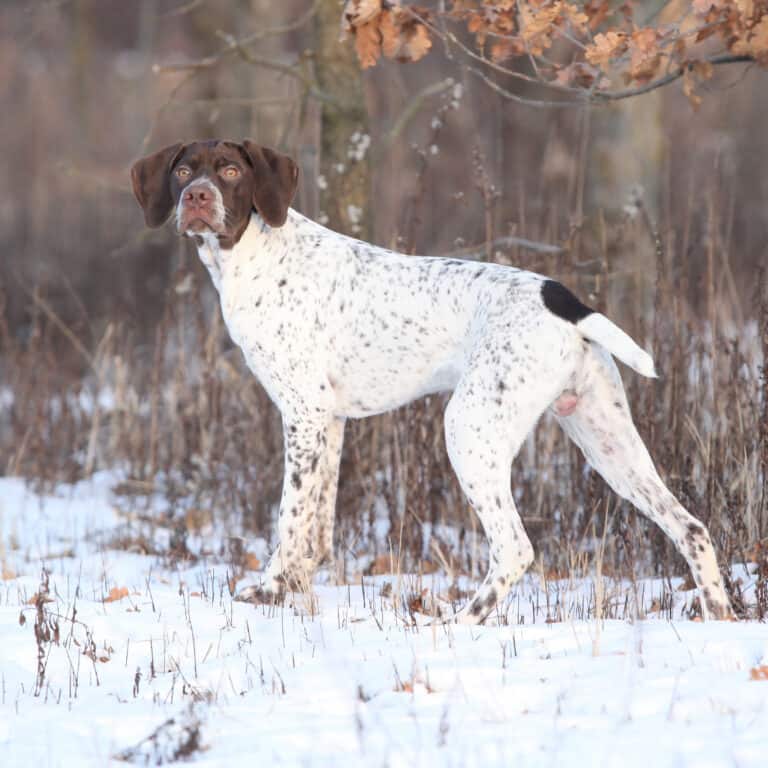
  • Short-coated French pointing dog (braque type)
  • Built for endurance and field work; strong pointing behavior
  • Commonly seen in brown-and-white (often with ticking/roan) or solid brown with white markings
  • Two main varieties: larger Gascogne type and smaller Pyrénées type

Physical Measurements

Males and females differ in size

Height
♂ 1 ft 10 in (1 ft 7 in – 2 ft)
♀ 1 ft 10 in (1 ft 7 in – 2 ft 2 in)
Length
♂ 3 ft 5 in (2 ft 9 in – 3 ft 11 in)
Weight
♂ 60 lbs (37 lbs – 71 lbs)
♀ 53 lbs (37 lbs – 71 lbs)
Tail Length
♂ 1 ft 5 in (1 ft 2 in – 1 ft 8 in)
♀ 1 ft 1 in (10 in – 1 ft 4 in)
Top Speed
31 mph
Short bursts, not long chases

Appearance

Primary Colors
Secondary Colors
Skin Type Short, fine, close-lying double coat (light undercoat in many lines) over elastic, fairly tight skin; low feathering. Skin and mucosa typically well-pigmented for outdoor work.
Distinctive Features
  • Domestic dog (Canis lupus familiaris) selectively bred for cooperative pointing and versatile gundog work-unlike the base species (gray wolf), this breed is human-directed, biddable, and specialized for locating/indicating game rather than pack hunting.
  • French breed with two varieties: Braque Francais, Gascogne type (larger, heavier, longer ears) and Pyrenees type (lighter, more compact, quicker in tight cover). Do not treat as single fixed size.
  • Head and expression: refined but not extreme; long ears set at/near eye level, typically hanging and slightly curled; soft, attentive expression typical of cooperative pointing dogs.
  • Athletic, moderately rectangular body with a deep chest for endurance. Strong but not heavy bones, especially in the Pyrénées variety. Tail usually held level with the back; tail length varies by line and region.
  • Field behavior: pronounced pointing instinct (rigid 'point' stance with focused gaze), strong nose, methodical quartering, and a cooperative temperament suited to working closely with the handler; generally versatile for upland game and some retrieving.
  • Temperament in a home: typically gentle, social, and people-oriented; can be sensitive to harsh training-responds best to reward-based methods and consistent cues.
  • Needs lots of daily exercise and mental work (runs, scent games, training) or may become restless and bothersome. Coat needs weekly brushing; check and clean hanging ears often.
  • Many medium-to-large gundogs face ear infections (ear shape and outdoor debris), hip and elbow dysplasia, and some eye problems. Keep dogs lean, get regular vet checks, and train before hunting.
  • Working-dog considerations: prone to pad/nail wear and minor field abrasions; benefit from gradual preseason conditioning, hydration planning, and parasite/tick prevention.

Sexual Dimorphism

Sexual dimorphism in domestic dogs is generally present but variable by breed; males are typically larger and heavier, with broader heads and greater overall robustness, while females are usually slightly smaller and finer-boned.

♂
  • Slightly broader head and muzzle; more pronounced musculature through neck/shoulders.
  • Often heavier bone and a more substantial chest, particularly in the Gascogne type.
♀
  • Typically a finer, lighter frame with a more refined head.
  • Often slightly narrower chest and lighter overall build, while retaining athletic proportions.

Did You Know?

The breed's name is associated with the French tradition of pointing dogs-dogs bred to freeze and indicate game rather than chase it.

The French Pointer has two recognized varieties: the larger, heavier Gascony type and the smaller, quicker Pyrenees type.

Compared with wolves (Canis lupus), this breed is strongly selected for human-directed cooperation-checking in, working close, and taking hand/whistle cues.

Its short coat and athletic build make it a classic "all-day in the field" dog that can hunt feather and (in some lines) fur.

Many are known for a naturally "soft mouth," helping retrieve birds with minimal damage.

They're often described as "easy keepers" in grooming-low coat maintenance-but high in daily exercise needs.

Domestic dogs were the first domesticated animal, derived from gray wolves, with clear archaeological evidence of domestication by at least about 14,000 years ago.

Unique Adaptations

  • Selective breeding for cooperative hunting: unlike the base species (wolf), success is tied to teamwork-pointing, waiting, and taking direction rather than pursuing prey independently.
  • Air-scenting efficiency: a high-performance olfactory system (shared across Canis lupus) paired with a breed-typical, steady "freeze" response that communicates scent location to humans.
  • Athletic, moderate frame and short coat: suited to covering varied terrain with less burr/brush retention than longer-coated gundogs (though still needing tick checks).
  • Temperament selection for steadiness: reduced reactivity around gunfire and movement, supporting controlled field behavior.
  • Variety-specific build: the Gascony type's heavier structure favors endurance and a measured pace; the Pyrenees type's lighter build favors agility and speed in tighter cover.

Interesting Behaviors

  • Intense pointing instinct: the dog may stop mid-stride, body rigid, nose fixed, tail held to indicate hidden game.
  • Methodical quartering: sweeping back-and-forth in front of the hunter to cover ground efficiently while staying within range.
  • Strong handler focus: frequent check-ins and quick responsiveness compared with more independent hunting canids.
  • Gentle retrieval style ("soft mouth") with careful carry and deliberate delivery to hand in well-trained dogs.
  • Scent-casting and head-lift tracking: alternating nose-to-ground scenting with air-scenting to locate birds on wind.
  • At home, many switch to "off-duty calm," seeking close contact and settling near family once exercise needs are met.

Cultural Significance

The French Pointer is part of France's gundog tradition, an easy to train, close-working dog that finds game, points, and brings it back. Two varieties link to Gascony and the Pyrenean foothills and to practical hunter culture, tying past pointers to today's field dogs.

Myths & Legends

Hunters have long claimed that good pointing dogs seem "born knowing how to point," because the pointing stance is largely instinctive and can appear in young dogs with little or no training.

Stories from southwestern France often describe local hunters favoring a dependable pointer that worked close and waited for the gun, contrasting with tales of wilder canids that vanish over the next ridge.

The breed's name reflects its long French hunting heritage, and the French Pointer is commonly described as one of France's oldest pointing dog types.

Historical anecdotes from European sporting circles recount that French pointers (including the braque types) influenced the development of other continental pointing dogs as hunters traded dogs and ideas across borders.

Post-war breed histories commonly recount dedicated French breeders rebuilding and safeguarding regional lines so the French Pointer remained a working dog of the countryside rather than disappearing into history.

Conservation Status

NE Not Evaluated

Has not yet been evaluated against the criteria.

Population Stable

Life Cycle

Birth 6 pups
Lifespan 5 years

Lifespan

In the Wild
3–8 years
In Captivity
10–15 years

Reproduction

Mating System Polygyny
Social Structure Managed Domestic
Breeding Pattern Serial
Fertilization Managed Selective
Birth Type Managed_selective

French Pointer (Canis lupus familiaris) breeding is human-managed: people pick mates, time matings, and often use a few sires across many dams (popular-sire polygyny). No lasting pair bonds; pups are raised by the dam and humans.

Behavior & Ecology

Social Pack Group: 4
Activity Cathemeral, Diurnal, Crepuscular
Diet Omnivore High-value animal protein (fresh meat or meat-based training treats)

Temperament

Breed distinction vs base species (wolf): markedly reduced fear/avoidance of humans, enhanced social flexibility, and strong human-directed cooperation; less reliance on cohesive kin-based pack hunting and more on handler-guided work.
French Pointing Dog (pointing gundog) profile: cooperative, biddable, people-oriented, and typically soft to moderate in sensitivity; thrives on clear cues and positive reinforcement.
Strong pointing instinct and prey drive; tends to freeze/stand on scent (point) rather than rush in-distinguishes its working style from many companion-only breeds.
High field stamina and enthusiasm; needs daily aerobic exercise plus structured training/mental work (search patterns, retrieves, steadiness) to prevent restlessness or nuisance behaviors.
Generally sociable with familiar dogs and household members; can be reserved with strangers but usually not sharp; early, broad socialization reduces timidity or over-excitement.
Friendly, gentle, docile, and affectionate; generally obedient and easy to train.
Potential behavior challenges: adolescent impulsivity, jumping/mouthing from excitement, distraction by scent trails; benefits from impulse-control work and consistent boundaries.
Breed-specific care requirements: regular off-leash running in safe areas, scent games, and field-style training; avoid long periods of isolation (can develop separation-related distress).
Health issues: hip dysplasia (manage with exercise and weight control), ear infections from drop ears (clean and dry), bloat/GDV in deep-chested dogs (meal care, avoid hard exercise after eating), and eye problems—screen and breed responsibly.

Communication

bark Often context-specific: alerting, excitement, play
whine/whimper Attention-seeking, frustration, arousal
growl Warning, discomfort, resource guarding
howl Less frequent than in wolves; may occur with sirens or social arousal
yip Play or high arousal
Body language: tail carriage and wag style, ear position, facial tension, and play bow; domestic dogs use these visual signals to communicate arousal state, intent, and affiliative or appeasement behavior.
Scent communication: urine marking and sniff investigation; heavily scent-driven in the field, using ground and air-scenting depending on conditions and training.
Pointing posture: still, forward-leaning stance with intense gaze and often lifted forelimb-breed-typical nonvocal signal indicating game scent.
Mouth/hold behaviors: gentle carrying/soft mouth is commonly trained for retrieves; may mouth objects when excited if under-stimulated.
Human-directed signaling: frequent eye contact/check-ins, orienting to handler movement, and learned cue responses (whistle/hand signals) typical of versatile gundog work.

Habitat

Biomes:
Temperate Forest Temperate Grassland Mediterranean Boreal Forest (Taiga) Tundra Alpine Desert Hot Desert Cold Savanna Tropical Dry Forest Tropical Rainforest Wetland Marine +7
Terrain:
Plains Hilly Valley Riverine Coastal Rocky
Elevation: Up to 16404 ft 3 in

Ecological Role

Domesticated omnivorous canid and human-associated hunting partner; functions as a managed mesopredator/companion rather than a self-sustaining apex predator like wild Canis lupus.

assists humans in locating and retrieving game (field utility) pest deterrence around human settlements companion/working relationship with humans (social and service value) can influence local wildlife interactions if free-roaming (managed to minimize impacts)

Diet Details

Main Prey:
Upland game birds Rabbits and hares Small mammals Opportunistic animal protein sources
Other Foods:
Starches and grains vegetables Fruits Plant fibers and greens

Human Interaction

Domestication Status

Domesticated

Canis lupus familiaris (domestic dog) comes from the gray wolf and was shaped by thousands of years of human selection for tameness, talking to people, and jobs like hunting and herding. Dogs show less fear of people, smaller skulls and teeth, more flexible behavior, and learning from people. Humans keep dogs for companionship, sport, service, breeding, care, rescue and training.

Danger Level

Low
  • Bite risk exists like any dog, typically linked to poor socialization, pain/illness, resource guarding, or mishandling-generally not a high-risk breed when well bred and trained
  • High prey drive and hunting focus can cause chasing behavior (risk to small pets; can lead to accidents if the dog darts into roads)
  • Field-related risks during hunts (accidental collisions, leash burns, or injuries around firearms/rough terrain-managed through training and safe handling)
  • Large, athletic dog can inadvertently knock over small children/elderly if under-exercised or poorly mannered

As a Pet

Suitable as Pet

Legality: Canis lupus familiaris: generally legal as a pet in many places but must follow local dog rules — license, leash, shots (rabies), and barking limits. Some areas restrict certain breeds or label dogs 'dangerous' after bad behavior or incidents.

Care Level: Moderate

Purchase Cost: $800 - $2,500
Lifetime Cost: $20,000 - $55,000

Economic Value

Uses:
Companion animal market Hunting and sporting industry Breeding and kennel operations Veterinary and preventive healthcare services Training services (obedience, gun-dog training) Pet supplies (food, crates, tracking collars)
Products:
  • Hunting/field services (guided hunts, trained gundog work)
  • Puppy sales and stud services (reputable breeding)
  • Training packages (basic manners through advanced field training)
  • Equipment purchases driven by ownership (leads, e-collars where legal, GPS trackers, crates, grooming tools)
  • Veterinary care demand (vaccines, parasite control, orthopedic screening)

Quick Take

  • Securing ancestor status for all shorthaired pointing breeds requires a lineage reaching the 15th century.
  • The Gascony type creates a weight problem that complicates its utility as a working dog.
  • Counterintuitively, this active hunter fails as a guard dog by befriending potential intruders.
  • Rigorous early socialization is necessary to manage natural hunting instincts around small children.

The Braque Francais was initially bred for hunting, but today it makes a great companion. Their English name is the French Pointing Dog.

Because these dogs are people pleasers and one of the least dominant breeds around, they are easy to train and fit in well with families who have young children due to their friendly temperament.

An educational infographic about the Braque Francais dog breed featuring illustrations of the dog, its history, pros and cons, care instructions, and health facts.
Meet the ancient ancestor of all shorthaired pointers—a legendary 15th-century hunter that’s more likely to befriend a burglar than bark at one. © A-Z Animals

History Of The Breed

The Braque Francais is an older breed of dog, having been in existence since the 15th century, and is considered the common ancestor to all of the short-haired pointing breeds that exist today. It was bred to hunt in the Pyrenees Mountain range, on the border of France and Spain. It is believed that this breed is a descendant of two types of gun dogs — the Old Spanish Pointer and the now-extinct Southern Hound.

Types Of Braque Francais
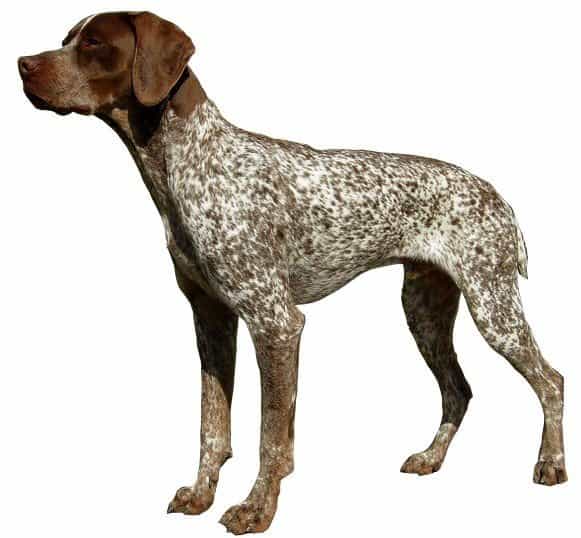
Types of Pointer Dogs

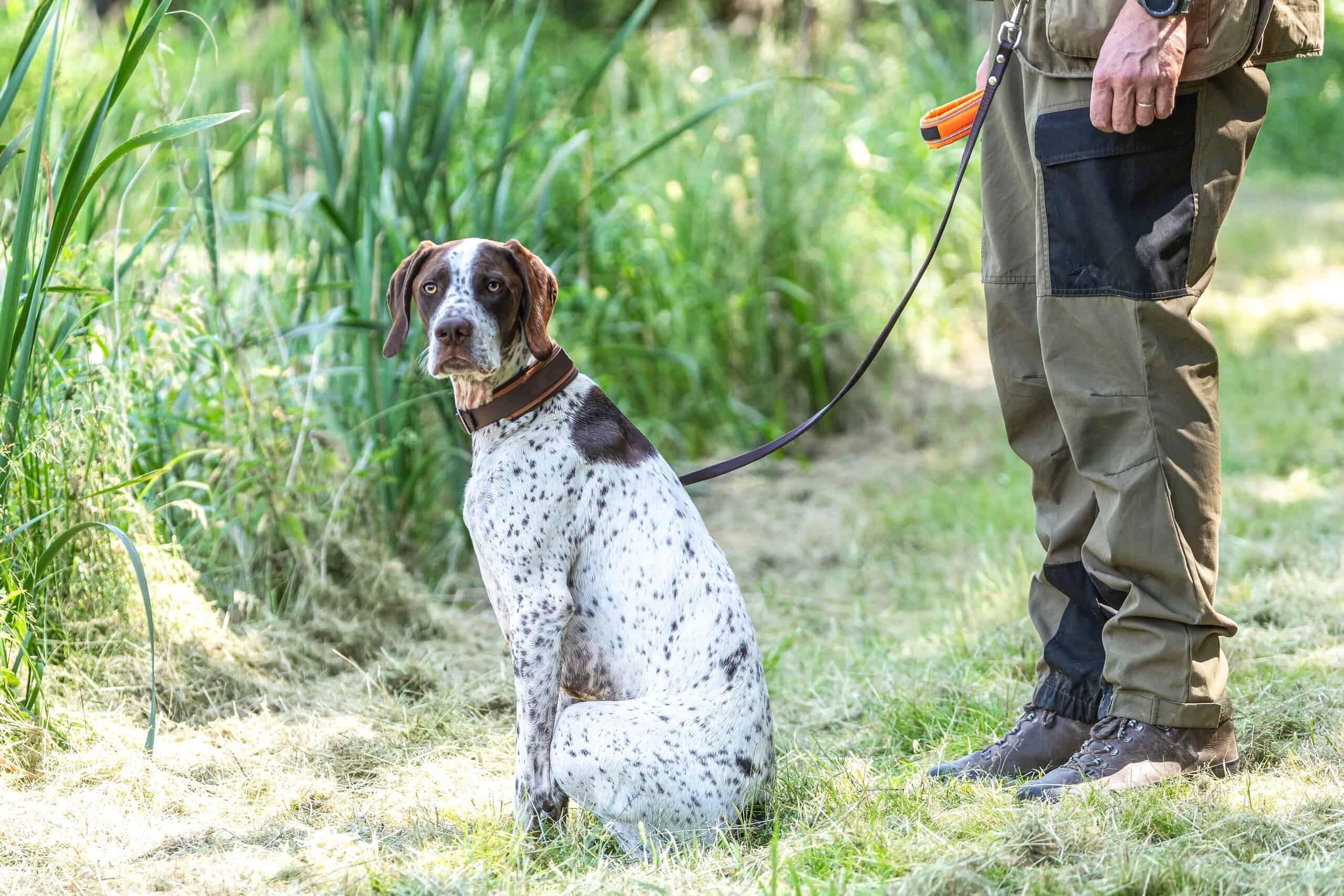
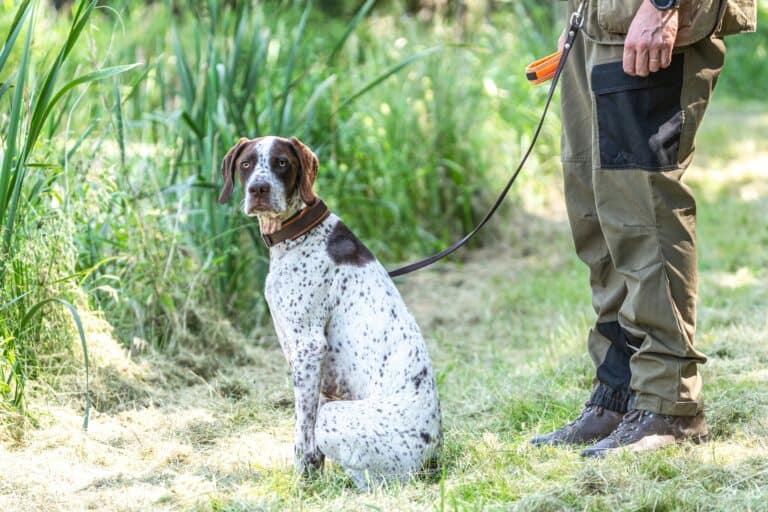
The Braque Francais comes in two types — the Gascony type and the Pyrenean type, shown above.

There are two types of Braque Francais breeds — the Gascony type and the Pyrenean type. The Gascony is heavier and larger and is considered closer to the original gun dog ancestors. The Pyrenean is the smaller of the two breeds and was made to be leaner and faster.

Three Pros And Cons Of Owning A Braque Francais

It’s essential to know everything about a dog breed before purchasing one, so here are the pros and cons of the Braque Francais.

ProsCons
The Braque Francais is very easy to trainThis breed isn’t a good companion for people who have allergies, as they shed a lot
This breed is an excellent apartment dogThe Braque Francais doesn’t like being left alone and can suffer from separation anxiety
These dogs don’t require a lot of groomingThese hunting dogs don’t like cats

The Best Dog Food For The Braque Francais
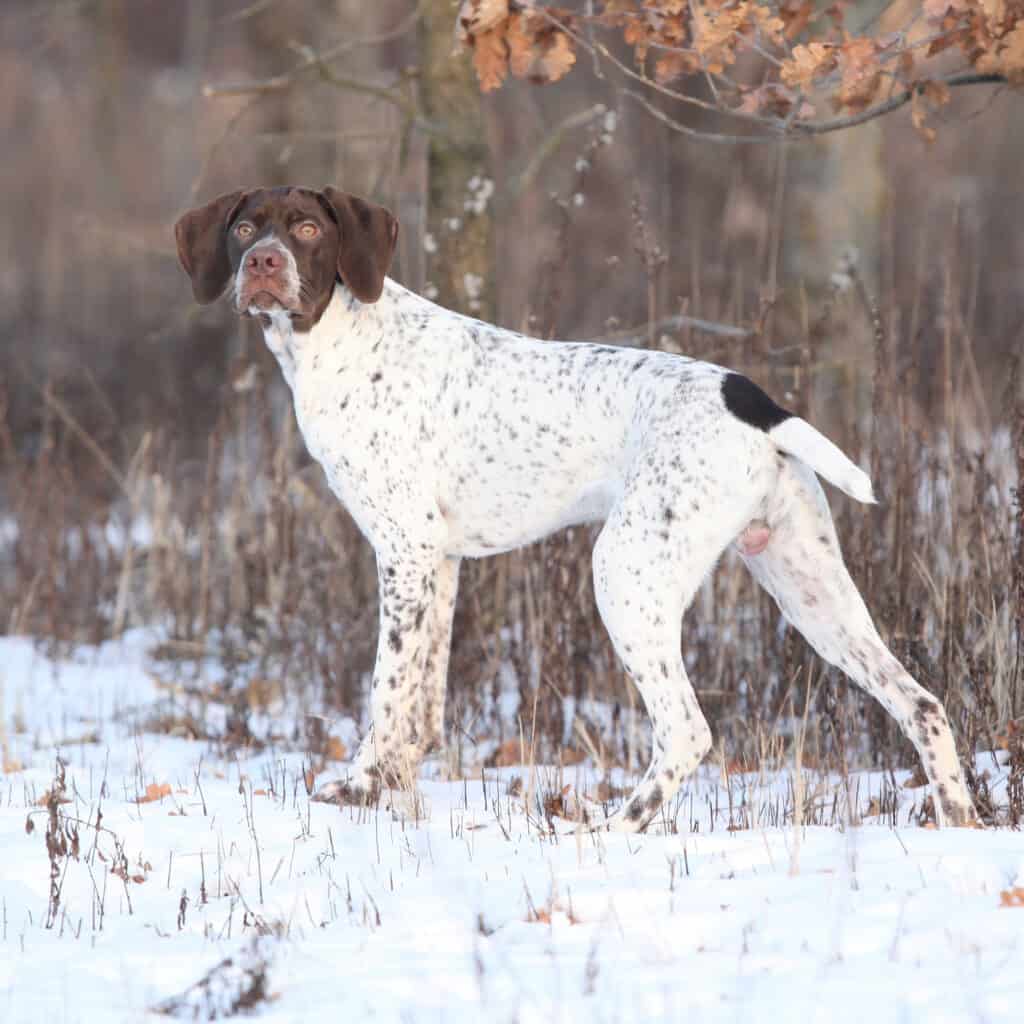
Braque Francais

The Braque Francais requires a diet specially formulated for large breeds, but if used for a hunting dog, their diet should be adjusted for a working dog’s needs.

Because the Braque Francais is a medium to large-sized dog, they require a diet specially formulated for large breeds. However, they are hunting dogs, and if you plan on using them for that purpose or as an active working dog, they need a diet specifically formulated for active or working dogs.

Always ensure the dog food you buy is made with top-quality ingredients like digestible carbohydrates and animal protein.

Size And Weight

The Braque Francais can grow to 18.5 to 27 inches tall and weigh between 40 and 80 pounds, making them a medium-large-sized breed.

Common Health Issues

Typically a healthy dog, the Braque Francais is not susceptible to many serious health issues. However, like all canines, they are prone to a few minor conditions, including:

But, they are most susceptible to eye conditions like cataracts, progressive retinal atrophy, eyelid entropion, and ectropion. However, responsible breeding practices can weed out some health conditions, like hip dysplasia. The Braque Francais can live for 12 to 15 years with the proper care.

Temperament
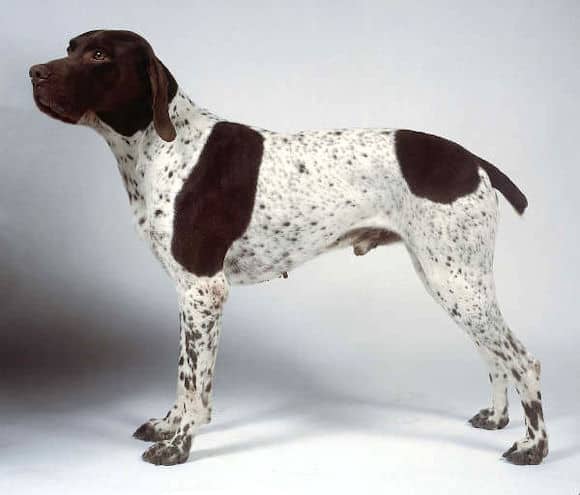
Braque Francais - Gascogne type

The Braque Francais (the Gascogne type shown here) are fantastic pets for families with older children.

The Braque Francais is a sensitive and social breed, making them well-balanced dogs that show incredible affection towards their owners, who they look to for guidance. Therefore, they are fantastic pets for families with older children. However, if not trained and socialized from a young age, they need constant supervision when they are around younger children, as their natural hunting instincts may take over if provoked or excited.

The Braque Francais loves human companionship, but this trait could be detrimental because they suffer from separation anxiety when left to their own devices for long periods of time.

If you are looking for a guard dog, then the Braque Francais is not the breed you want. Unfortunately, they will not warn you of any potential threats but, instead, will try to befriend strangers.

How To Take Care Of A Braque Francais
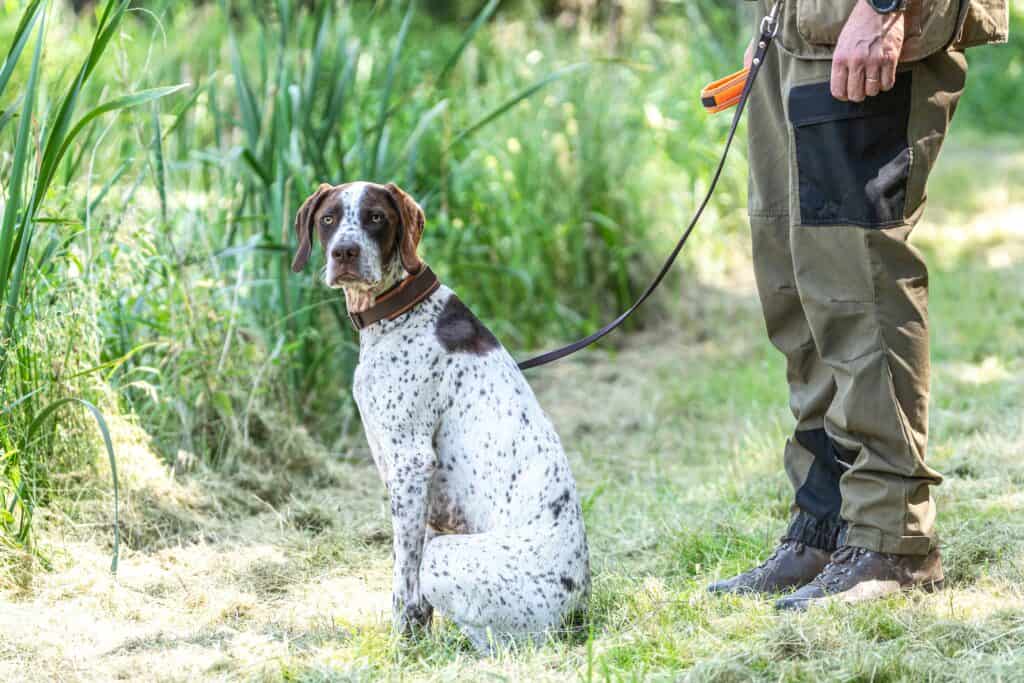
Braque francais

The Braque Francais loves human companionship, but this trait could be detrimental because they suffer from separation anxiety when left to their own device for long periods of time.

Taking care of a Braque Francais is relatively easy. However, certain aspects of their care are essential to their well-being.

Grooming

Because these dogs have short and sleek coats, they only require a good brush once a week. In addition, they need their teeth brushed 3 times a week, and their nails need trimming once every 3 months.

This breed has floppy ears that are prone to ear infections because of the debris that gets trapped, so owners have to frequently check and clean their ears. In addition, owners need to dry their ears thoroughly after swimming or a bath.

Training

The Braque Francais is known for its obedient nature. It almost seems as if they were born to be trained. Because they are natural hunters, they don’t need a lot of instruction from their owners, especially when it comes to hunting birds and game.

In addition, training is made easier because of their superior intellect. However, this breed can be quite sensitive and requires a gentle hand when training. Screaming out harsh commands will not work for these dogs; instead, they respond well to positive reinforcement and patience.

Exercise
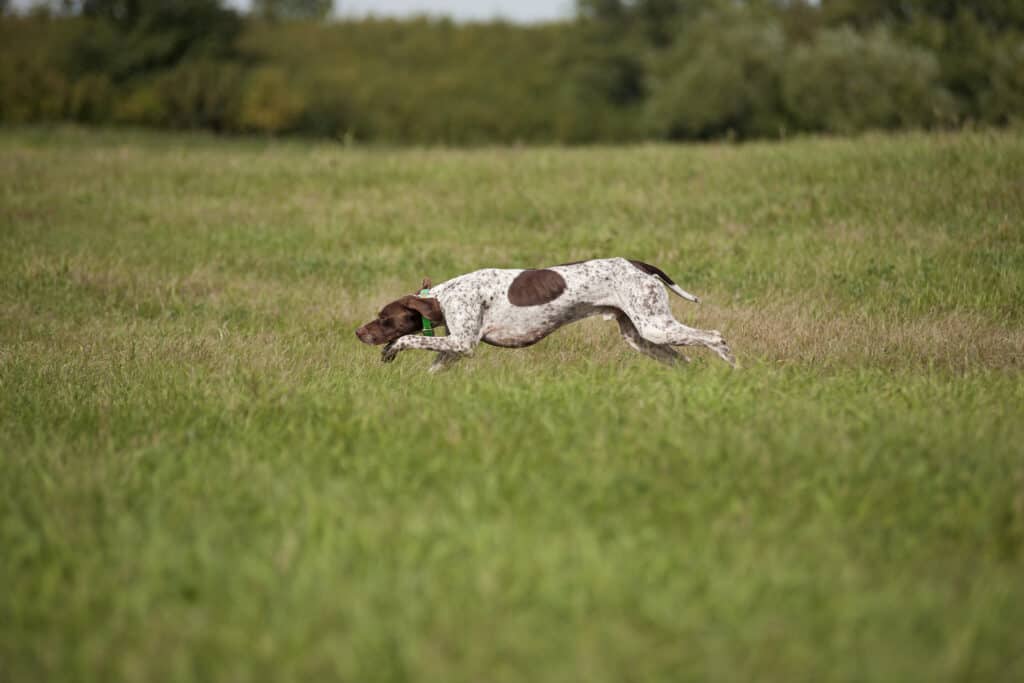
Braque Francais

The Braque Francais has high energy levels and will need at least one hour of vigorous exercise on a daily basis.

The Braque Francais thrives on outdoor life because of its high energy levels. Therefore, they will need over an hour of vigorous exercise every day.

They are the perfect breed for people who enjoy jogging or running and will benefit from a home with a large outside area where they can explore and play. However, if they do not receive an appropriate amount of exercise, they might start to act out in destructive ways.

Puppies

Braque Francais females can give birth to 6 to 8 puppies per litter. However, most litters consist of 3 to 6 puppies. These pups are not easy to get hold of, as they are very rare in the USA, but if you can manage to find a breeder, Braque Francais puppies can cost anywhere between $1,200 to $2,500.

Braque Francais And Children

The Braque Francais are great family dogs and get along well with children. However, if they are not socialized from a young age, they might be a problem with smaller kids. Children must always be taught how to behave appropriately around dogs, and toddlers should always be supervised around this breed, especially if they are very active dogs.

In addition, because of their hunting instincts, the Braque Francais does not get along well with smaller pets like cats, rabbits, or birds. While this breed prefers to be the only pet, they can get along with other dogs if introduced at an early age.

Dogs Similar To The Braque Francais

Several breeds are similar to the Braque Francais; they include:

German Shorthair Pointers

German Shorthair Pointers were bred in the 19th Century in Germany for hunting purposes. They are versatile medium to large-sized dogs with streamlined physiques and powerful legs.

Brittany Spaniel

The breed was bred as gundogs, and they love chasing birds all the time, even when they don’t have to. Although most people know them as Brittany Spaniels, the AKC dropped Spaniel from their name in 1982.

They are very energetic dogs and great family companions. Therefore, they thrive with active families who enjoy spending lots of time outdoors.

English Pointer

The English Pointer is a medium-sized dog with a bold personality. They are an intelligent breed that point toward the fallen game with their nose while their tails align with their heads and bodies. This behavior comes so naturally to them; it is not uncommon to see a Pointer pup pointing at only 8 weeks of age.

View all 453 animals that start with B

Sources

  1. Dogtime / Accessed September 27, 2022
  2. Pet Guide / Accessed September 27, 2022
  3. Wag Walking / Accessed October 12, 2022
Melissa Bauernfeind

About the Author

Melissa Bauernfeind

Melissa Bauernfeind was born in NYC and got her degree in Journalism from Boston University. She lived in San Diego for 10 years and is now back in NYC. She loves adventure and traveling the world with her husband but always misses her favorite little man, "P", half Chihuahua/half Jack Russell, all trouble. She got dive-certified so she could dive with the Great White Sharks someday and is hoping to swim with the Orcas as well.
Connect:

Thank you for reading! Have some feedback for us?


Braque Francais FAQs (Frequently Asked Questions)

German Shorthair Pointers were bred in the 19th Century in Germany for hunting purposes. They are versatile medium to large-sized dogs with streamlined physiques and powerful legs.