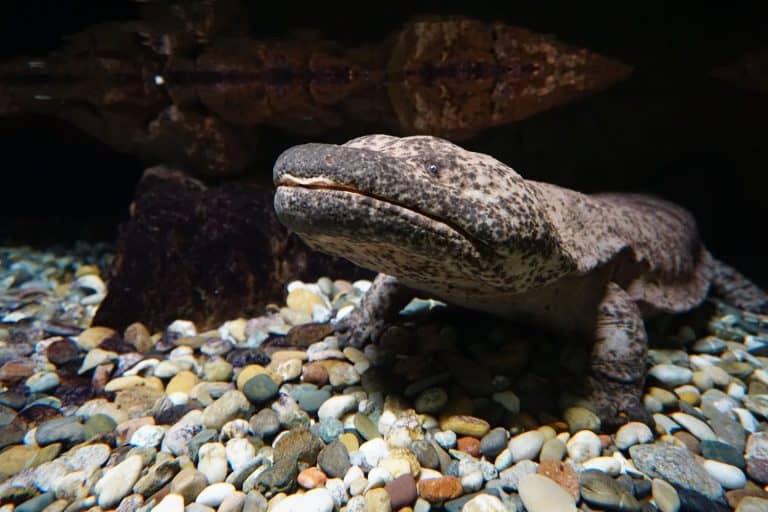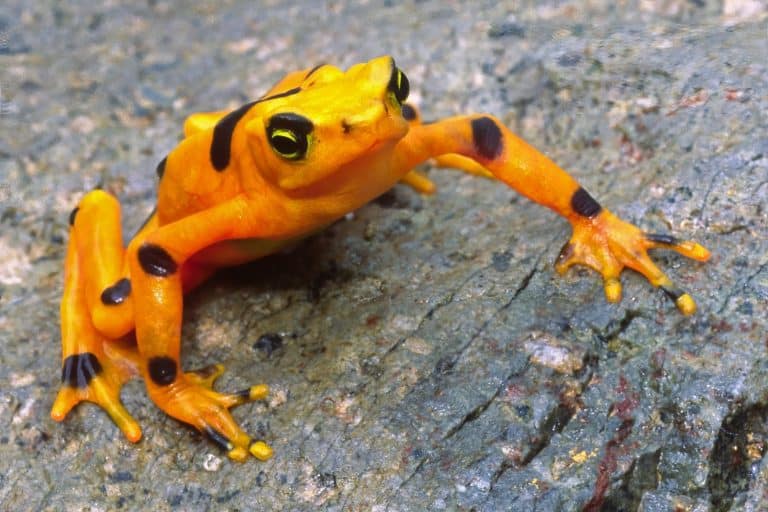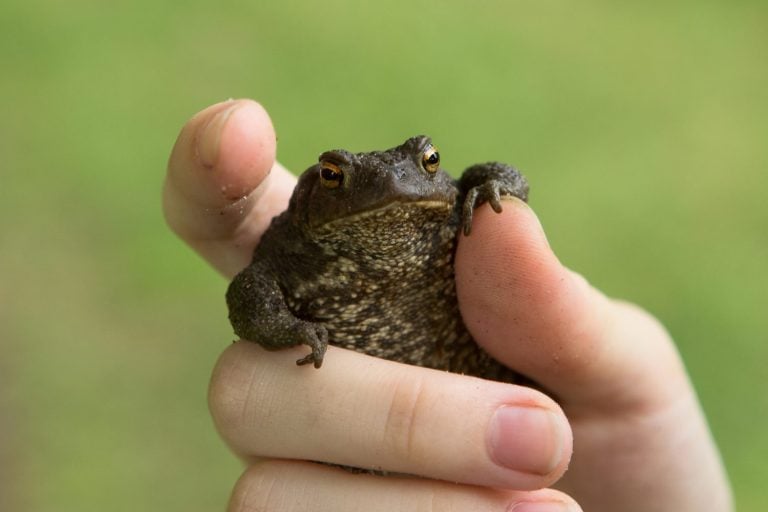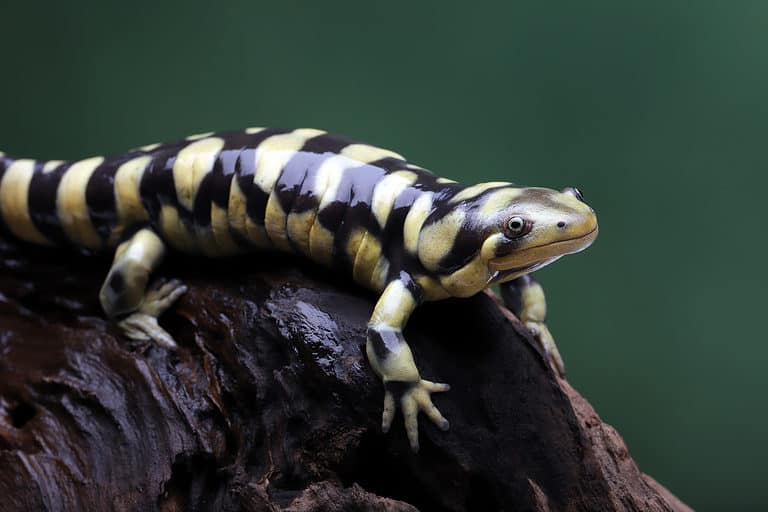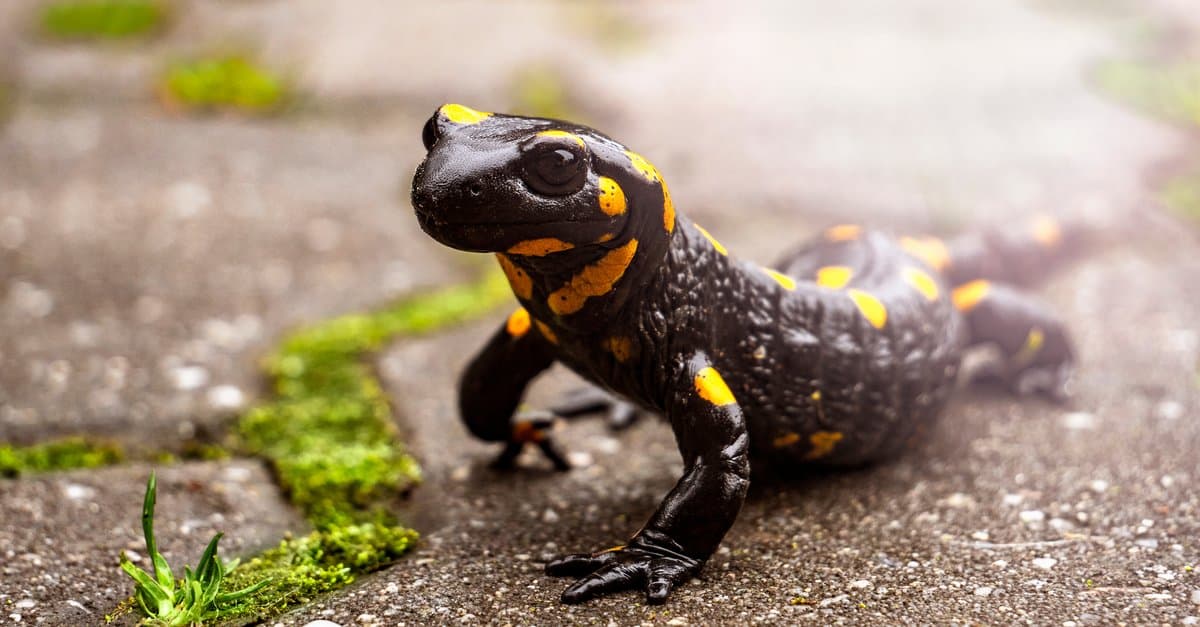

Though they may look more like lizards, salamanders are aquatic, semi-aquatic, or terrestrial amphibians that share more in common with frogs than reptiles. Unlike lizards, they have no scales or claws, and their skin is usually very moist. There are well over 800 known species of salamander, ranging in size from 0.625 inches to several feet long, so their diets are naturally very diverse as well. Salamanders are sometimes kept as pets, so their diet in captivity is different from their diet in the wild. Read on to learn more about what salamanders eat.
The Salamander Diet
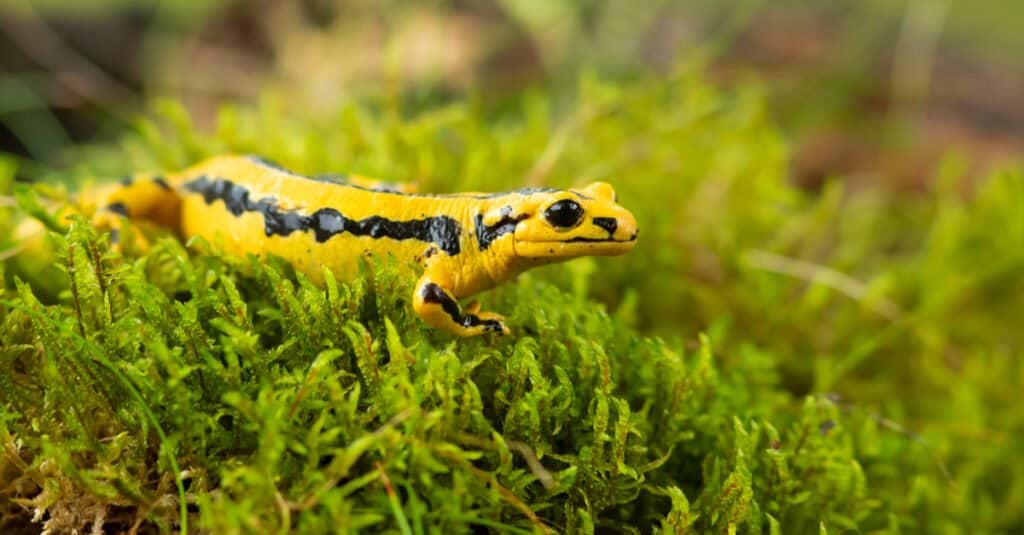
Salamanders look like lizards but have more in common with frogs.
©Milan Zygmunt/Shutterstock.com
As noted above, salamanders eat different diets depending on their habitat and whether they are kept as pets or living in the wild. However, terrestrial salamanders are carnivores that will eat almost any living creature they can fit into their mouths. A young salamander nymph may eat microorganisms such as Daphnia, also known as water fleas. As it grows, it will eat larger organisms such as mosquito larvae or worms before moving on to adult food. By two months of age, a young salamander will eat the same food as an adult. A salamander’s diet may continue to change as it grows, mainly due to the size of prey it can consume. Many salamander species also begin in the water and adapt to living on land as they mature.
So what exactly do salamanders eat? Below is a list that covers nearly everything that all the various species of salamanders eat:
- Insects, including crickets, grasshoppers, flies, and aquatic insects
- Insect larvae
- Spiders of various species
- Worms, including black worms, tubifex worms, bloodworms, and night crawlers
- Crayfish
- Shrimp, including brine shrimp and other small species
- Nymphs, larvae, and eggs of salamanders and other amphibians
- Small fish such as minnows
- Amphibians, including other salamanders and frogs
- Microorganisms such as daphnia and cyclops
- Slugs, isopods, leeches, snails
- Small mice
- Algae (salamander tadpoles)
What Do Salamanders Eat in Captivity?
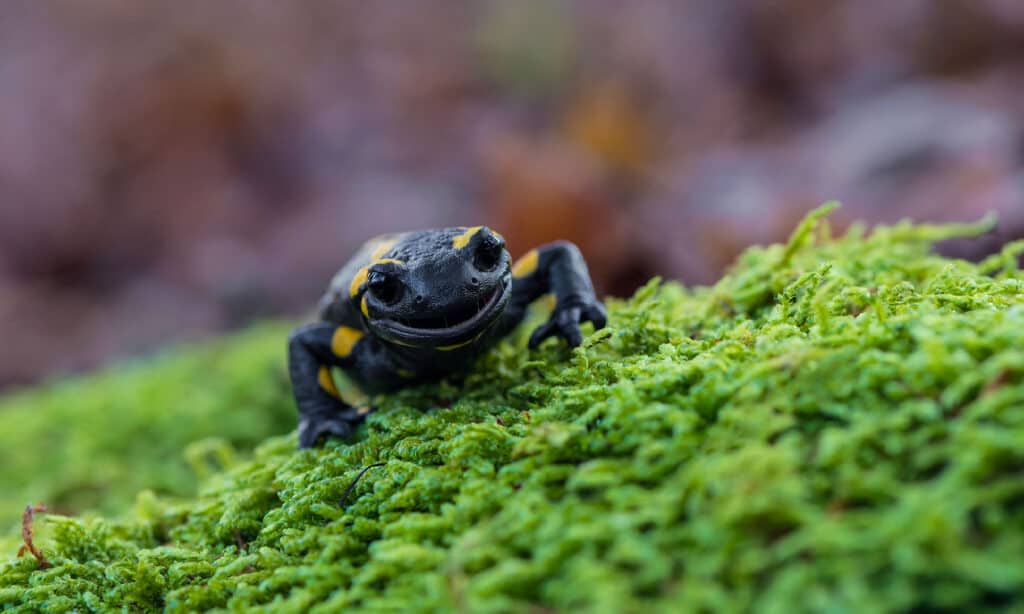
All salamanders are carnivores and should never be given vegetable matter.
©iStock.com/Paolino Massimiliano Manuel
As a pet, a larval salamander should be fed brine shrimp or black worms chopped up finely. Once they are a bit older, they can gradually be introduced to whole black worms and larger worms, as well as larger shrimp species, crayfish, small fish species, and other small insects and invertebrates.
Salamanders can eat pellets and freeze-dried insects, but it is generally considered best to feed them live food when possible. This offers better nutrition and also allows them to “hunt” for insects in their enclosure as they would in the wild. Pellets and frozen insects can be used as supplements to a fresh-food diet. They also need calcium supplements to avoid health problems later on.
They should never be fed fruits or vegetables. As mentioned previously, all salamanders are carnivores and therefore are not equipped to chew or digest plant matter. Captive salamanders probably won’t even try to eat vegetables or fruits, which would lead to rotten food and a contaminated enclosure. However, some may be curious enough to try, which could result in severe stomach issues and possibly even death.