
When we think about snakes, we automatically assume that they all have scales. After all, scales enable the snake to move across the ground without too much friction, which helps to save energy. Scales also help to retain moisture inside the body, and they even provide protection against potential dangers and threats. However, there are actually some scaleless snakes.
Having scaleless skin is a significant disadvantage in the wild. Scaleless snakes may have locomotion and moisture problems that make them less likely to survive. This is probably why you don’t see any scaleless species anywhere in the wild. However, a natural mutation does sometimes arise by random chance that causes the snake to develop mostly smooth, scaleless skin. This mutation is sometimes seized upon by snake breeders to create a specific scaleless line of snakes. Most of these snakes still have scales on their bellies because otherwise it would be very difficult to move around, but the rest of their skin is smooth.
This article will cover some important facts about the top five most common scaleless snakes in the world, some of which even make for good pets. Keep in mind that many of these snakes are quite expensive and rare to find. They’re difficult to breed and still relatively unknown among pet owners. Once you purchase one, a scaleless snake will need a soft substrate and plenty of humidity and moisture to prevent skin problems, but otherwise, their care isn’t too different from that of a typical scaled snake.
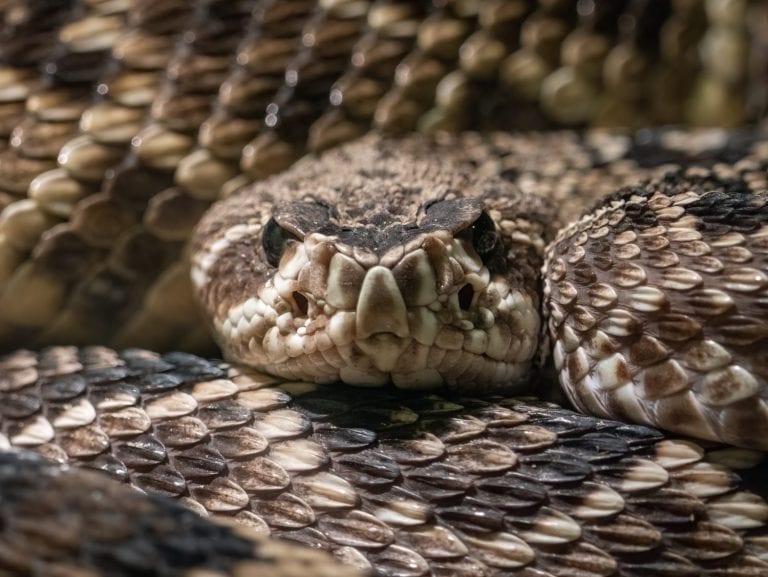
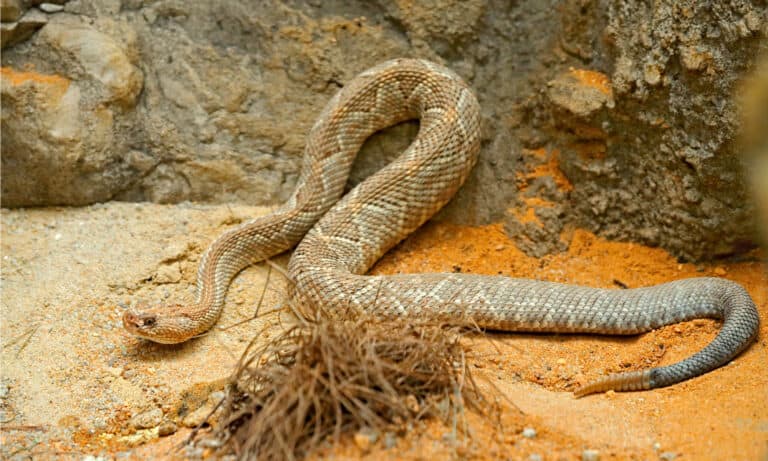
Scaleless Rattlesnake
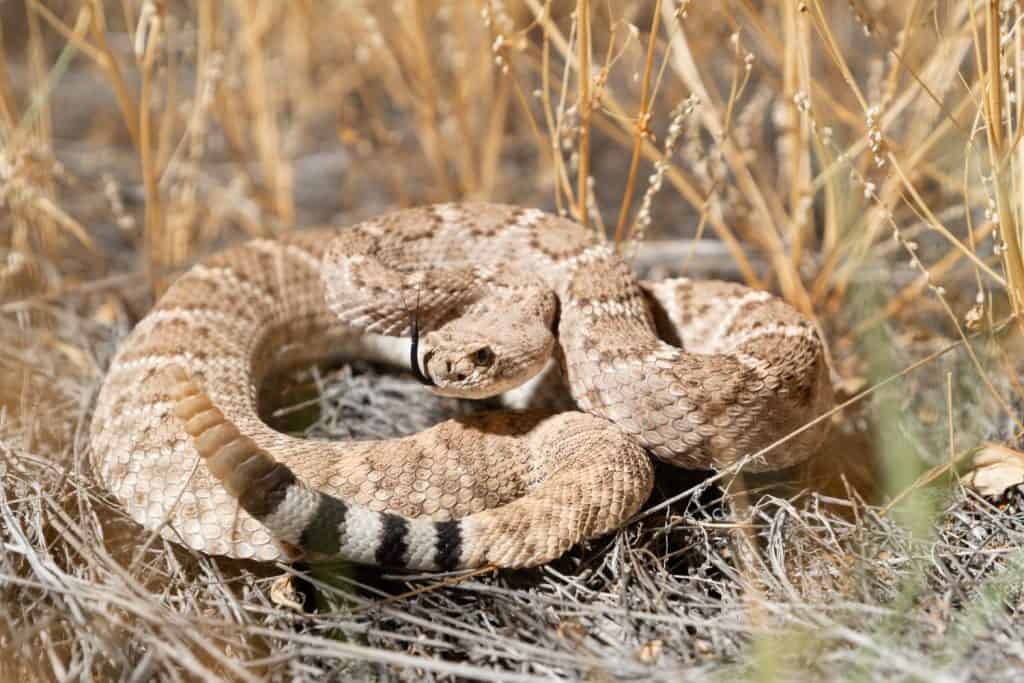
Some rattlesnake species may occasionally be scaleless.
©Clint H/Shutterstock.com
Rattlesnakes are a group of highly venomous vipers that send an ominous warning to predators and threats by using the rattle on their tail. These species are entirely native to the Americas. Rattlesnakes subdue their small prey with their highly toxic venom and then usually eat it whole. While obviously not suitable as a pet, the scaleless rattlesnake does sometimes appear in the wild. When captured, they can sometimes show up in zoos or other displays.
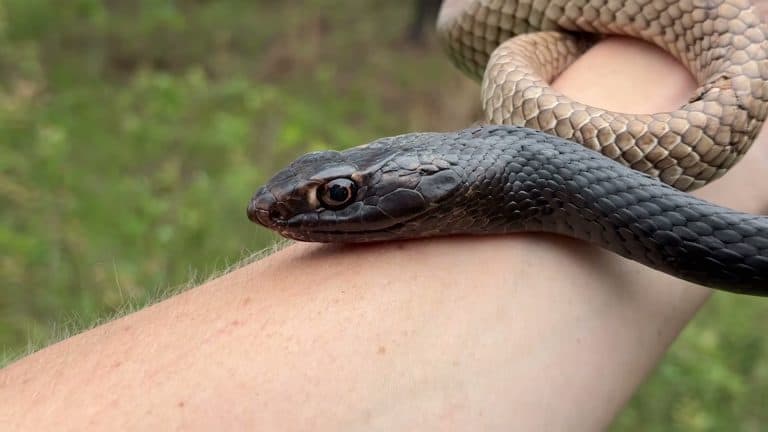
#4: Scaleless Garter Snake
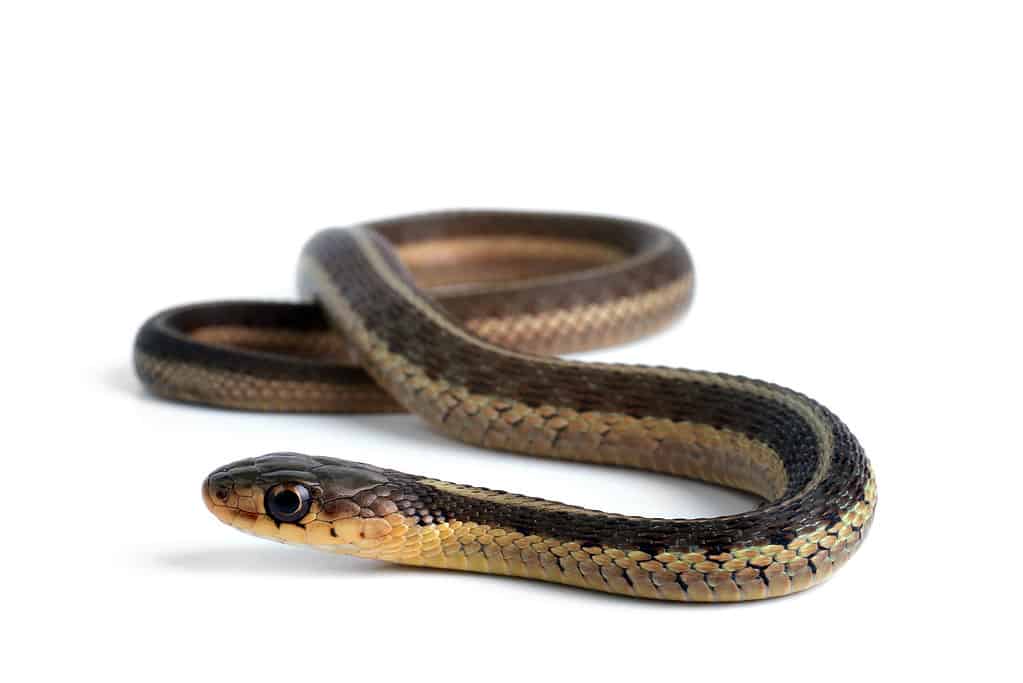
Scaleless garter snakes may sometimes occur naturally in the wild.
©Michiel de Wit/Shutterstock.com
The garter snake is a group of small, harmless snakes that live throughout North America. They can be found in a wide variety of different habitats, including grasslands, forests, wetlands, and even lawns. Garter snakes have a long but thin appearance and often have a variety of green, brown, or yellow-colored markings. Their diet mainly consists of small animals like slugs, earthworms, rodents, and lizards. They are mildly venomous to their prey but are not considered to be dangerous to humans. Like the rattlesnake, scaleless mutations do sometimes appear in the wild, but they’re not generally developed by breeders into unique lines.
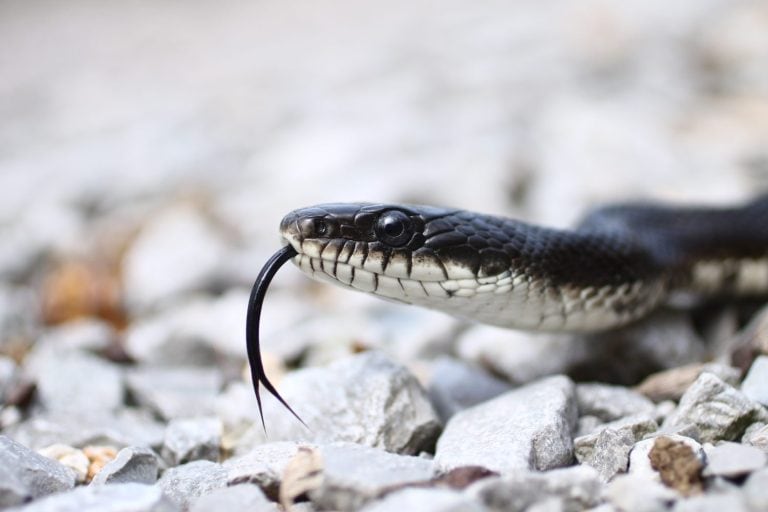
Scaleless Western Rat Snake
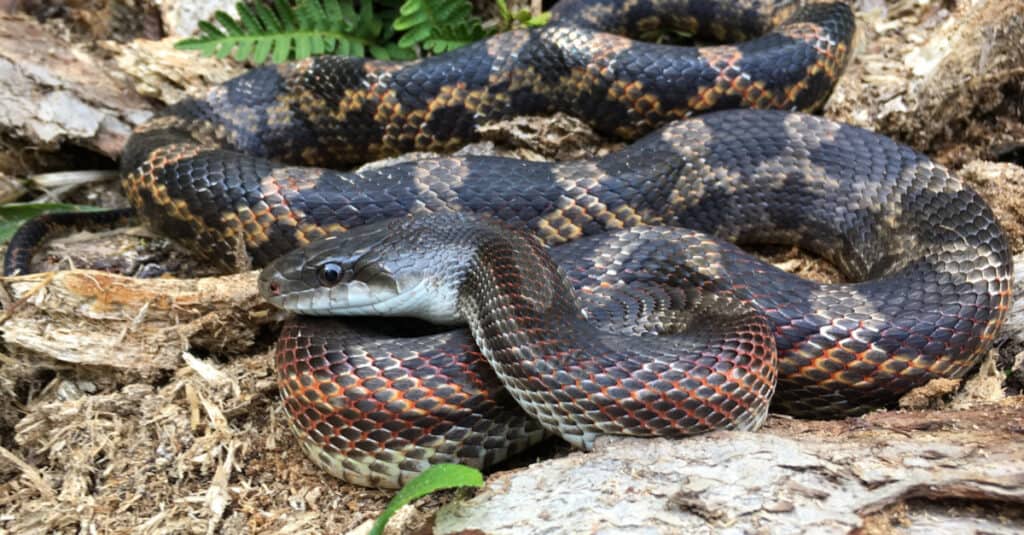
Texas rat snakes are a subspecies of western rat snakes that come in many colors but darken with age and lose some of their patterns.
©Joe Farah/Shutterstock.com
The western rat snake is a non-venomous species from the western and southern United States. Measuring anywhere between four and six feet long, it is characterized by a yellow or tan body with irregular brown or olive-green splotches from head to tail. They subdue their prey (including rodents, birds, lizards, and frogs) by constricting them with their long body. Scaleless mutations are bred for the pet trade. Their calm temperament and easy care make them popular choices for owners.
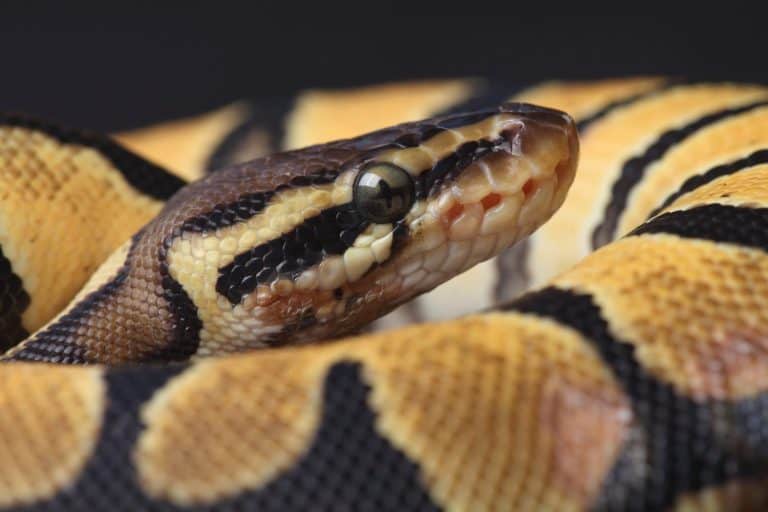
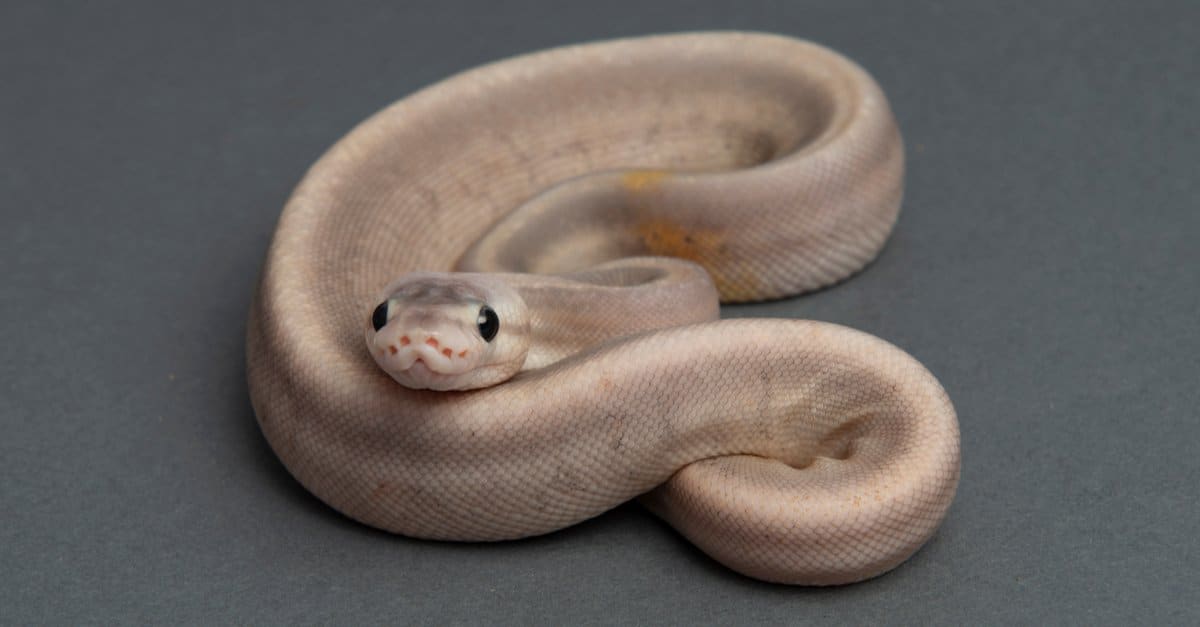
Scaleless Ball Python
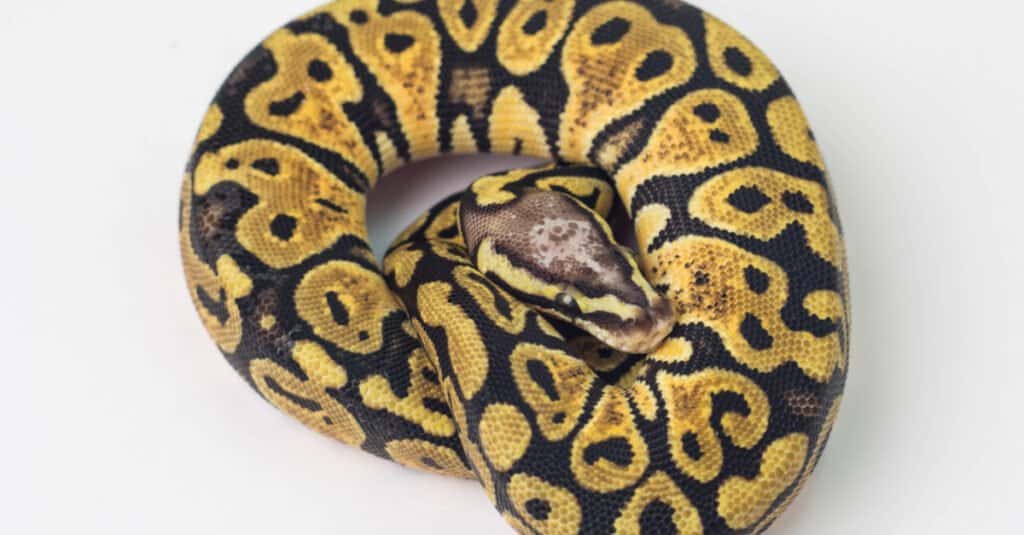
The ball python is one of the most popular pet snakes in the world.
©viper345/Shutterstock.com
The ball python, although originating from West and Central Africa, is among the most popular pet snakes in the world. Measuring up to six feet long, this species is characterized by alternating light brown and black or dark brown splotches on the back and sides. The cream-colored belly also features black markings. In the wild, the ball python consumes small mammals and birds by constricting them to death. It has a long lifespan of 25 to 30 years. Again, scaleless mutations are bred for the pet trade. However, unlike the other scaleless snakes on this list, the scaleless ball python lacks all scales, including those on its belly. As a result, they are difficult snakes to care for, as they are prone to sores, making them suitable only for experienced owners.
Scaleless Corn Snake
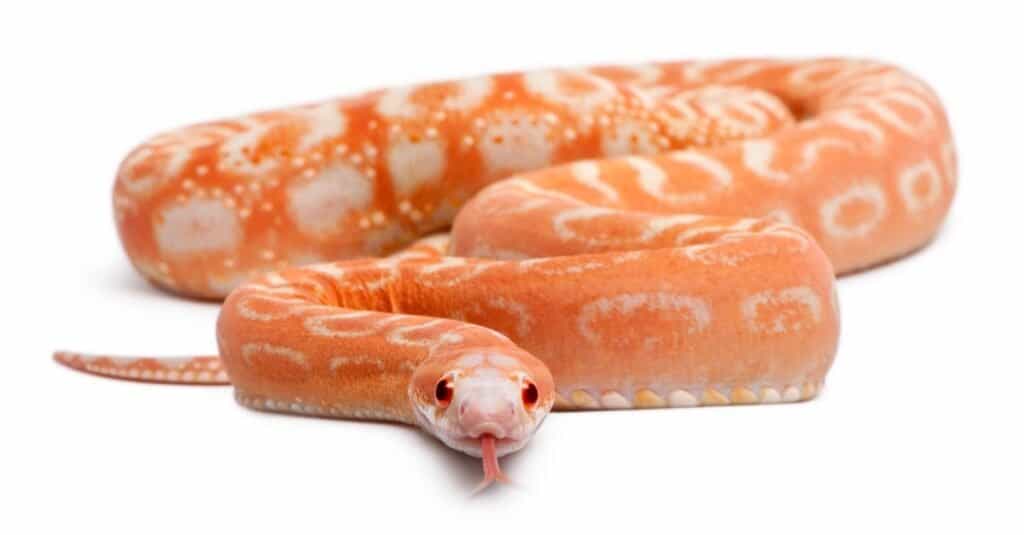
The scaleless variety of the corn snake is a popular pet.
©iStock.com/GlobalP
Sporting alternate bands of orange and red, the corn snake is a large species, measuring up to six feet long. Very common throughout the southeastern United States, the snake earned its name either because it was found near grain stores or because its checkered pattern resembles corn. As a type of rat snake, it feeds on rodents, as well as other reptiles and amphibians, by constricting them with its body. The scaleless version of the corn snake is perhaps the most popular scaleless snake in the world. They typically have a lifespan of 10 to 15 years in captivity, though some individuals may live up to 20 years or more with excellent care.