Quick Take
- One snake in Egypt can spit venom accurately up to 45 times consecutively, and it is capable of blinding you without ever biting. Meet the spitting cobra →
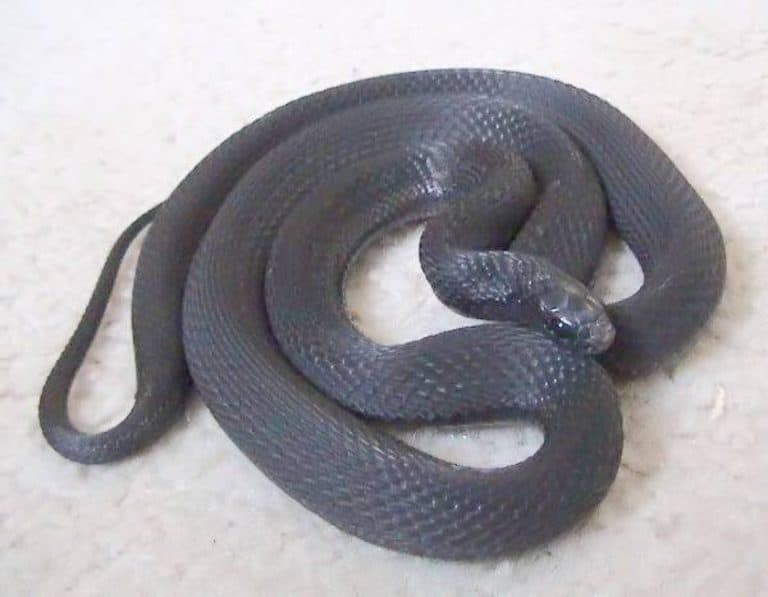
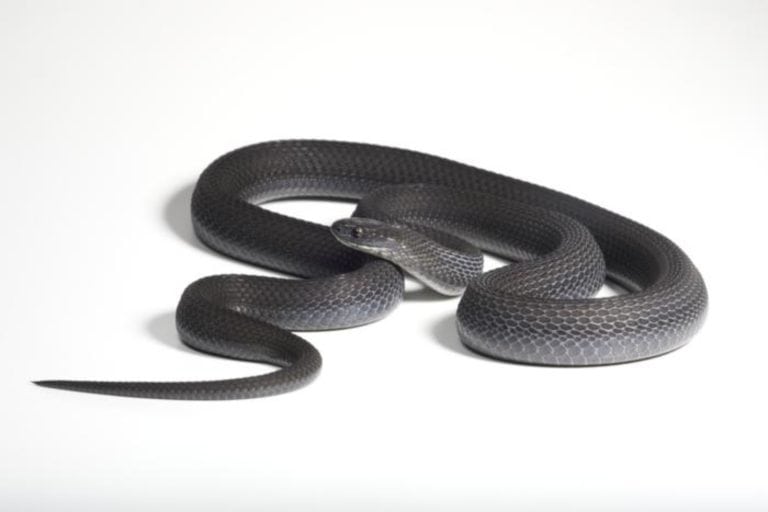
- Not all of Egypt's cobras have hoods, and the one that lacks a hood may be the deadliest of them all. Explore the hoodless cobra →
- One Egyptian snake survives entirely on a diet most snakes would never touch, and it even climbs trees to get it. Discover the egg-eating snake →
- Egypt's desert hides a snake so tiny it's easy to dismiss, but this small viper is still venomous and hunts in a way that defies viper norms. See Egypt's smallest viper →
Snakes are among the most feared animals on the planet. They are popular elements in myth, folklore, and religion worldwide. Egypt is no exception, as snakes in Egypt are some of the deadliest and most notorious in the world. Ancient Egyptians worshiped them and even kept them as pets. Today, snakes are rare in urban areas, but if you venture into the Egyptian sands, you’re likely to encounter at least one of Egypt’s 36 species of snakes. Read on to learn about some of the most incredible snakes in Egypt.
1. Saharan Horned Viper
The venomous Saharan horned vipers (Cerastes cerastes) are best known for the horn-like protrusions that stick straight up from just above their eyes. These snakes can be yellowish, pinkish, grey, or light brown with a variegated pattern of light and dark brown scales to blend in with the sand. Desert horned vipers grow to a maximum length of three feet and eat mostly rodents and small birds. They move by sidewinding, a type of movement in which they propel themselves sideways by curving and straightening their bodies. Saharan horned vipers are one of the most common snakes in Egypt. They are found throughout the desert regions of North Africa and the Middle East.
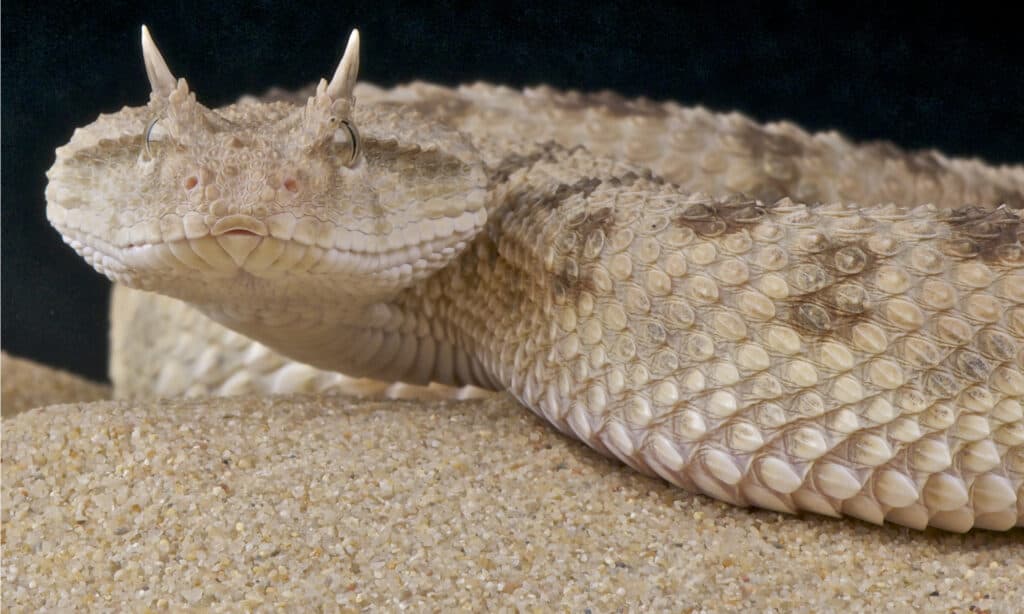
Saharan horned vipers have horns that stick up from above their eyes.
©reptiles4all/Shutterstock.com
2. Egyptian Cobra
Egyptian cobras (Naja haje) are among the deadliest, most venomous snakes in Egypt. Adults range from yellowish-grey to dark brown, dark red, or black. They have large hoods and usually grow to around four to six and a half feet long, though some have been recorded at up to eight feet long. Egyptian cobras eat mainly amphibians, birds, rodents, and reptiles. They’re generally nocturnal, although they come out in the daytime to sun themselves. Egyptian cobras have round pupils and do not spit venom. When threatened, they rear up and spread their broad neck hoods. These snakes live in a wide variety of habitats across north, central, and east Africa, as well as parts of the Middle East.

Egyptian cobras are among the most venomous snakes in Egypt.
©Stu Porter/Shutterstock.com
3. Red Spitting Cobra
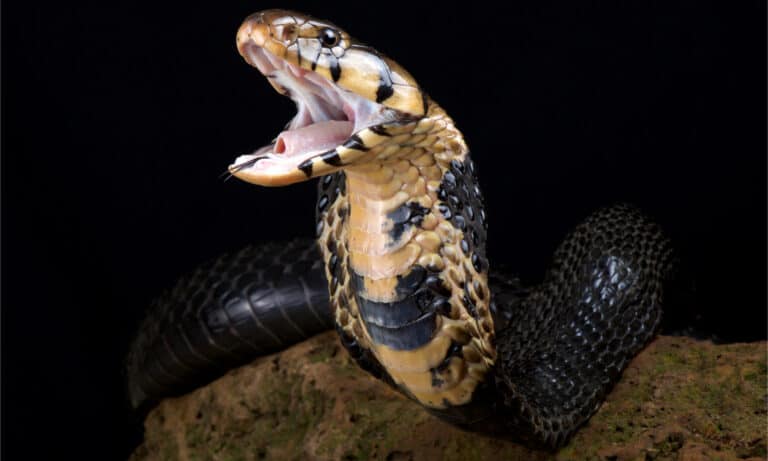
Red spitting cobras (Naja pallida) can spit venom accurately up to eight feet away. Even more terrifying, they can spit up to 45 times consecutively. These snakes grow to a maximum length of five feet. They’re mainly red to red-orange, with black markings at the throat. Their diet consists primarily of reptiles, amphibians, and rodents. Red spitting cobras have round pupils and a wide hood like Egyptian cobras. These snakes rear up, flatten their hoods, and spit venom when threatened. They don’t cause many human deaths, but their venom can cause blindness if it gets into the eyes. They are found in East Africa, including parts of southern Egypt.

Red spitting cobras can spit venom accurately up to eight feet away.
©mountainpix/Shutterstock.com
4. Egyptian Saw-Scaled Viper
Egyptian saw-scaled vipers (Echis pyramidum) are some of the most venomous snakes in Egypt. They get their name from the way they rub their scales together to produce a warning sound. These small, stocky snakes grow to a maximum of three feet long. They look similar to rattlesnakes, with brown, grey, olive, or reddish backgrounds and bands of diamond or zigzag markings across their bodies. Egyptian saw-scaled vipers eat insects, amphibians, reptiles, birds, and rodents. Unlike many species of snakes, Egyptian saw-scaled vipers are known to be aggressive and won’t hesitate to bite. Most bites occur after dark, as they are mostly nocturnal. These snakes are native to Northeast Africa and the Arabian Peninsula.

Egyptian saw-scaled vipers rub their scales together to produce a warning sound.
©reptiles4all/Shutterstock.com
5. Painted Saw-Scaled Viper
The painted saw-scaled viper (Echis coloratus) is venomous snake closely related to Egyptian saw-scaled vipers. These snakes inhabit eastern Egypt east of the Nile and are common in the rocky mountainous regions and wadis (dry riverbeds or valleys). They can also be found in parts of the Middle East. These snakes are mainly crepuscular and nocturnal, so they are active at dusk, dawn, and the dark hours of night. Like the Egyptian saw-scaled viper, they rub their body coils together to make a sawing sound as a warning. They may be tan, peach, orange, pinkish-grey, or reddish-brown with pale, oval-shaped markings bordered with black.

Painted saw-scaled vipers favor the rocky, mountainous areas of Egypt east of the Nile.
©AbuMazna/Shutterstock.com
6. Egyptian Egg-Eating Snake
The Egyptian egg-eating snake (Dasypeltis bazi) exclusively eats bird eggs. They can even slither up trees to raid the nests of birds. These are small, slender snakes generally measuring up to around 24 inches in length. They have shades of brown or greyish-brown backgrounds with rhombic blotches on their backs and roundish markings on their sides. They’re non-venomous and present no danger to humans. When threatened, egg-eating snakes rub their scales together to produce a rasping sound, similar to Saharan horned vipers. This snake is only known from a small population in Faiyum, which is an oasis in northern Egypt in the eastern Sahara.
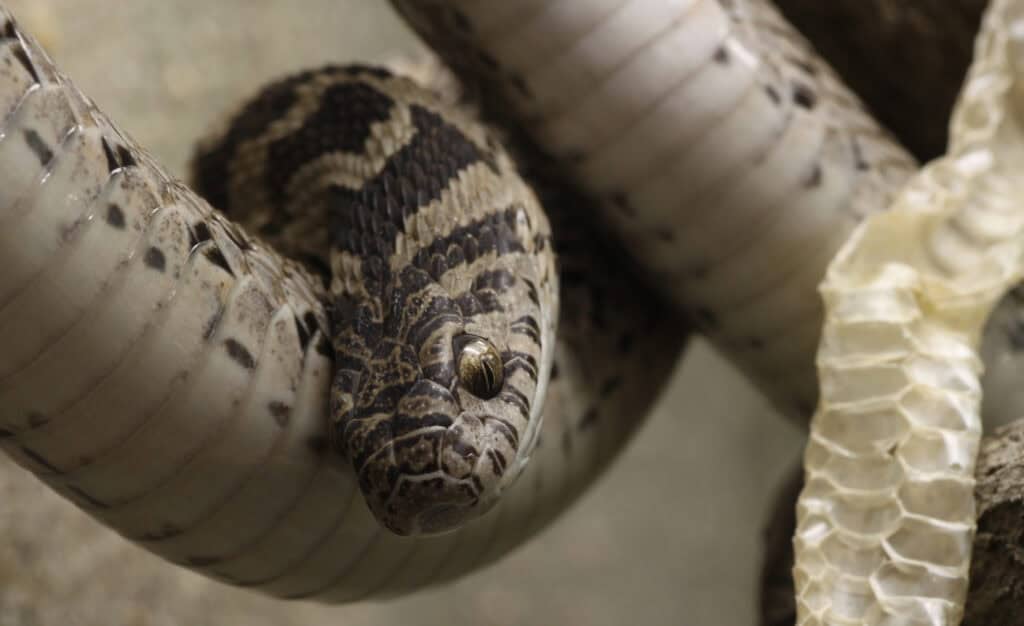
Snakes in the Dasypeltis genus exclusively eat bird eggs.
7. Egyptian Sand Boa
Egyptian sand boas (Eryx colubrinus) are some of the shortest, thickest snakes in Egypt. Females grow to around 24 inches long, while males rarely exceed 20 inches long. These snakes are yellow to orange with dark brown splotches and pale bellies. Egyptian sand boas aren’t venomous; instead, they constrict their prey. These snakes eat mostly small mammals. They present little danger to humans, though they will bite to defend themselves. These snakes are generally found in semi-desert regions and scrub savannas across northern and eastern Africa.

Egyptian sand boas are also known as Kenyan sand boas.
©reptiles4all/Shutterstock.com
8. Black Desert Cobra
Black desert cobras (Walterinnesia aegyptia) are some of the deadliest snakes in Egypt. These snakes have potent neurotoxic venom that causes paralysis. However, unlike true cobras in the genus Naja, black desert cobras do not have expandable hoods or upright threat postures. Their coloring is entirely glossy black or very dark brown, and they can reach lengths of nearly six feet. They are primarily nocturnal, hunting for reptiles, amphibians, and rodents during the night. In Egypt, they are found in the Sinai Peninsula and parts of the Nile Delta region. Their range also covers parts of the Middle East.
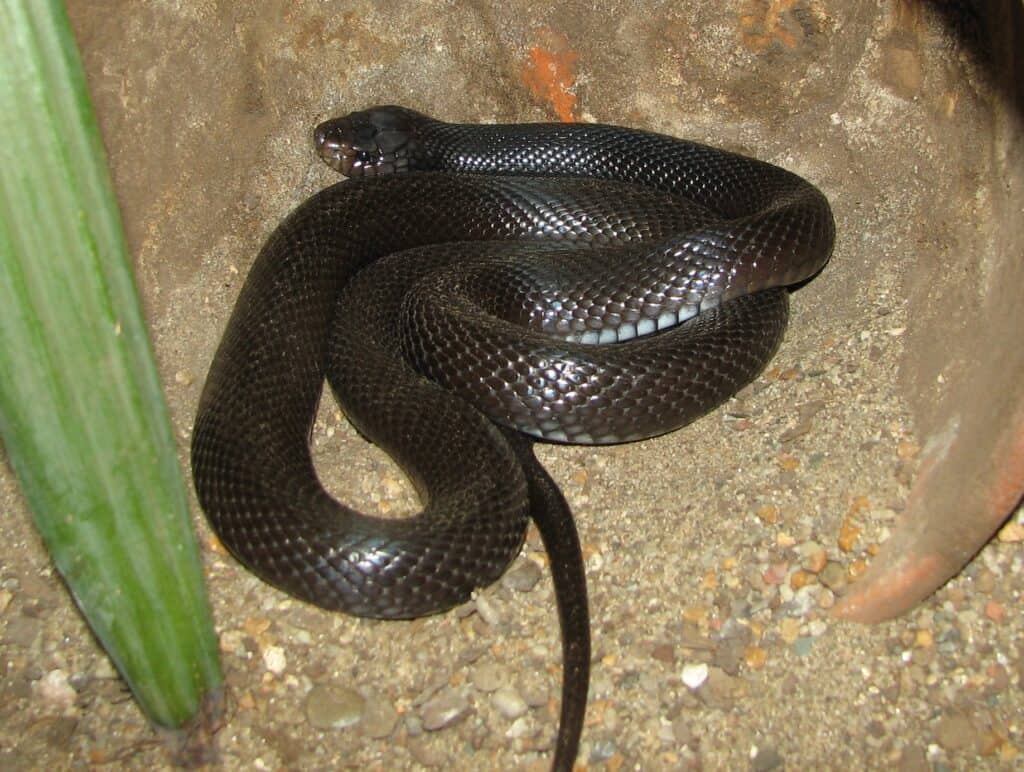
The black desert cobra is a highly venomous snake native to the Middle East and Egypt’s Sinai Peninsula.
9. Sahara Sand Viper
The Sahara sand viper (Cerastes vipera) is one of the smallest venomous snakes in Egypt, reaching just 8-14 inches long. These snakes are sand-colored with light brown splotches. They are stout snakes with broad, triangular heads. Unlike most vipers, they both ambush and actively hunt prey. They primarily feed on small lizards and present little danger to humans, although they are venomous. These snakes inhabit the deserts of North Africa and the Sinai Peninsula.
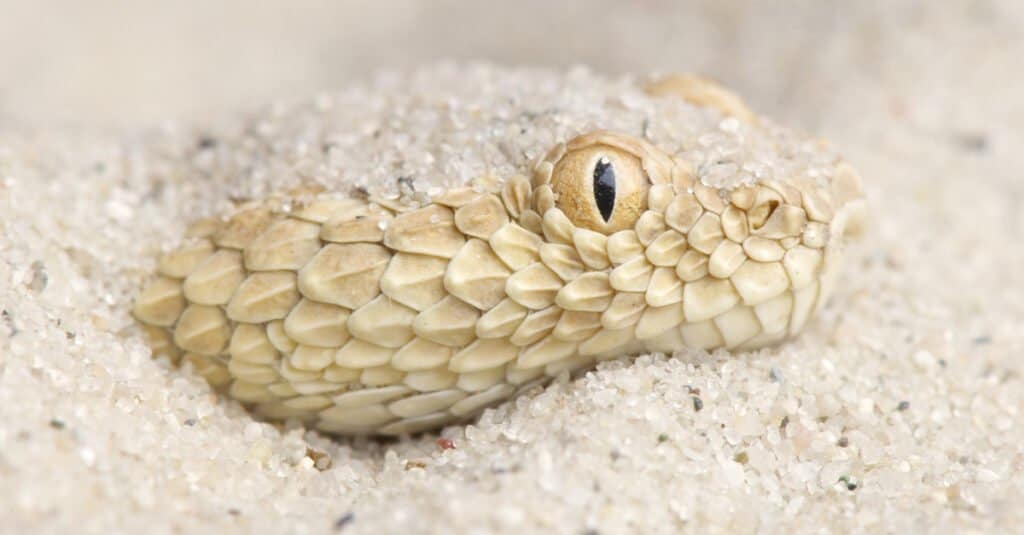
Sahara sand vipers have a maximum length of around one foot.
©reptiles4all/Shutterstock.com
10. Field’s Horned Viper
Field’s horned vipers (Pseudocerastes fieldi) are small venomous snakes that grow to a maximum length of around two feet. These heavy-bodied snakes have broad, triangular heads. They are not true horned vipers, but instead have “false horns” above each eye made of small, overlapping scales. They are brown to grey with darker brown markings and dark tail tips frequently used as a lure for prey. These snakes mainly eat rodents. They favor dry, rocky, limestone and basalt deserts in the Sinai Peninsula of Egypt and the Middle East.
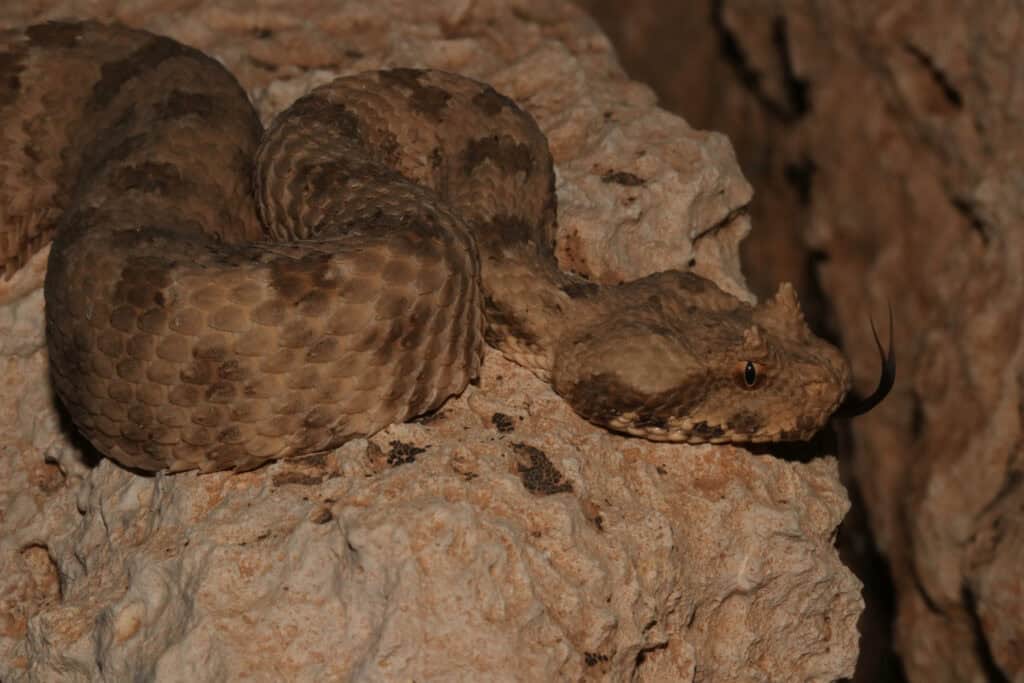
Field’s horned vipers have “false horns” above each eye made of overlapping scales.