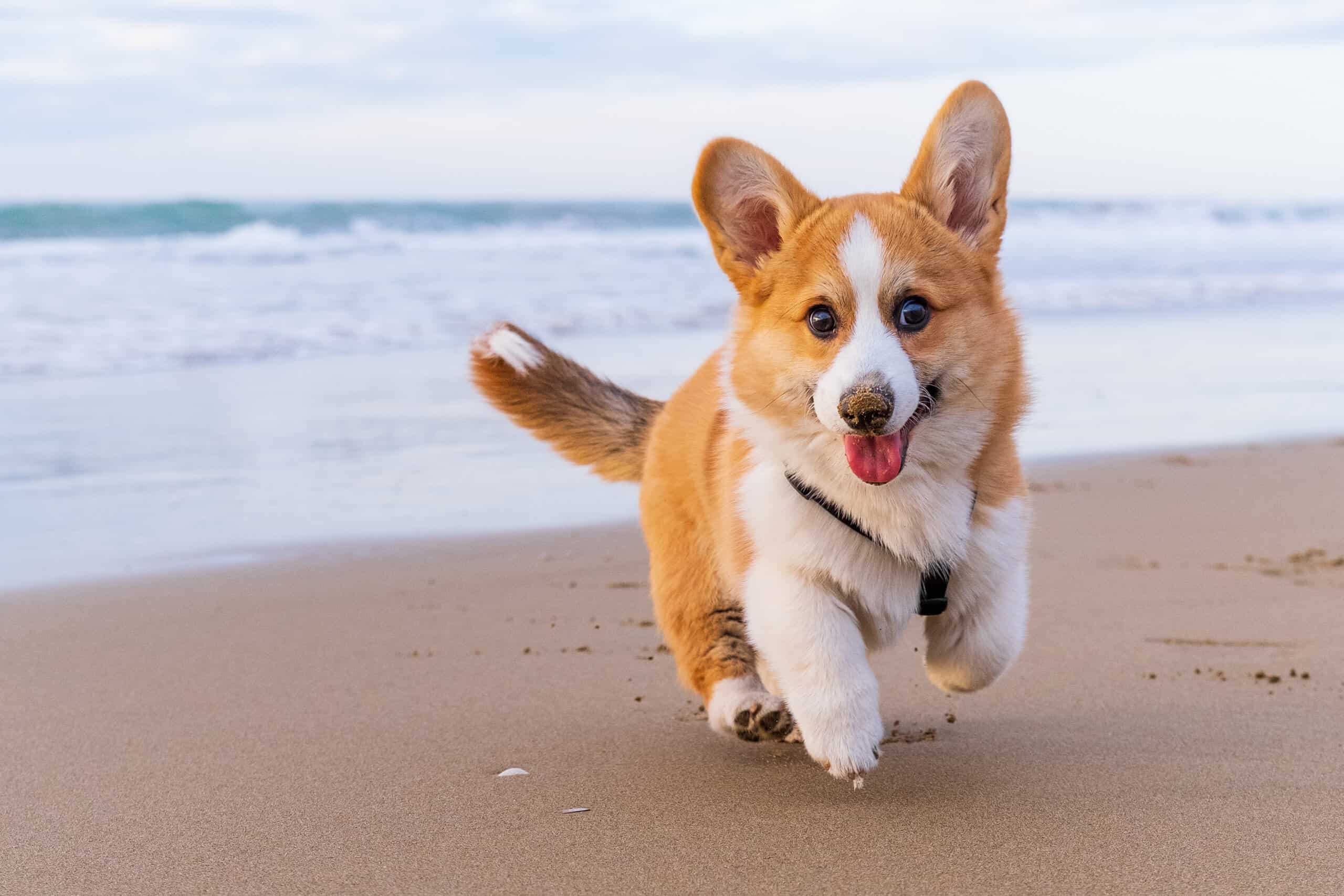

Adorable, energetic, and incredibly intelligent, the late Queen’s favorite dog has come to nestle into many hearts over the years. The friendly spirit and cuteness don’t hurt their cause, either. But if you’re looking to bring home a corgi for the first time, you might have some questions that could help you decide which breed is best for your family. One of the questions many new corgi owners ask is “Do corgis have tails?” You may or may not remember — and there’s a reason for that.
Do Corgis Naturally Have Tails?

Do corgis have tails? You may not be able to remember without some help.
©iStock.com/Tatomm
Naturally speaking, corgis are supposed to have tails. Two distinctive breeds (Cardigan and Pembroke) corgis exist, with Cardigans as the older of the two breeds. Some folks believe Pembroke corgis were bred from Cardigans to create a new variety for dog lovers.
Both breeds have tails when they are born. But the breed you’ll see with happy, wagging tails are the Cardis, which aren’t subjected to docking. Pembroke corgis, on the other hand, have their tails docked when they are only three days old.
Bobtail Mutations
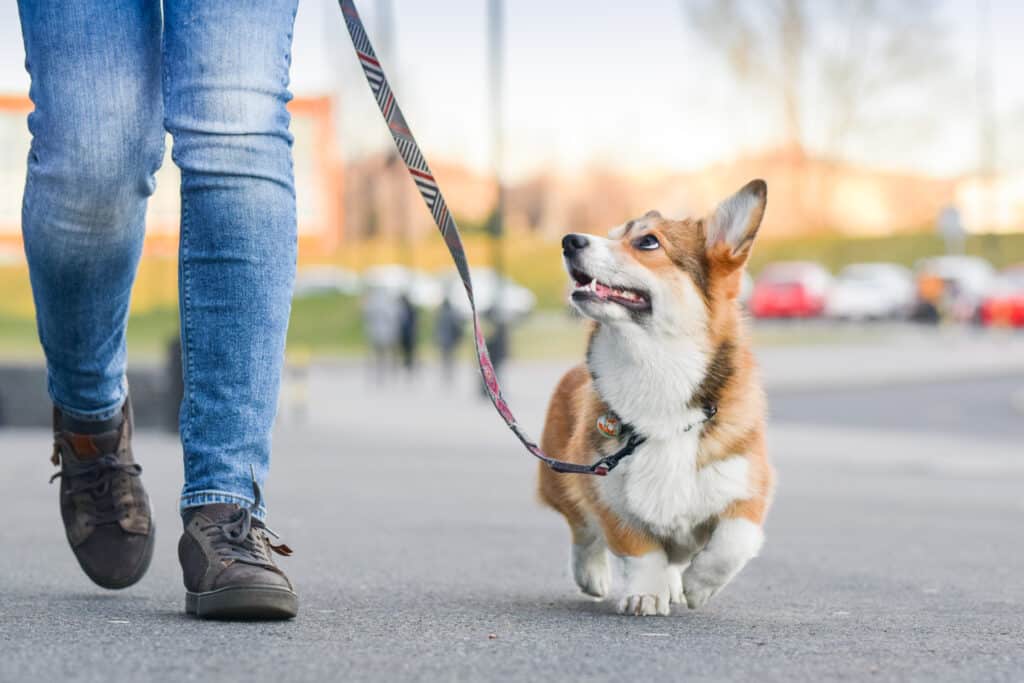
Some corgi breeds develop a mutation that naturally creates a bobtail.
©Jus_Ol/Shutterstock.com
It should be noted that some naturally occurring bobtail corgis do exist. The bobtail results from a mutated gene that prevents the tail from gaining length as the fetus develops or prevents the tail altogether. Even so, most of the natural bobtails do have some sort of tail, it’s just usually much shorter or looks like a stump where the tail should be.
Pembroke corgis are not the only breed to mutate into bobtails. Many other dog breeds may develop the mutation, including:
- Swedish Vallhund
- Australian Shepherd
- Austrian Pinscher
- Australian Cattle Dog
- Pyrenean Shepherd
- Savoy Sheepdog
- Brittany Spaniel
- Catahoula Leopard Dog
- Bourbonnais Pointer
- Croatian Sheepdog
- Polish Lowland Sheepdog
- Karelian Bear Dog
- McNab
- Mudi
- Danish/Swedish Farmdog
- Jack Russell Terrier
- Brazilian Terrier
Why Do They Dock Tails on Pembroke Corgis?
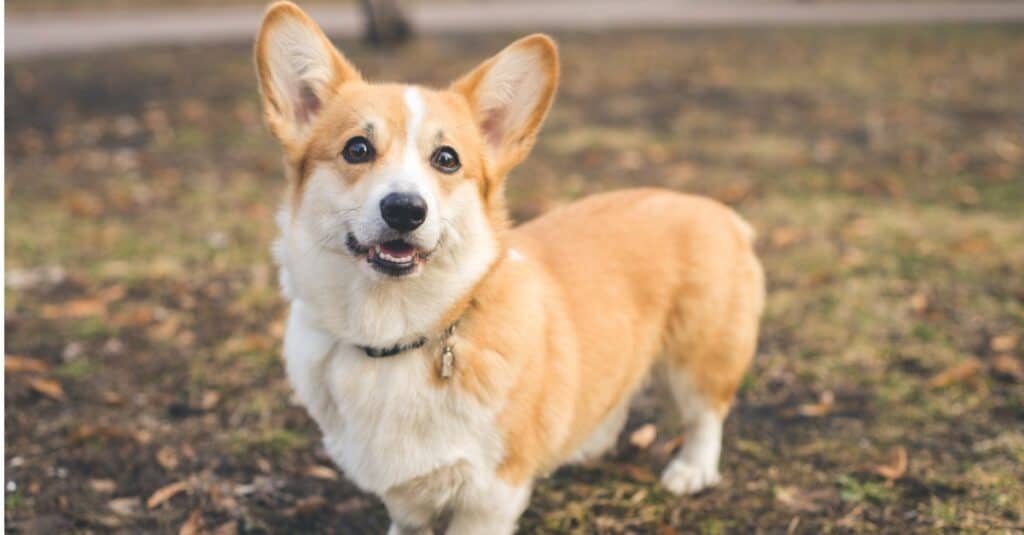
While affectionate and sensitive, corgis also make great watchdogs.
©iStock.com/gorodisskij
A few reasons have caused breeders to dock corgi tails over the years.
Herding
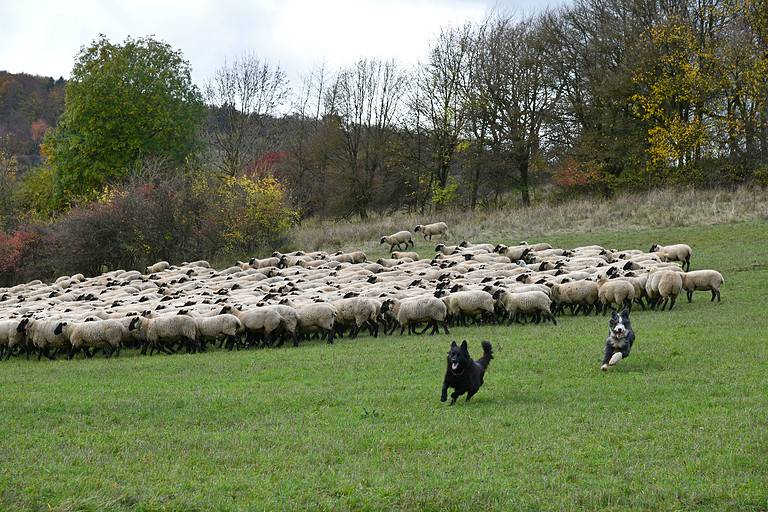
Corgis were bred for herding, originally, and were favored among folks who appreciated the intelligence and energy of the short-legged dogs. Docking began because breeders thought the long tails on the short-legged bodies could be burdensome and make it harder for corgis to herd livestock. Fear that cattle could stomp or catch the tail encouraged the choice frequently until it became commonplace. The assumptions have been disproven in recent years since corgi tails curl upward naturally, but if you happen to see the rare herding corgi these days, they probably still have docked tails.
Association Standardization
Pembroke Corgis must not have tails, according to the standard set by the A.K.C. and similar organizations, such as the Canadian Kennel Club and the United Kennel Club. This means that if a Pembroke Corgi is naturally bobtailed, the tail still must be no longer than 2 inches or even it will have to be docked to meet standards.
Non-registered Pembroke corgis may or may not have tails, since they’re not competing in sanctioned events. Some breeders still choose to dock the tails, however, because this allows them to charge higher prices.
Do All Cardigan Welsh Corgis Sport Tails?
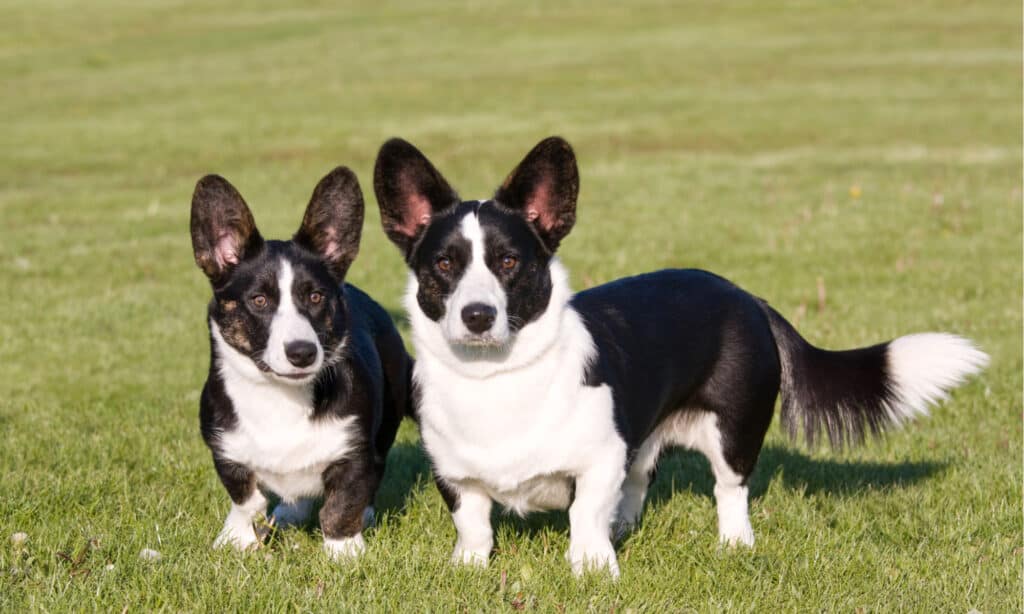
Many cardigan corgis have tails. In fact, most do.
©Lenkadan/Shutterstock.com
Most Welsh or Cardigan Welsh corgis do, indeed, have tails. Breeding standards prefer tails on these little fellows, so it’s rare to see them without, save in bobtail mutations.
Is Docking Painful or Dangerous?
Evidence is unclear on whether or not docking is cruel.
©Pixel-Shot/Shutterstock.com
When you think about it, the idea of cutting off a dog’s tail (which is what docking is), the idea feels inhumane. Those who support docking argue that it does not hurt the animals because the nervous system hasn’t fully developed yet by 3 days.
However, those who oppose dicking believe that even such young pups argue against this, claiming that the puppies do, in fact, feel pain.
Evidence supporting both points of view exists, though reports of puppies yelping when the docking occurs are commonplace. Many, however, make no sound and seem indifferent to the procedure, so it’s possible that it may be case by case.
Is Tail Docking Banned?
With folks on both sides of the argument, docking has been a hot topic for many years. In some countries, like the USA, docking is not restricted or banned. In other places, like the UK and Brazil, restrictions exist. Some countries do completely ban docking, including Australia and Colombia, where docking is considered a criminal offense.
Even in many countries where docking is not banned or restricted, national associations may refuse to support the practice, such as the American Veterinary Medical Association.
Do the Royal Corgis Have Tails?
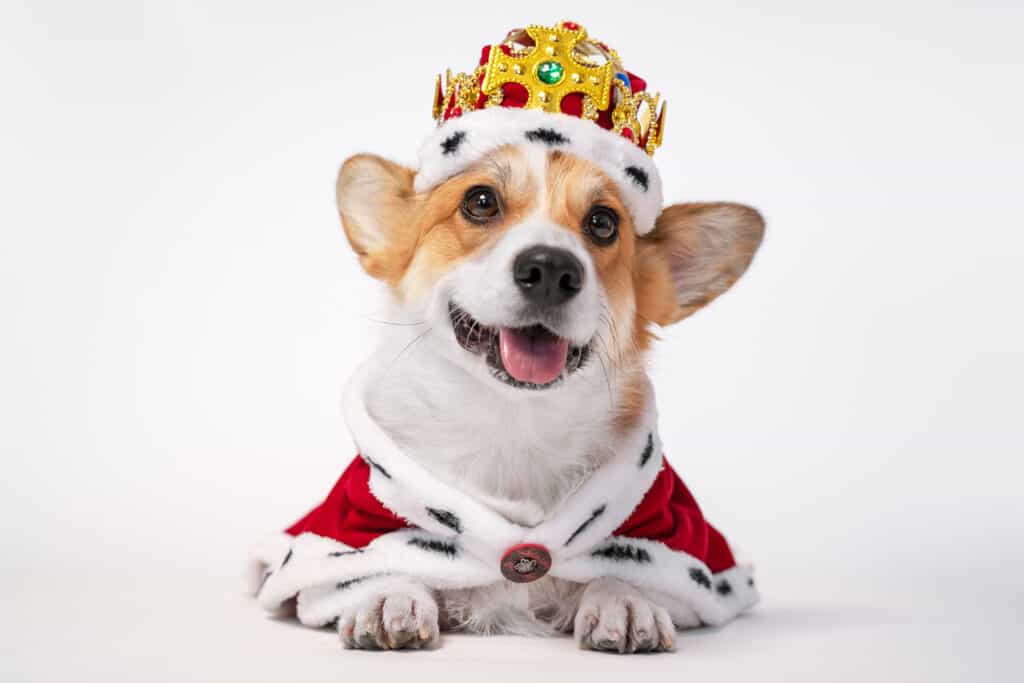
The Royal Corgis mostly have tails.
©Masarik/Shutterstock.com
The late Queen Elizabeth II of England famously loved these short-legged herding dogs. She was known to have bred them and often had them trailing along behind her in photos. In most of the photos that can be found online, the majority of the corgis do, in fact, have tails. Some rumors have flown about that some of the earlier corgis may have had docked tails before the restrictions went into place.