
Quick Take
- A 25% matching contribution is now mandatory to access Colorado’s $1 million safety grant.
- Unsecured trash in 57% of reports continues to drive the surge in residential bear sightings.
- Statistics prove hornets and wasps are counter-intuitively more dangerous to Colorado residents than black bears.
- The July 2026 recipient list follows a detailed evaluation process required to manage community safety.
After hibernating all winter, bears are waking up this spring, and people could potentially be in danger. In an effort to combat human-bear conflicts right now, the state of Colorado is spending $1 million to protect its residents.
How Does the Grant Work?
Colorado Parks and Wildlife (CPW) announced in February the opening of the 2026 Human-Bear Conflict Reduction Community Grant Program, with $1 million to help provide local communities in the state with resources to reduce human-bear conflicts. The grant will be distributed in amounts between $50,000 and $500,000 to fund solutions to reduce conflicts between humans and bears. Eligible parties for the grant include local governments, NGOs, HOAs, community groups, businesses, tribes, universities, and individuals.
According to the press release, the grant will consider four main criteria: reducing the availability of attractants to black bears in communities; having or building local community support; making cost-effective investments that last beyond the funding period; and using proven or innovative techniques to prevent conflicts.
This year, there will also be a new requirement to be eligible for the grant: all applicants must provide a minimum 25% match of the total project budget, as well as detailed documentation of matching contributions. Additionally, projects in areas with enforceable rules regarding trash storage and management will receive higher scores than those without. Applications for the grant program are open until May 29, 2026.
Why Is the Grant Important?
The State of Colorado believes that this grant will help keep citizens and wildlife safe as they live near each other. This is important because wildlife managers estimate that Colorado has between 17,000 and 20,000 bears. From 2019 to 2025, CPW has received over 32,212 reports of bear sightings and conflicts. Last year alone, CPW received 5,299 reports of bear sightings and conflicts, which resulted in property damage 2,448 times.
“Living successfully and safely alongside our wildlife is an important part of who we are in Colorado,” Colorado Governor Jared Polis said in a press release. “These grants will help prevent potentially dangerous conflicts between bears and humans, ensuring we all can enjoy Colorado’s high quality of life, especially in our high country. These investments are an important tool to keep us and wildlife safe and prevent property damage,” said Governor Polis.
CPW Grant Manager Travis Long also issued a statement about how these grants will jumpstart conversations about reducing human-bear conflicts. “Reducing human-bear conflict requires a collective effort, and this grant program serves as a catalyst for that work,” he said in the release. “We are seeing a real shift in how communities are minimizing bear interactions, using these funds to implement practical, high-impact projects that result in substantial strides for public safety and wildlife conservation alike.”
Other Ways to Prevent Conflicts with Bears
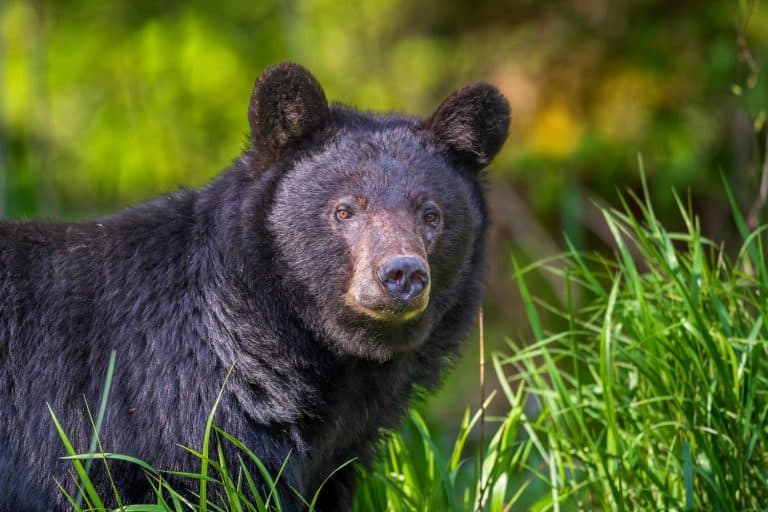
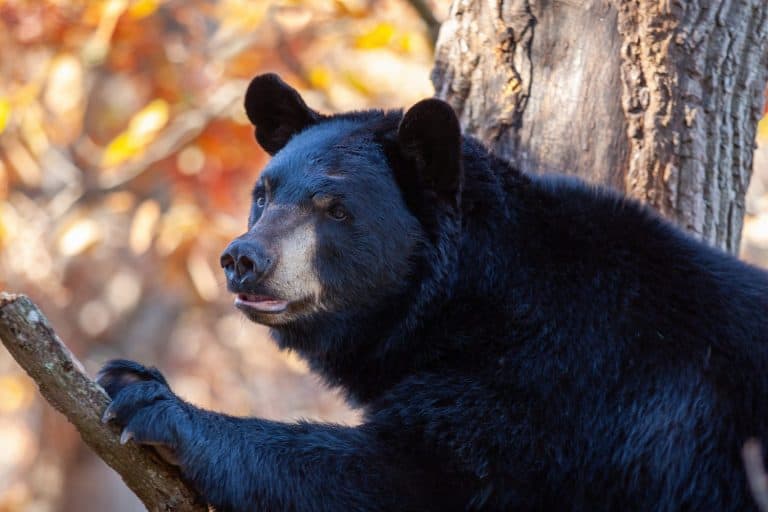
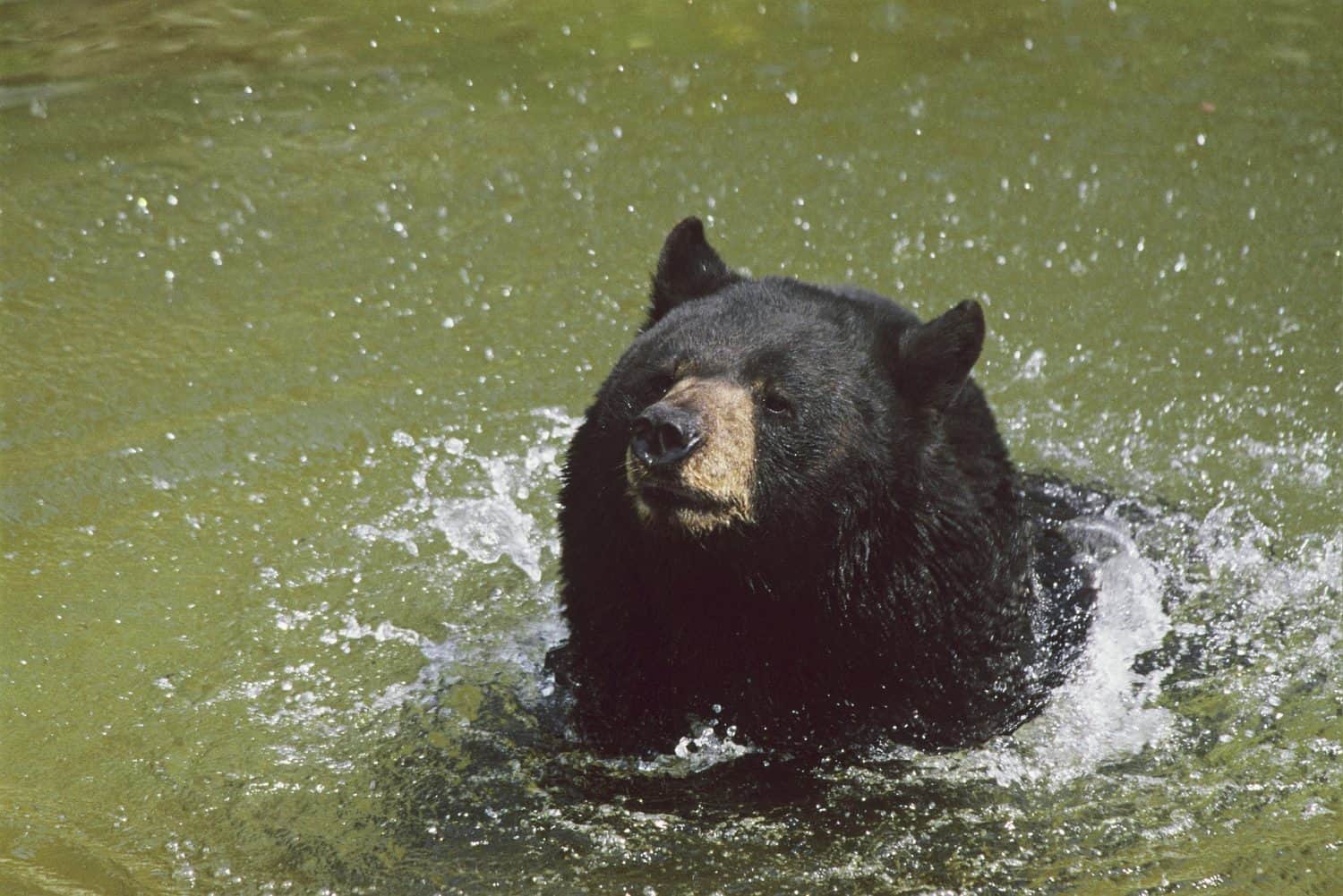
The North American Black Bear (Ursus americanus) is found everywhere from Northern Canada to Central Mexico, most often in mountainous regions. They weigh between 220 and 600 pounds, which can be intimidating if you encounter one in the wild. However, black bears generally live peacefully near people, although there have been rare instances of fatal attacks, either in self-defense or, less commonly, as predatory incidents. Nevertheless, bear attacks are rare. According to data from the CDC, you are more likely to die from hornets, wasps, and bee stings than bears.

North American Black Bears are more likely to leave you alone than attack you. However, there are many ways to reduce conflict.
©Tom Reichner/Shutterstock.com
In CPW’s press release, it was stated that trash cans and dumpsters attracted bears in over 57% of cases. Other attractants for bears include bird feeders, livestock, open garages, and human-originated items left unsecured.
In order to reduce bear-human conflicts, there are several steps you can take. According to the Vital Ground Foundation, you should make noise and carry bear spray in case of an encounter, and properly store food and garbage if you live near bears. These precautions will not only help keep you safe but also protect the bears and promote conservation.
How to Apply
Apply online here by May 29, 2026. Successful grant recipients will be announced in July 2026, and projects must be finished by Dec. 31, 2029. For questions, contact Travis Long at [email protected].