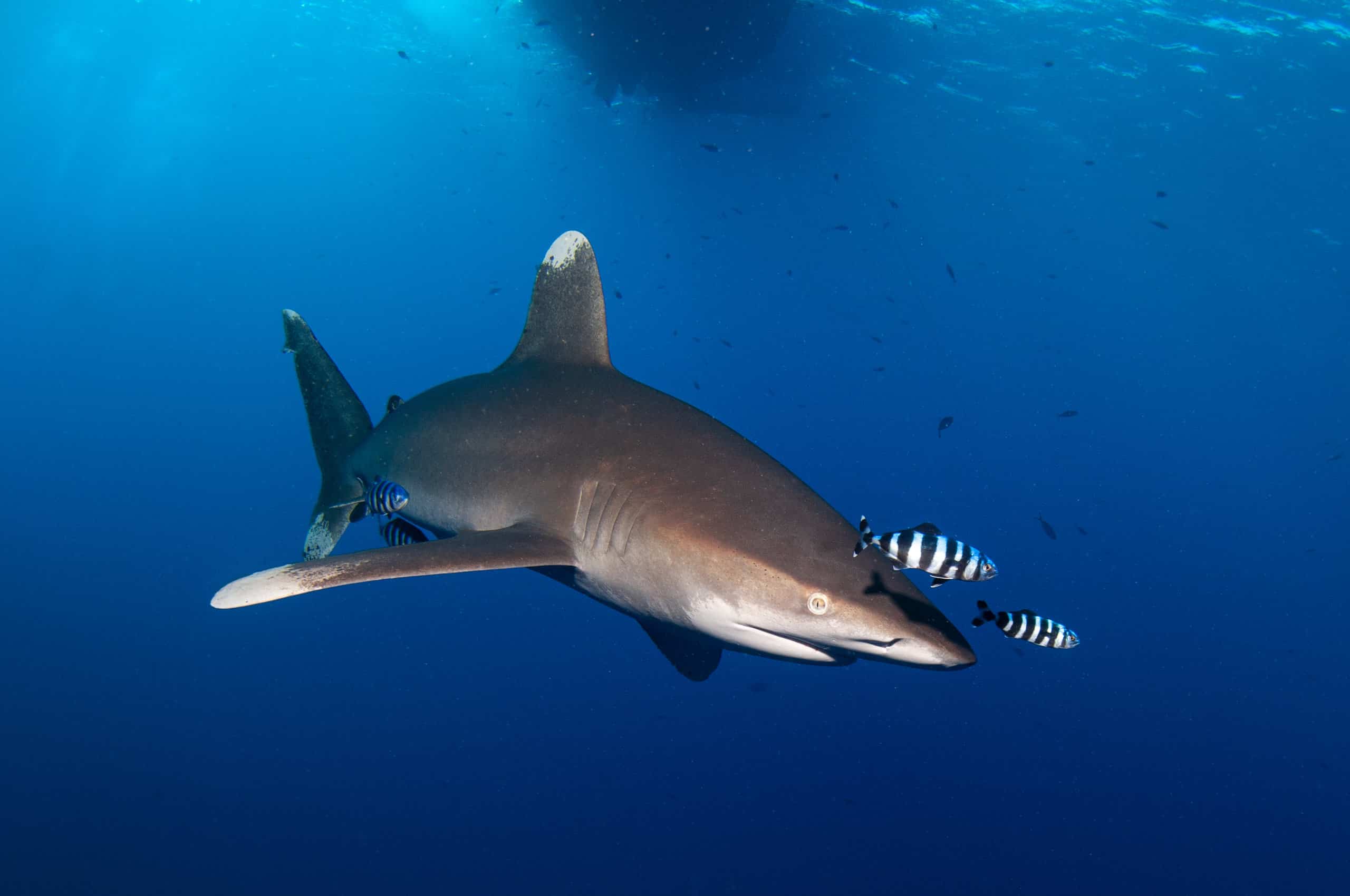

Since the Earth began, it has been home to millions of species that modern day humans would struggle to comprehend. Throughout history, our planet has undergone five mass extinction events. An estimated 75-90% of species were lost during each of these catastrophic events. Some scientists hypothesize that we are currently in our sixth mass extinction event caused by human-driven climate change, habitat loss, unsustainable food processes, and issues such as over-fishing. Within the next century, over one million species are at risk of extinction. Specifically, the IUCN estimates that nearly one-third of sharks are at risk of extinction. Among the critically endangered, or those most threatened, are the Ganges shark, the Oceanic whitetip shark, and the great hammerhead shark.
The issue, beyond the significant species loss, is that sharks are considered a keystone species, which means their ecosystems largely depend on their presence. Without sharks, or with a lesser diversity of sharks, entire ecosystems can be profoundly and catastrophically altered. Unfortunately, a research study published in Science Advances suggests we are headed in the wrong direction. Researchers from Stanford University, the McWane Science Center, and SeaWorld’s Education and Conservation Department set out to understand how shark extinction threatens biodiversity.
What Sharks Did This Study Cover?
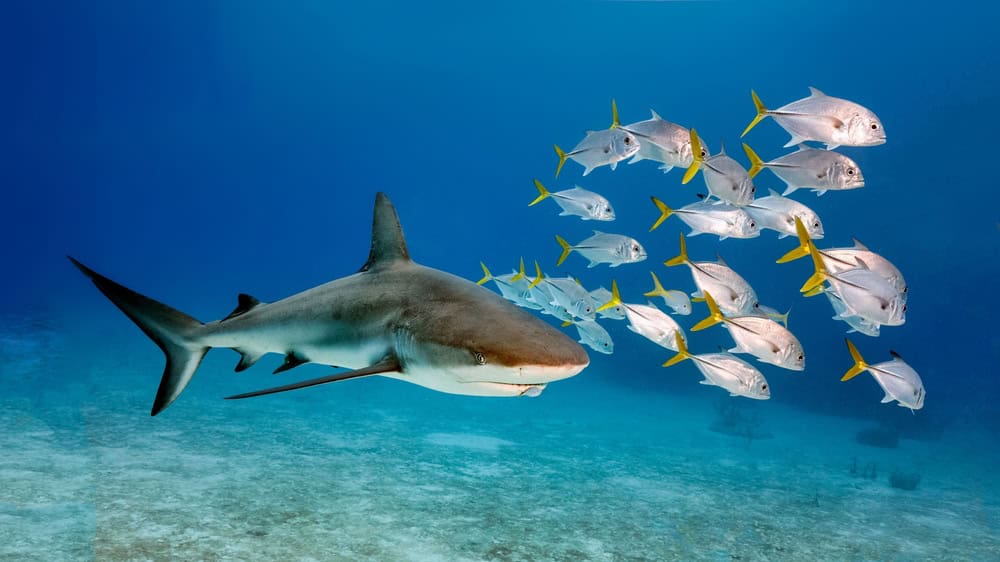
Bull sharks, one of the 35 species within Carcharhinus, eat prey in the reefs, keeping smaller fish or animals from decimating seagrass or seaweed.
©Wirestock Creators/Shutterstock.com
The researchers’ study focused on requiem sharks within the genus Carcharhinus. More specifically, the study evaluated teeth from 30 species within this genus. These species included:
- Oceanic whitetip sharks
- Pondicherry sharks
- Spot-tail sharks
- Nervous sharks (yes, that is their real name!)
- Bull sharks
Altogether, the study notes, the 30 species comprise just over 85% of all species within this genus. Unfortunately, the genus seems at risk of collapse. The study cites the International Union for Conservation of Nature (IUCN)’s Red List of Threatened Species to explain that 17% of shark species within this genus are Critically Endangered. This means that they are at a much higher risk of extinction in the wild. 23% and 31% are endangered and vulnerable, respectively. If you add those numbers up, you’ll see that a staggering 71% of Carcharhinus sharks at at risk of extinction.
The risk largely comes from overfishing by commercial fisheries. Beyond being purposefully caught for their liver, meat, fins, and skin, sharks may be vulnerable to bycatch. Carcharhinus sharks typically reproduce slowly, which means they cannot replenish their population after overfishing. Additionally, climate change has undoubtedly affected the habitats and environments where these sharks usually live.
Evaluating Shark Tooth Morphology
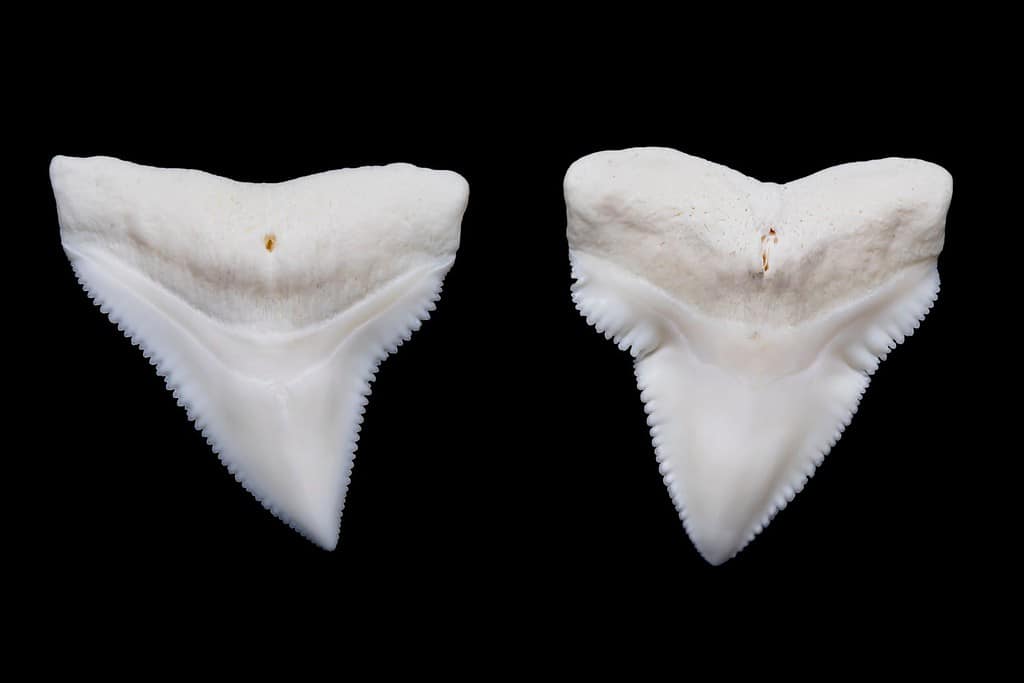
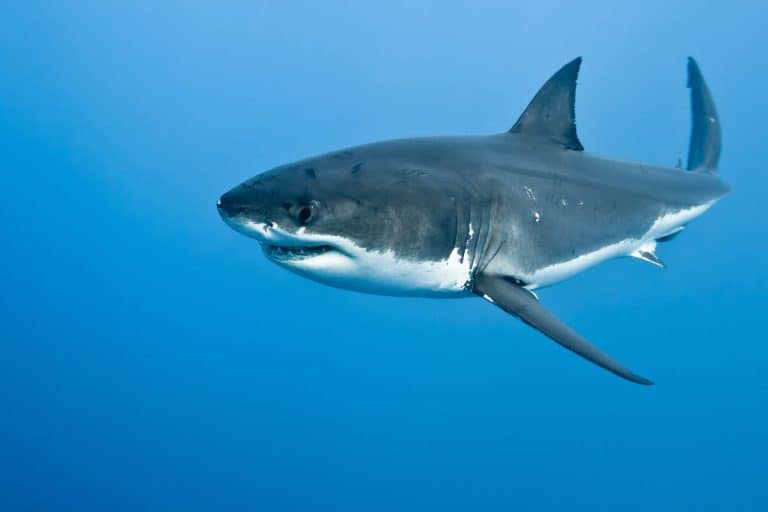
Shark tooth morphology (the shape, structure, and size of the teeth) may share which sharks are less likely to go extinct.
©Mark_Kostich/Shutterstock.com
Although several sharks in the Carcharhinus genus are at risk of extinction, the risk isn’t evenly shared. In the study, led by postdoctoral scholar Mohamad Bazzi, the research team sought to evaluate what physical and morphological features predicted which sharks might survive and which might disappear.
Since Carcharhinus sharks often have similar body types, the researchers decided to evaluate another feature: the sharks’ teeth. These teeth can tell you a lot about a shark and the role it plays in its ecosystem. For example, bull shark teeth are short, triangular, and serrated. Designed for tearing prey into bits, a bull shark’s teeth can slice through sea turtle shells, squids, rays, and even smaller sharks. Now imagine there were too many fish or turtles in a certain area, and these were over-eating coral or seagrass, making it harder for other species to thrive. Bull sharks can eat some of those fish or turtles, providing more balance. From another angle, these sharks may eat sick or unhealthy prey, protecting from wider-spread disease.
So, by looking more closely at sharks’ teeth, researchers believe they can tell how and where the ecosystem might suffer if certain sharks go extinct.
Creating the Morphospace
To begin, the research team created a morphospace to analyze 1,256 teeth from sharks within this genus. They used computer software to distinctly measure each tooth.
Morphospace sounds highly scientific and technical, but it’s actually quite simple to understand. According to Mark Ridley’s Evolution, “A morphospace is a representation of the possible form, shape or structure of an organism.” Within this morphospace, the researchers essentially laid out all of the shape, structure, size, and other differences in the shark teeth by plotting these differences on a map.
The morphospace showed researchers that there actually was a correlation between tooth shape and extinction risk. Sharks like the Pondicherry shark, the Oceanic whitetip shark, and the night shark (C. signatus) had more uniquely shaped and specialized teeth. To researchers, this suggests that these sharks have evolved or adapted to hunt specific prey or keep control in certain areas. Alternately, sharks like the Galapagos shark and Australian blacktip shark, who are at a lower risk of extinction, share more similarities in tooth morphology.
The research team also explored whether there was any relationship between diet and extinction risk. But they didn’t find any significant connection. They did note that most of the sharks they studied ate bony fish, while several others ate crustaceans, squid, and octopuses. But they did find that sharks with more unique, narrow teeth did tend to feed on more specialized prey, while sharks with larger, broader teeth were happy to feed on most things.
Losing Shark Diversity
Finally, the research team evaluated what would happen to the genus if specific subsets of sharks went extinct. They found that:
- Shark teeth diversity would be reduced by 15% if all Critically Endangered species disappeared.
- Add in Endangered species (40% of the species in this genus) and shark tooth diversity falls by 16%, then 25.5% if you add in Vulnerable species.
But what if Near Threatened species disappeared too? 63% of tooth diversity would be lost. The remaining sharks would share the same body type, hunting habitats, prey, and tooth shapes. But this could increase competition between species, while also allowing certain prey to grow unchecked.
Sharks may also be threatened, as I shared earlier, due to overfishing. While fishers do sometimes seek out sharks, they’re also overfishing what these animals eat. If fishers overfish the prey of a shark with specialized teeth, those sharks may not be able to eat. This can have serious and dangerous effects. Sharks with less specialized teeth, however, can still survive since they’re able to eat more.
What Does This Mean for Carcharhinus Sharks?
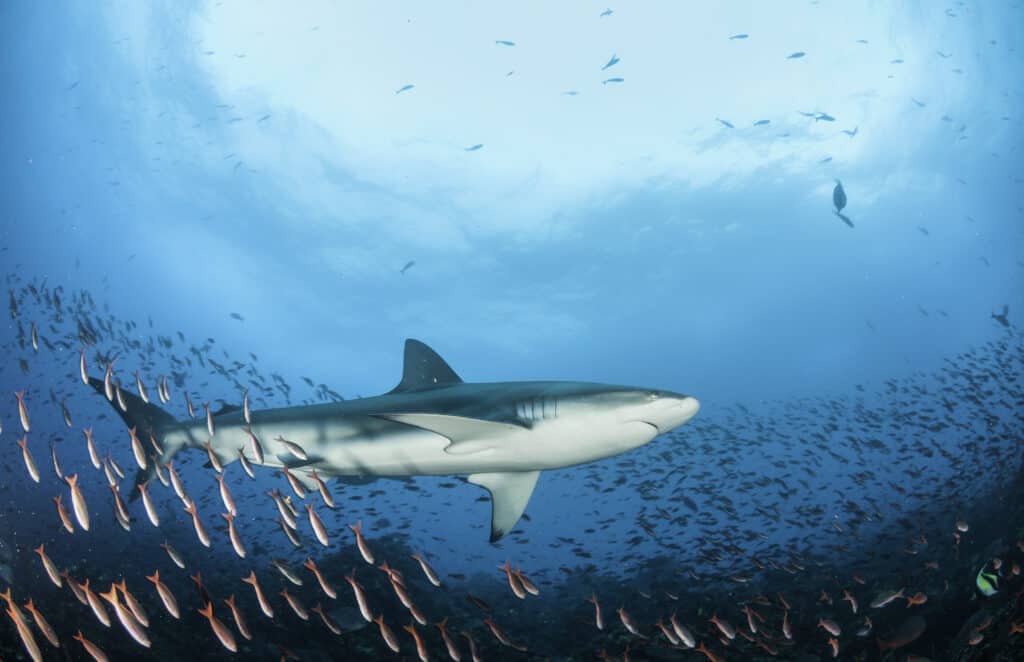
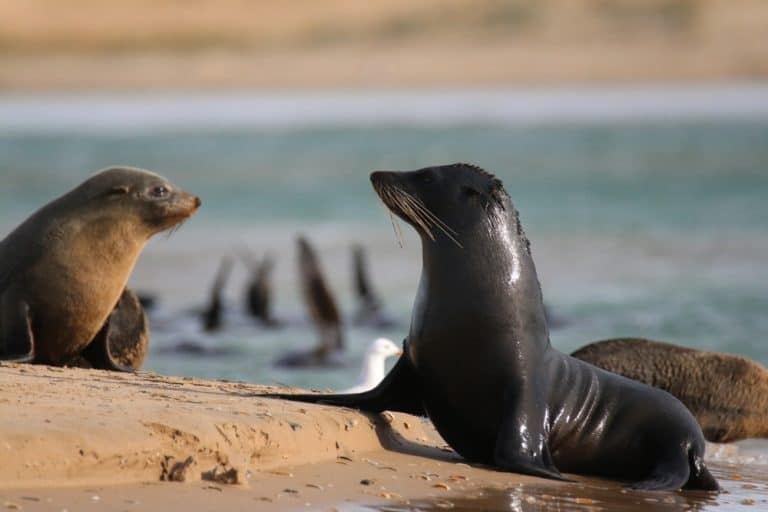
Galapagos sharks have diets largely made of fish and crustaceans, but have been known to attack fur seals from time to time.
©wildestanimal/Shutterstock.com
The study findings suggest that, should many Carcharhinus sharks become extinct, the remaining sharks would be more similar in nature. Over time, this would have wide-reaching effects on our oceans. First, as stated earlier, the loss of specialized feeders means there would be more sharks and other marine creatures now competing for the same food sources. Unfortunately, there are issues with replenishing fish stocks, so some species would go hungry and possibly also increase their risk of extinction.
But if specialized sharks aren’t around to control fish populations, it could also affect humans. Fishers would be in increased competition for certain fish, both with each other and sharks. If you’re a seafood lover, your favorite meal may suddenly be harder to get. Fisheries also employ a significant amount of people worldwide, so many people would be at risk of job loss.
Because certain prey would also be hunted less by specialized sharks, they would have free reign over their environments. If they do more damage to seagrass or coral, that also damages food sources and habitats for many other species, potentially putting other endangered or vulnerable species at risk.
Protecting these sharks is so important, as you can see, because a loss of several species will have ripple effects through the entire ecosystem.
All is Not Lost

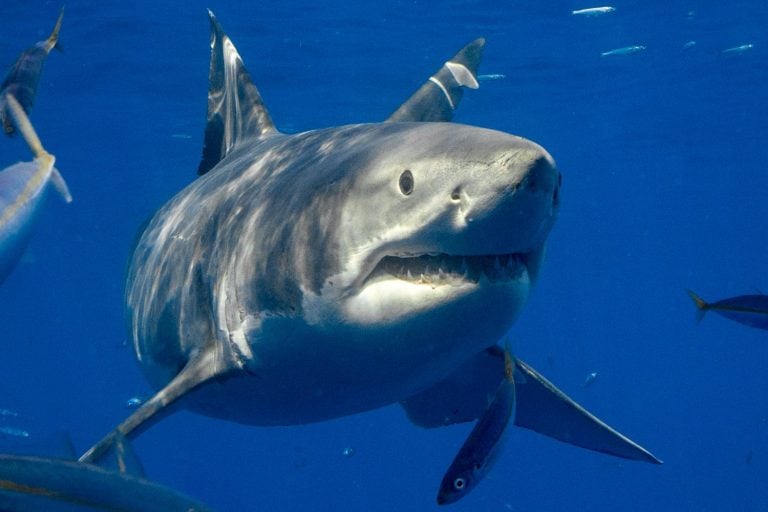
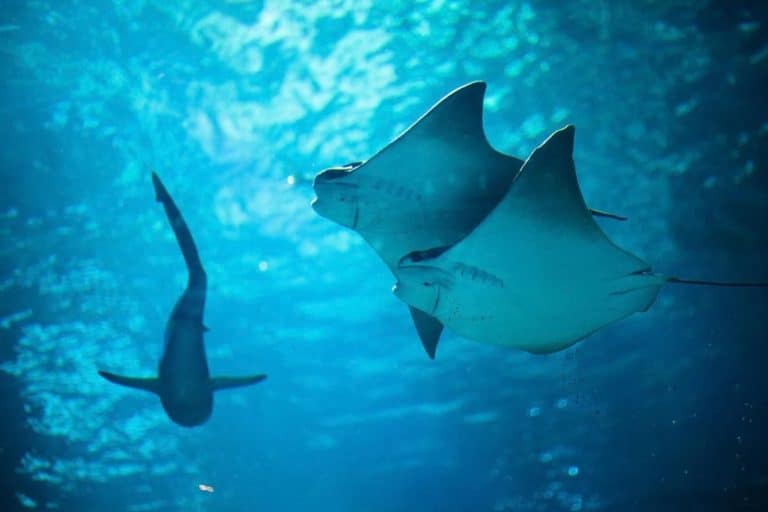
Sharks and rays have lost more than 50% of their population over the last 50 years, but conservation efforts can make a difference.
©Lewis Burnett/Shutterstock.com
Reading about the state of our world’s sharks can be unsettling or even upsetting. If you’re worried about the future of our oceans, you’re not alone. But there are things to be done to advance conservation efforts and save our sharks.
Want to get involved? Here are a few options:
- Advocate for fisheries to use bycatch reduction technologies to reduce the amount of accidental shark catches.
- Write to your legislators if there are shark-fishing tournaments in your state or country to share your thoughts on how these tournaments can be harmful for vulnerable shark populations.
- Donate to, or volunteer with, organizations like the Shark Conservation Fund, Shark Stewards, Australian Marine Conservation Society, or Shark Trust.
- Sign the Big Shark Pledge to push for more sustainable fisheries.