
Quick Take
- A fish locals called 'worthless' for centuries turned out to hold the key to one of evolution's most stubborn mysteries. Meet the new species →
- Scientists never cut into this fossil, yet they saw inside it more clearly than any researcher had in 150 years. Here's how. See the imaging technique →
- The coelacanth was supposed to be evolution's most boring story. This overlooked museum specimen just made it complicated. Discover the complication →
- Museum storage rooms are hiding answers to questions scientists haven't thought to ask yet, and one drawer just proved it. Explore hidden collections →
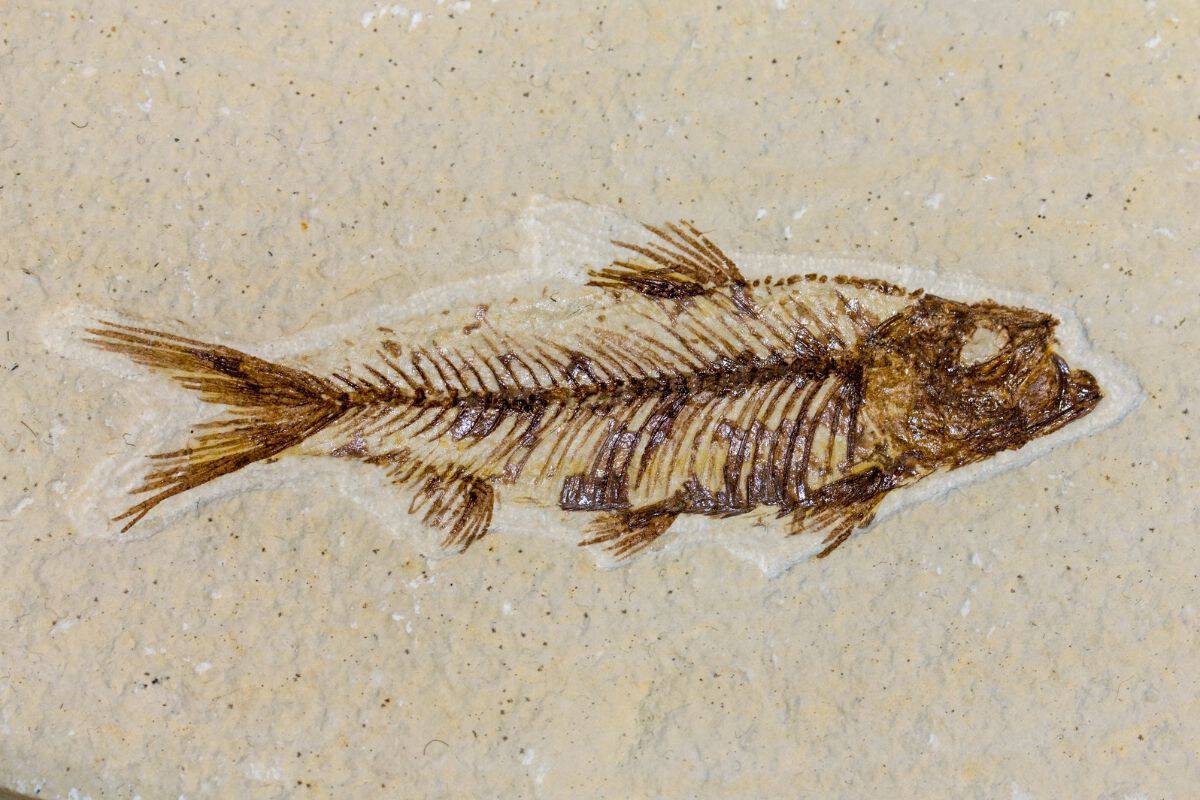
A single fossil, overlooked in a London museum for over a century, has upended what scientists thought they knew about an enduring creature of the deep. For more than 150 years, this specimen sat undisturbed amid countless other relics, its true value hidden until researchers took a closer look, armed with cutting-edge technology.
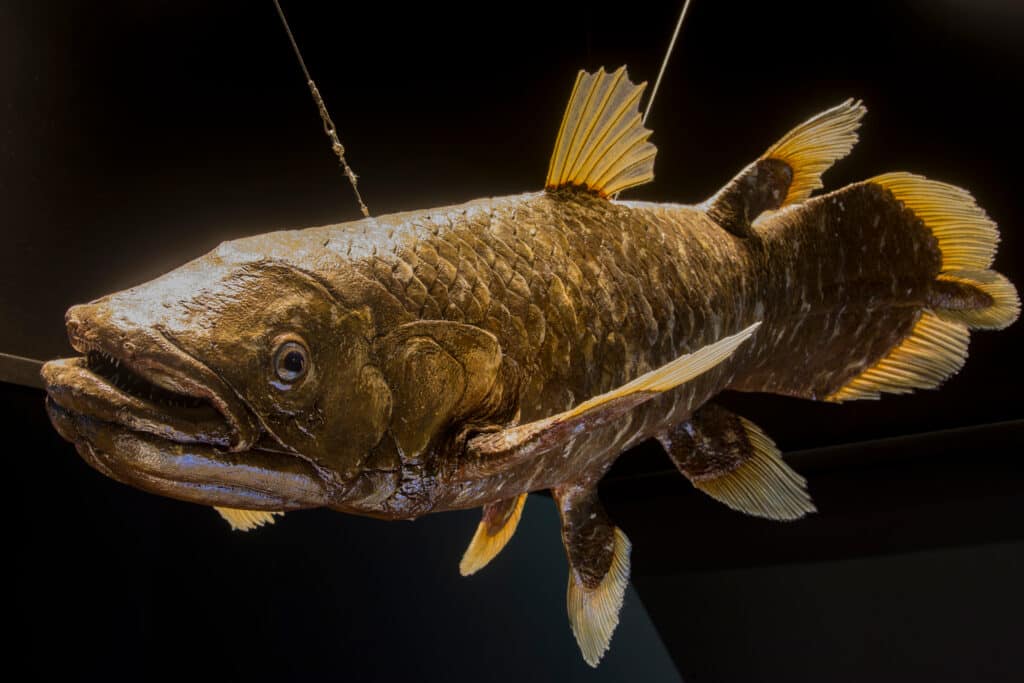
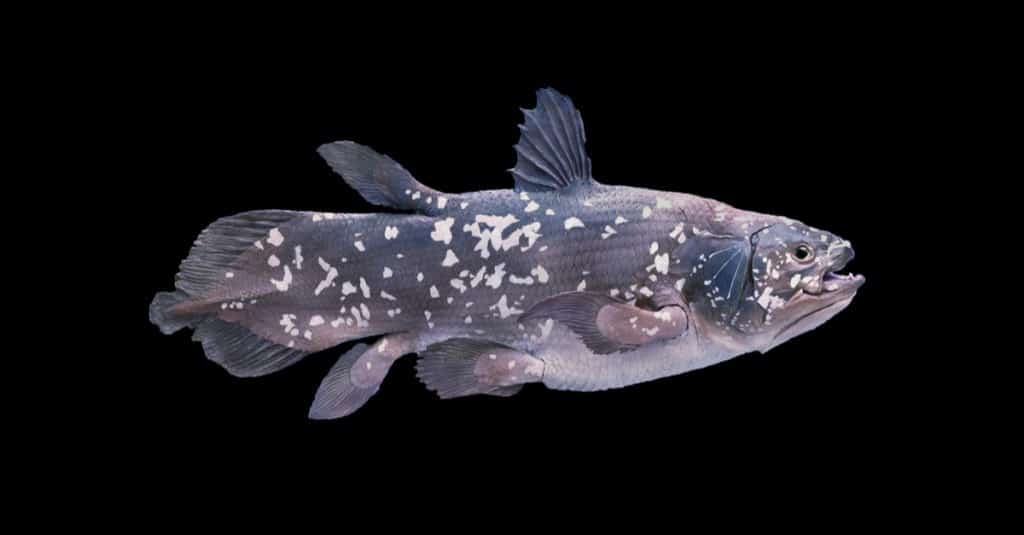
The fish in question is a coelacanth, a species so ancient and enigmatic that it earned the nickname “living fossil.” Coelacanths are rare survivors, once believed wiped out alongside the dinosaurs. Yet the fossil in the Natural History Museum contained secrets that would illuminate a 50-million-year stretch of evolutionary history no one had expected to fill.
A Discovery Hiding in Plain Sight
The story began in the fossil halls of London, home to specimens collected before the light bulb was invented. When researchers revisited one coelacanth fossil from the Lower Cretaceous Gault Formation, using high-resolution scans and X-ray computed tomography, they found it wasn’t just another ancient fish. The results revealed a new species: Macropoma gombessae.
This species is now the oldest known member of its genus. Its discovery addresses a crucial gap in the family tree of coelacanths, offering insight into how these prehistoric fish evolved into the creatures found near Africa’s Comoros Islands today. For decades, evolutionary biologists puzzled over missing links in the coelacanth lineage. Here was one, hiding in a museum drawer all along.
The name “gombessae” reverberates with cultural memory. It pays tribute to the “Gombessa,” which local Malagasy and Comorian communities have long used to describe coelacanths. The term means “inedible fish” or “worthless fish,” a striking reminder that today’s scientific treasures were once dismissed by those who lived alongside them.
Peering Inside with Modern Eyes
None of this would have come to light without the new imaging techniques now at paleontology’s disposal. Instead of risking damage by cutting or drilling into the precious fossil, scientists used digital scans to reconstruct its bones down to the finest details.
X-ray computed tomography made it possible to see the inner structure of this ancient fish as never before, revealing features that connect it to both its Cretaceous relatives and modern coelacanths. For the researcher who first recognized the fossil’s significance, the ability to digitally manipulate an object of such age and rarity was remarkable and transformative for the study of evolutionary history.
This approach is revolutionizing how museums operate. Once viewed as static storage rooms, natural history collections are being reimagined as research powerhouses, places where even centuries-old specimens can yield new discoveries as technology advances. Old fossils, it seems, still have new stories to tell.
Reshaping a Story of Survival
Perhaps no animal embodies resilience like the coelacanth. After disappearing from the fossil record more than 60 million years ago, its presumed extinction was upended in 1938, when a living specimen was hauled up off South Africa. The fish became a symbol of evolutionary stasis, seemingly unchanged by the passage of time and catastrophe.
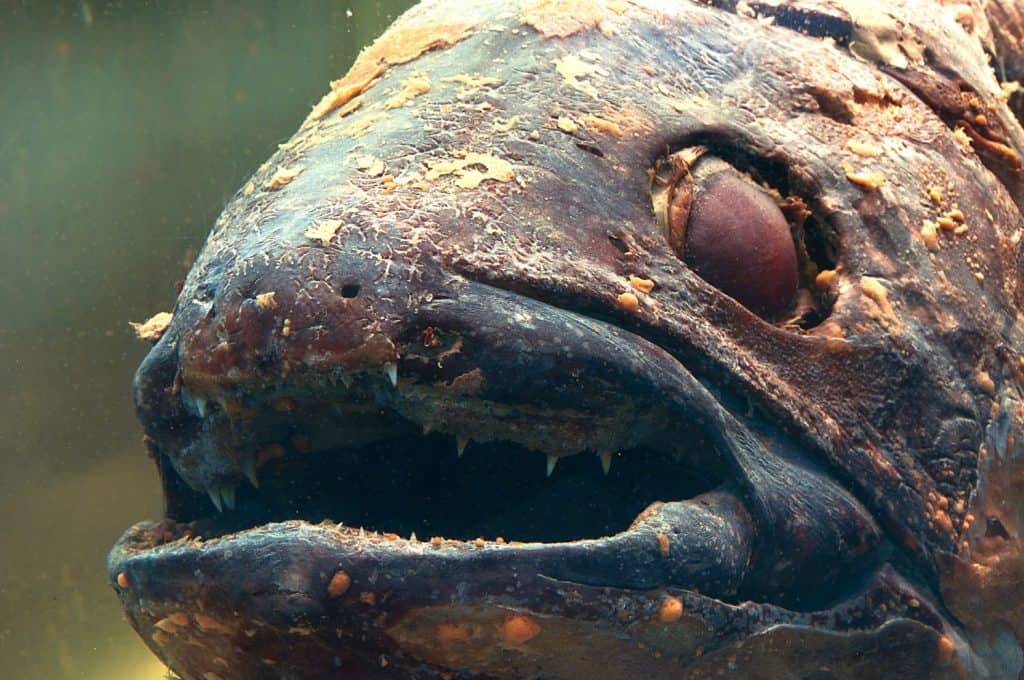
But the identification of Macropoma gombessae reshapes this narrative. Rather than a tale frozen in evolutionary amber, the coelacanth’s story is richer and more complex. The new fossil reveals subtle shifts and adaptations that bridge ancient and extant forms, showing that even so-called “living fossils” defy our expectations of biological change, or the lack thereof.
For those maintaining museum collections, the find highlights the ongoing value of these institutions. Generations may pass before a specimen’s true importance emerges. But as research tools evolve, so too does our understanding of the living world’s history, waiting quietly in the dark, dusty drawers of the past.
Beyond the Fossil Cabinet
The rediscovery of a single coelacanth fossil, hidden for so long, demonstrates how much is left that we do not know. As scientists revisit collections with new eyes and new tools, the boundaries of evolutionary history shift. Each specimen, old or new, offers another opportunity to see the natural world in greater detail and to appreciate the winding, unexpected paths life takes across millions of years.