
Quick Take
- A drifting iceberg accidentally unlocked a secret world, and what robots found on the seafloor beneath it defied everything scientists thought they knew about Antarctic life. See how it was found →
- The nests weren't scattered randomly. They followed six distinct patterns, and the reason fish cluster this way has nothing to do with water temperature. Explore the six nest patterns →
- A biology theory borrowed from land animals may explain why fish pack their nests together in the dark at 1,000 feet deep, and the explanation involves outsmarting predators in a surprising way. Discover the selfish herd theory →
- This footage is not only scientifically remarkable. It could also redraw the boundaries of one of Earth's most contested protected areas. See the conservation implications →
An Unexpected Discovery Beneath Antarctica
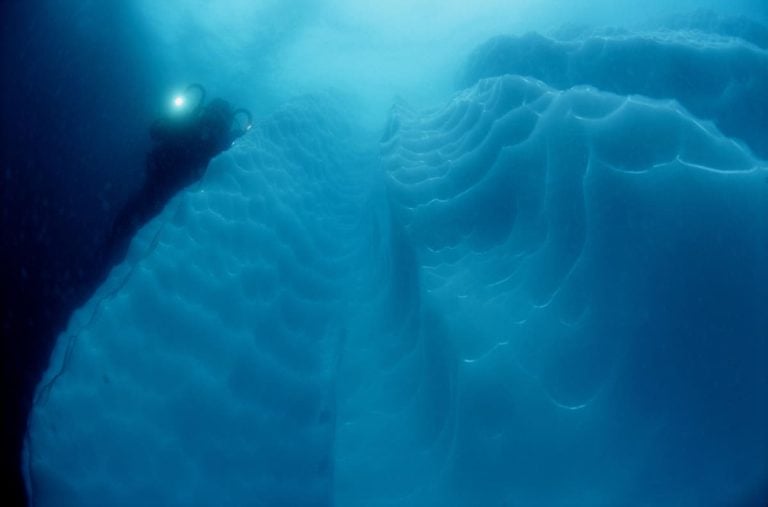
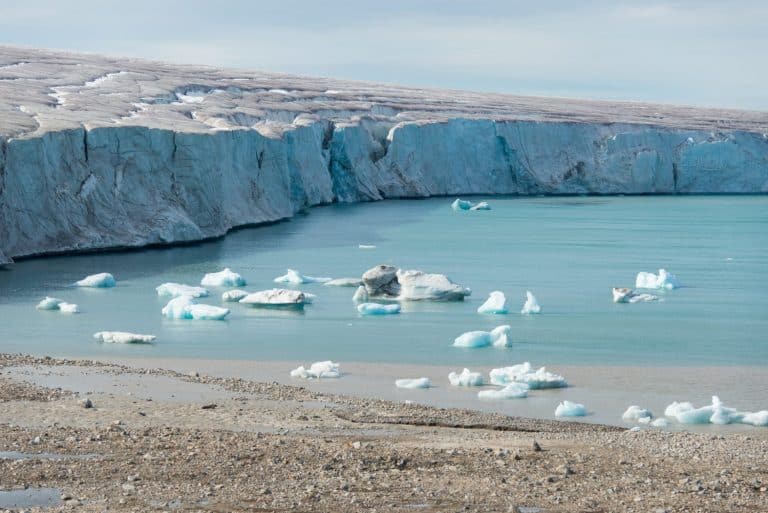
In the vast, icy waters off Antarctica, a drifting iceberg recently set the stage for a scientific surprise. When a massive chunk broke from the Larsen C ice shelf in 2017 and moved away, it revealed a part of the seafloor long hidden from view. With this sudden access, researchers from the University of Essex saw an opportunity to reach a world previously locked beneath ice.
©Faraz Kalmati/Shutterstock.com
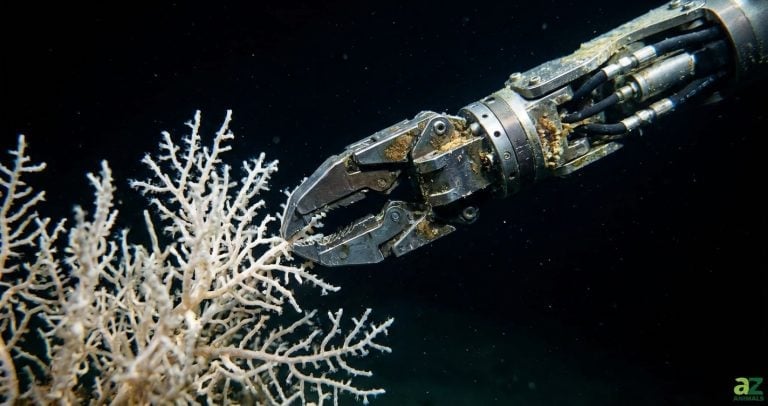
It was here that they found something extraordinary: a sprawling network of fish nests more than 900 feet below the surface. Using footage from a robotic submersible, the team brought back images that shifted long-held assumptions about marine life in the southernmost ocean.
Robotic Cameras Capture Life Where Humans Cannot
January 2019 marked the start of new exploration. Five dives by a robot named Lassie, deployed from the research vessel SA Agulhas II, provided over a day of continuous video. The footage revealed 1,036 active fish nests, neatly organized in 277 different groups, scattered between 950 and 1,350 feet deep off the Antarctic Peninsula. Among these, 72 nests contained visible fish larvae when the cameras passed.
This nursery belongs almost entirely to a little-known Antarctic fish, Lindbergichthys nudifrons, rarely growing longer than 7.7 inches. Each nest, about 4.7 inches wide, was guarded by a lone adult, typically a male. The males keep vigil, cleaning debris and chasing away predators hungry for eggs. Their relentless cleaning makes the nests stand out against the otherwise plankton-covered seabed.
A Complex Social Order Beneath the Ice
The discovery challenged expectations of how fish manage their nesting grounds in such an extreme environment. Scientists noted that these nests weren’t scattered at random. Instead, there were six clear patterns: large clusters dominated, accounting for nearly half of all nests. Isolated nests and ones lined up in sharply defined U-shapes followed. Some stretched in ovals, crescents, or rare straight lines, though the latter made up just a small fraction.
©Mozgova/Shutterstock.com
The arrangement raised new questions. Measuring water temperature near the nests showed little difference from surrounding currents, with just one surprising exception. This contrasted with a separate discovery from 2022, when researchers found a similar colony in slightly warmer waters nearby. The reason so many nests congregated here appeared to run deeper than temperature alone.
Why the Fish Nest Together
To make sense of these gatherings, the team turned to the “selfish herd” theory from biology. Grouping densely could offer safety: eggs at the center would be less accessible to hungry predators. These concentrated odors might even throw off predators like Parborlasia corrugatus, a type of voracious marine worm, by masking the chemical trail leading to the eggs.
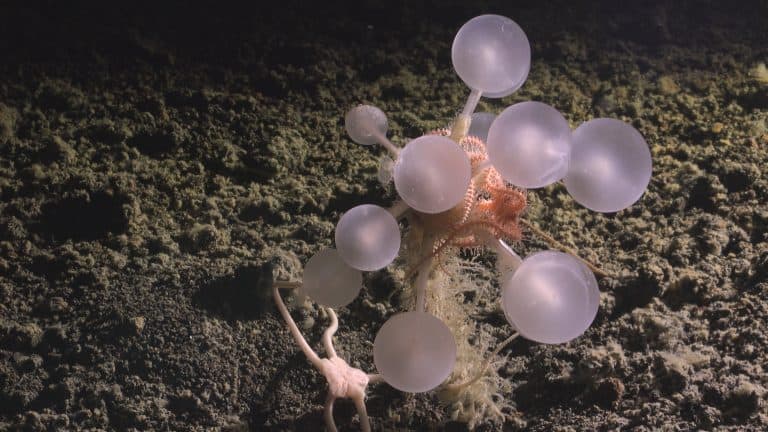
On the edges of roughly one in three nests, brittle stars, delicate relatives of starfish, were seen resting. Though known to eat Antarctic fish eggs, the cameras caught no predation in action. Researchers suggested this was only the beginning of understanding such relationships, and acknowledged that not every nest could be confidently attributed to a single species. The door remains open for future investigation.
Conservation and the Future of Antarctic Ecosystems
The Weddell Sea, already proposed for protection as a marine reserve, now has new evidence supporting its preservation. Conservation authorities have required video proof of nesting sites before enlarging marine protected areas. The footage of this hidden metropolis provides exactly that. Armed with images of more than 1,000 nests, scientists are moving to present their findings before the commission responsible for Antarctic conservation policy.
In the silent darkness beneath Antarctic ice, the rhythms of life continue, unseen, until a lucky iceberg and patient machines reveal the complexity at the continent