
Quick Take
- This seabird's vomit doesn't just repel predators. It can kill them in a way you'd never expect. See how the oil kills →
- The fulmar's biological weapon started as something else entirely, and its original purpose has nothing to do with defense. Trace the origin of the oil →
- One of the animal kingdom's most similar tactics is deployed through a completely different body part, and the comparison is unforgettable. Meet the surprising comparison →
- A bird's best defense against this oil is worse than no defense at all. Discover the feather problem →
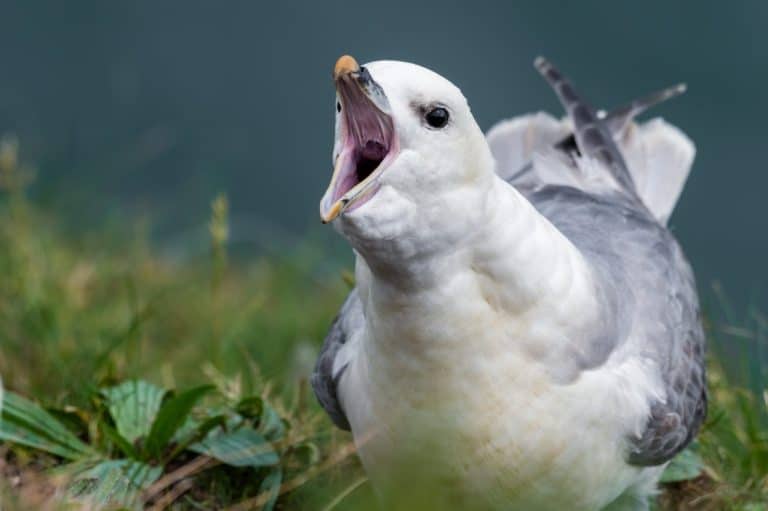
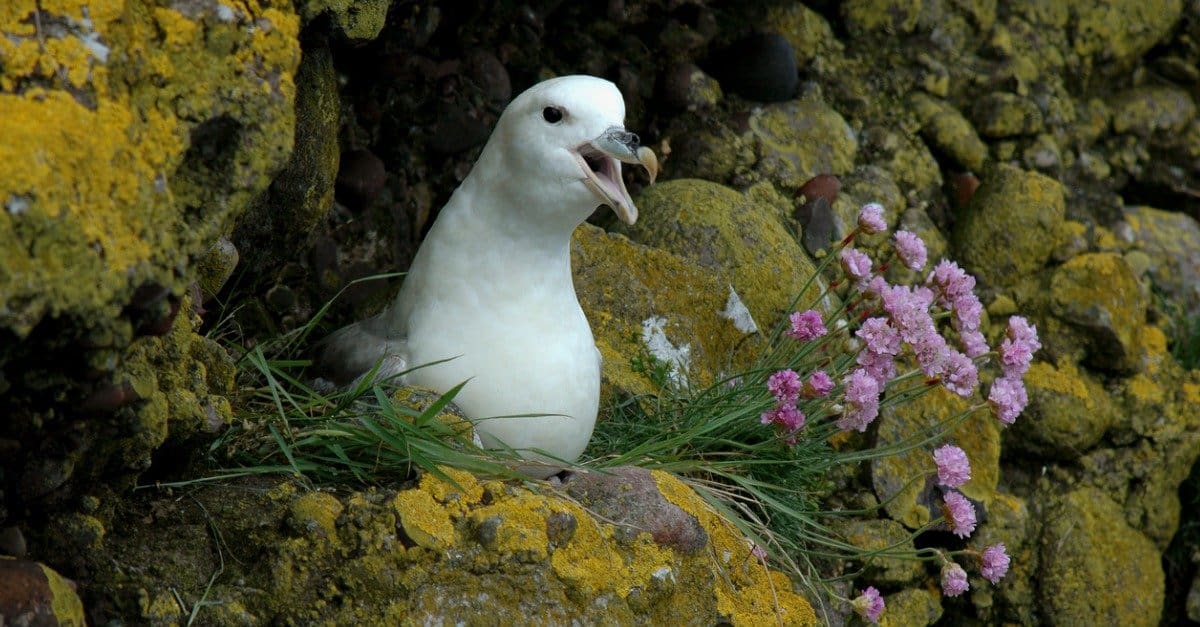
The northern fulmar (Fulmarus glacialis) is a majestic creature; this relative of the albatross spreads its white-grey wings to soar above subarctic oceans, diving beneath the waves in search of fish or skimming the surface to scoop up krill. But if you disturb this ground-nesting bird ashore, you’ll discover its defensive attack: launching vomited oil.
How Do Northern Fulmars Use Stomach Oil to Defend Themselves?
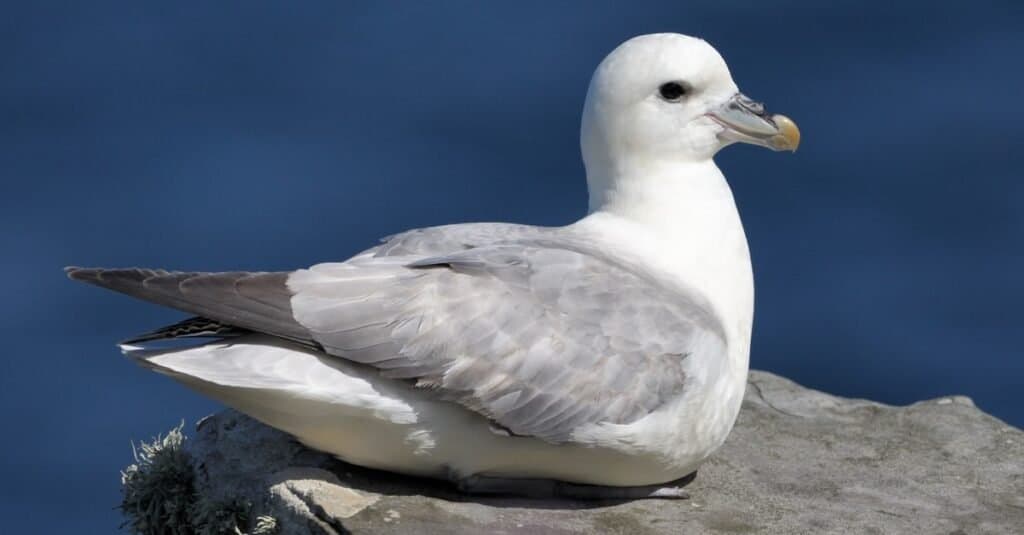
©AndreAnita/Shutterstock.com
Northern fulmars have the unique ability to projectile-vomit foul-smelling (and potentially debilitating) stomach oil at perceived threats. Indeed, its name, “fulmar,” means “foul gull” in Old Norse. When threatened, they vomit from their foreguts a bright orange, noxious stomach oil at ranges of up to 10 feet.
Ground-nesting birds are particularly vulnerable to predators, both terrestrial and airborne. Northern fulmars nest on cliff colonies in the North Atlantic, North Pacific, and Arctic Oceans. They typically mate for life and lay only one egg per year, defending their brood vigilantly, as males and females take turns watching the nest while the other feeds on the open ocean.
A spray from a northern fulmar’s stomach oil can have serious consequences. If the attacking animal is a mammal, its fur will become slick, as the oil soaks into the small pockets of air between fur. These air pockets are responsible for keeping animals warm in the marine subarctic. The offensive smell may ruin a mammal’s hunting chances for some time, and the hydrophobic oil cannot be removed with water.
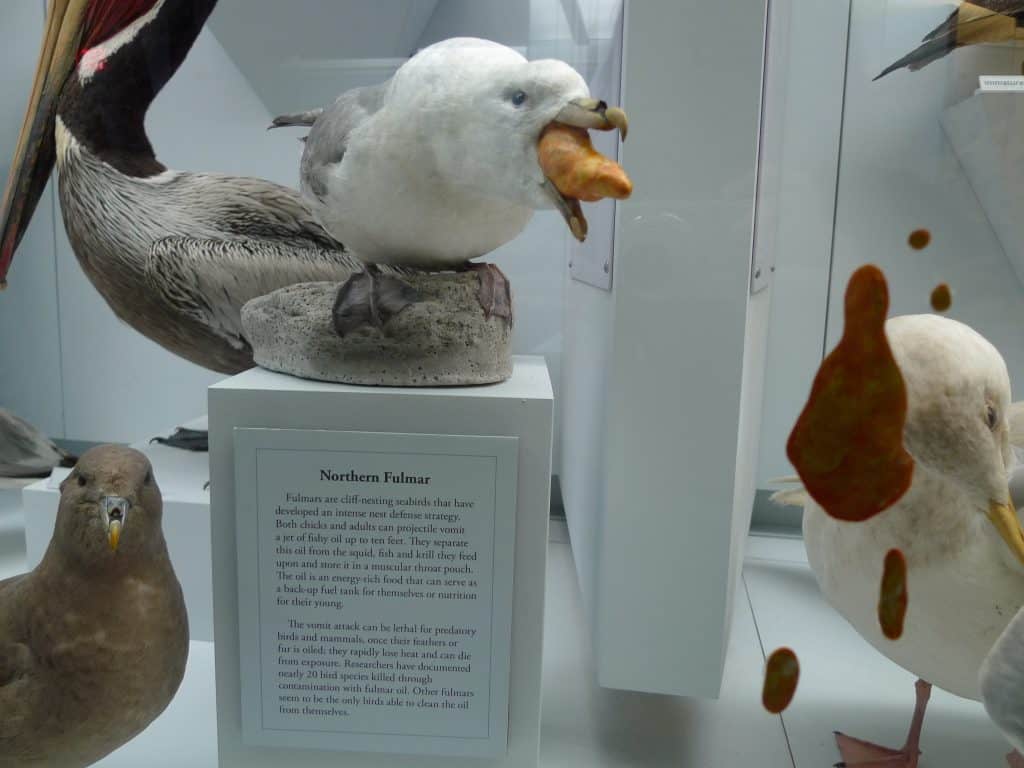
A museum display of a northern fulmar defending itself by vomiting oil.
The prognosis for a bird hit by an oily, vomited projectile can be even worse. Those tiny pockets of air that feathers create not only keep birds warm but also provide buoyancy on the ocean; because of this, birds that are exposed to northern fulmar stomach oil may drown.
What Animals Predate Northern Fulmars?
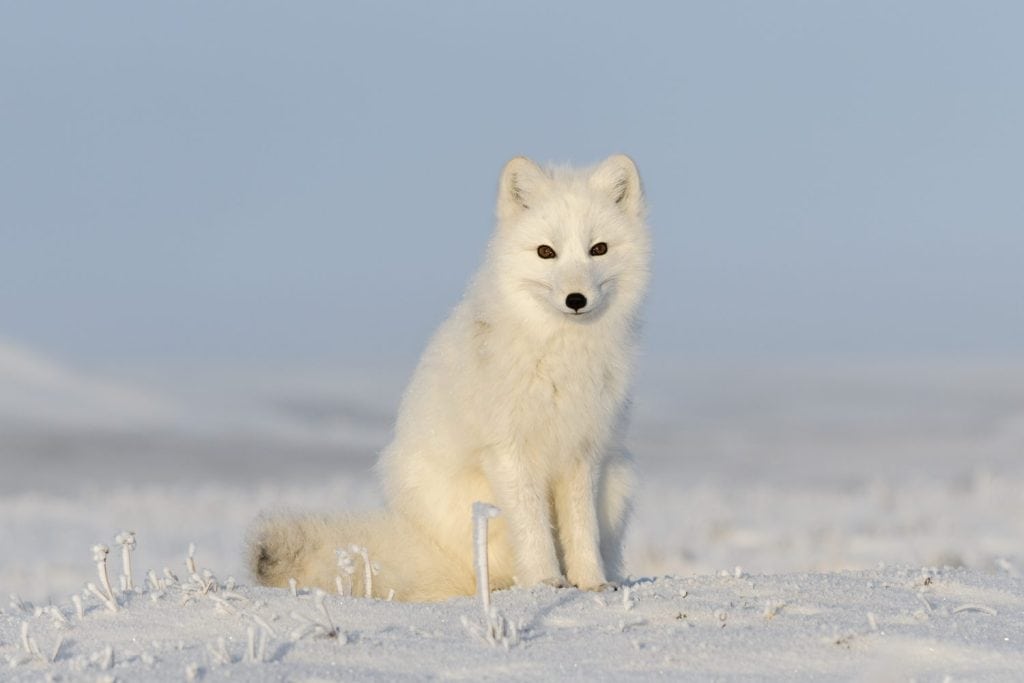
The Arctic fox (Vulpes lagopus) preys on many shore-nesting birds in the Arctic and Subarctic.
©Alexey Seafarer/Shutterstock.com
Other seabirds, like the Glaucous Gull (Larus hyperboreus) and skuas (Family Stercorariidae), are aggressive predators of northern fulmars. Raptors are especially adept at robbing the nests of other birds; bald eagles, Stellar’s sea eagles, and white-tailed eagles try to make off with the eggs or young of northern fulmars.
Among mammals, Arctic foxes (Vulpes lagopus) are a threat to eggs, young, and adult fulmars. Though exposure to the heat-robbing oil emitted by fulmars could pose a health risk to these apex predators, a successful hunt might be a worthwhile reward. An adult fulmar may weigh as much as a kilogram (2.2 lbs). Rodents also pose a threat to northern fulmars. The Arctic ground squirrel (Urocitellus parryii) and rats (Rattus spp.) will sneak into nests to steal eggs or predate small fulmar chicks.
How Did This Defense Mechanism Evolve?
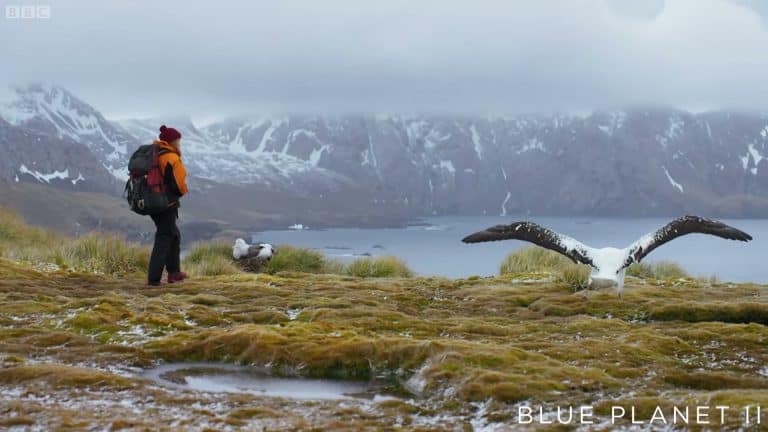
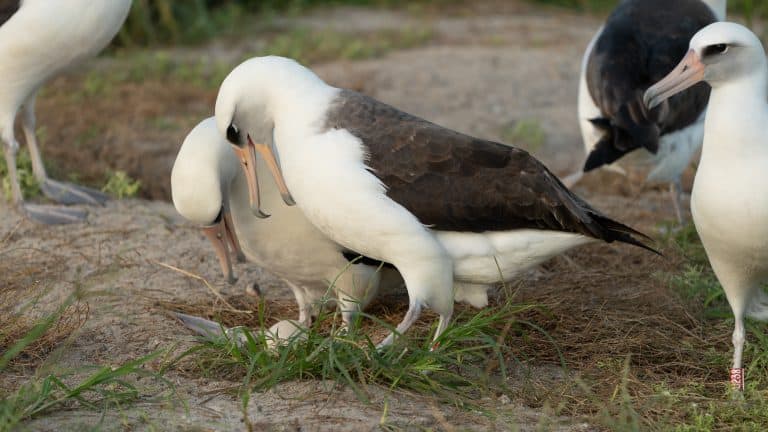
Fulmars are a member of the seabird order Procellariiformes, a group that includes albatrosses, petrels and shearwaters. These seabirds are adapted to cold temperatures and long flights, and one of these adaptations can be found in their foregut, where they carry stomach oil. Procellariiformes (commonly referred to as petrels) have the ability to retain partially digested residue of krill, squid, coepepods, and fish as a light oil, which is almost as dense in energy as diesel oil. This light, energy rich solution can be used as fuel for long flights or fed to hungry chicks. Over time, some petrels developed the ability to eject this fluid through their mouths, causing them to use precious energy but potentially saving the animal’s life, or that of its young.
Do Any Other Animals Use Similar Defense Mechanisms?
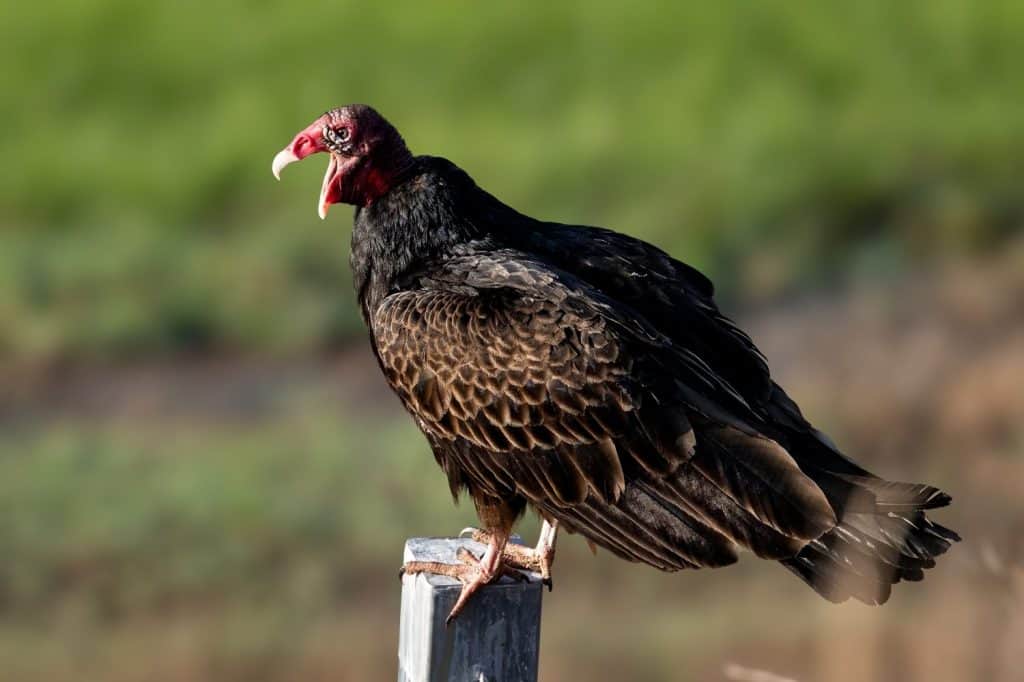
Turkey vultures have evolved a similar defensive tactic to the northern fulmar
©Daniel Lash/Shutterstock.com
Relatives of the northern fulmar in the Procellariidae family (true petrels) have been observed ejecting their stomach oil defensively, including shearwaters, as have albatross chicks (family Diomedeidae).
Turkey vultures (Cathartes aura), common from southern Canada to the southern tip of South America, also launch vomit at assailants, but its composition is significantly different from its seabird relatives. Turkey vultures rely on extremely acidic stomachs (100 times more acidic than a human stomach, roughly equivalent to battery acid) to break down pathogens found in their decaying food before it poses a risk to the scavenger. This acid can sting or burn sensitive areas around an attacking animal’s face. The vomit also contains semi-digested decaying meat, enough to put many predators off a meal.
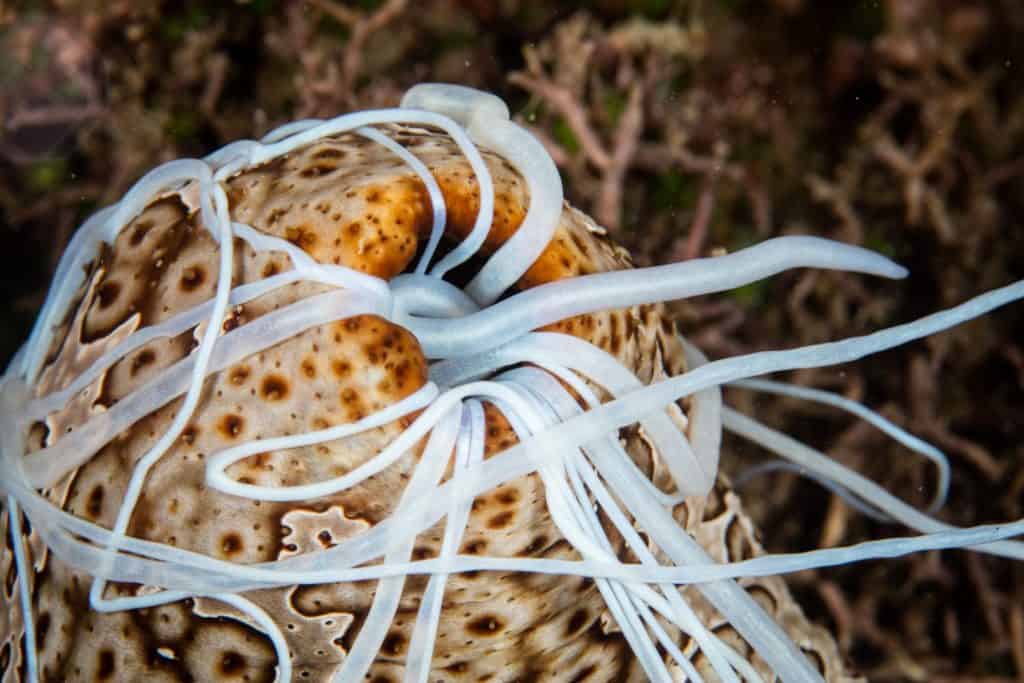
Bohadschia argus, a species of sea cucumber, can expel specially evolved internal organs when stressed by predators
©Ethan Daniels/Shutterstock.com
A final analogue can be found in the animal class Holothuroidea, which contains sea cucumbers. In a process referred to as evisceration, some species of sea cucumbers take things a step further by not vomiting up only their stomach contents, but also internal organs, which can be toxic to predators. These organs then regenerate over several weeks. One other difference: these intestines and their contents are expelled through the sea cucumber’s anus, rather than its mouth, showing how inventive nature truly is.