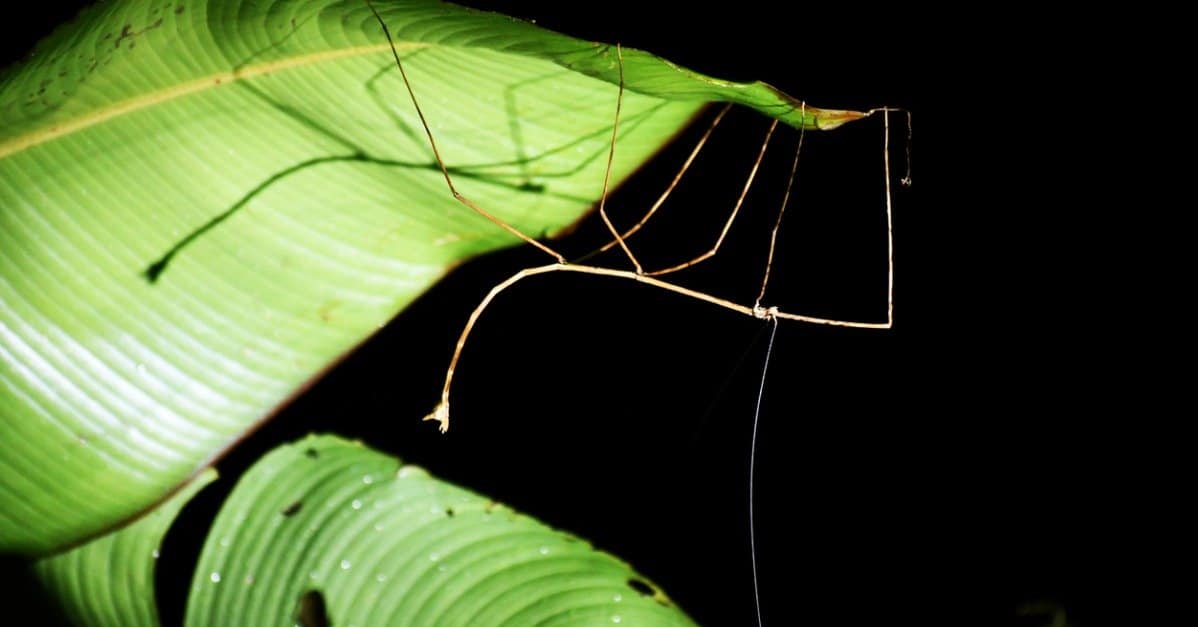

Insects are extremely fascinating creatures. Stick bugs are among the most interesting, given their amazing camouflage and appearance. Like other insects, stick bugs also change skin, or molt, as they grow older. This Instagram post by @explaininginsects shows a time-lapse of a stick bug molting, stretching itself out of its old skin. Read here to learn more about stick bugs and their molting process.
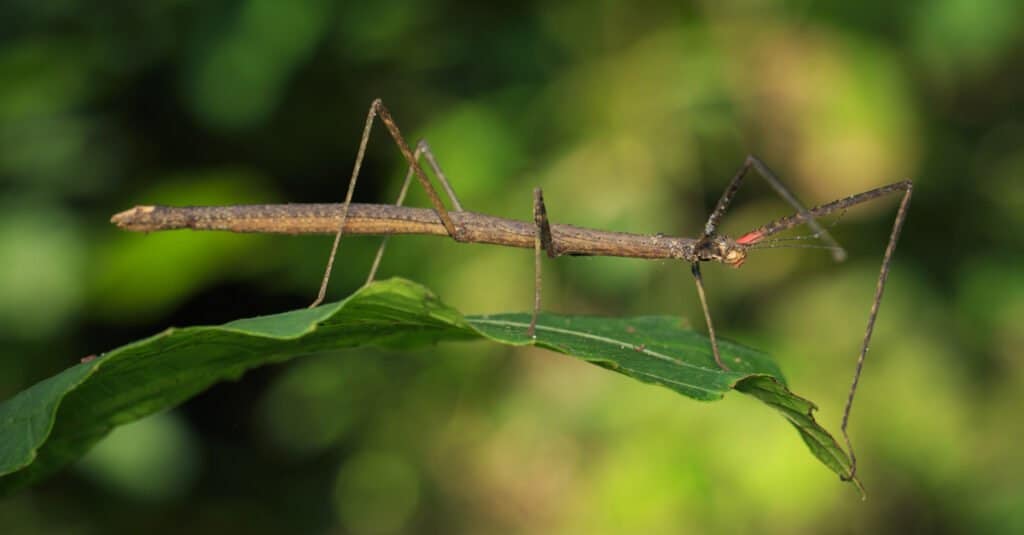
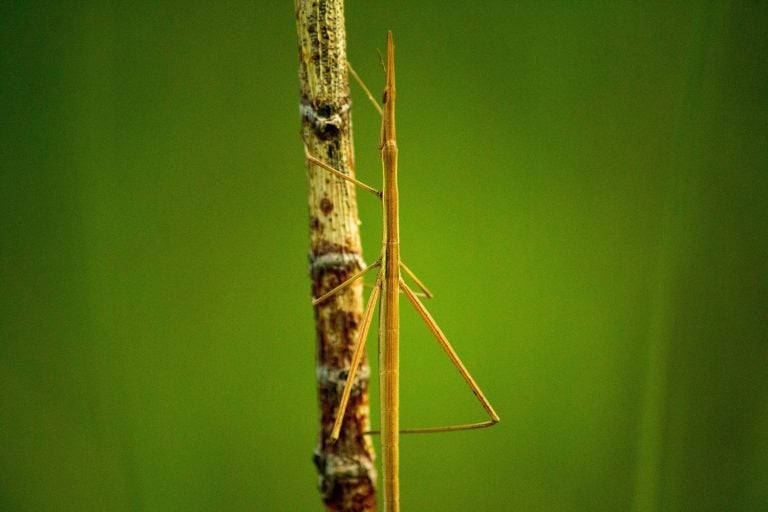
Walking sticks, more commonly known as the stick bug, sway back and forth to mimic a branch in the breeze.
©yod 67/Shutterstock.com
About Stick Bugs
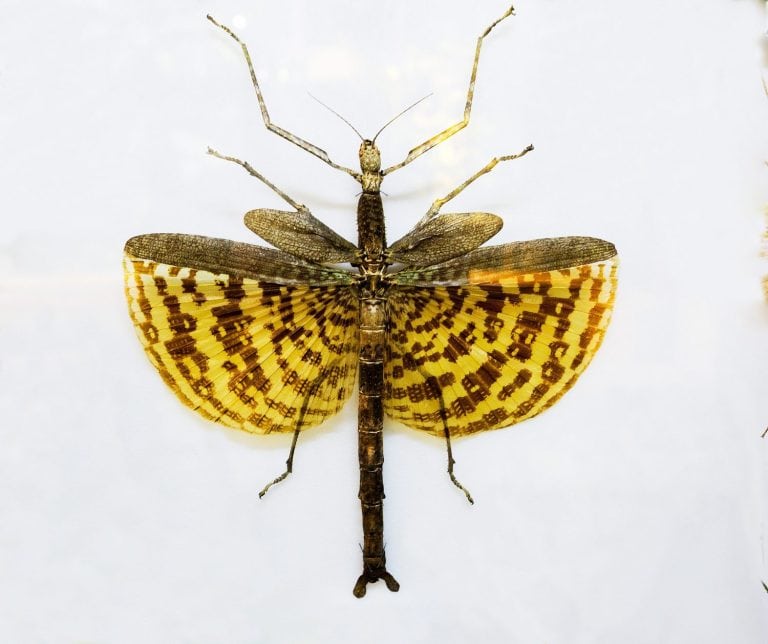
Stick bugs, sometimes called walking sticks, make up the order Phasmatodea. These insects inhabit tropical and temperate areas across every continent except for Antarctica. They thrive in forests and woodlands as part of their camouflage. The general size of stick bugs differs greatly by species. Smaller stick bugs can range anywhere between one to two inches, while larger ones can grow to around a foot long. The largest stick bug species is Phryganistria chinensis Zhao, which can reach over 24 inches in length, including legs! Stick bugs are herbivores that feed on leaves from trees such as oak and eucalyptus. With this diet, they live for about one to two years. In this time, they live solitary lives. Since most stick bugs are nocturnal, they are difficult to see in the day, made even more difficult by their camouflage. Aside from looking like sticks, they also mimic the trees they rest on. They freeze to resemble a twig and will sway back and forth like branches in the wind. An amazing fact about stick bugs is that females can reproduce without males through parthenogenesis. Females will lay eggs, and when they hatch, the result is a genetic clone of themselves.
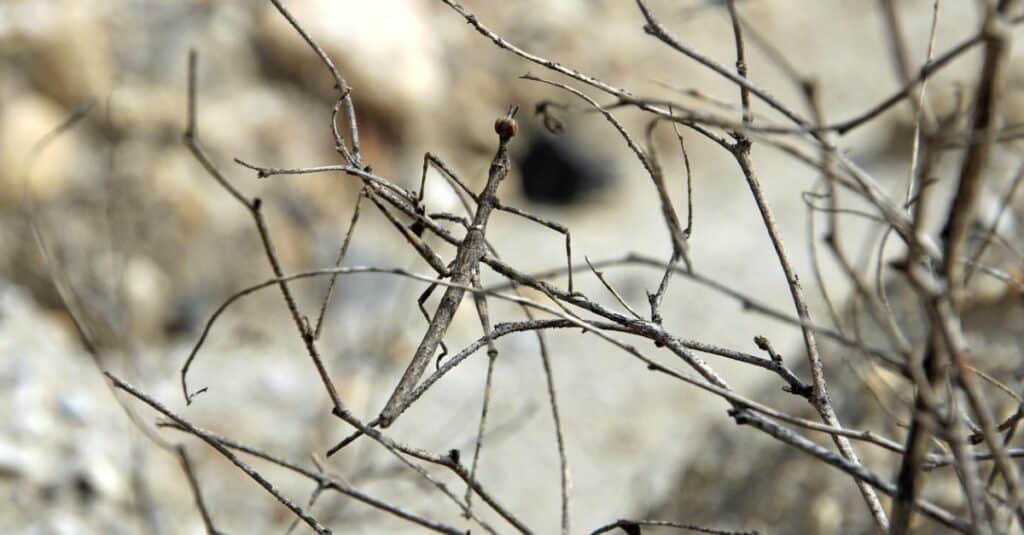
To camouflage, stick bugs blend in with the surrounding foliage.
©iStock.com/cicloco
Stick Bug Molting
Stick bugs, like other insects and reptiles, molt. Molting is the process of shedding the exoskeleton as the insect grows larger, specifically because the exoskeleton does not stretch. In stick bugs, molting is done roughly five to seven times from hatchling to adulthood. The stage of life between molting periods is called an instar. Nymphs, or young stick bugs, molt repetitively as they grow. Just like how we buy new clothes as we grow larger, stick bugs need a new exoskeleton during each stage. After reaching adulthood, stick bugs stop molting because it is no longer necessary. Molting is a dangerous time for stick bugs as they are vulnerable to predation. Also, if they are unable to exit their old exoskeleton, they may get stuck or develop deformed limbs. This makes molting safely extremely important for stick bugs.
The molting process is complex. To prepare for the molt, stick bugs become very still, and their color becomes dull. They will often hang upside down to allow gravity to help them exit their old exoskeleton. At this point, the thorax of the exoskeleton will split, creating an opening for the stick bug to exit. The stick bug will pull out its entire body carefully so as to avoid getting any body parts stuck. After exiting, they are initially soft and pale in color. For a few hours after exiting, the new exoskeleton will harden, creating a darker color, and the stick bug will continue as normal. By the time they reach their final molt into adulthood, their adult coloration will emerge. Growth will stop, and the stick bug will finally reach sexual maturity.