Quick Take
- Your power box might be a prime nesting spot, and the fallout isn't just a nuisance. See the electrical damage →
- One look at a mound won't tell you what's inside, and guessing wrong has painful consequences. Identify mounds safely →
- When floodwaters rise, these ants pull off a survival trick that sounds impossible. Discover the flood rafts →
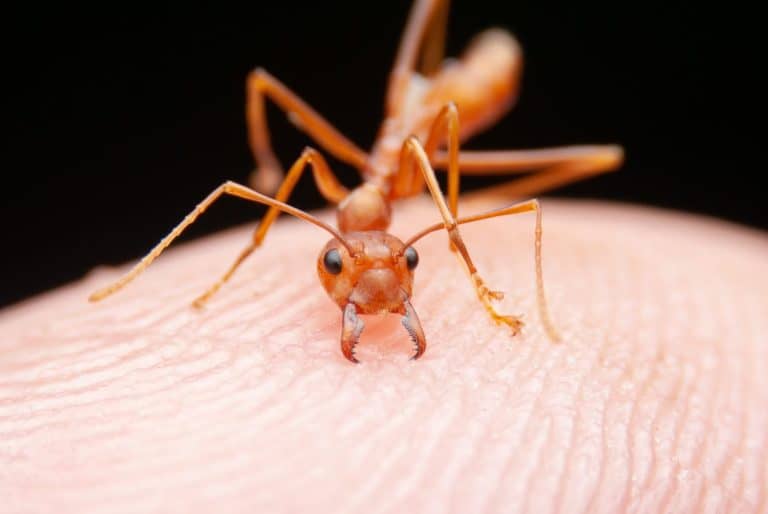
The red imported fire ant (Solenopsis invicta) arrived in the U.S. back in the 1930s. Since then, it’s spread across the Southern U.S. and parts of California. It’s considered one of the most destructive invasive ant species in the world. Here’s everything you should know about the red imported fire ant, including how to mitigate damage and address ant bites.
The Red Imported Fire Ant: A Highly Invasive Species
According to the U.S. Department of Agriculture, imported fire ants cause over $8 billion worth of damage and control costs to households and agriculture each year. They also infest more than 367 million acres across the U.S. The insect feeds on crops, displaces native species, and reduces wildlife food sources.
367,000,000
acres infested across the U.S. by imported fire ants, with over $8 billion in damage and control costs each year
Older research from Texas A&M University also found that these ants damage electrical equipment, wiring, and transformers. Because electrical housings offer warm, dry, undisturbed nesting sites, colonies often move into electrical boxes. The soil brought in for nesting holds moisture and often leads to corrosion, oil leaks, and temperature dysregulation. Ants also chew on insulation, causing a host of issues.
Red Imported Fire Ant Mounds vs. Native Ant Mounds
Greg Baumann, Founding Partner of Pest Control Warrior, notes that the red imported fire ant isn’t the only fire ant in the U.S. According to the Maine Department of Agriculture, the European fire ants are found across New England and off Maine’s coast.
Recognizing the different types of ant mounds is crucial, especially if you live in a state where the species is rampant. That way, you know exactly what you’re dealing with.
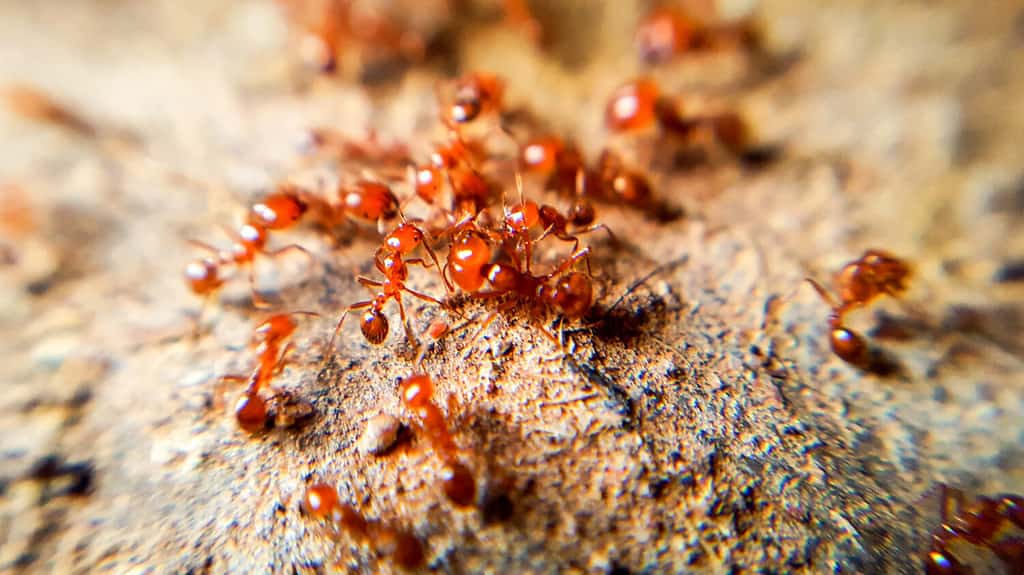
This invasive ant species creates dome-shaped piles of soft soil for their mounds.
©AOKSANG STUDIO/Shutterstock.com
“Red imported fire ant mounds are loose dirt mounds and are commonly more pronounced than other ant mounds, but there are exceptions,” Baumann says. “While multiple species of ants build mounds that might look similar, it is important that any mound should not be disturbed in case the mound is [a] red imported fire ant [mound].”
Disturbing a mound can cause a swarm of ants to climb up your legs and repeatedly sting. This action should be avoided at all costs.
“A red imported fire ant mound has no obvious openings, as the ants mostly access the nest via underground passages with limited exception,” Baumann adds. “The best way to identify if the mound is a red imported fire ant nest is to obtain a close-up photo of a worker, which is possible at a safe distance with today’s mobile phones. Then match the ant with images from credible websites or ask a pest control company or university extension office for assistance. Simply looking at a mound will not give a positive identification.”
The best way to identify if the mound is a red imported fire ant nest is to obtain a close-up photo of a worker, which is possible at a safe distance with today’s mobile phones.
Managing Red Imported Fire Ants
Red imported fire ants are incredibly resilient. In fact, to survive floods, colonies will self-assemble into a waterproof raft.
According to the USDA Agricultural Research Service, insecticidal baits and phorid fly biocontrol are the top control methods for this invasive species. The phorid fly is the fire ant’s natural enemy, acting as a biological control agent.
The University of Florida’s UF/IFAS Extension also covers sustainable fire ant control solutions, including less toxic pesticides, physical treatments like hot water and mound drenches.
Fire Ant Stings: When to Seek Care
According to Baumann, fire ants sting similarly to wasps: painfully and repeatedly. These stings often cause immediate burning, red welts, and—eventually—white pustules.
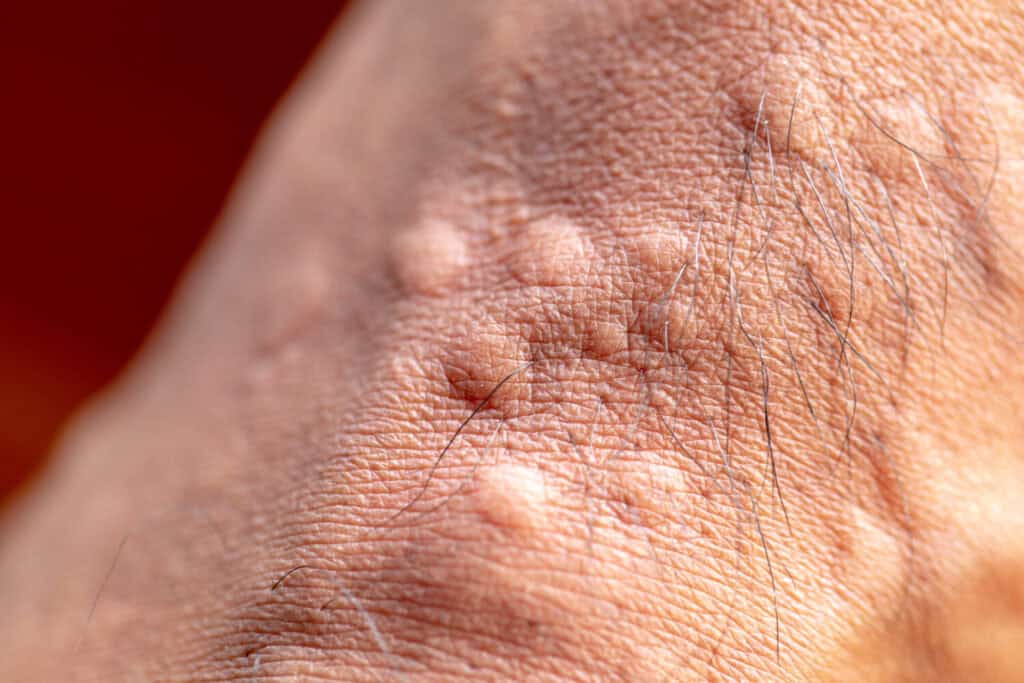
Red imported fire ant bites often start as red welts, then eventually develop white pustules.
©Sinhyu Photographer/Shutterstock.com
“Worker fire ants are sterile females and have stingers,” says Baumann. “While they might grab onto a person with their mouthparts, they are simply getting a better hold for stinging.”
Though fatal reactions are rare, they are not impossible. This is especially true for people allergic to the proteins in the venom, NC State University reports.
“Stings can be painful, and anyone sustaining many bites or noticing a progressively worse reaction, including trouble breathing, dizziness, or extreme weakness, should seek medical attention immediately,” Baumann states.