
Quick Take
- A centipede's grooming ritual looks so much like feeding that even close-up footage makes it nearly impossible to tell the difference. See the grooming behavior →
- The one body part centipedes can't afford to neglect is also the one that makes them dangerous hunters, and it has nothing to do with their venom. Discover their key hunting tool →
- Centipedes use their mouths for something you'd never expect, and skipping it could leave them essentially blind. See how antennae stay clean →
- The mint-legged centipede's prey list goes far beyond insects, and its size is the reason why. Explore the mint-legged centipede's diet →
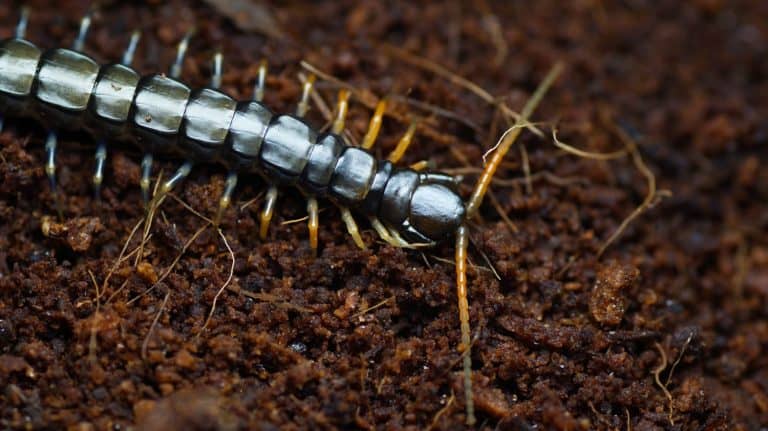
Centipedes can be a bit creepy, but just like almost all other animals, they still need to clean themselves. This includes their antennae, which they clean with their mouths. However, it can look more like they’re eating their antennae than cleaning them. This Instagram post by @raissa.centipede shows a mint-legged centipede cleaning its antennae. Read on to learn more.
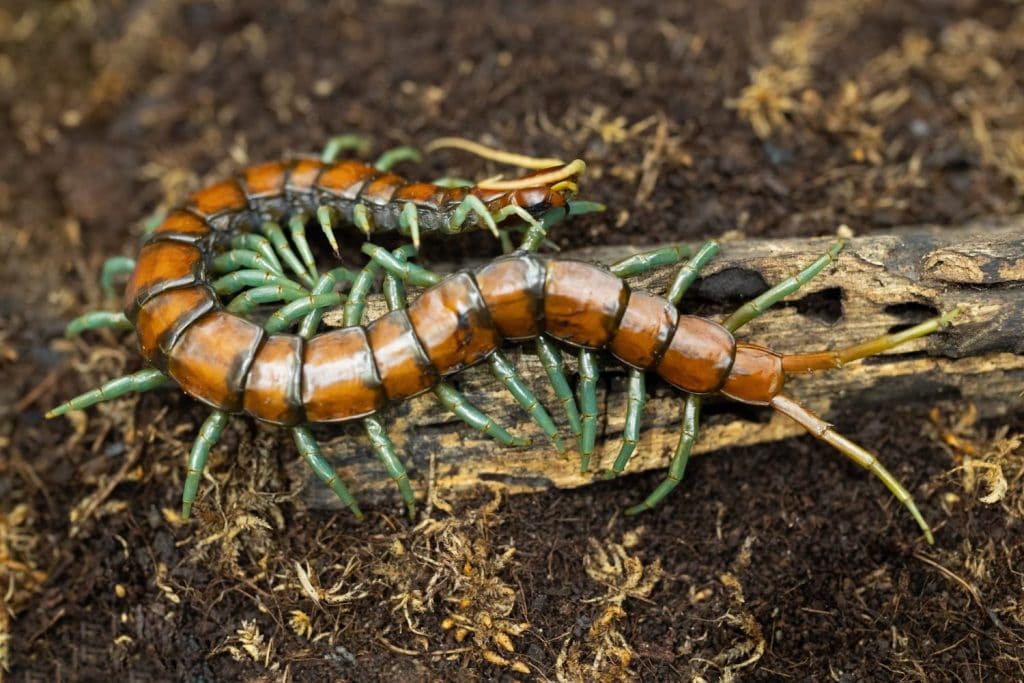
The mint-legged centipede is among the largest in the world, and larger specimens can grow to around a foot long.
©Cherdchai Chaivimol/Shutterstock.com
Why Centipedes Clean Themselves
Centipedes, just like so many other animals, actively groom themselves to stay clean. However, they go about it differently than humans do. To clean their antennae, legs, and body, centipedes use their legs and forcipules to scrape and groom themselves. While it may seem like they just want to clean up a bit, the grooming process is extremely important for their health. In the video above, the centipede is actively cleaning its antennae, which are among the most important parts of its body. Since centipedes have relatively poor vision, they use their antennae to “see” the rest of the world. They do this through both feeling and chemical detection. Centipedes use their antennae to physically sense their environment and to detect prey and objects through chemical signals. Therefore, maintaining their antennae is crucial for how centipedes interact with the world.
The species in the video above is a mint-legged centipede. These are among the larger species of centipede, with adults growing to a maximum length of around 20 cm (7.9 inches)! They are predators that feed on a variety of insects and even small mammals and reptiles. This includes cockroaches, crickets, spiders, and more. Since they are considerably larger than typical insects, they may even feed on mice. They can do this thanks to their venom that immobilizes their prey. They use their legs and forcipules—the pincer-like front appendages—to grasp their prey. Using the forcipules, they inject the venom before feeding. While these creatures are fascinating, they are not generally friendly. Hobbyists may keep them as pets, but they do not typically like being handled. So getting to see a close-up video like the one above is a treat!