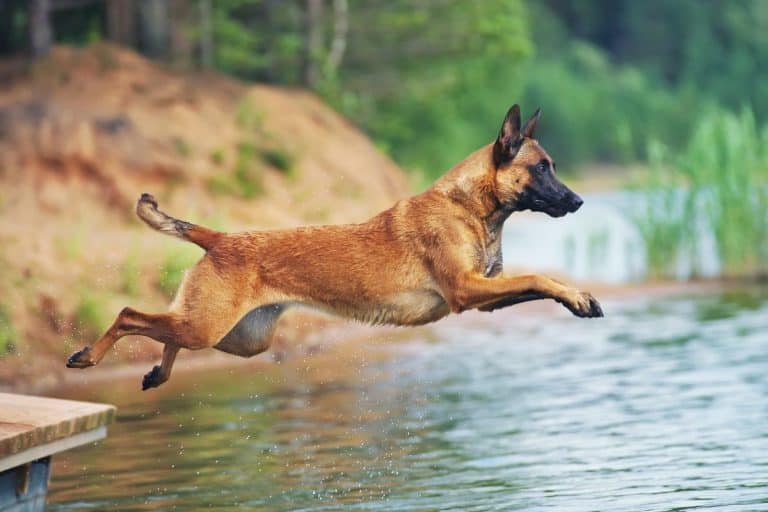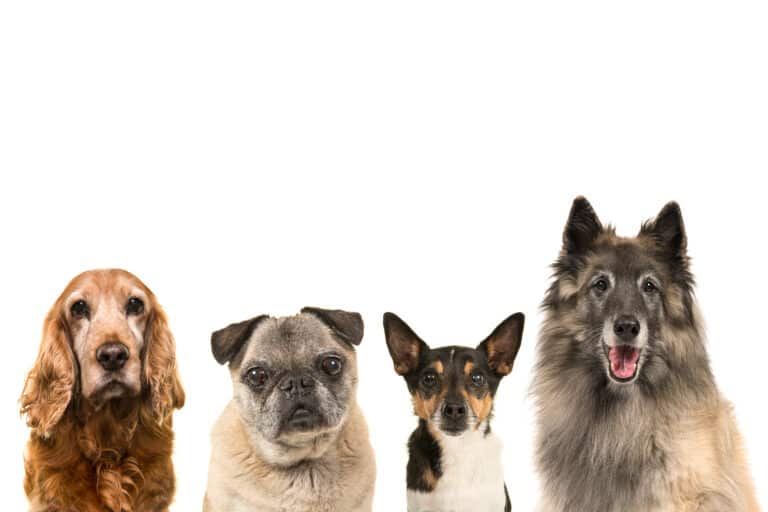

When people start thinking about adding a dog to the family, the question of the dog’s intelligence and trainability is often an important consideration. We’ve all watched dogs pull off clever tricks at the park, blaze through agility courses, or “learn” new words in what feels like record time. But which breeds are genuinely the sharpest—and why should that matter to you when you’re choosing a breed to adopt?
Thanks to decades of research in animal behavior, we now have a solid picture of which breeds rise to the top. The rankings most experts rely on come from carefully designed studies rather than guesswork or casual observation. Let’s take a closer look at how researchers evaluate canine brainpower and which breeds stand out as the true brainiacs of the dog world.
Why Does It Matter If Your Dog Is Smart?

Dr. Liza Cahn, Veterinarian, Embrace Pet Insurance
Choosing a smarter breed of dog isn’t just about having a dog that does clever tricks to impress your friends. It’s a very practical consideration. “One of the main benefits of having a smart dog is that you can easily train them to understand and obey basic commands,” explains Dr. Liza Cahn, veterinarian with Embrace Pet Insurance. “This is an important part of being a responsible dog owner and can even impact your dog’s health and safety (for example, telling them to “drop it” if they pick up a poisonous or dangerous object or “come” if they are about to chase a squirrel into the street). If your dog understands your words, gestures, and emotions, it can also lead to a powerful bond between you.”
She does remind us, though, that “When adopting a dog, it’s important to make sure that the breed, size, age, and personality are a good fit for your family. While intelligence is something to consider, it isn’t the only factor. It’s also important to note that even though a dog breed may have a reputation for being especially smart, not all individuals will meet these expectations. An intelligent dog may be a good fit if you are eager to participate in dog sports or activities with your dog, have significant time and space to dedicate to their training, or want them to do a specific job.”
Landmark Research
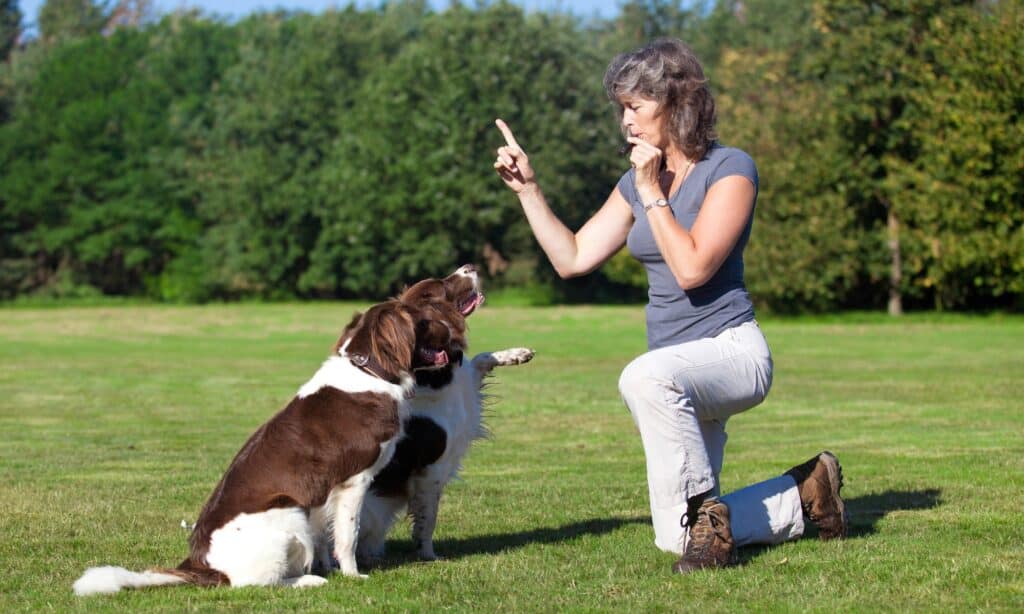
Experienced animal trainers know that some breeds pick up on cues much faster than others.
©iStock.com/Peter-verreussel
Dr. Stanley Coren, a psychologist who’s spent years studying dogs, wrote The Intelligence of Dogs (1994, rev. 2006), which has been a highly influential source on this topic. In his research and various publications, he explained that the average dog demonstrates cognitive abilities in certain tasks—such as vocabulary recognition, problem-solving, and basic counting—that are roughly comparable to those of a 2-year-old child. Dogs can learn about 165 words and gestures (with the brightest breeds learning up to 250 words), which closely mirrors what young children can do at those early ages.
Coren also made comparisons with other animal species. Dogs are able to engage in intentional deception and can do simple arithmetic, which puts them among the most elite brains in the animal world, yet still below great apes and older children in certain abilities. Importantly, he notes that dogs function at a concrete intelligence level (based on practical tasks and observation), while humans are capable of abstract thought.
Types of Dog Intelligence
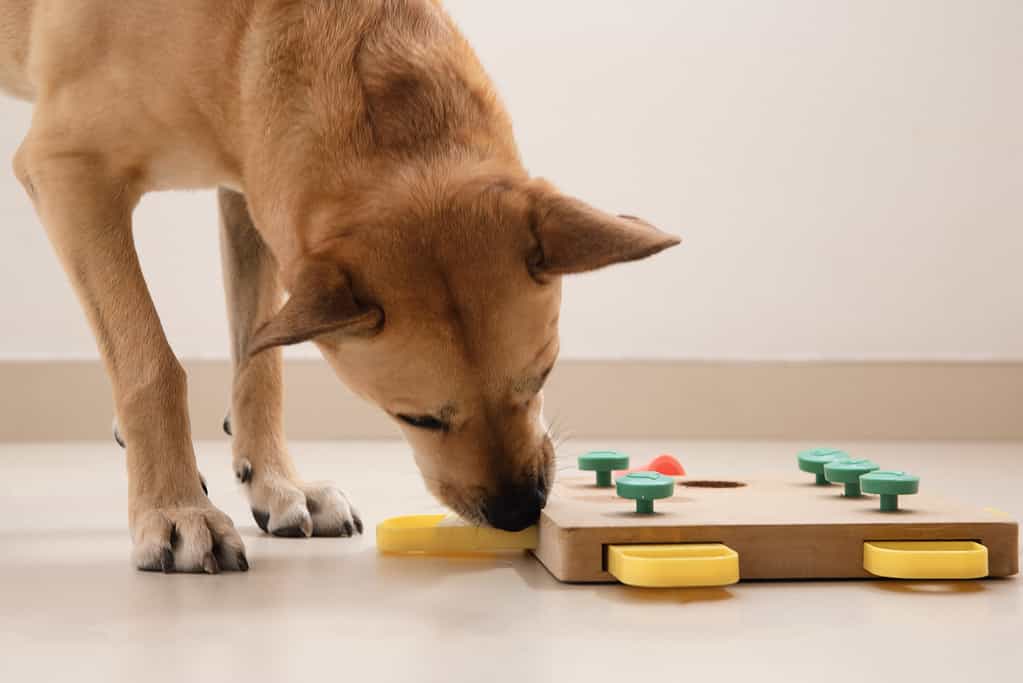
Treat puzzles can be a good tool for observing dog intelligence.
©Lenti Hill/iStock via Getty Images
So is it nature or nurture? Coren said the sources of dog intelligence are about evenly split between genetic and environmental factors. This can produce three different types of intelligence to varying degrees in dogs:
- Instinctive intelligence — what the breed was developed for, like herding, guarding, or retrieving.
- Adaptive intelligence — how well a dog solves problems or learns from experience.
- Working and obedience intelligence — how quickly a dog learns commands and follows them.
To rank the top 10 breeds, the author surveyed hundreds of professional dog trainers and combined their results with observational data. His work remains so influential that organizations like the American Kennel Club (AKC) still reference his findings today. Up next, his list of the 10 smartest dog breeds in the world.
1. Border Collie
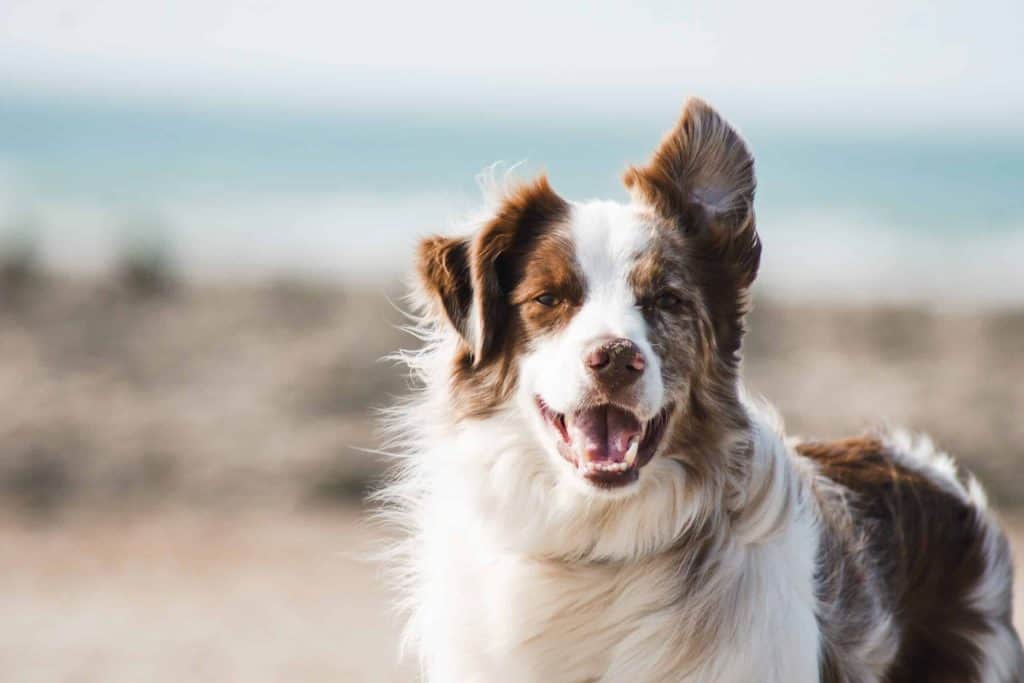
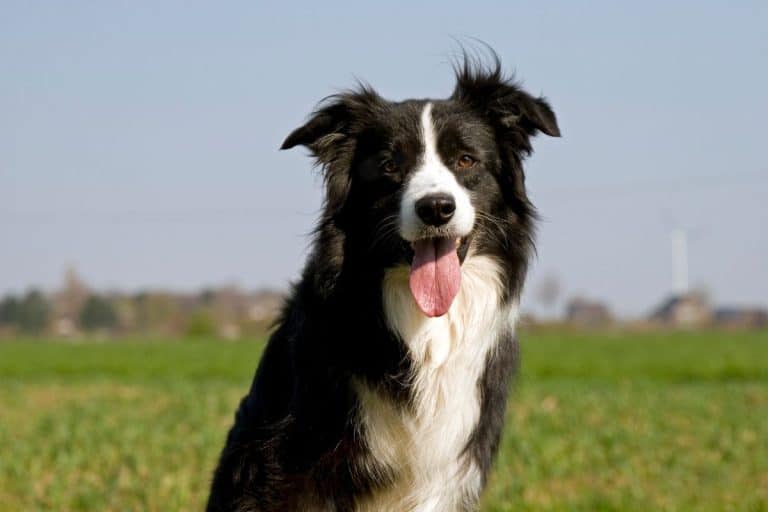
Intelligence and charm—there’s so much to love about border collies.
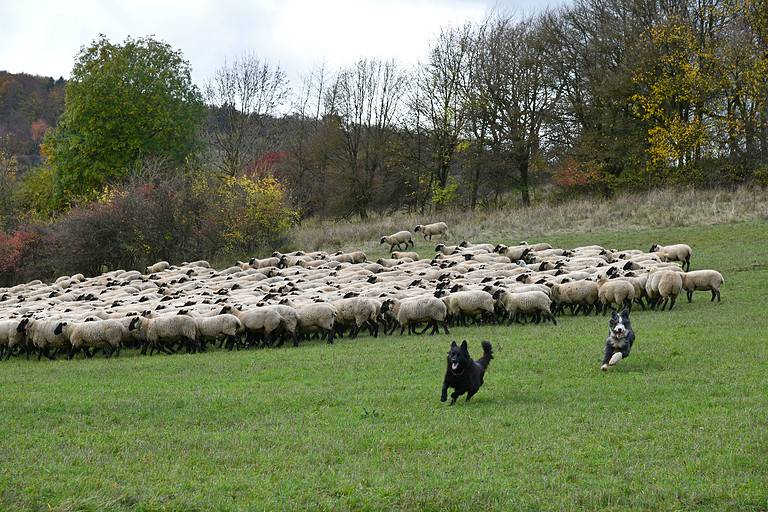
Border collies are widely called the smartest dogs on the planet. Bred for herding sheep in the UK borderlands, they can learn hundreds of words, anticipate what their owner wants, and figure out problems on their own. In sports like agility and obedience, they’re always the ones to beat. It’s no wonder this breed has been called the “canine Einstein” of the dog world. Dr. Cahn warns, though, that border collies require lots of attention. “They require a huge amount of mental and physical stimulation to stay happy, engaged, and out of trouble, and often do best with experienced owners,” she says.
2. Poodle
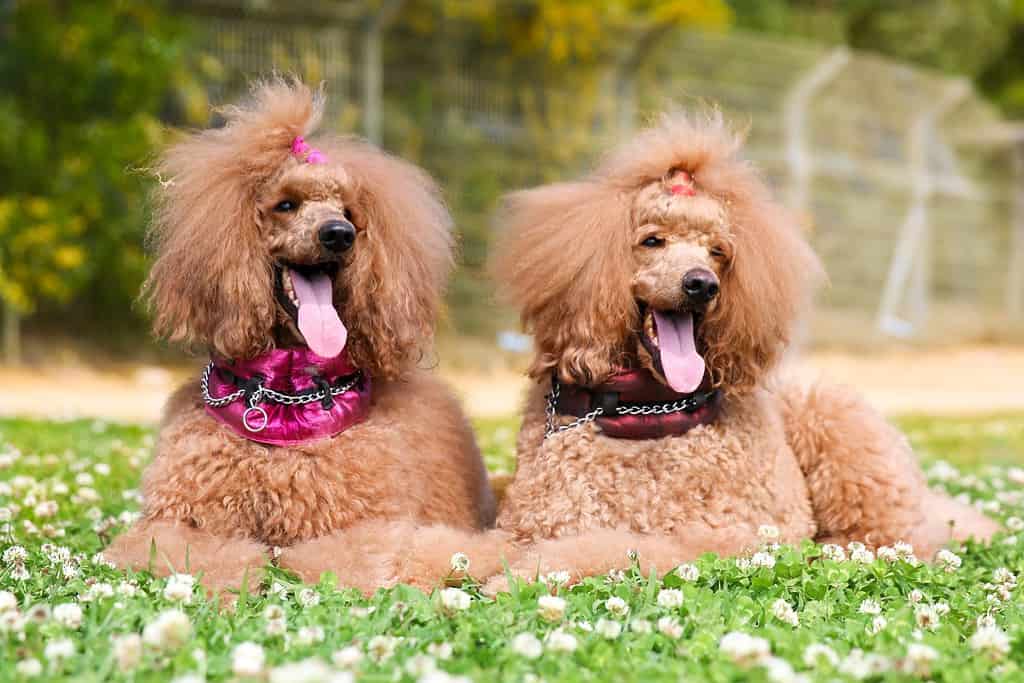
Don’t be fooled by the floof; poodles are no airheads!
©Lisjatina/Shutterstock.com
Forget the fancy haircut—poodles are sharp thinkers. Whether Toy, Miniature, or Standard, they learn quickly and love new challenges. They’re eager to please, great at picking up tricks, and adaptable in almost any setting.
3. German Shepherd
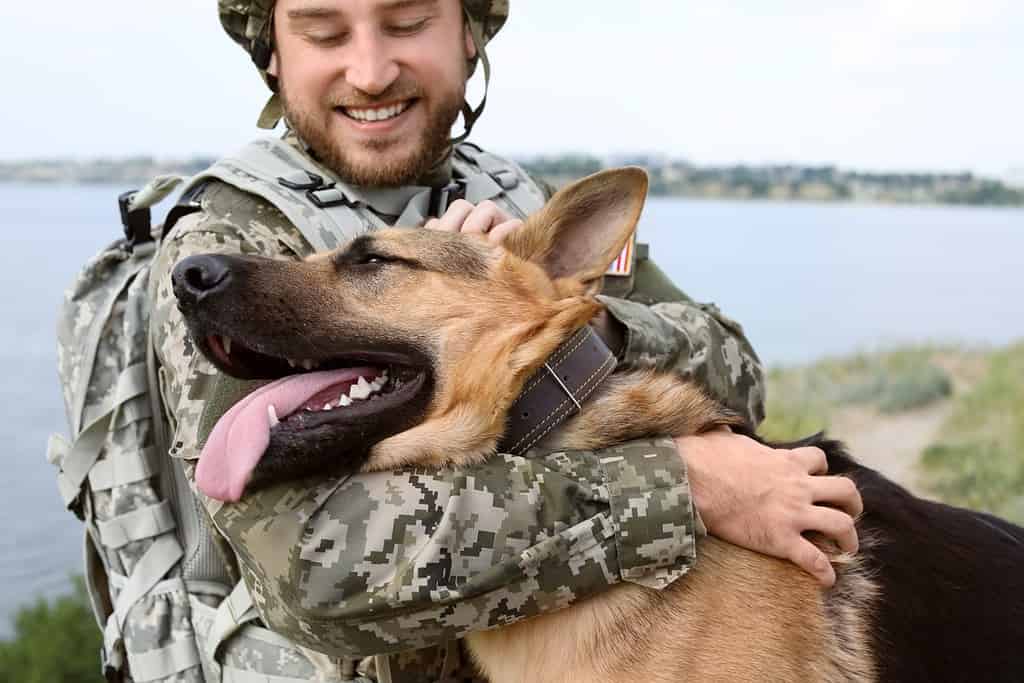
Courage and cleverness make German shepherds a go-to choice for life-and-death jobs.
©New Africa/Shutterstock.com
German shepherds combine loyalty, courage, and intelligence. That’s why police, military, and rescue teams rely on them. They can handle complex commands, track scents, and adjust to unpredictable environments, making them one of the most capable breeds out there.
4. Golden Retriever

The gentle, loyal, funny personalities of golden retrievers make them popular pets.
©PeopleImages.com – Yuri A/Shutterstock.com
Goldens aren’t just friendly—they’re quick learners. Known for service and guide work, they easily learn words and tasks while staying gentle and reliable. Families love them because they’re both smart and cooperative.
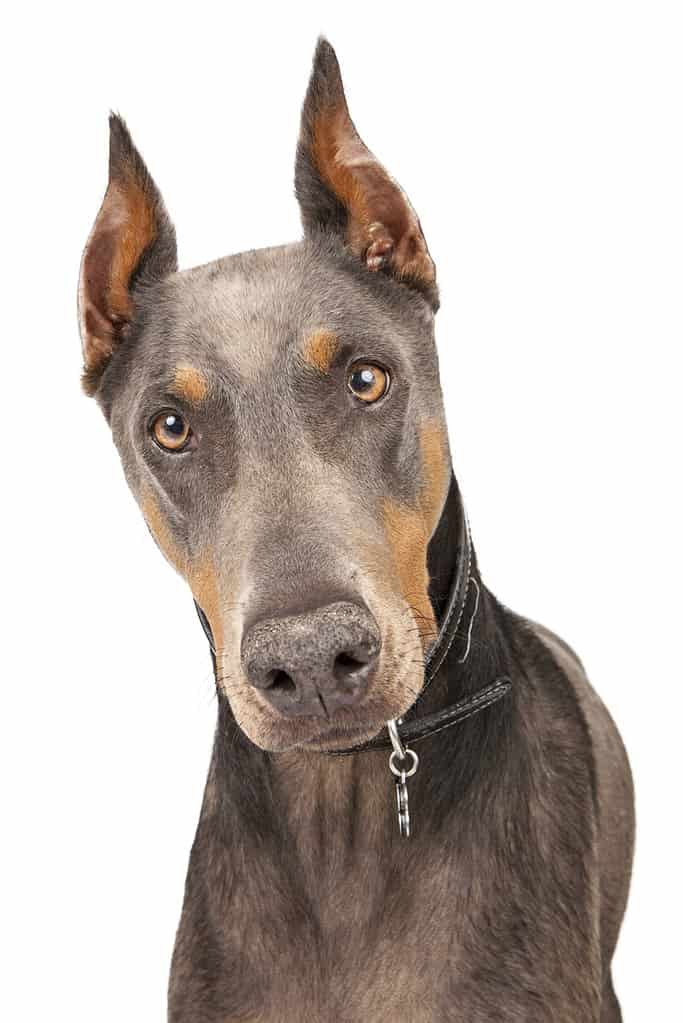
5. Doberman Pinscher
©GoodFocused/Shutterstock.com
Intelligence is an important characteristic in a guard dog like a Doberman. Wouldn’t want him biting the wrong person, right?
Dobermans are known for alertness and fast responses. They learn commands quickly, notice routines, and even anticipate their owner’s needs. They’ve long been trusted as guard dogs but are equally skilled at learning new tasks. However, with any of these breeds, it’s important to consider the health problems they may be prone to as part of your overall decision about whether the breed is right for you. “Dobermans are prone to several unique health issues, such as dilated cardiomyopathy, Wobbler syndrome, and a bleeding disorder called von Willebrand’s disease,” Dr. Cahn says. So you will want to consider how a dog that potentially develops any of these problems will impact your time and resources.
6. Shetland Sheepdog
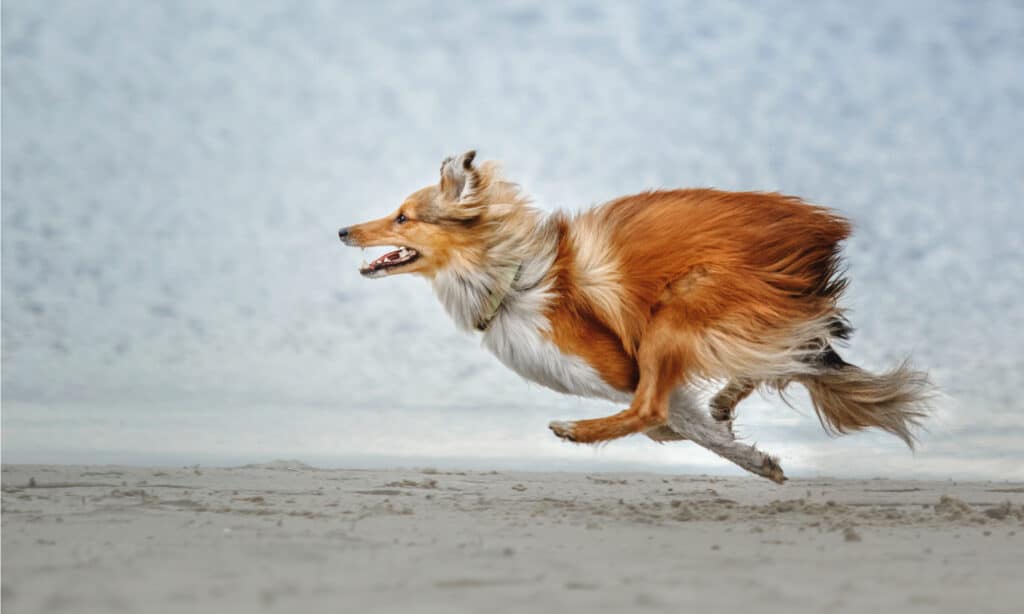
All dogs get the zoomies now and then. The Shetland sheepdog might just be doing geometry as it runs, though!
©OlgaOvcharenko/Shutterstock.com
Shelties look like mini collies and act just as sharp. They love training, catch on to subtle voice cues, and often seem like they’re one step ahead. Their herding instincts are strong, and owners often remark that they try to herd people in the house.
Smart dogs thrive when they have a job to do, and can get bored easily, leading to destructiveness and other behavioral problems.
Veterinarian, Embrace Pet Insurance
7. Labrador Retriever
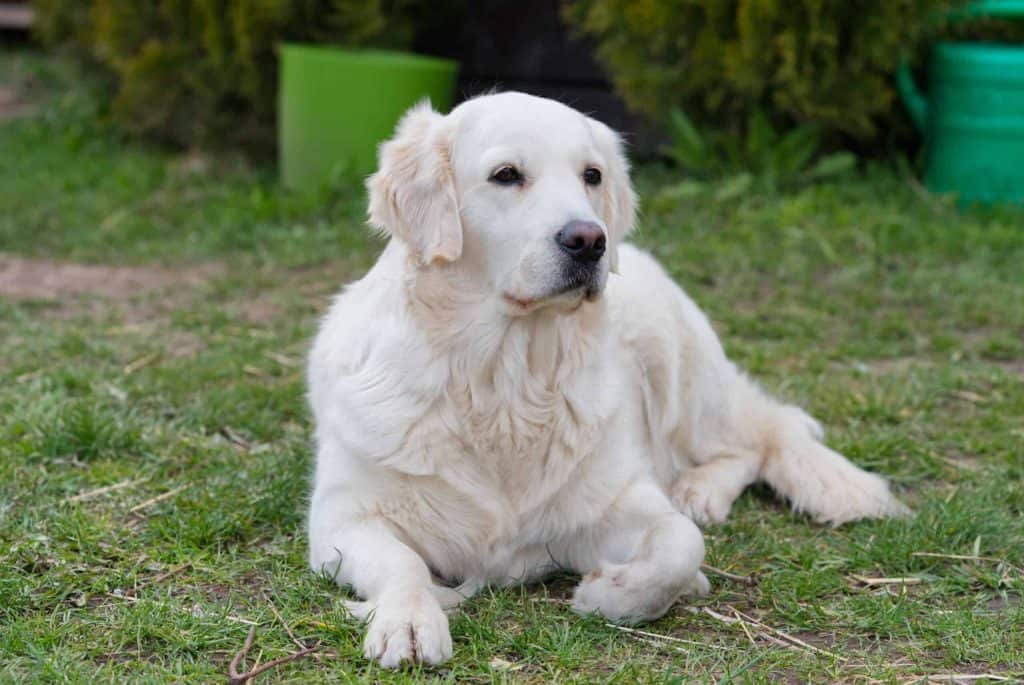
Labrador retrievers have long been popular hunting dogs, but are now frequently used as service animals and adored companion animals.
©Valeri Pavljuk/Shutterstock.com
Labs are the classic “all-around good dog.” They’re friendly, easy to train, and widely used as service animals. Whether guiding, rescuing, or just learning household rules, Labs shine when working with people. But Dr. Cahn warns they need to be supervised closely around food. “They are known for being food-motivated and indiscriminate eaters, which makes them easy to train but can also put them at risk for health conditions such as obesity or intestinal obstruction,” she says.
8. Papillon

Papillon dogs usually have tall, upright ears, but on occasion, some are born with drooping ears.
©iStock.com/Nadezhda Braninger
Small but bold, Papillons have lively energy to match their sharp minds. They thrive on training, love to show off tricks, and often win obedience and agility contests. Don’t let their size fool you—they keep their owners busy.
9. Rottweiler
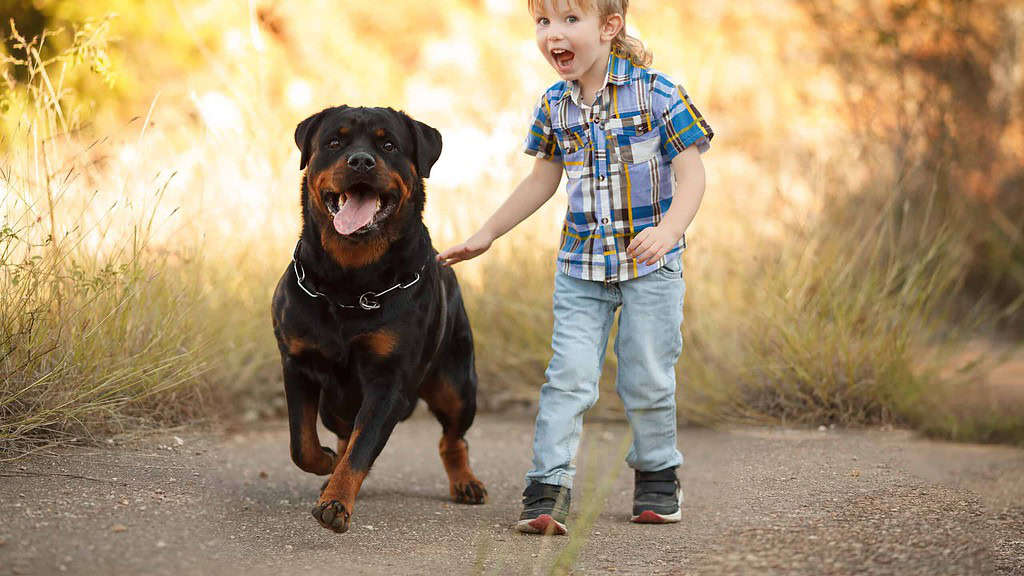
Rottweilers can be intense toward intruders, but are gentle and protective with family members.
©Serova_Ekaterina/Shutterstock.com
Rottweilers bring both strength and brains. Historically bred for guarding and herding, they’re quick to learn routines and can handle advanced tasks with consistent training. They’re dependable and protective, with a clever side that surprises people.
10. Australian Cattle Dog
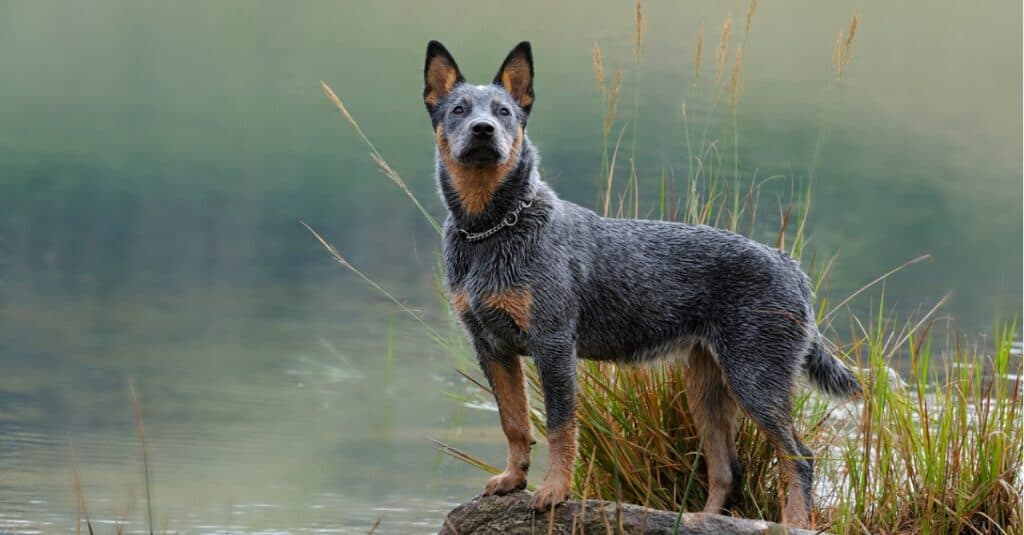
The Australian cattle dog is a working breed that needs plenty of activity to keep boredom at bay.
©iStock.com/WOLFAVNI
Also known as Blue Heelers, these dogs are tough workers with a knack for problem-solving. Owners often say their cattle dogs invent ingenious solutions—like opening gates or figuring out puzzles on their own. This can be a mixed blessing. Dr. Cahn says, “Blue Heelers do best when working with an experienced owner and focused on a job or task. They require hours of physical and mental exercise each day, a need that is often overlooked by families hoping to adopt Bluey.”
Tips For “Gifted” Dog Parents

©Javier Brosch/Shutterstock.com
Dr. Cahn reminds us that smart dogs require attentive care to flourish. “Providing adequate training and mental stimulation to an intelligent dog is a big commitment,” she says. “Smart dogs thrive when they have a job to do, and can get bored easily, leading to destructiveness and other behavioral problems.”
Here are some practical ways to set boundaries and provide stimulation that will set up an intelligent dog for success:
- Guide family interactions: With children or other pets, supervision and clear rules help prevent herding or bossy behavior.
- Challenge their minds and bodies: Mix training, puzzle toys, long walks, active play, chew toys, and dog sports to keep them engaged.
- Puppy-proof your home: Use gates, hide cords, secure trash and cabinets, and keep small or chewable items out of reach.
- Put them to work: Provide simple “jobs” like carrying items or helping with routines.
- Socialize early: Introduce them to people, pets, and environments, reinforcing good manners from the start.
- Don’t hurt their feelings: Intelligent dogs are especially sensitive to tone and body language, so harsh correction can discourage them.
- Watch for stress: Adjust routines and give them attention and comfort if they seem anxious or overwhelmed.
Dogs That Push Your Buttons
Some owners use recordable floor buttons that play a word—like “outside” or “treat”—when the dog steps on them. With practice, dogs learn that pressing the button gets them what they want. The trend took off with Bunny the sheepadoodle, who has more than 90 buttons and millions of fans.
The downside? Dogs can get demanding, hammering “treat” nonstop, while owners sometimes project deeper meaning into the button presses—worrying their pet is “sad” or “asking big questions.” In reality, it’s pattern recognition, not philosophy class. These buttons are useful for basic communication, such as knowing whether your dog is thirsty or wants to go outside, and can make for remarkable social media videos. However, for your own sanity, avoid giving your dog too many buttons or attributing complex meanings to their use.
The Heart Behind the Brain
At the end of the day, it isn’t just tricks or commands that make a “good dog”—it’s the emotional bond we have with them. Whether it’s a brainy border collie or a laid-back derpy mutt, the love and loyalty dogs give us is what makes them truly members of the family.