
Quick Take
- Porbeagle sharks face a survival threat that has nothing to do with humans, one that makes conservation far more complicated than scientists expected. Discover the cannibalism threat →
- Three million anglers fish UK waters, and scientists are now counting on them as a secret weapon in shark research. See anglers in action →
- Sharks have inhabited British waters for centuries, but researchers still know surprisingly little about them. Explore the knowledge gaps →
- Two very different trackers will be attached to these sharks, and what each one measures reveals just how much scientists are flying blind. See the two tracker types →
Dozens of sharks swim off the coast of the United Kingdom. Yet, little is known about them. To address this, scientists have launched a major study of some of Britain’s most mysterious wild sharks, including the porbeagle, tope, and blue sharks, to improve their conservation.
Continue reading
Porbeagle, Tope, and Blue Sharks to Be Part of Three-Year British Study
Relatively little information exists about the sharks that live in the waters off the coast of Britain. What researchers know comes from historical records and angler sightings. This is about to change. The University of Exeter recently received a major grant from Natural England to study porbeagle, tope, and blue sharks around the United Kingdom.
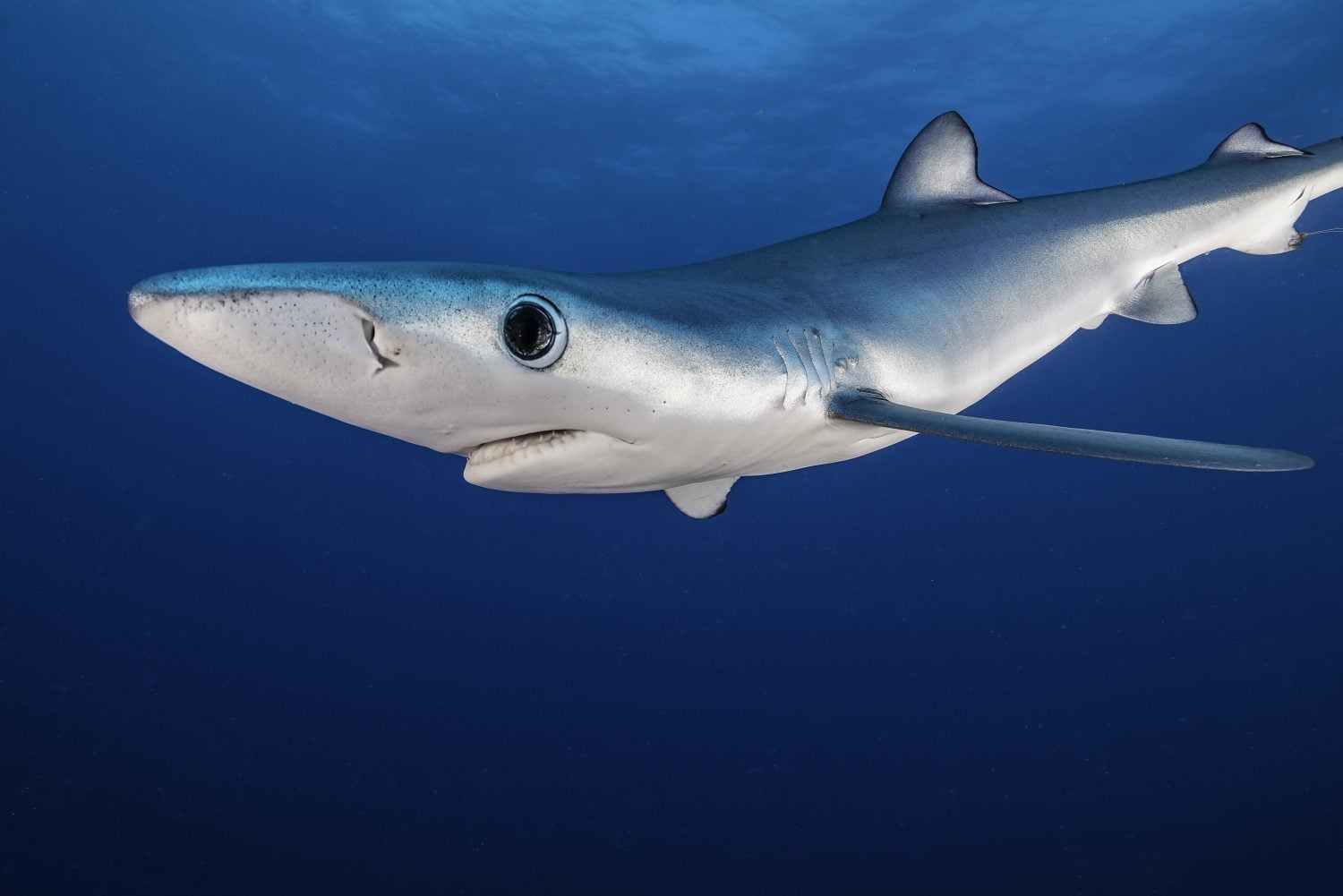
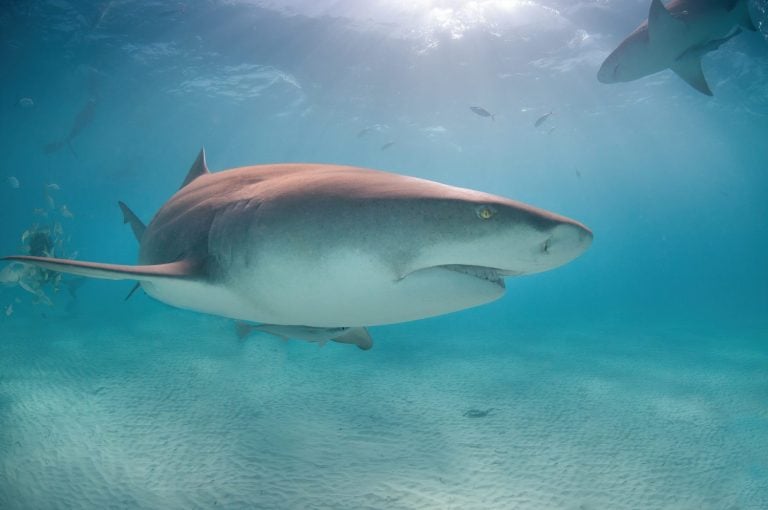
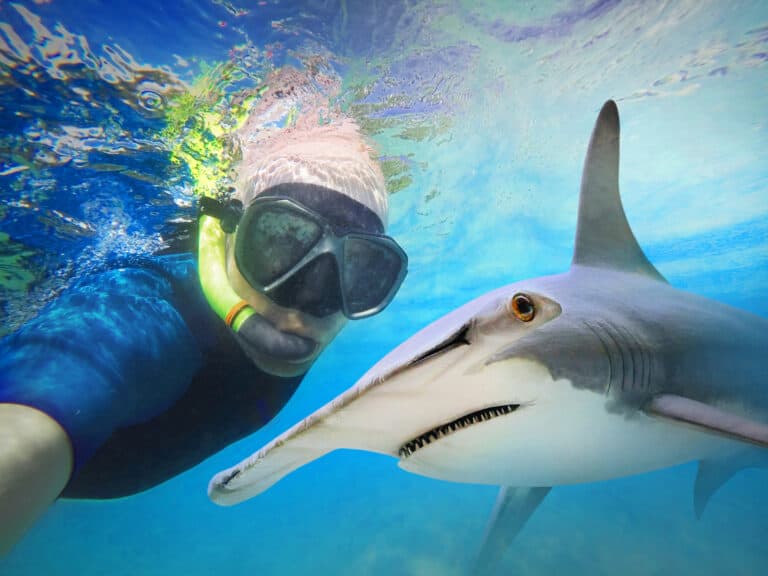
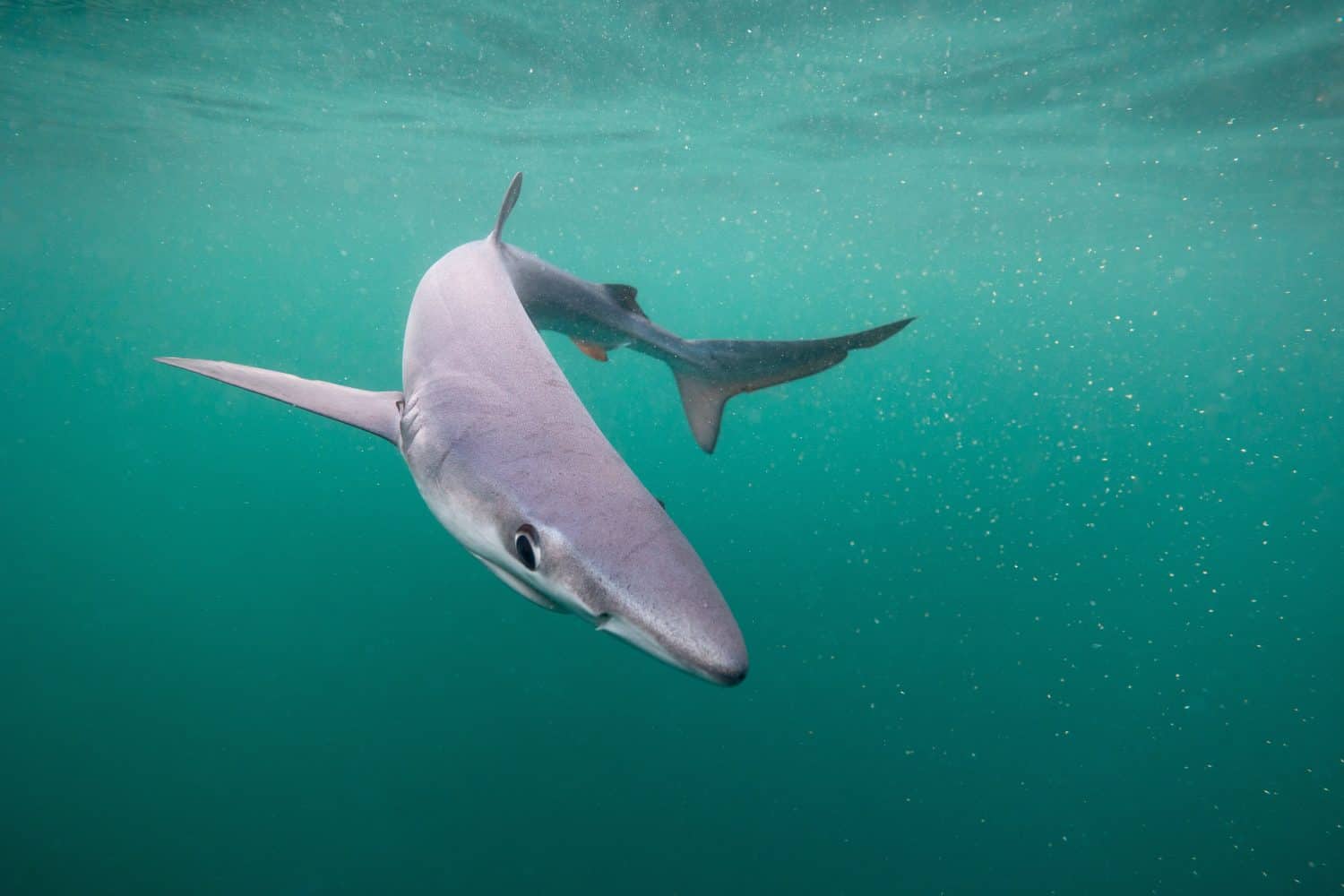
Very little is known about sharks off the coast of the United Kingdom, including the blue shark.
©wildestanimal/Shutterstock.com
Researchers from the University of Exeter will work with the Marine Biological Association and the Angling Trust to monitor these sharks. With $1.35 million awarded, researchers purchased multiple types of trackers to receive real-time information from the sharks. That information, combined with catch-and-release measurements and angler identification, will provide researchers with current data on these sharks. Researchers will then compare this with historical information from the Pat Smith Database, which has recorded shark catches since 1953.
The overall goal is to discover where the sharks eat, where they migrate, and when they mate. Additionally, the data will inform researchers about population changes, for better or worse, to best create conservation plans for the sharks.
How Do Researchers Plan to Track Sharks?
To properly track the porbeagle, tope, and blue sharks, researchers will not rely on open-ocean observation alone. Researchers and anglers will safely attach tracking tags to the sharks, which will hopefully provide insight into the lives of these little-known species.
In total, according to The Guardian, 70 sharks will be fitted with trackers. The study calls for two distinct types of trackers. The first tracker will be active for about 45 days. Researchers and anglers will have 40 of these, each costing just over $2,000, to attach to the sharks.
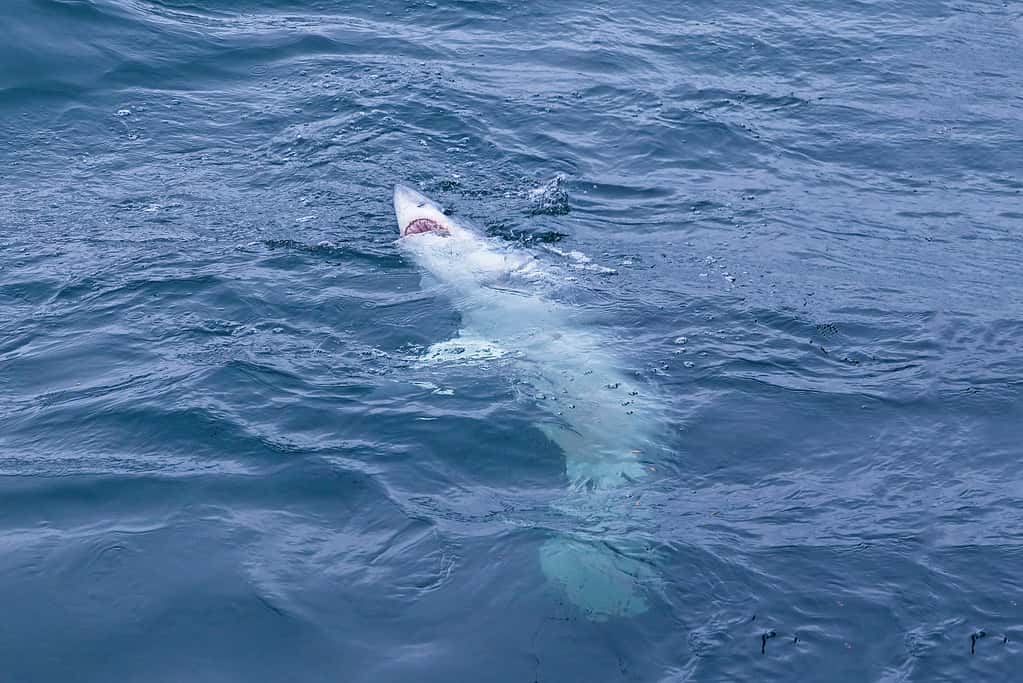
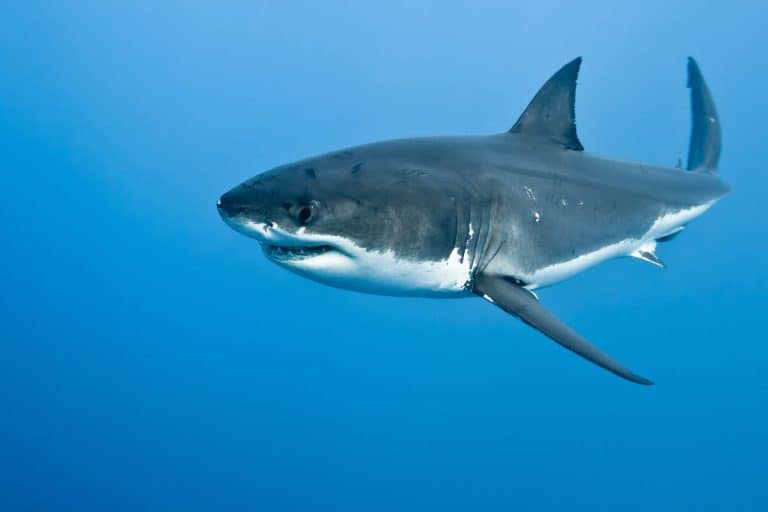
The porbeagle shark is one of the species to be tagged and tracked over the next three years.
©birdsonline/ via Getty Images
The second tracker is significantly more expensive, at just over $6,000 each, and will transmit information for about one year. In total, 30 of these trackers will be attached to the sharks.
Each tag collects different information: the first will inform researchers about the health of sharks after being caught and released, while the second will track the sharks’ movements. Both, however, provide information on how best to conserve sharks and prevent vulnerable shark species from declining further.
Why So Little is Known About Porbeagle, Tope, and Blue Sharks
The fact of the matter is that not only is little known about porbeagle, tope, and blue sharks, but there is also little known about sharks in general. This is why the study to track the sharks and learn more about their activities is so important.
Many shark species do not do well in captivity. Therefore, to better understand sharks, researchers have to do their work in the ocean. This limits what researchers can learn, especially about more aggressive shark species.
Because many shark species do not fare well in captivity, the best way to study them is in the open ocean, leaving more questions than answers.
©Jonas Gruhlke/Shutterstock.com
In total, there are over 500 shark species, with more being discovered annually. These sharks share the same basic body structure, regardless of size. However, their roles in the ecosystem are unclear. Some are clearly apex predators, while others occupy different roles in the ecosystem.
Shark reproduction has long been studied. However, shark reproduction remains a big mystery. Some believe that solitary sharks gather during mating season, but there is no evidence that all sharks behave this way, so the question remains unanswered.
It is also unclear just how far sharks travel each year. Sharks fitted with trackers have astounded researchers with how far they will travel in search of food. Whether blue, tope, and porbeagle sharks will also surprise researchers will become clear as more data is collected.
Researchers Are Working Hand-in-Hand With Anglers
Many anglers are just as passionate about shark conservation as researchers. With three million people fishing in the waters off the coast of the United Kingdom, there are far more observers on the ocean than researchers alone could ever provide.
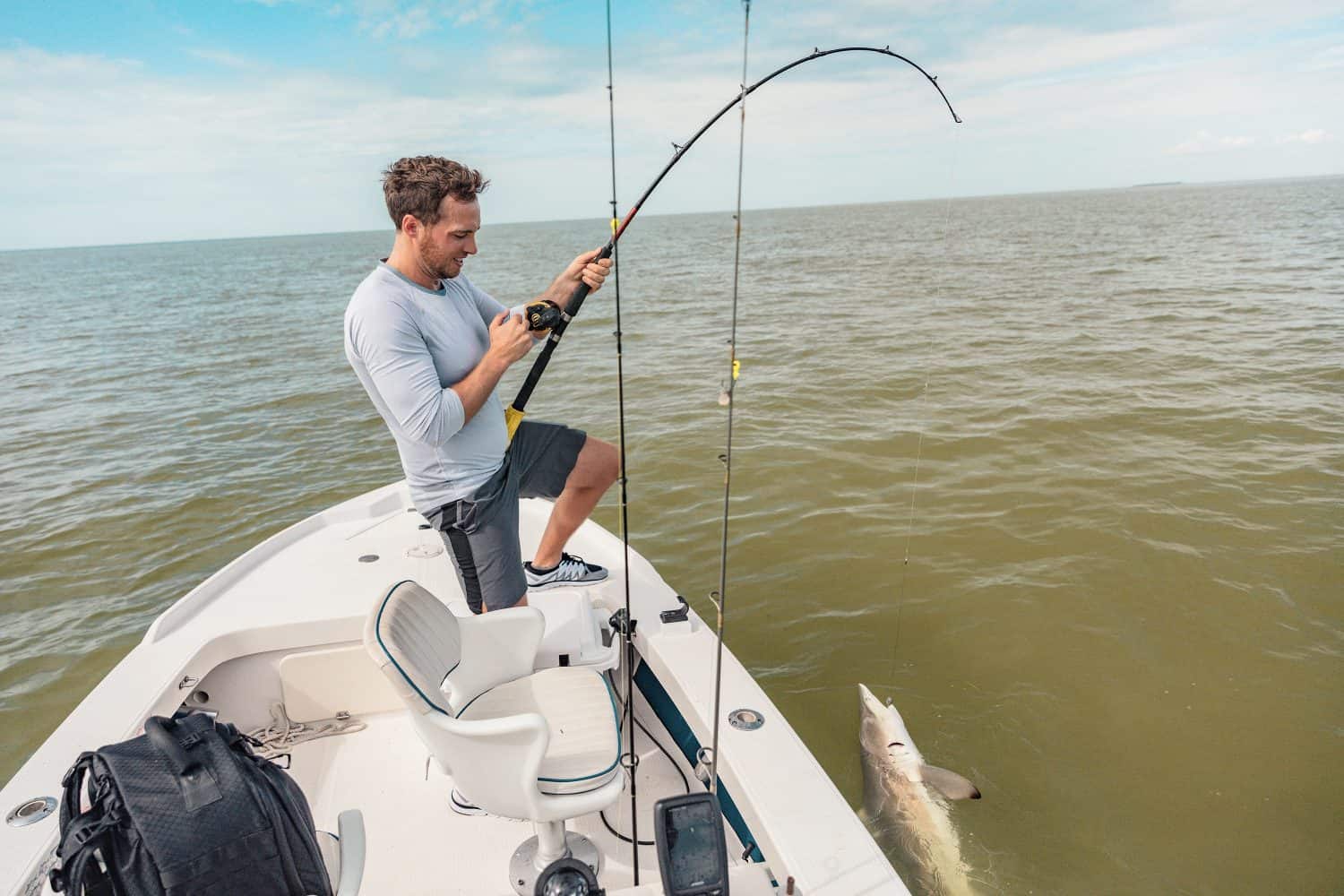
Researchers will be working with anglers to identify, tag, measure, and release the sharks back into the ocean.
©Maridav/Shutterstock.com
To ensure that anglers are prepared, those interested in participating in the study will be trained before they head out on the water. This includes learning to identify species, properly measure sharks, and affix long- or short-term tags.
This particular study will conclude after three years. However, researchers hope that anglers will continue to measure and identify sharks. Doing so will not only strengthen databases but also provide researchers and conservationists with more up-to-date information on the status of shark populations, which decline annually.
What Threats Do Porbeagle, Tope, and Blue Sharks Face Today?
Although they are separate shark species, the porbeagle, tope, and blue sharks all face similar threats in the ocean. These threats contribute to the deaths of 100 million sharks, including these species, each year.
The biggest threats that the porbeagle, tope, and blue sharks face include:
- Overfishing
- Bycatch
- Illegal fin trade
- Habitat loss
- Climate change
- Pollution
In addition to these threats, porbeagle sharks face another peril: cannibalism.
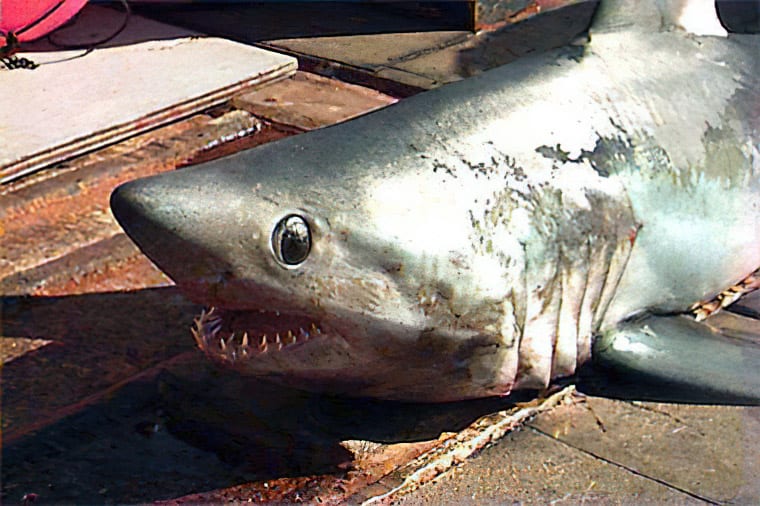
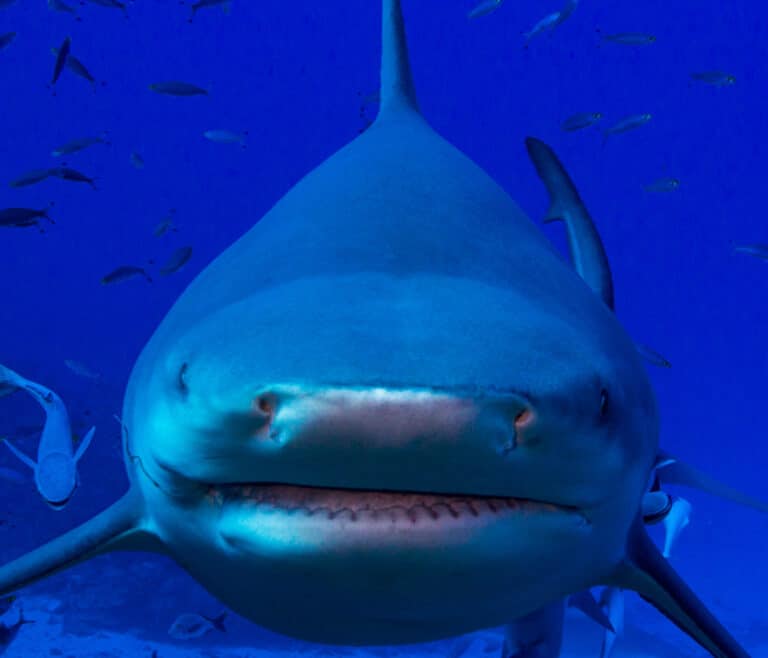
Porbeagle sharks are cannibalistic, making their conservation even more difficult.
©NOAA / Public domain, from Wikimedia Commons, the free media repository – Original / License
According to a 2024 study, porbeagle sharks attack one another. This makes smaller sharks in the species vulnerable to larger, more aggressive ones. Therefore, while conservation efforts to protect porbeagle sharks from environmental factors and human activity are necessary to prevent further decline, porbeagle sharks may also pose a threat to their own survival due to cannibalism.
By tracking the porbeagle, tope, and blue sharks, researchers hope to learn more about these species off the coast of Britain. By understanding their migration patterns, habitats, and mating behaviors, researchers can develop better conservation plans to reduce further declines and support the long-term recovery of all three species.