
The global climate evolves, just as species evolve and change over time. Cyclical periods of heating and cooling occur gradually over centuries. Ecosystems adapt gradually to new conditions. However, modern climate change is occurring at an unprecedented rate and scale. For migratory species that travel great distances to remain within suitable temperature ranges, the rapid pace of change is catching them off guard.
The Costs of Migration Outweigh the Benefits
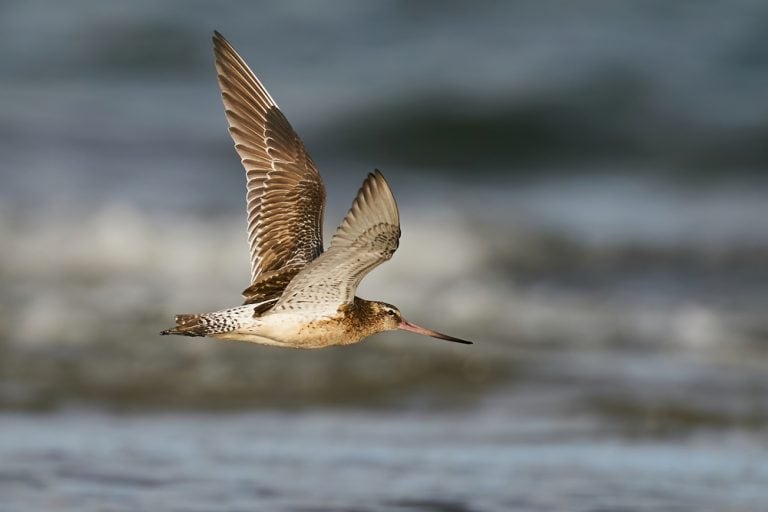
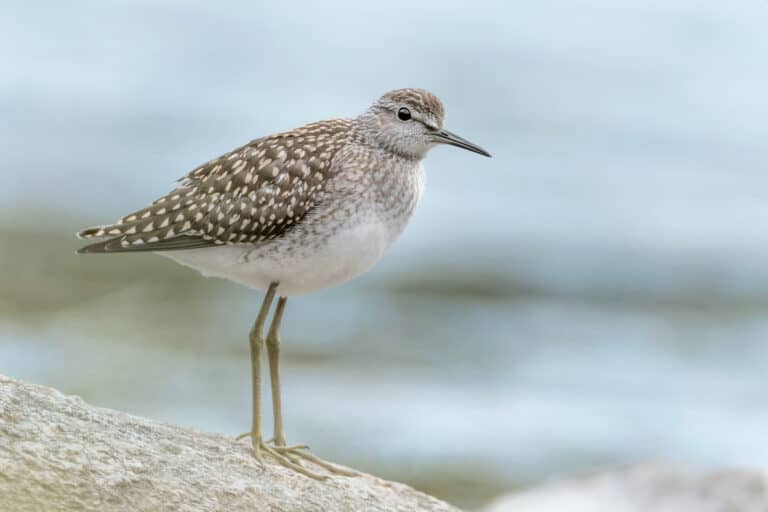
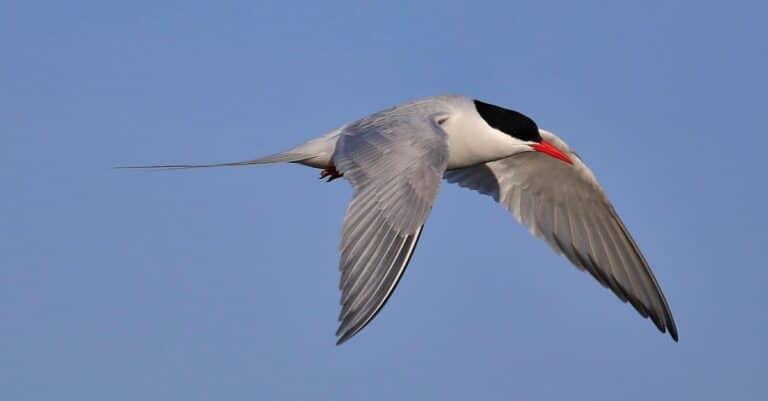
A recent study, which examined the findings of 25 others, determined that the rise in average global temperatures presents a significant threat to migratory species. Caribou, shorebirds, and even monarch butterflies venture north during the summer months to breed. These animals travel hundreds, sometimes thousands, of miles between winter and summer habitats to avoid inhospitable cold and dangerous heat.
The advantage of traveling north to mate is known as migration profitability. Historically, this meant fewer predators, parasites, and diseases, as well as plentiful food sources. However, as climate change wreaks havoc on their northern summer homes, migratory species become increasingly imperiled. Northern breeding grounds, once havens for mating, have now become traps for migrating animals.
Climate Change Is Degrading Breeding Grounds
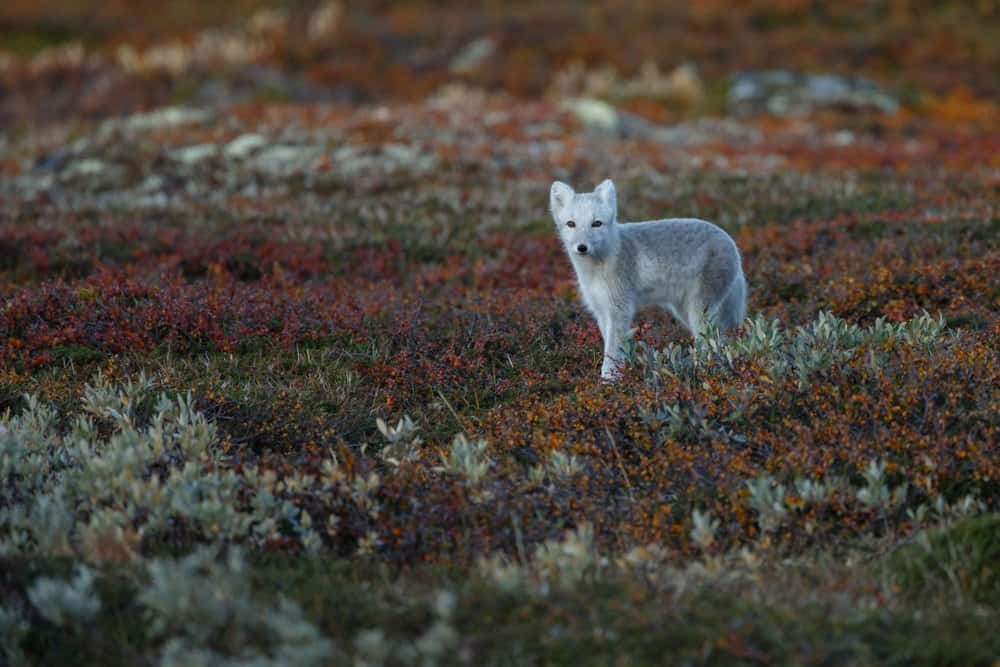
Shrinking populations of lemmings and voles cause the Arctic fox to seek alternative food sources.
©Menno Schaefer/Shutterstock.com
Climate change negatively impacts migratory species in several ways. For example, those that venture into the Arctic now face a growing number of diseases and parasites as warmer temperatures allow their proliferation. Additionally, nest predation in this region is on the rise. Arctic foxes once fed on lemmings and voles. However, warmer winters now bring rain that melts snow, which then refreezes at night into ice, covering the grass and berries on which these animals rely for food. As the populations of lemmings and voles shrink due to insufficient and inaccessible food sources, their predators must seek alternative prey.
The lack of food for these predators has caused increased nest predation. Fewer young survive into adulthood, leading to a decline in certain migratory bird species. In this way, climate change illustrates the complex and intricate construction of ecosystems.
Ecosystems around the world are registering these impacts. Approximately 200,000 migrating antelopes died in Kazakhstan in 2015 as a result of a blood infection. The culprit was a bacterium, Pasteurella multocida, which became deadly following an unusually warm and humid period where the antelopes calve. Scientists suggest that such extreme weather events, which may become more frequent with ongoing climate change, can trigger these mass die-offs.
A study published in Ecology and Society in 2016 tracked a cholera outbreak among common eiders. Inuit communities in some regions rely on common eiders for meat and eggs, so outbreaks of disease among eiders can have localized impacts on food resources.
Targeted Conservation Efforts
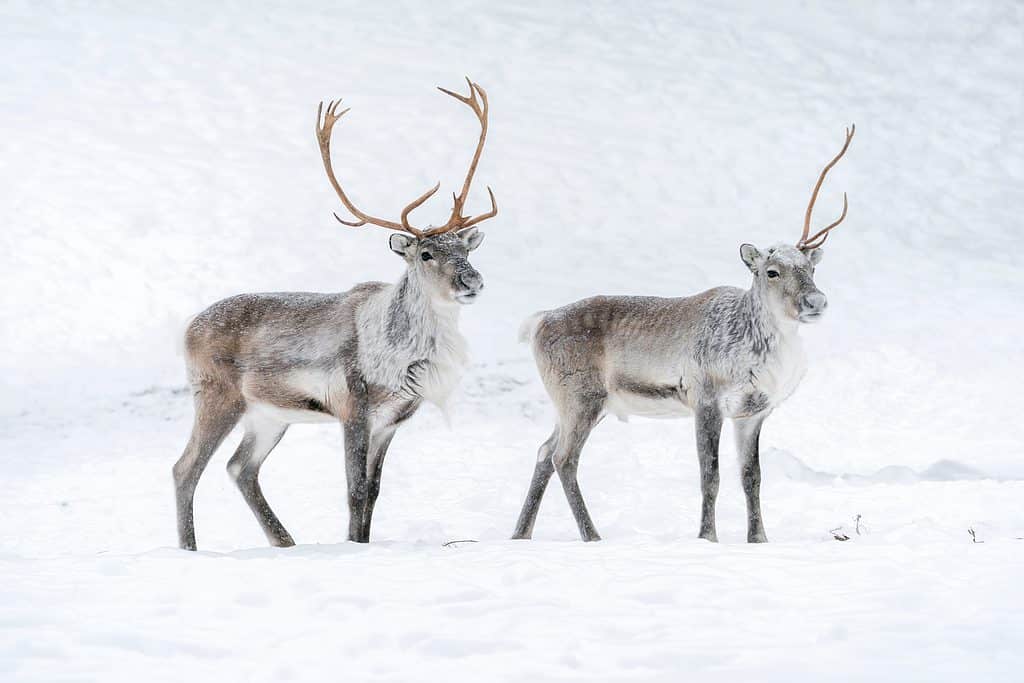
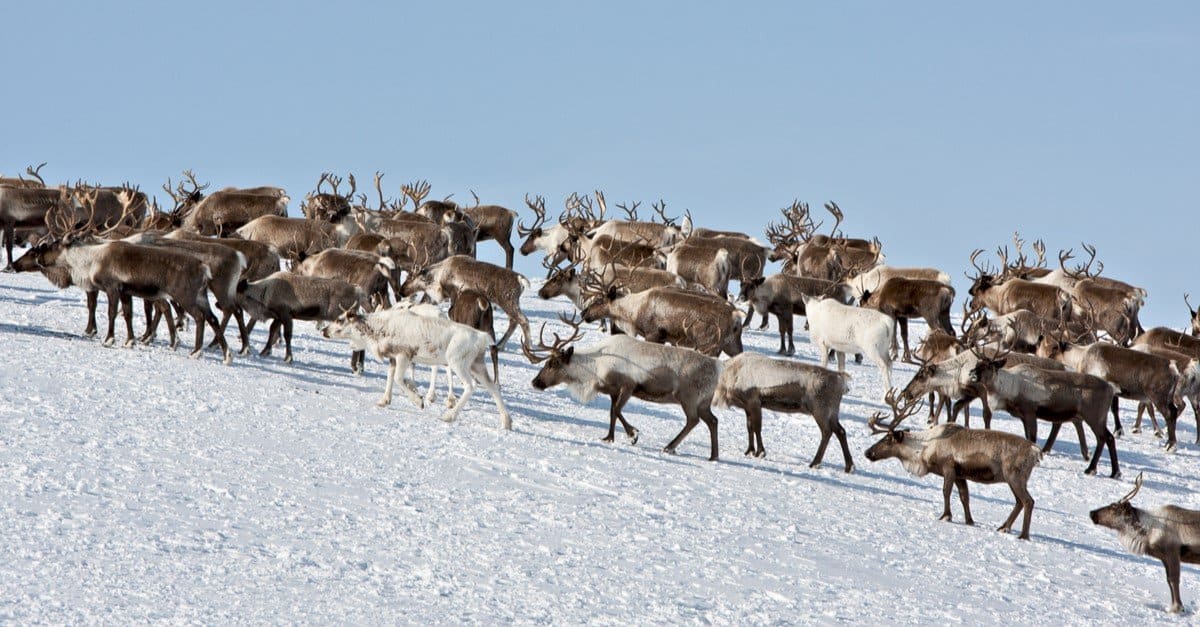
Caribou herds travel long distances between their summer and winter ranges.
©Tam and Trace Photography/Shutterstock.com
To offset the impact of climate change on migratory species, further research is required. The lead author of the study, evolutionary ecologist Dr. Vojtěch Kubelka of the University of Bath, calls the findings alarming. “The recognition of emerging threats and the proposed framework of migration profitability classification will help to identify the most endangered populations and regions,” he said.
Such identification is crucial in any conservation effort. To advocate for specific and effective conservation plans, one must identify the impacted migratory species and the exact manner in which climate change affects them. Many creatures venture vast distances in migratory patterns, and their routes cover the globe. It’s a daunting prospect, but one that the authors of the study advocate. New threats to migrating animals increase their risk of extinction and can significantly disrupt ecosystems such as the Arctic, with potential cascading effects on biodiversity.
What Can Humans Do?
In many respects, some parts of the problem may exceed human capacity to resolve. However, certain actions can be undertaken to mitigate it. Considering how these travelers connect disparate regions of the planet to create a vibrant and complex global ecosystem, it is incumbent upon our species to act.
Treaties like the Convention on the Conservation of Migratory Species (CMS) encourage international cooperation to protect migratory animals. The CMS lists endangered migratory species in Appendix I, requiring strict protection, while also identifying other species in need of conservation action. The establishment of migration corridors also facilitates the annual journeys of these animals. Natural perils already pose significant risks, so ensuring safer passage by minimizing human interference helps more animals reach their destinations.
Ultimately, the fate of migratory species relies on many unknown factors, but the human one falls under our purview. Our actions to protect these animals could determine whether they survive for future generations.