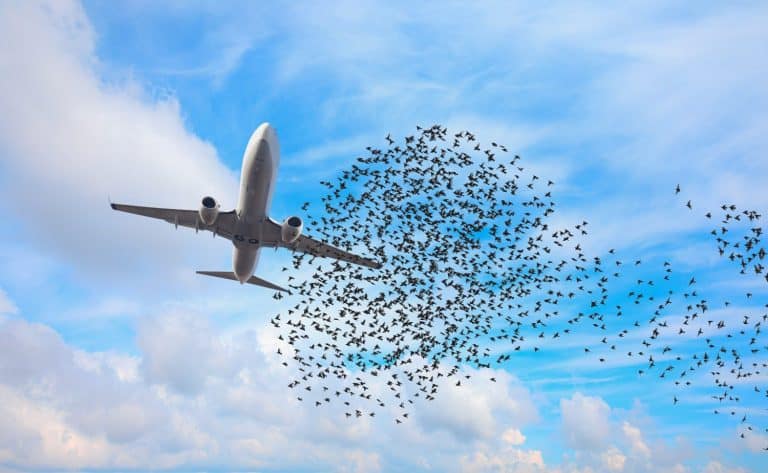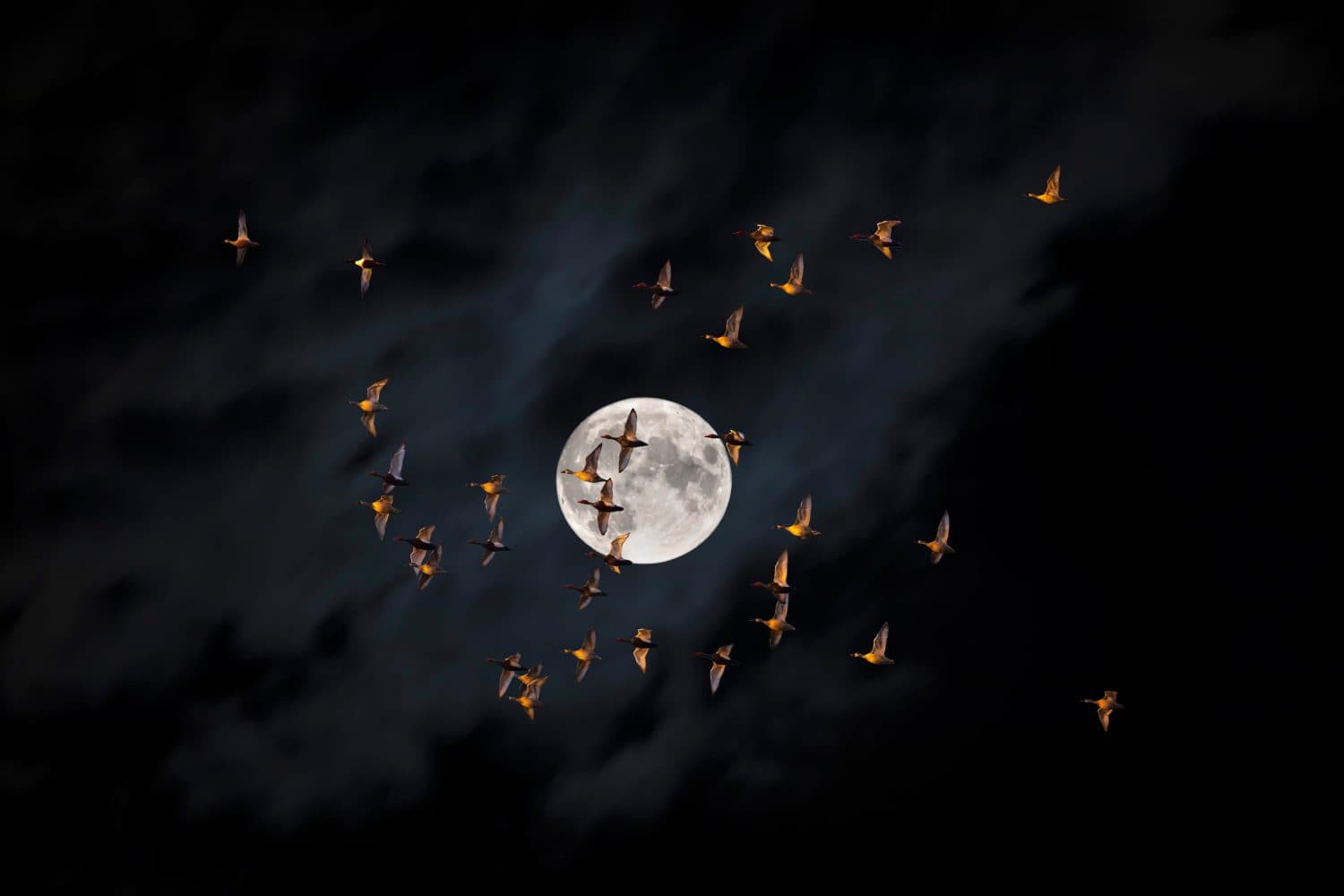

The change of seasons shifts the behavior of many organisms. During the spring and fall, birds take the opportunity to relocate to warmer breeding grounds. Some birds even return to the same nesting site year after year. Migration is the seasonal movement of animals (in this case birds) from one region to another to advance their chances of survival. Recently, researchers recorded one of the largest single migration events since October 2023, which tracked over 1 billion birds in a single night. In this record-breaking migration that occurred in September 2025, researchers tracked over 1.2 billion birds in one night. To understand how this massive migration was monitored and what it means, I discussed the event with Dr. Adriaan Dokter, a migration and radar ecology expert with a background in physics.
Night of Bird-Filled Skies
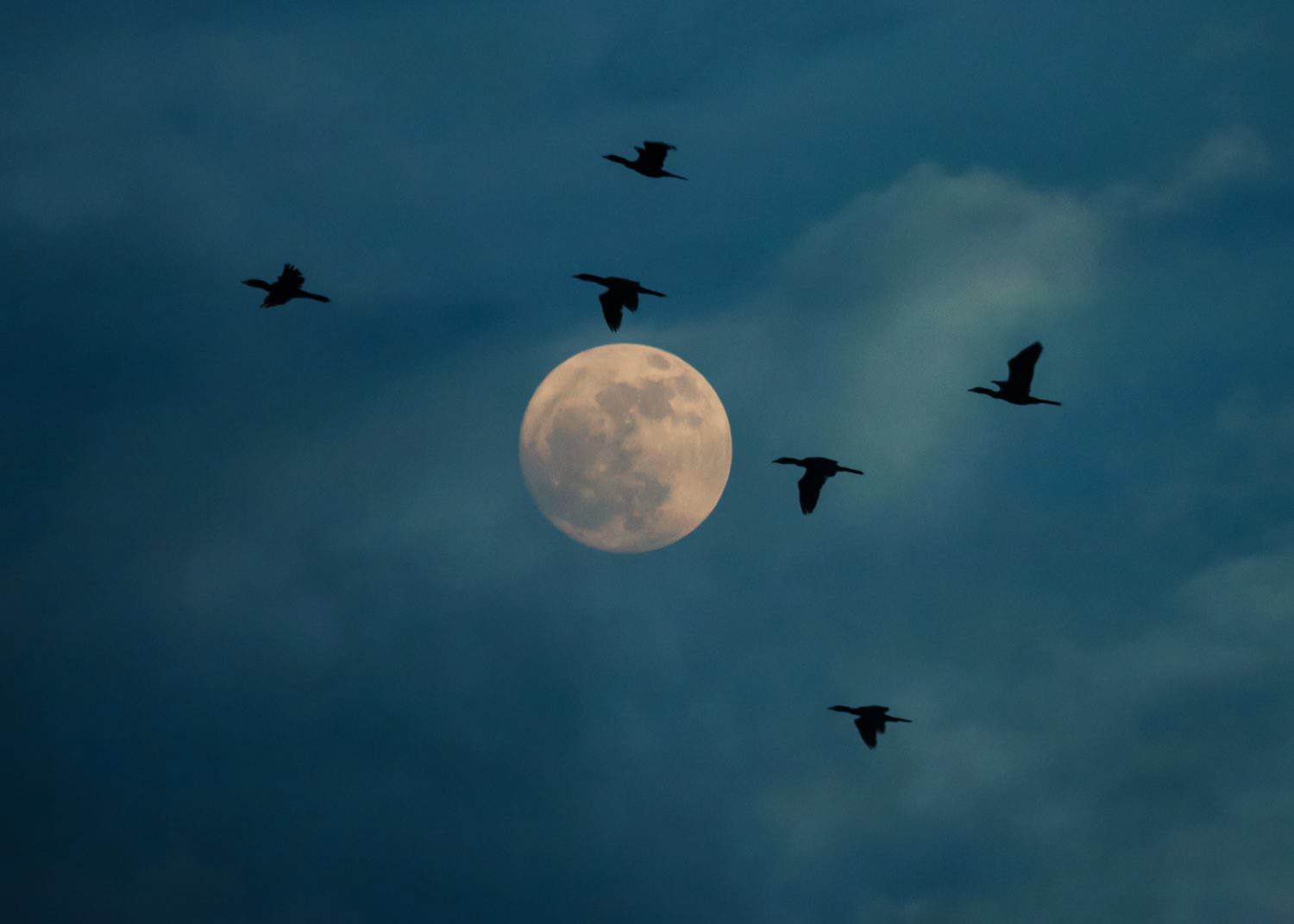
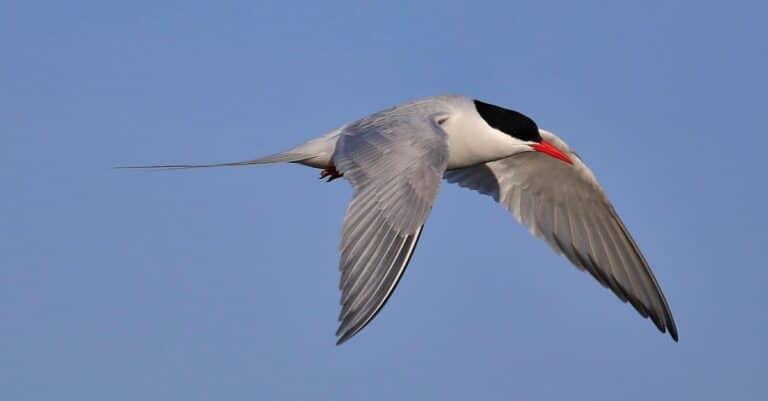
Nocturnally migrating birds typically begin around 30-45 minutes after sunset.
©Kabir9698/Shutterstock.com
“It is quite common to have nights of a few hundred million birds in flight during peak migration periods in spring and fall,” Dr. Dokter explains. To understand just how much these migration patterns vary, see live maps on BirdCast. This was not the only record-breaking migration to occur this year; similarly high numbers occurred in late September and early October. “The conditions could be perfect for migration, but this is just an exceptionally strong migration that happened to be caught thanks to that technology,” Dr. Dokter states.
The technology Dokter is referencing is BirdCast. “We used the weather radar surveillance network NEXRAD – this monitors where something is, how dense it is, and how its moving, so strictly radar measurements.” Birdcast uses a weather radar to detect birds the same way we detect storms. NEXRAD works by emitting radio waves into the sky. When these waves encounter an object, they bounce back, creating an echo that reveals the object’s density, distance, and direction of movement. When weather is filtered out, they can also estimate flight speed and volume.
Given the timing of the year, we likely see a broad spectrum of species migrating early October – mostly small-bodied landbirds and songbirds like thrushes, warblers, and sparrows.
Dr. Adriaan Dokter, migration and radar ecology expert
Life Lived in Motion
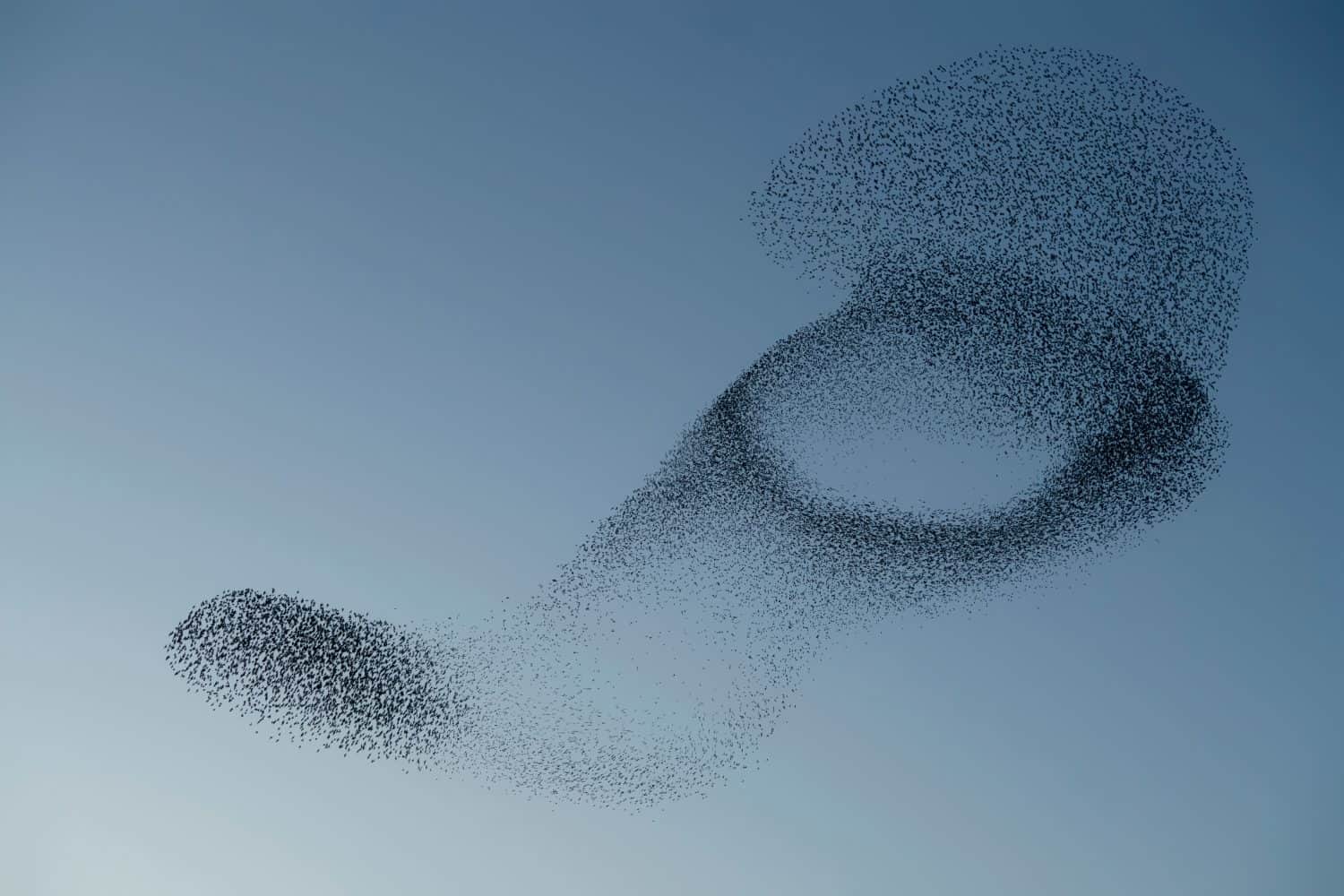
In North America, birds can migrate from late summer through fall and sometimes even spring.
©Albert Beukhof/Shutterstock.com
Spending that much time in the skies must be a costly process. For birds, this laboring flight is worth the risk, a journey toward warmer breeding grounds and more abundant food. In the winter, their typical food becomes scarce, so relocating can directly impact their survival. Migration can vary among different bird species, but the purpose is the same. However, not every bird migrates. Those that are permanent residents can find adequate food year-round. There are also short-, medium- and long-distance migrants.
Birds live life in motion. For most birds, the general life cycle begins with breeding, migration, overwintering and then migrating back to their original area when environmental conditions improve or seasons shift. During this risky journey it is important for birds to follow where the food remains available to them. Each species has a unique diet and specific energy requirements. Different diets may require different routes. Overall, migration acts as an evolutionary advantage. For some birds, a warmer climate means more food access and greater breeding success. For this recent massive migration however, using only radar measurements makes it tough to figure out exactly which species are migrating. “Given the timing of the year, we likely see a broad spectrum of species migrating early October – mostly small-bodied landbirds and songbirds like thrushes, warblers, and sparrows. Several of these will migrate to Central and South America, but many species also winter in the South-Eastern US”, Dokter details. To learn more on the species migrating south for the winter click here.
A Journey Not Without Risk
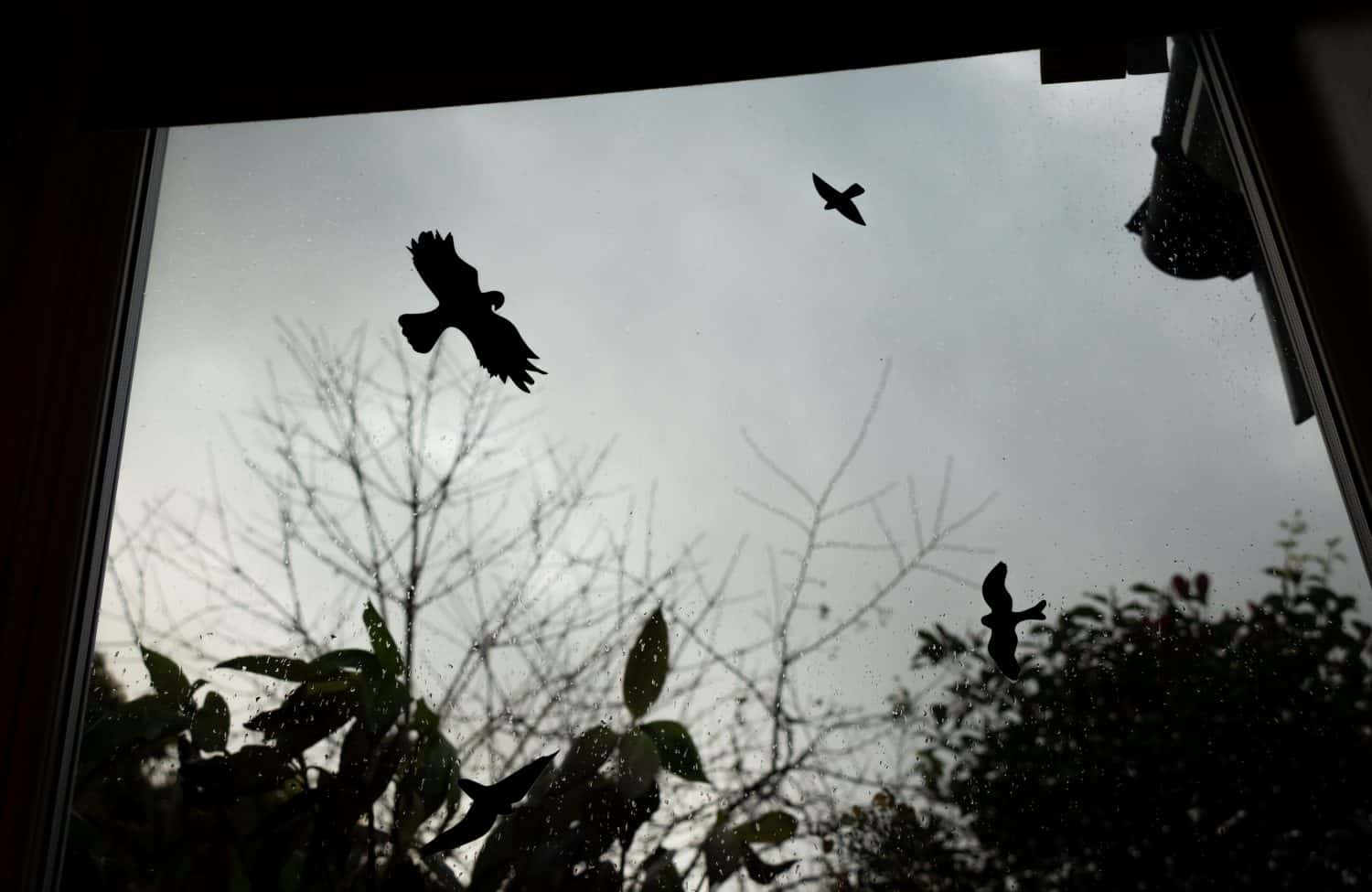
Bird-safe window decals help prevent widow collisons.
©SnapTPhotography/Shutterstock.com
Unfortunately, the very journey that is meant to promote the well-being of birds is not without risk. Up to 1 billion birds are killed annually in North America by building and window collisions, with artificial light at night contributing to these deaths. Artificial light confuses migrating birds, and draws them into more urban areas, where they collide with structures or buildings. With these record migrations, birds become even more vulnerable; more birds moving means more are at risk. The Bird Collision Prevention Alliance is one group doing the work to educate and help promote solutions to these issues.
Birds provide pest control, aid in seed dispersal, and assist with carrion cleanup. They are also indicators of environmental health. Without them, we risk losing forest regeneration (especially after wildfires) and disease prevention. Their absence would also remove a critical thread in food webs. Climate change could reduce migratory species. As an ancient practice, migration (especially one on this scale) can serve as a wonder but also a warning. As stewards of our environment, birds must be protected, which also means protecting the ecosystems, forests, and ourselves.