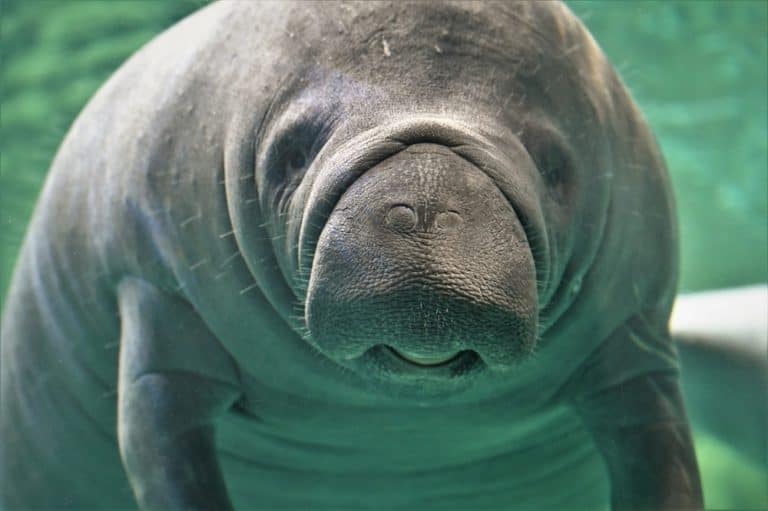

Manatees are heavily associated with Florida, but are a migratory species. Their incredible range spans several states in the southern U.S., where it’s common to see them in coastal waterways. These gentle giants can be surprising, as onlookers in Cape Cod recently discovered. A manatee was recently spotted in Massachusetts for the first time since 2016, a rare sight for locals. Experts, however, say it’s more common than most may think.
The Well-Traveled Life of a Manatee
Manatees are the snowbirds of the marine world. In the winter months, they remain heavily concentrated in Florida, where the water remains warm. During the summer months, they migrate beyond Florida to escape the high heat index. A manatee can survive in water that’s at least 68 degrees Fahrenheit, which means states like Georgia, the Carolinas, and west to Alabama and even Texas are fair game. They prefer estuaries, saltwater bays, canals, and slow-moving rivers, which also serve as their routes from one waterway to another. As long as there’s a water crossing, a manatee will typically find it.
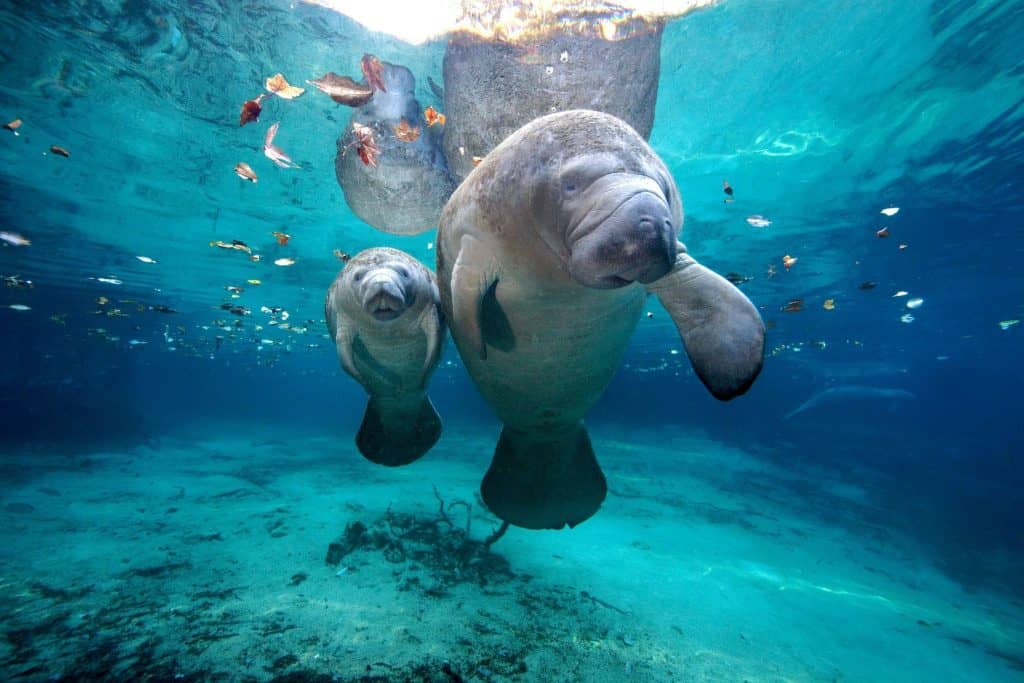
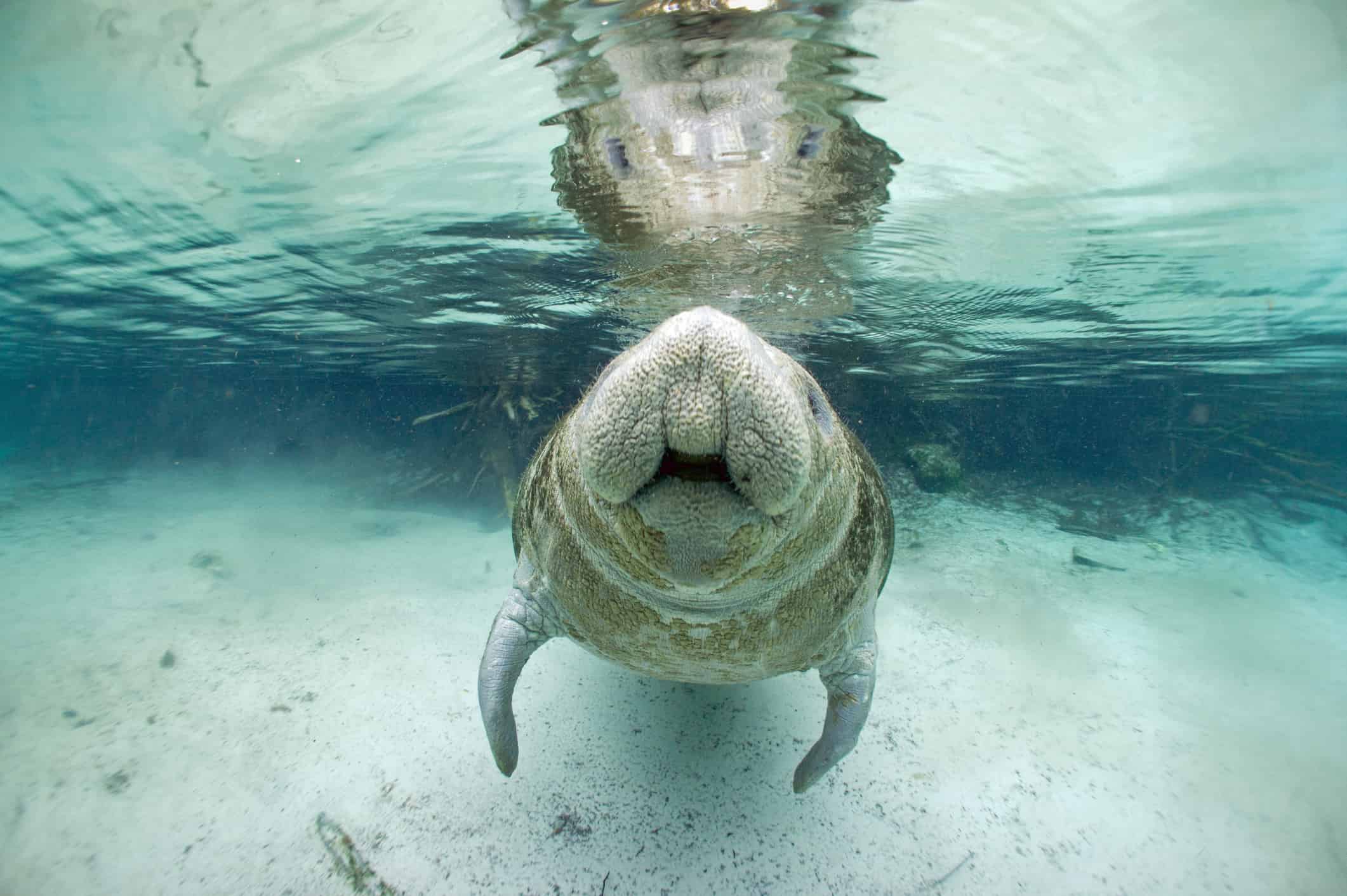
Manatees are habitual travelers.
©Facebook – Original
Manatees are cold-intolerant animals, which makes their appearance in New England somewhat bizarre. However, recent heat waves sweeping the region have made coastal waters much warmer than usual. The good news is that the animal appears healthy and is thriving in the current water temperatures, and experts are monitoring the situation. It’s an uncommon event, but not an impossible one. To date, no manatees have been recorded traveling further than the Massachusetts coast. Maine’s waters are too cold for manatees to survive, and it would make their southern migration difficult, if not impossible, before winter hits.
A Surprising Sight for Cape Cod Locals
The manatee seen in Mashpee was a long way from home. Popponesset Island, where the manatee was first spotted in July, is approximately 1,394 miles from central Florida. While its journey may have started from Georgia or the Carolinas, it’s still a long swim for such an animal. The manatee was first seen by a woman paddleboarding when a dock hand tipped her off. Sure enough, the manatee was swimming near Waterway Loop, which is known for its grassy floor and lush marine vegetation. Manatees are also known as “sea cows,” and this one was likely feeding. A second Mashpee resident saw the manatee the same day, in the same area.
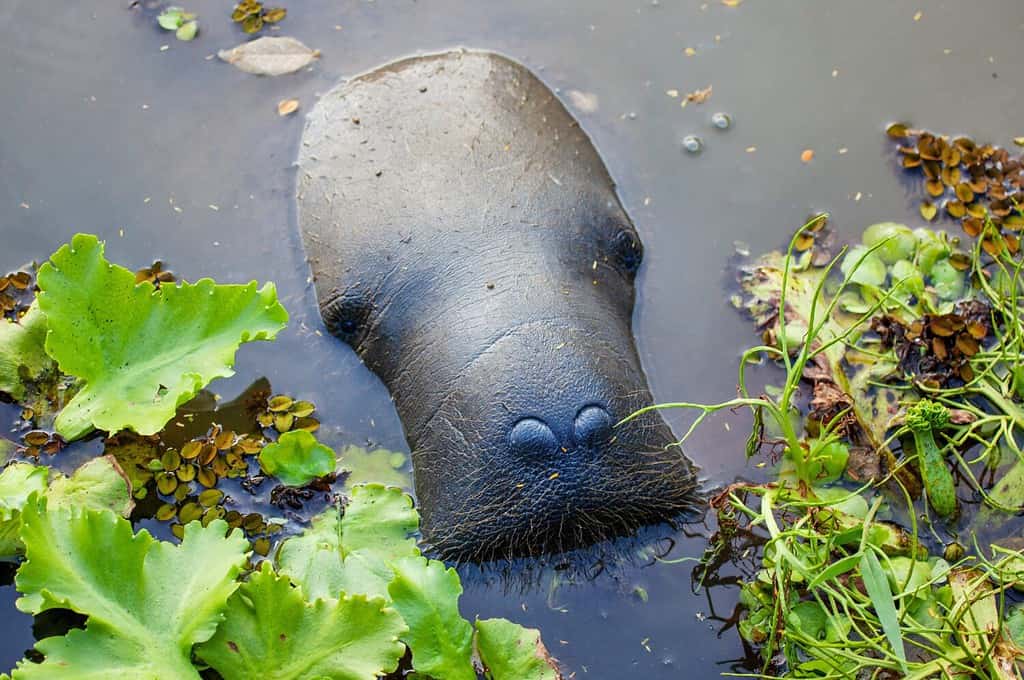
The manatee could become stranded if it spends too much time up north.
©Victor1153/Shutterstock.com
While it is not concerning that a manatee made its way to Massachusetts, experts are worried about how long it will remain there. It’s a long way back to Florida, and the end of the summer is drawing near. If the Mashpee manatee doesn’t start swimming back soon, it risks becoming stranded in Cape Cod’s waterways. NBC Boston reports that an intervention could be needed to rehabilitate the manatee and get it back to its native southern waters. The good news is that the animal appears healthy and is thriving in the current water temperatures, and experts are monitoring the situation.
Cape Cod Isn’t the Only New England State Seeing Manatees
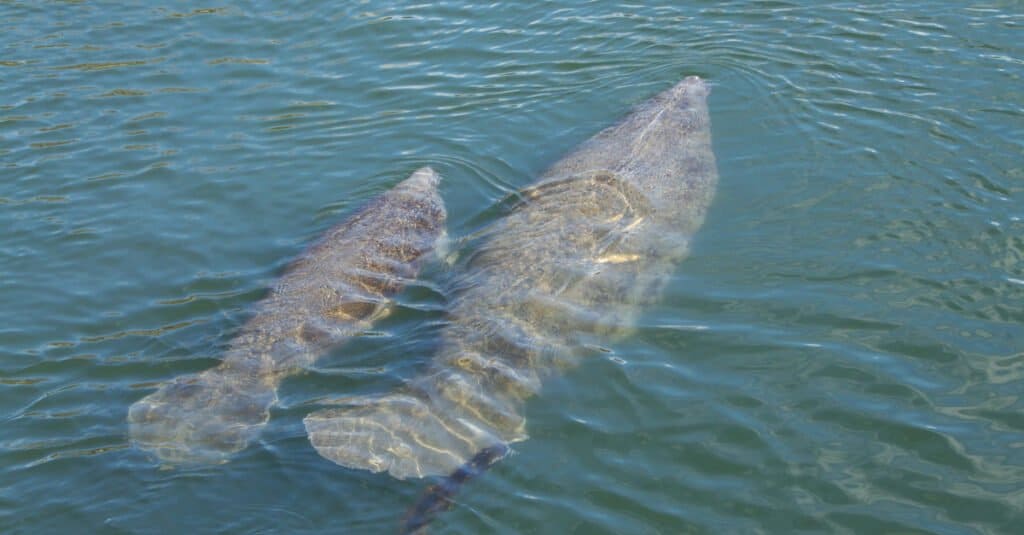
In 2023, a manatee was seen in Rhode Island’s Quonochontaug Pond. The pond is approximately 106 (driving) miles from Popponesset Island, and is located further inland than Cape Cod’s coastal inlet. This manatee likely found an opening through the Quonochontaug Breachway, a long channel leading to the large pond. This saltwater lagoon is an attractive location for a manatee seeking refuge, and is home to a healthy meadow of seagrass. As a nutrient-rich estuary, the pond is ecologically significant to a range of marine animals and seabirds.
©romarti/Shutterstock.com
There have only been a total of three recorded manatee sightings in Rhode Island. Additionally, according to experts, there have only been four Massachusetts manatee sightings total in the last 17 years. The manatee that wandered into the state’s waters in 2016 was rescued, rehabilitated, and eventually relocated back to Florida. Massachusetts Wildlife is currently planning a similar rescue, given the timing of the sighting and the temperature of the water.
Why Are More Manatees Migrating North?
Manatee migration patterns shift with the weather. A manatee’s instincts tell it to follow its food source, which is more abundant in warm waters. As temperatures increase along the eastern seaboard, so does the growth of seagrass, algae, mangroves, water hyacinth, eelgrass, hydrilla, and coontail. All of these plants hold vital nutrients that manatees need, and can be found along the East Coast. As food sources dwindle in Florida’s waters, specifically the Indian River Lagoon, they look to forage elsewhere.
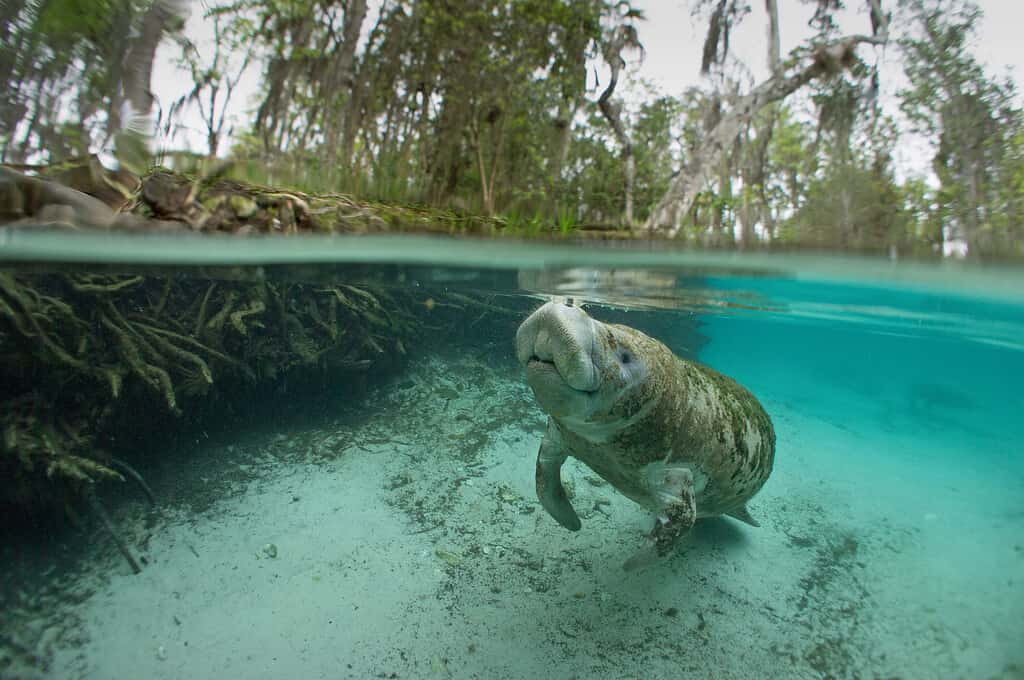
The weather is a determinant of manatee migration patterns.
©tobiasfrei/iStock via Getty Images
This is how they end up in various waterways such as those in New England. As they follow the Gulf Stream north, they’re drawn to vegetation along the way. However, what they don’t realize is how far “home” is from these bays and ponds. As weather patterns change worldwide, we are likely to see more changes in animal behaviors, such as this. While manatees in New England are still a rarity, they may become more common as our climate shifts in the coming decades.