
Quick Take
- Bangladesh’s remaining saltwater crocodile population numbers just 140 mature adults. Learn about Bangladesh's population →
- Captive crocodiles raised for up to two decades behave nothing like you'd expect once released, a finding that changes everything about how conservationists should think about reintroduction. See captive croc behavior →
- One wild crocodile named Jongra did something extraordinary after release that none of the captive-raised crocs did, and this behavior reveals a critical flaw in standard relocation programs. Discover Jongra's homing journey →
Sometimes, human beings choose the path of least resistance. It’s easier and feels more certain to pick the familiar thing over the unknown, even if the unknown is ultimately better for us. Such tendencies seem to be inherent in some animals, too. According to the latest research, some animals that spent most of their lives in captivity may not return to their natural habitats even after being released into the wild.
Researchers recently learned about the homing tendencies of saltwater crocodiles born or raised in captivity. Crocodiles have long been known for their ability to navigate back to familiar locations. Wild crocodiles that are captured and relocated may return to their original capture sites. This homing behavior can undermine conservation relocation programs. Let’s learn more about this new research, what prompted scientists to take a look at this issue, and what it tells us about the relationship between captive life and wild living.
Continue reading
Crocodile Context
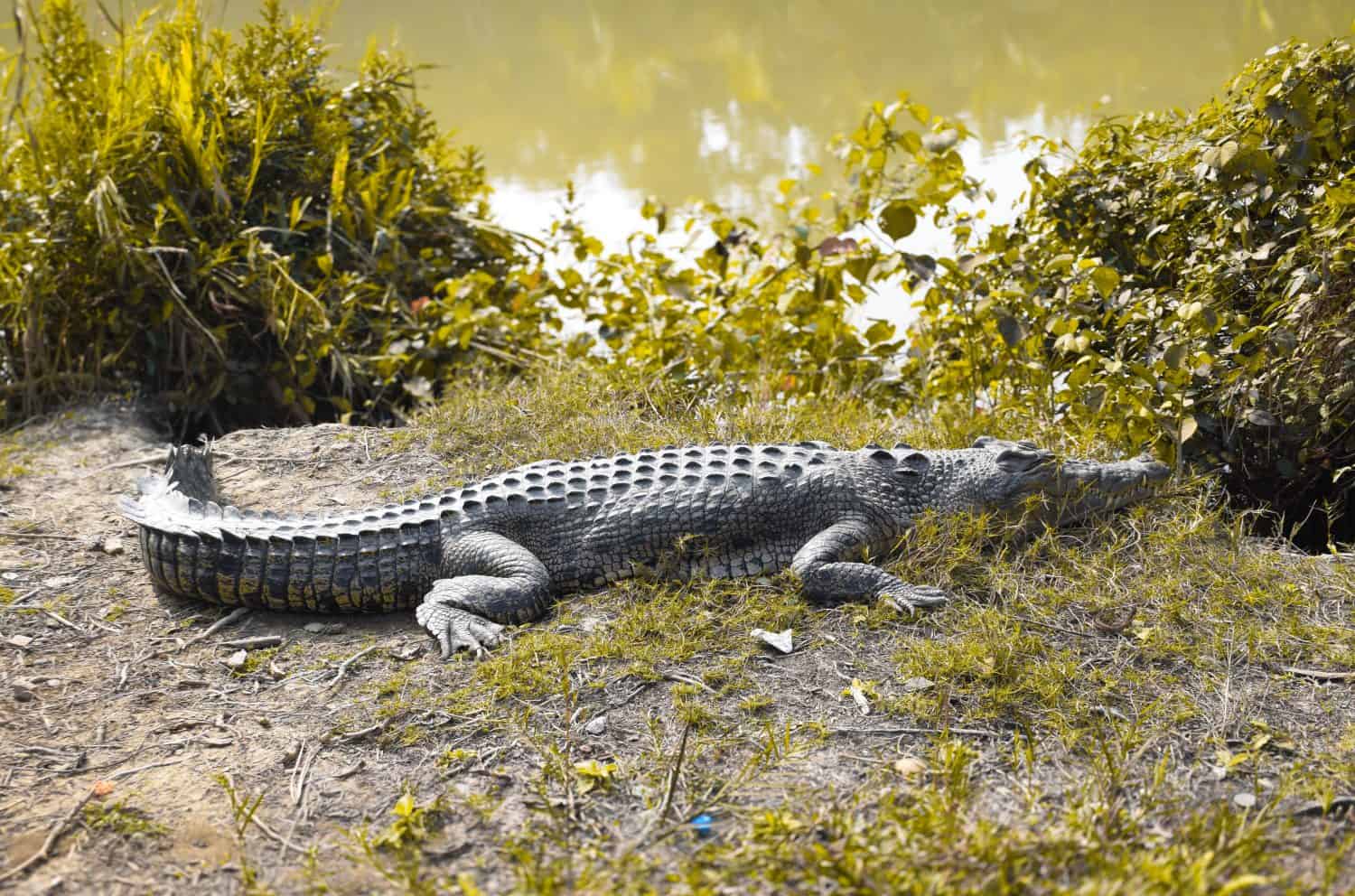
In Bangladesh, saltwater crocodiles are now found only in the Sundarbans mangrove forest.
©A.Z Dawn/Shutterstock.com
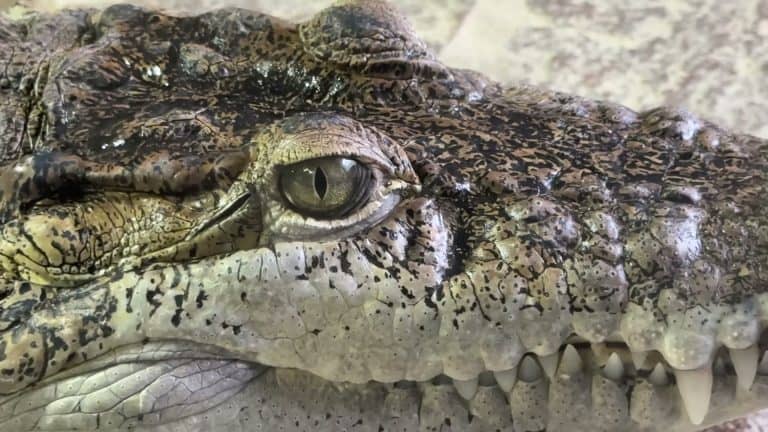
Not many creatures are as ancient as the saltwater crocodile. These semi-aquatic reptiles belong to a lineage whose distant ancestors date back over 200 million years. Modern crocodilians themselves first appeared around 145 to 83.5 million years ago. They are found across tropical and subtropical regions from India’s east coast through Southeast Asia and into northern Australia. They are known for their considerable size, scaled skin, and ambush predation techniques that transform placid water into a deadly hunting ground.
Despite their well-earned fearsome reputation, crocodiles play an important role in wetland ecosystems. A keystone species, crocodiles regulate prey populations. In recent years, however, their population numbers have come under threat. While some populations have benefited from conservation programs, others remain threatened by habitat loss and the exotic leather trade. This is particularly evident in Bangladesh. Once abundant in the region, saltwater crocodile numbers experienced a considerable decline due to commercial hunting and have remained low ever since.
This prompted researchers to take a closer look at the saltwater crocodile’s last remaining stronghold in Bangladesh: the Sundarbans mangrove forest. The most recent survey put the area’s population at just 140 mature crocodiles. Researchers wanted to understand the relationship between captivity, release, and behavioral patterns. As behavioral ecologist and Associate Professor Ru Somaweera explained to Science Daily, “Crocodiles are remarkably good at finding their way home, often returning to their original capture sites and limiting the success of relocation programs. What we still don’t fully understand, though, is how this behavior plays out in individuals that have been bred or kept in captivity for long periods before being released back into the wild.”
The Research
Researchers wanted to learn about the exact relationship between being raised in captivity and returning to the wild. If captive crocodiles return to their enclosures or sanctuary sites after being released, then conventional conservation efforts will fail repeatedly. Testing this behavior has traditionally relied on hatchlings in reintroduction programs. The problem is that hatchlings have low survival rates and take a long time to mature.
To get a better sense of the dynamics, researchers attached tracking devices to five adult saltwater crocodiles. The subjects included three captive-raised females that had spent between 8 and 22 years in captivity. The subjects also included one recently captured local wild crocodile and another wild individual moved far away from where it was originally caught. Then, the researchers tracked their movements for several months.
Unexpected Results
You would think that the three female crocodiles raised in captivity would promptly return to their enclosures. Instead, and perhaps reassuringly, none showed signs of heading back to their former home. As Associate Professor Ru Somaweera explained to Science Daily, “Instead, they settled into small, well-defined areas and moved in much the same way as the local wild crocodile we tracked, which tells us they are possibly able to adapt to their new environment seamlessly.”
The one crocodile that showed signs of returning to its capture site was the translocated wild crocodile. This subject, named Jongra, was released about 132 kilometers from his home. Though he didn’t travel all the way back there, he certainly tried. As Somaweera explained, “He traveled far more each day than any other crocodile we tracked, covered an exceptionally large area, and even recorded single-day movements of more than 30 kilometers: all typical signs of homing behavior.”
The study cataloging these behaviors, published in the journal Wildlife Research, could have real value for conservation programs. It suggests that being raised in captivity is not a deal-breaker for future wild living. It does, however, show that translocated animals might try to travel long distances to return home. This could endanger them in the process. As Somaweera explained, “These findings suggest that releasing subadult and adult captive-reared crocodiles can be a viable strategy to strengthen wild populations. For translocated crocodiles, it’s important there is careful release planning to manage their tendencies to return home.”