
Quick Take
- The dog didn't bark, growl, or act aggressive. Its actual reaction was something most owners would have completely misread.
- Black bears are typically shy of humans, so there's a specific reason this one was so relaxed strolling down a city street. Why bears enter cities →
- A bear's nose makes a bloodhound's smell like a parlor trick, and the gap between them is far wider than most people expect. See how bears smell →
- Bears getting comfortable around humans sounds harmless, but there's a tipping point that changes everything. When comfort turns dangerous →
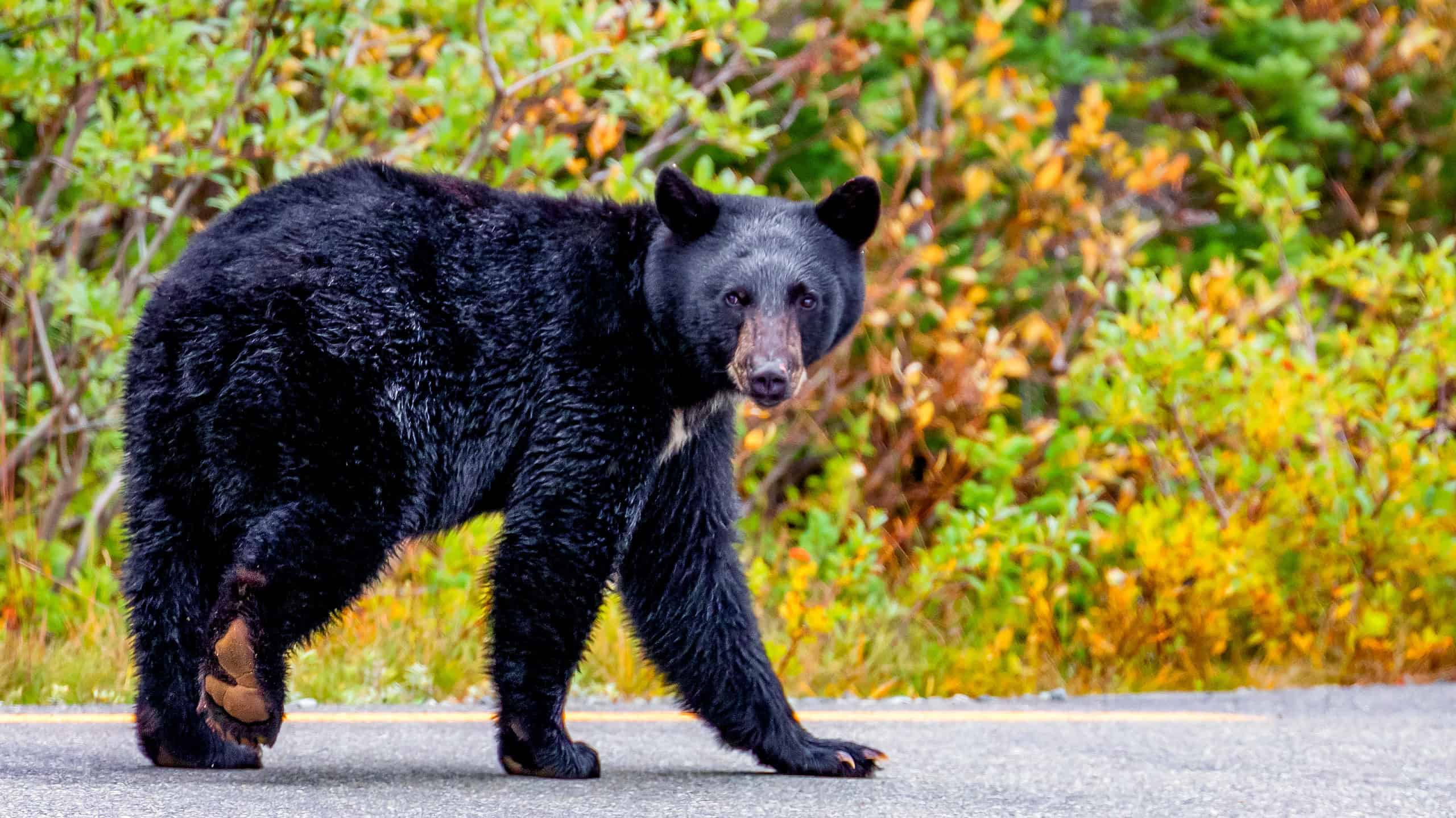
If ever you wanted proof that dogs truly are man’s best friend — it’s right here in this short clip. We see a young woman walking her dog along a city street. Suddenly, the dog starts to behave strangely. It doesn’t want to move and then it starts frantically pulling on the leash. Once the dog glances behind it and spots that they are being followed by a threat, it drags its owner forward. When the young woman looks behind her, she gets to see what that threat is. It’s a black bear!
To be fair to the bear, it doesn’t look as if it presents much of a threat to either the dog or the human. It just wants to stroll around the streets and doesn’t seem to be too happy when it’s caught on a CCTV camera! Scroll down to see the full footage of a dog proving that its senses are far superior to a human’s!
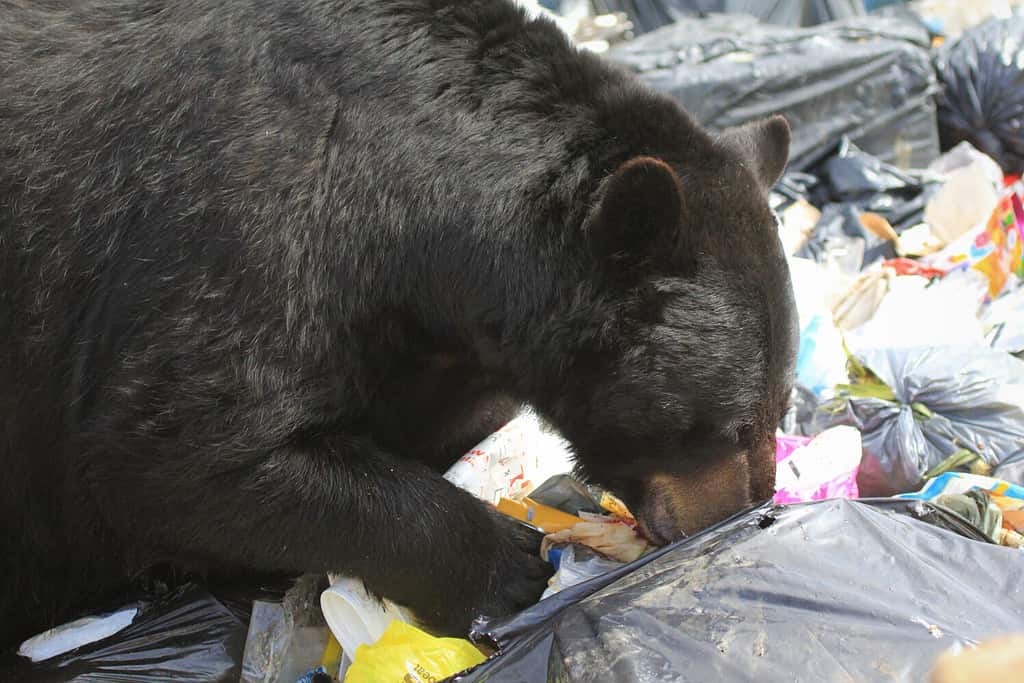
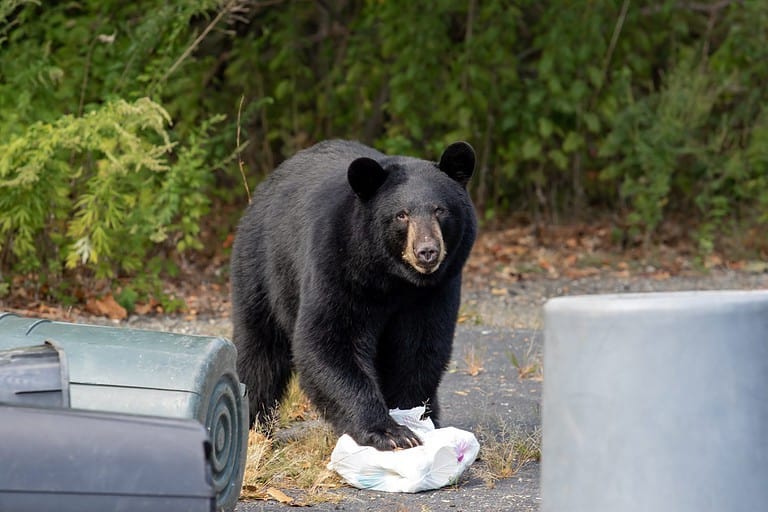
Black bears are attracted to human food.
©Sketchart/Shutterstock.com
Why Do Bears Enter Cities?
Generally, bears are shy creatures that prefer to avoid humans. However, there is plenty of footage of black bears, in particular, entering urban areas. This individual is quite comfortable on the city street and may well have been there before.
Human environments are full of potential food sources for bears. Our streets are often littered with discarded food, and our garbage is full of waste.
Discarded human food is an easy source of calories for these animals. It provides them with plenty of nutrition without them having to dig for it or catch it themselves. Therefore, it is an attractive prospect. However, there are problems associated with bears entering urban areas. They can become too accustomed to human sources of food and this can turn them into a nuisance. The bears can become too comfortable with human company and lose their fear of humans. In some instances, this has resulted in them becoming aggressive.
How Do Bears Detect Food?
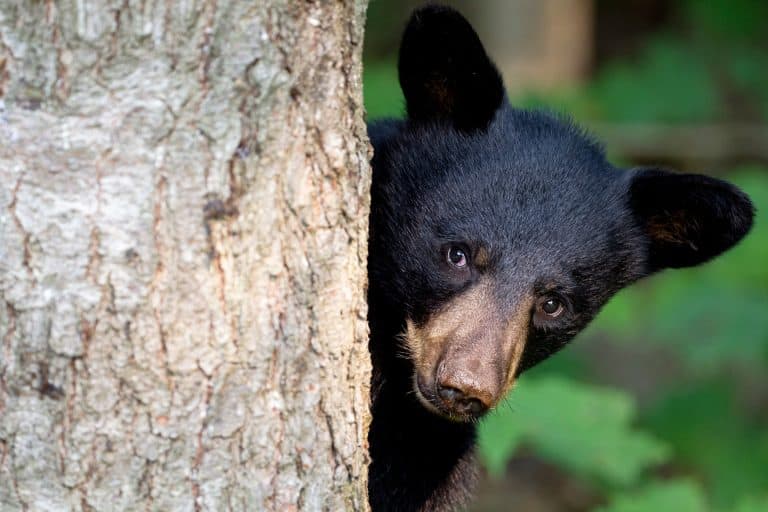
Bears are omnivores and eat both plants and animal material. They are used to living in large forests and they need to detect where their food sources are. To do this, bears have an excellent sense of smell. You can see from the shape of their head that they have a long nose. The area of their nasal mucosa is 100 times greater than ours. This gives a large area for smell detection! Bears can smell even better than bloodhounds. Some experts estimate that a bear can smell food from a few miles away!