
Quick Take
- Clubiona winter-active sac spiders survive sub-zero nights in pear orchards thanks to hyperactive antifreeze proteins that bind ice and halt growth.
- The antifreeze proteins are new to spiders, unique in sequence, and resemble beetle and moth AFPs, showing convergent evolution.
- In the Czech Republic study, AFPs bound ice crystals, stopping growth even in diluted samples, proving these proteins are hyperactive.
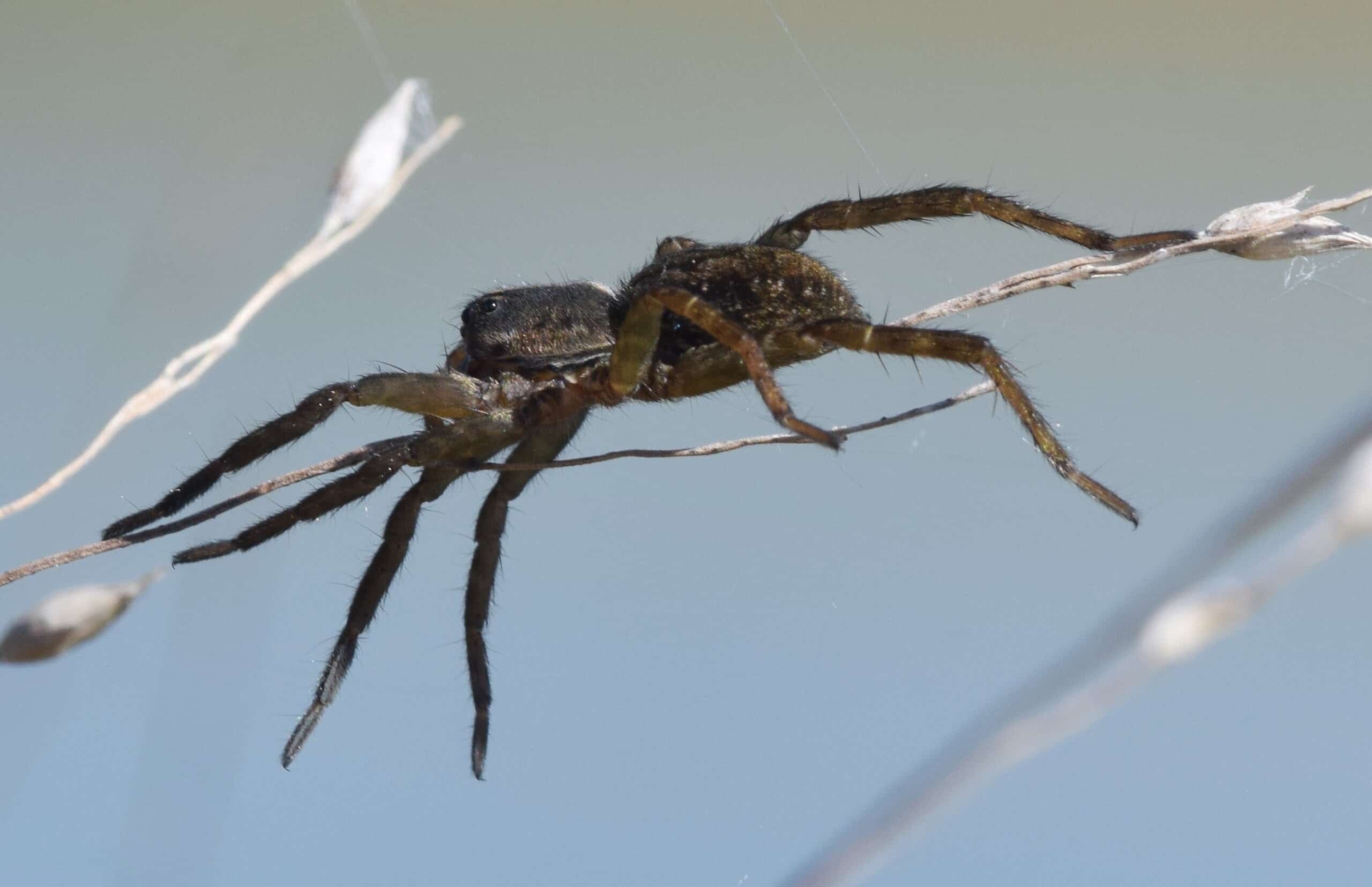
During the cold and quiet winter, most insects and their predators vanish from sight. But tucked into silken sacs under pear tree bark, some tiny hunters are very much awake. These are Clubiona spiders, winter-active sac spiders that don’t just survive sub-zero nights; they hunt right through them.
A new study in The FEBS Journal uncovers the molecular secret that allows these spiders to prowl icy orchards without freezing solid: a set of hyperactive antifreeze proteins unlike anything seen before in spiders, but strikingly similar to those found in beetles and moths. And that frozen superpower isn’t just a biochemical curiosity; it could make these spiders powerful allies for farmers trying to cut back on insecticides.
“The antifreeze proteins the spiders produce in their body protect them from freezing and allow them to be active during the winter,” researchers Dr. Peter Davies and Laurie Graham of Queen’s University in Canada, tell A-Z Animals. “This way they can eat the orchard pests at a time when most other predators of insects are inactive or have migrated south.”
Where do these spiders usually live?
Most spiders avoid the winter season by migrating or going dormant
©Andy Reago and Chrissy McClarren / CC BY 2.0 – Original / License
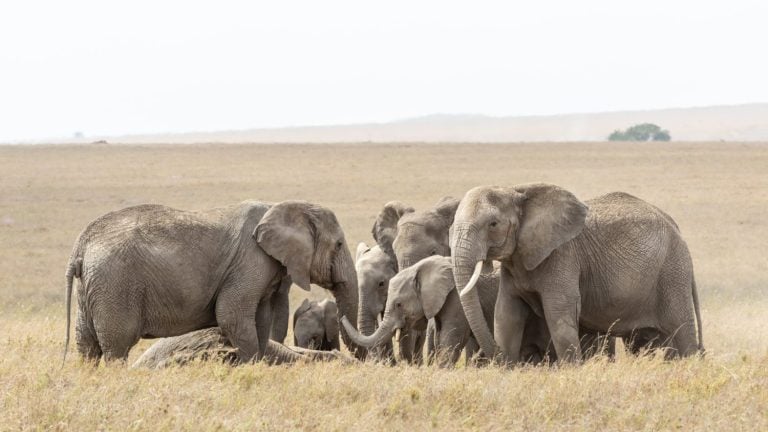
In most temperate ecosystems, winter means shutdown for arthropods. As temperatures drop below freezing, insects and spiders that can’t tolerate internal ice either go dormant, migrate, or hide in sheltered microhabitats until spring. Their predators—lady beetles, hoverflies, and many spiders—disappear along with them.
But perennial crops like apples and pears don’t get to take a season off, and neither do some of their worst pests. In European pear orchards, sap-sucking insects such as pear psyllids can start reproducing in the cold months, building populations that explode when the weather warms.
That’s where the Clubiona spiders come in. These small, pale sac spiders spend the day in silken retreats tucked under bark or inside cardboard wraps that growers sometimes strap around trunks. At night, and even on sub-zero days, they emerge to stalk whatever small arthropods are still foolish enough to be moving, including the pear psyllids. This makes the orchards a popular spot to find these arachnids.
Earlier field work had already shown that winter-active Clubiona can seriously dent psyllid numbers. The new study asked the obvious next question: how on earth are these spiders still functioning when the air around them is well below freezing?
Why freezing is deadly and why most spiders avoid it
Freezing can often cause extreme damage and cell death.
©Meyta/Shutterstock.com
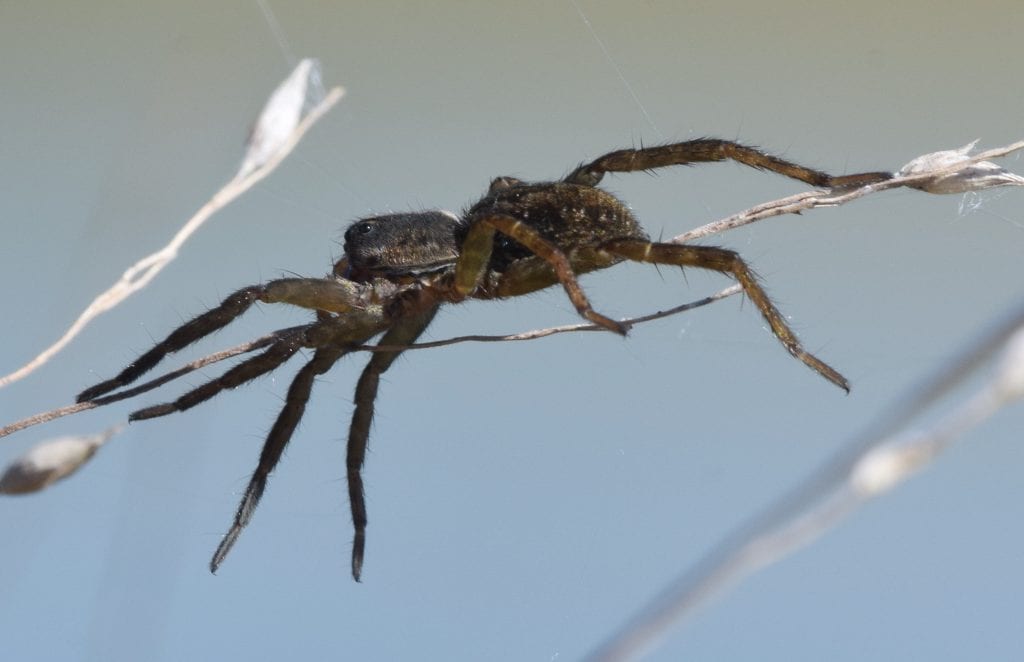
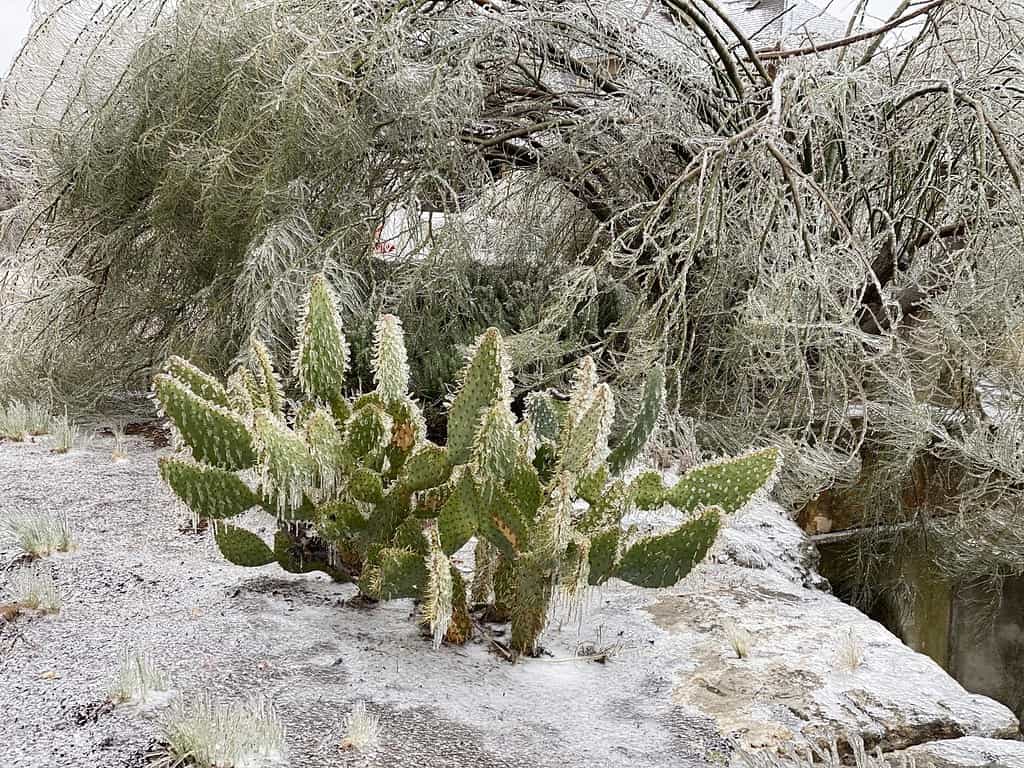
For an animal full of water, freezing isn’t just uncomfortable, it’s often fatal. When ice crystals form inside cells or in bodily fluids, they can puncture cell membranes, dehydrate tissues, and even disrupt delicate biochemical processes. Most arthropods deal with this by avoiding the coldest conditions altogether, hiding in insulated spots under leaf litter or snow, or by supercooling their body fluids so that ice crystals cannot form.
Winter-active species like Clubiona don’t have that luxury. They frequently walk directly on frozen bark and sometimes on ice itself. That exposure raises the risk of inoculative freezing, where ice forms on a surface or food item and then seeds ice growth inside the animal.
To cope, some cold-hardy animals synthesize special antifreeze compounds, such as glycerol and other sugars, which lower the freezing and melting points of their body fluids. But the really clever trick relies on something else entirely: antifreeze proteins.
What is spider antifreeze made of?
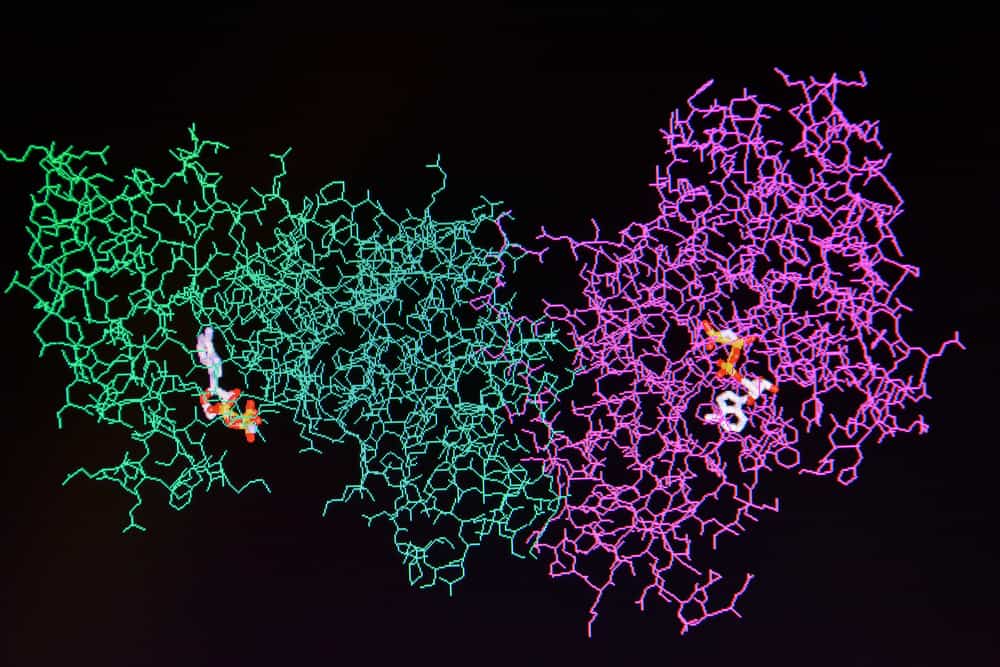
The antifreeze the Clubonia spiders use has special proteins in them.
©Sergei Drozd/Shutterstock.com
These special antifreeze proteins (AFPs) don’t work like salt on a sidewalk. They don’t just lower the freezing point by altering the liquid’s chemistry. Instead, they bind directly to tiny ice crystals, coating their surfaces and physically blocking further growth.
“The antifreeze proteins protect the spiders from freezing by binding to any tiny ice crystals that might form in the spider’s body,” the researchers explain. “When many antifreeze proteins bind to the ice crystal, they block its ability to grow to a size that would do damage.”
In the lab, the team collected Clubiona spiders from a pear orchard in the Czech Republic on days when temperatures were already below zero. They submerged individual spiders in buffer and used a specialized piece of equipment to watch what happened to microscopic ice crystals in the presence of spider proteins.
The results were striking. Even in a simple extract made from a single spider, the “antifreeze effect” was strong enough to stop ice from growing until the temperature dropped to a level near freezing. And even when the sample was heavily watered down, the effect barely weakened. That puts these spider antifreeze proteins in the “hyperactive” category, much more powerful than those found in most fish and plants.
Under the microscope, ice crystals in spider extract took on flat, hexagonal shapes and stubbornly refused to grow until the freezing point was pushed far lower. When growth finally resumed, ice exploded outward in dramatic dendritic patterns, a classic sign of powerful AFPs clamping down on crystal surfaces until they’re overwhelmed.
Getting proteins out of ice

The researchers were able to isolate and sequence the protein to find its genetic structure.
©angellodeco/Shutterstock.com
To figure out which proteins were doing the work, the team took advantage of a very convenient property: AFPs love to stick to ice. They used ice-affinity purification, repeatedly freezing part of a solution into a hollow ice shell and letting the antifreeze proteins migrate into the ice.
After several rounds, most of the other proteins remained in the liquid, while the antifreeze proteins were enriched in the melted ice. The purified fraction still showed strong antifreeze activity, confirming that the right molecules had been captured.
Other tests allowed the researchers to match the protein’s genetic structure to the spiders and to sequence its genetic code. They could also observe protein shapes and various forms through chemical reactions. Crucially, when they searched global protein databases, they found no close matches outside the Clubiona spiders themselves. These were not repurposed versions of known spider proteins; they were new, first-of-their-kind specialized antifreeze proteins.
“The observation that these antifreeze proteins resemble but are evolutionarily distinct from those in beetles, moths, and flies, shows that antifreeze proteins have evolved on many occasions and have convergently come up with a similar structure to bind to ice,” the researchers say.
As they point out, “A commonly cited example of convergent evolution is the independent evolution of wings in birds and bats for flight. For antifreeze proteins, the driving force was freezing temperatures, leading to the evolution of proteins with similar ice-binding surfaces.”
In other words, when nature faces the same problem—how to stop ice from growing inside bodies—it sometimes “invents” the same trick more than once.
The antifreeze proteins protect the spiders from freezing by binding to any tiny ice crystals that might form in the spider’s body.
Dr. Peter Davies and Laurie Graham of Queen’s University in Canada
Why are these winter-active spiders good news for farmers?
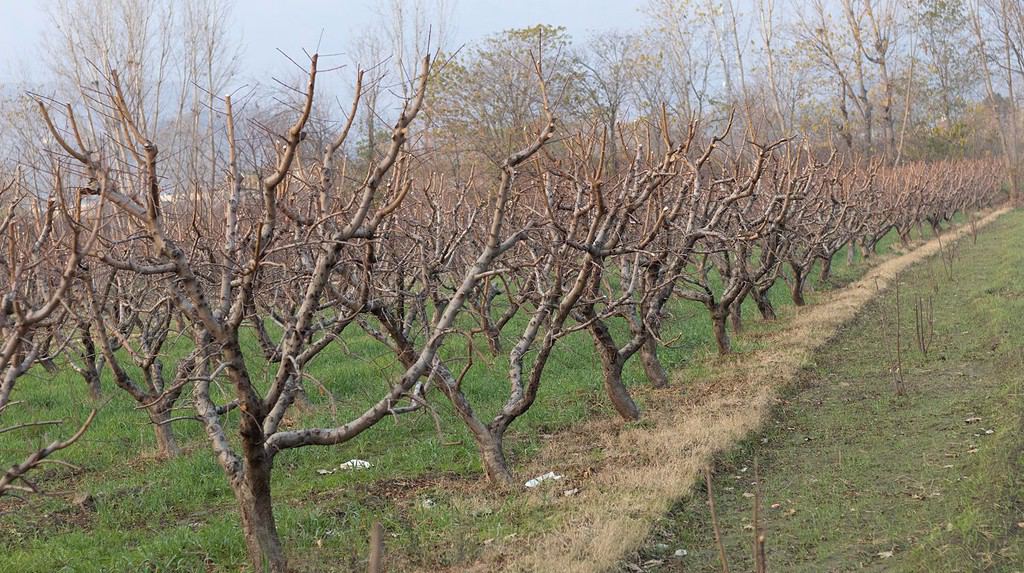
Clubonia spiders can act as a natural pest control for farmers.
©GreenThumbShots/Shutterstock.com
In perennial orchards, winter is a vulnerable time. Pests like pear psyllids tolerate cold well and can get a head start on the growing season. Chemical controls in winter can be costly and contribute to insecticide resistance, a growing problem in many agricultural systems.
Winter-active predators flip that script. Clubiona spiders continue hunting when most other natural enemies are gone, knocking back pest populations before spring.
The research team sees a clear takeaway for growers: “One way the fruit growers might benefit from the spiders is to provide them with additional habitat where they can shelter during the winter and breed successfully. Also, they should avoid using insecticides that might kill the spiders,” they say.
In practical terms, this could mean leaving or installing bark-like shelters or cardboard wraps on trunks where spiders can build their silk sacs, choosing pest control strategies and application timings that spare winter-active predators as much as possible, and managing orchards to support diverse arthropod communities throughout the year, not just in summer. If growers provide good winter housing and avoid eliminating these spiders with broad-spectrum sprays, Clubiona could function as a built-in, environmentally friendly, self-renewing pest control system, one that costs nothing and continues working even on frosty nights.
What else could antifreeze proteins be good for?

These antifreeze proteins could have some big implications in the world of medicine.
©Anusorn Nakdee/Shutterstock.com
Beyond their roles in nature and farming, antifreeze proteins are also fascinating from a biochemical perspective. These “hyperactive” antifreeze proteins could one day help make crops more frost-tolerant, protect cells, tissues, or foods stored at low temperatures, and keep biological samples stable during freezing and thawing. The spider proteins add to a growing toolkit of antifreeze strategies that evolved independently in different organisms, giving scientists more designs to study, compare, and potentially use. Because the proteins are secreted and have a distinctive folded shape that allows them to latch onto ice very efficiently, they may offer advantages over the antifreeze proteins from fish or plants that researchers and industry have already begun to explore.
Could other winter-resistant spiders exist?
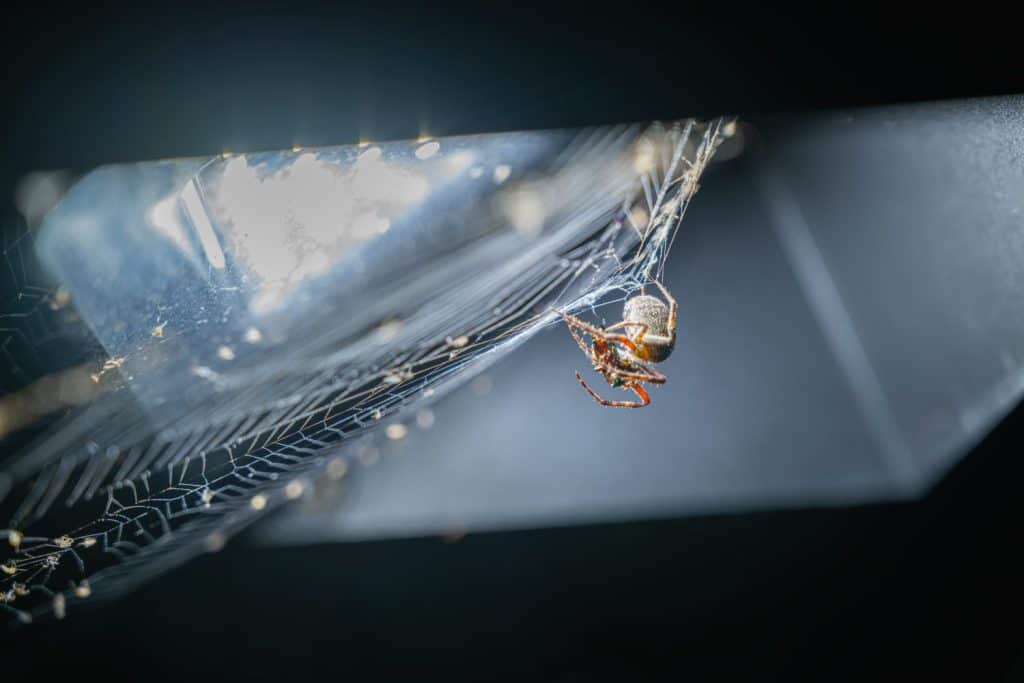
Could other spiders that use antifreeze be out there?
©twabian/Shutterstock.com
Researchers are not done studying these spiders, as this new data raises a larger question: are there other winter-active arachnids hiding similar biochemical tricks?
“One big question we are tackling is to see if there are other types of spiders that use antifreeze proteins to enable them to hunt pests in the winter,” the team explains. “If so, these too should be encouraged to colonize orchards and other places where pest-control is needed.”
That means future studies may scan other cold-season predators—different spider genera, maybe even winter-active insects—for their own versions of antifreeze. Each new species might reveal yet another way evolution has solved the same problem: staying liquid on a frozen night.