
Quick Take
- Male black swans break one of the most consistent rules in the bird world, and doing so actually makes their offspring stronger. See why males incubate →
- The way black swan parents split incubation duties follows a surprisingly structured schedule that most people wouldn't guess. Explore the incubation schedule →
- Black swans and white swans look different, but their most striking difference has nothing to do with feathers. Compare black and white swans →
- Black swan chicks get a form of parental protection after hatching that few other waterfowl species offer. See how chicks are protected →
In birds and waterfowl, it’s common for the female to incubate and care for the eggs while the males protect the nest and gather resources. However, black swans are a unique case where males are actively involved in the incubation process. While this is unusual for waterfowl, having both the male and female incubate the eggs increases the survival rates of the chicks. This Instagram post by @theblackswansisters shows a male swan incubating eggs, with some of them already hatching! Read here to learn more.
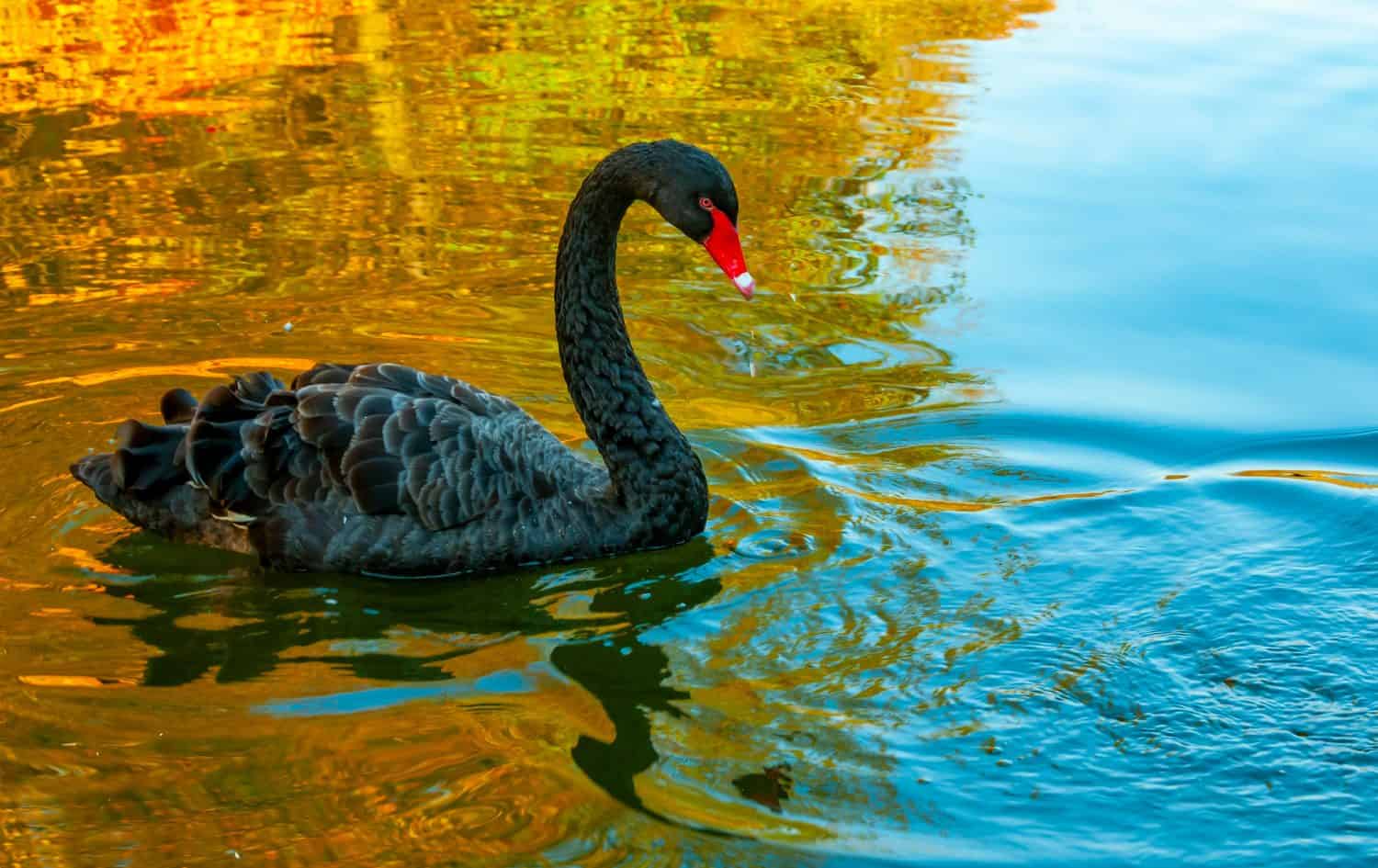
Black swans are somewhat of an anomaly amongst waterfowl, as males spend much more time incubating than other species.
©Oleg Kovtun Hydrobio/Shutterstock.com
Why Males Incubate Eggs
Black swans have a decently long incubation process that requires lots of attention from both parents. Spanning roughly 40 days, both males and females take turns in shifts incubating the eggs. Females typically lay clutches of about four to eight eggs. In addition to laying eggs, the female also helps build the nest, incubates the eggs, and raises the chicks. Interestingly enough, trends point to black swan males tending to incubate during the day, while the female incubates at night. So simply put, both parents share the responsibilities of the incubation process, including protecting the nest. Black swans are extremely territorial, especially while breeding, and aggressively chase away intruders. After the chicks hatch, both parents continue to protect them for months. This includes teaching them the best feeding spots, protecting them from predators, and letting them ride on their backs through difficult water. After about nine months, the young swans leave their families to start their own.
Black swans differ greatly from “white” swan species like the mute or trumpeter swan. While their plumage color is the most obvious difference, their origins and behaviors also vary significantly. For example, most white swan species are native to Europe, Asia, or North America. In contrast, black swans are native to Australia. Another major difference is their incubation behavior. As seen in the video, black swans are much more active in the incubation process. In most other swan species, the female performs most of the incubation, making this a unique and interesting behavior. This more equal divide in responsibilities helps to ensure a better survival rate for their chicks, highlighting what exceptional parents black swans are.