
Quick Take
- Chile’s Atacama Desert is one of the driest places on Earth.
- Scientists recently discovered that nematodes not only survive, but can reproduce even in the most extreme soil conditions of the Atacama.
- Nematodes in the most extreme portions of the Atacama evolved to reproduce asexually.
- These findings may help guide future studies on the resilience to climate change.
Scientists made a surprising wildlife discovery in the world’s driest desert. Tiny soil-dwelling nematodes are not just surviving but thriving high in the Chilean mountains.
The findings suggest that life in extreme habitats once thought inhospitable is not just possible, but perhaps far richer than anyone ever suspected.
What’s So Unique About the Atacama Desert?
The Atacama Desert is one of the driest places on the planet. Some weather stations situated within the Atacama have never recorded a single drop of rain. Even in areas of the Atacama that have seen rain, centuries-long droughts preceded these rain events.
The Atacama owes its extremely dry conditions to its location between two mountain ranges: the towering Andes Mountains and the Coast Range in northern Chile. The desert sits in the rain shadow of both ranges, which prevents rain from reaching the valley. The height of the mountains blocks incoming rain from ever reaching the desert valley in between.
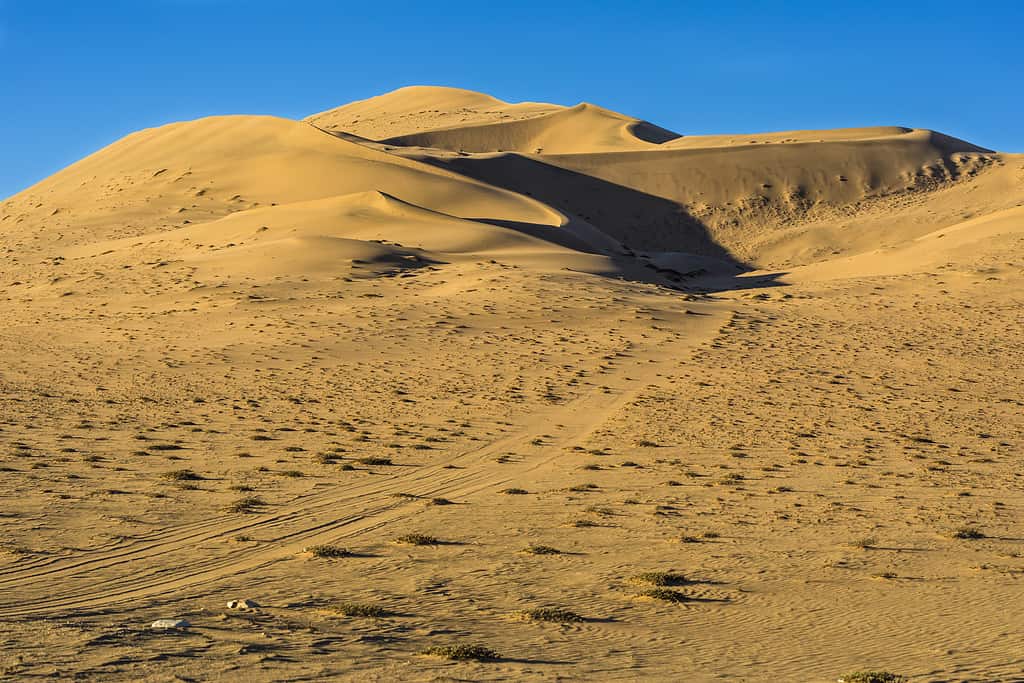
The Atacama Desert is one of the driest places on earth.
©abriendomundo/iStock via Getty Images
High salt levels in the soil also make the Atacama unique. The combination of the soil’s salty composition and extremely arid conditions creates very dry and oxidizing conditions in the core area of the Atacama. Those soil conditions are similar to soil samples taken from Mars. In fact, NASA uses the Atacama as a proving ground to test planetary rovers and life-detection instruments before sending the equipment to the Red Planet.
Adding extreme temperature swings to the mix makes it easy to see why the Atacama Desert is considered one of the most extreme environments on Earth. For decades, scientists thought the Atacama Desert soil was dead—until now.
The Species Surviving in the Atacama Desert
An international team of researchers, led by the University of Cologne, focused their attention on nematodes found in the soil of the hyper-arid Atacama Desert. The team is part of the Collaborative Research Centre 1222 “Earth-Evolution at the Dry Limit” initiative.
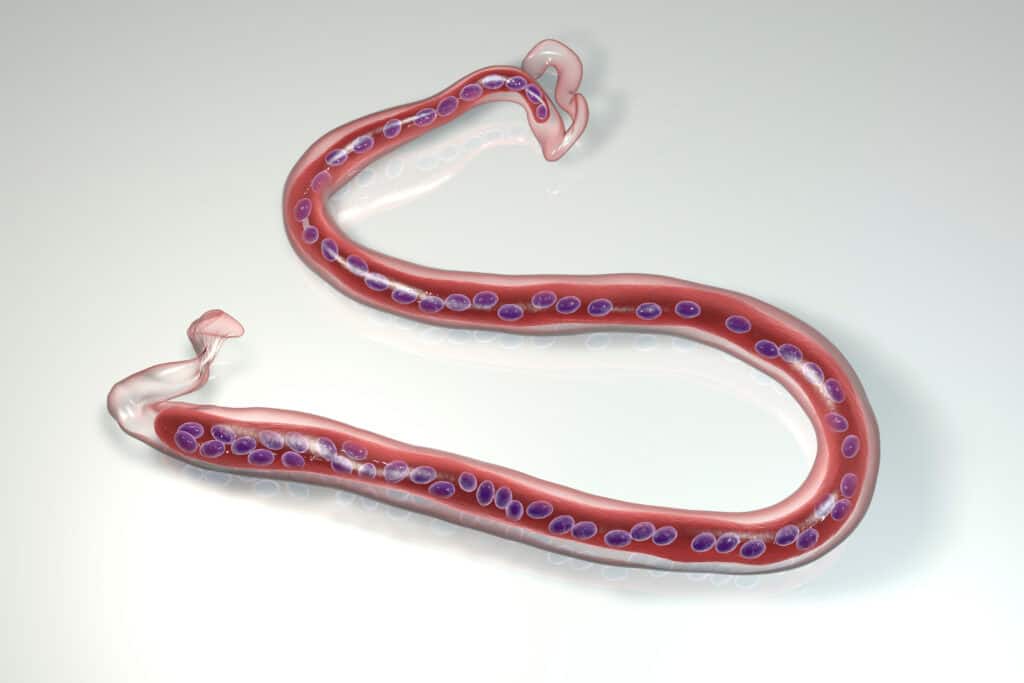
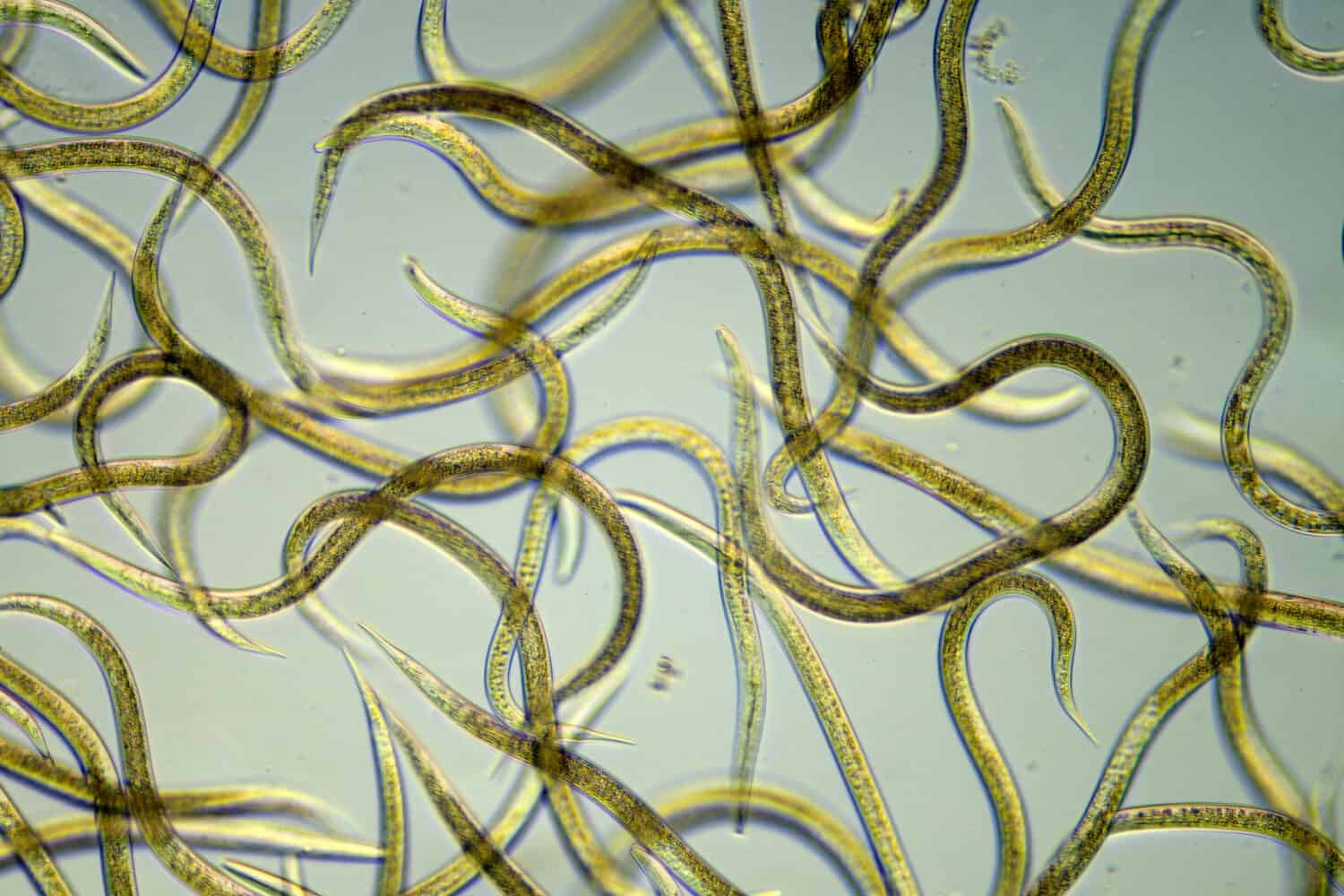
Researchers studied nematodes, a species critical to soil health.
©Kateryna Kon/Shutterstock.com
To determine how the extreme conditions of the Atacama influence biodiversity, the team focused on nematodes. Nematodes play an important role in maintaining ecological balance by helping to control bacteria and contributing to nutrient distribution. They also serve as indicators of soil health.
How Did the Researchers Conduct the Study?
The team studied 393 nematodes collected from six distinct regions across the Atacama Desert. The locations included Altiplano (ALT), Aroma (ARO), Eagle Point (EPT), Salar de Huasco and Laguna Grande (Salars), Paposo (PAP), and Totoral Dunes (TDT). ARO, EPT, and TDT are located within the core of the Atacama Desert, while the other locations are on the periphery of the core desert area..
The team took multiple soil samples from each area, then checked for nematode presence onsite. All seven locations produced nematodes. Soil samples were then taken to the laboratory for further study and DNA sequencing.
While researchers found thriving communities of nematodes in all locations studied, clear differences were present across locations.
What Did the Study Find?
Researchers determined that both the mode of reproduction and species biodiversity changed based on two factors: elevation and moisture. Their findings were published the scientific journal Nature Communications.
One notable finding was that at higher elevations, where water becomes scarce or non-existent, nematodes reproduced asexually. Specifically, as altitude increased, so did asexual reproduction. While the idea of asexual reproduction had long been believed to play a role in a species’ survival in extreme climates, this study was the first to support that theory.
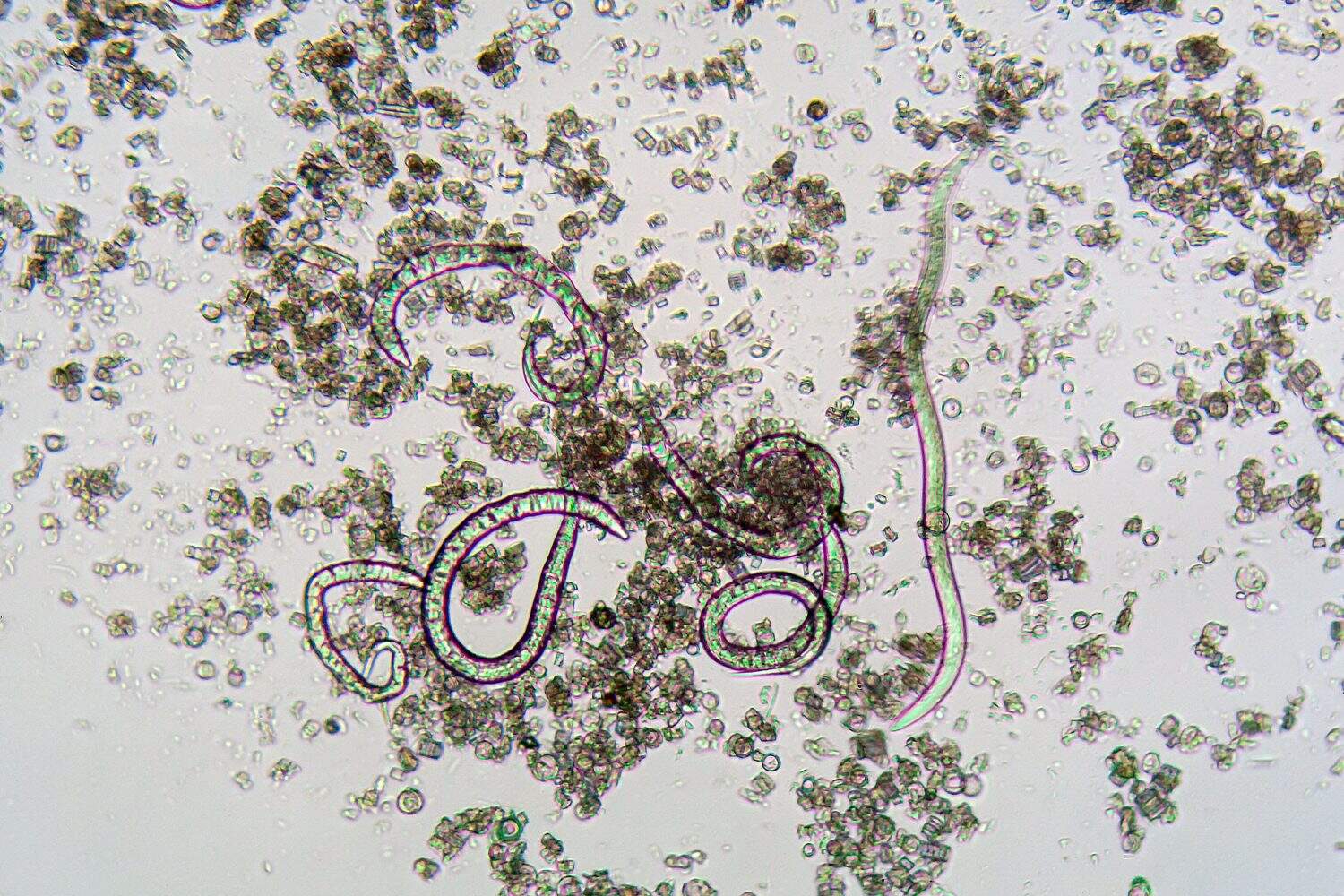
Researchers studied nematodes in the lab and conducted DNA sequencing.
©ChWeiss/Shutterstock.com
Another finding was that diverse nematode populations thrived in areas that received more rainfall and diminished as access to water decreased. However, even as population diversity diminished, nematodes were still able to survive and reproduce in the most inhospitable soil conditions.
What This Discovery Means Relative to Climate Change
The most significant finding from the study is that stable soil ecosystems can exist even when environmental conditions appear too harsh to support life. Researchers believe their findings can be extrapolated to other arid regions of the world.
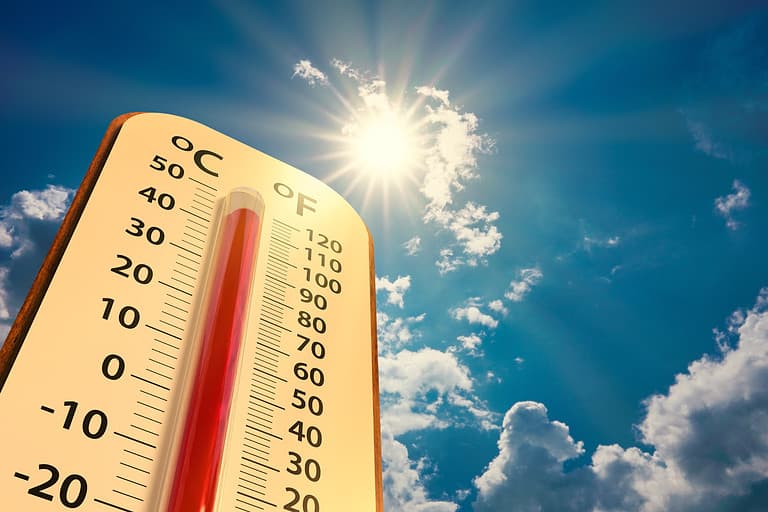
According to the study, dry lands cover about 40 percent of the Earth’s land surface. These areas are projected to become even more arid as a result of climate change. Researchers point to changes already occurring, including soil erosion, acidification, and salinization, which have already impacted more than 12 percent of these dry lands.

Dry lands cover about 40 percent of the Earth’s surface.
©D-VISIONS/Shutterstock.com
Researchers hope that a better understanding of soil biodiversity and species distribution in desert environments can serve as a model for further studies related to soil ecosystem resilience worldwide.
However, these findings come with a caveat: if an area’s ecosystem is already damaged, it may not be able to withstand additional environmental stress.