
Quick Take
- Scientists warn that the next 20 years are critical for protecting biodiversity in Britain.
- Climate change and land-use shifts could drive major declines in plants, birds, and butterflies.
- Conservation efforts and policy changes could still reduce extinction risks and protect vulnerable species.
The next 20 years are crucial for biodiversity in Britain. The UK, as one of the most nature-depleted locations on the planet, has some stark choices ahead of it. A notable potential future casualty is the Merlin, the country’s smallest bird of prey. But they are by no means the only species in danger. New research into future scenarios for biodiversity in Britain serves as a timely reminder that the opportunity for action will soon pass.
Why Have Scientists Modelled Biodiversity Scenarios in Britain?
Climate change and land-use change have a major impact on biodiversity. These factors, however, are in flux. We cannot rely on historical data alone to predict the future. We need accurate biodiversity projections to improve our understanding of emerging and potential future outcomes.
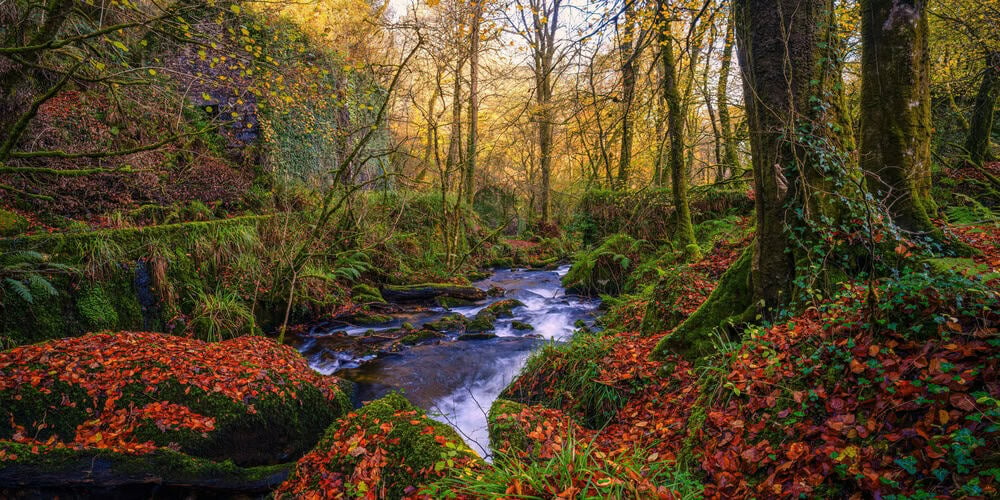
Mixed woodland habitats are crucial for UK biodiversity.
©Paul Nash/Shutterstock.com
Scenario modelling is a useful methodology for generating quantitative estimates of the future trends in biodiversity. In short, it tells us which species may decline and by how much. However, this method is complex because it must consider the intricate interconnections between society, the environment, and biological systems.
Worst-Case Biodiversity Scenarios for Britain
The ‘high-end’ climate change scenario with high fossil fuel use and a reversal of beneficial climate policies paints a bleak picture. Under this scenario, 196 of Britain’s current native plant species will be driven towards extinction. The same is predicted for seven butterfly species and 31 bird species. This scenario features high-end climate change combined with very high levels of agricultural intensification, widespread urban expansion, and increased pollution.
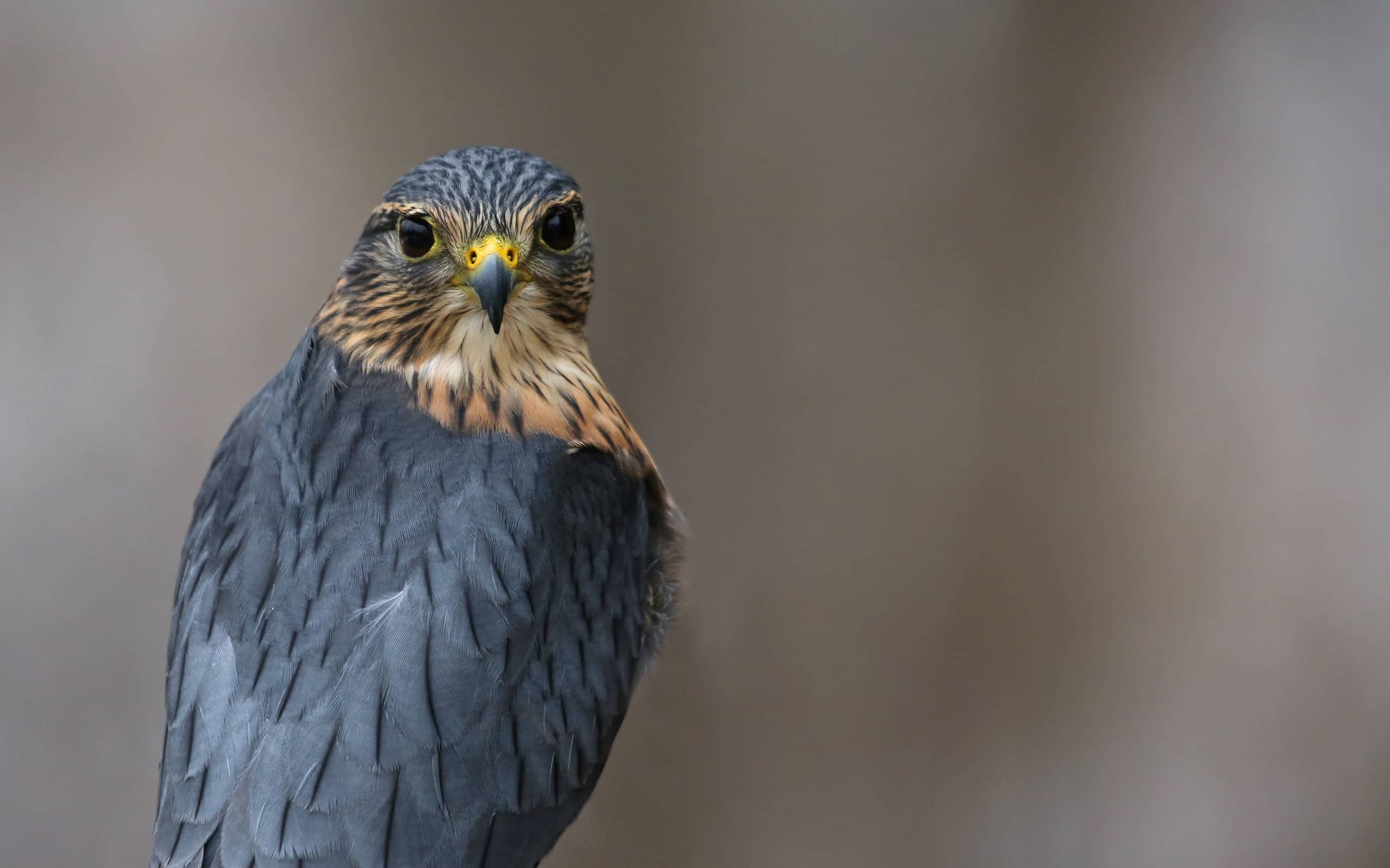
One of the threatened birds is the Merlin (Falco columbarius), the UK’s smallest bird of prey. These compact and stocky falcons breed in the uplands of northern and south-west England, as well as in parts of Scotland, Wales, and Northern Ireland. There are currently between 900 and 1,500 breeding pairs in the UK, according to the Royal Society for the Protection of Birds.
Remaining Hope for UK Wildlife
The picture is not entirely negative. The research found that extinction levels could be reduced if changes were made. These include an increase in mixed woodland and a decrease in intensive pasture area due to a drop in meat and milk demand. Stronger international commitments to emissions reductions are also vital. Although it may be too late for some UK wildlife, there is still hope for other species. The next 20 years are crucial to mitigating the worst effects of climate and land-use change for biodiversity in Britain.