
Quick Take
- Poachers once had every advantage over rangers, but a single design rule changed the entire equation. See how TrailGuard works →
- The camera can't see much, but it knows the difference between a tiger, a branch, and a poacher. That distinction saves lives. Watch AI tell threats apart →
- The same system built to stop poachers in the Serengeti now does something rangers never expected it to do. Trace the system's evolution →
- Even the most advanced AI in the field can fail, and experts say there is one thing no algorithm can replace that is the real reason these systems work. Discover what AI can't replace →
Poachers once held a huge advantage over wildlife rangers. They moved quietly and struck under the cover of darkness while rangers patrolled vast parks with limited staff and old-school tools. Today, artificial intelligence helps flip that script. New AI-powered cameras, sensors, and drones spot threats in real time. They give rangers precious minutes to stop poachers and keep endangered animals alive.
Eric Dinerstein is an American conservation biologist known for his work on global biodiversity protection and for helping shape strategies like the Global Deal for Nature. He has spent decades with organizations such as the World Wildlife Fund and RESOLVE, where he has led efforts to develop technologies like TrailGuard AI to combat poaching and protect endangered wildlife.
As the technology was being developed in 2018, Dinerstein explained in an interview, “Our framework is that anything we devise technology-wise has to be cheap, durable, easy-to-use, efficient, and low-power. Or else it won’t be used or it won’t scale. It had to be all of those things.” And he goes on to explain what happens if not: “If you’re missing even one of those things, then it’s going to sit on a shelf in the market and not get used, or get used just once. And we see too much of that.”
Eyes in the Forest: TrailGuard AI
As a result of that vision, in many African and Asian parks, rangers now rely on a tiny, camouflaged camera system called TrailGuard AI to monitor remote trails used by poachers. Developed by the nonprofit RESOLVE with support from tech partners, the device hides in vegetation and uses a motion-triggered camera and onboard AI chip to distinguish between animals, people, and vehicles, even at night. When it detects a person or truck, it selects key images and sends them over cellular, radio, or satellite networks to rangers in under two minutes, allowing teams to respond before harm occurs.
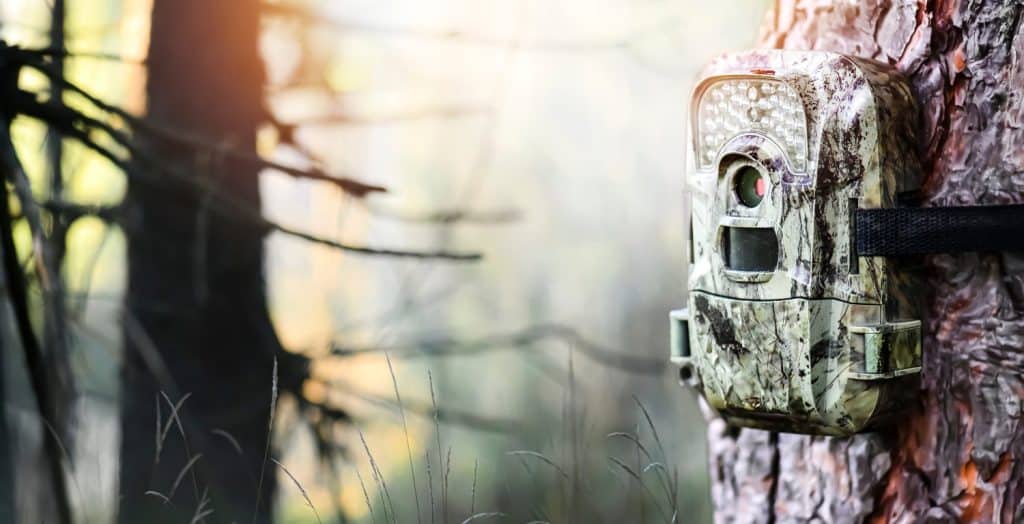
Camouflaged trail cams help wildlife officials stay ahead of poachers.
©Krasula/Shutterstock.com
How Smart Cameras Learn to Spot Poachers
Behind each alert, engineers and conservation biologists train TrailGuard AI using thousands of labeled images of animals, people, and vehicles from different environments. With computer vision and convolutional neural networks, the system learns to recognize patterns like human shapes, vehicles, or even weapons, allowing it to flag suspicious movement while ignoring harmless triggers like wind-blown branches. Because the AI runs directly on the device, it filters most images locally and only sends important ones. This saves battery power, reduces data costs, and allows the system to continue working in areas with weak or unreliable internet.
An Integrated Approach
Dinerstein explains in a 2025 interview how TrailGuard AI is part of an integrated strategy for protecting wildlife by providing useful data to guide international policymaking. He says, “We’re creating an Iconic Species Index for each country, tracking key species in large landscapes.” Dinerstein says the value of such an index is clear when you consider the specific elements of the project, including:
- Closely monitoring a subset of species in a large landscape, across multiple landscapes in a country.
- Obtaining population trajectories that can be translated into an easy-to-understand Index like the Consumer Price Index.
- Adding an annual evaluation of the management interventions required to restore those populations.
These elements make the index a “critical metric to evaluate a country’s contribution to the Global Biodiversity Framework.” And using new technology to gather that data is central to the strategy, he says: “To monitor those species, I’m working on trying to scale our state-of-the-art AI-embedded camera-alert system called ‘TrailGuard AI’ to prevent poaching and promote human-wildlife coexistence.”
Protecting Tigers and Elephants in Asia
The same technology now helps protect vulnerable animals like tigers and elephants in India and Nepal. In key tiger landscapes, TrailGuard AI is deployed along forest paths and village edges to detect both big cats and people who might harm them, using models trained to recognize tigers by their shape and stripes as well as humans and vehicles in restricted areas. These real-time alerts help managers respond quickly, reduce conflict, and track potential poachers before they can harm wildlife.
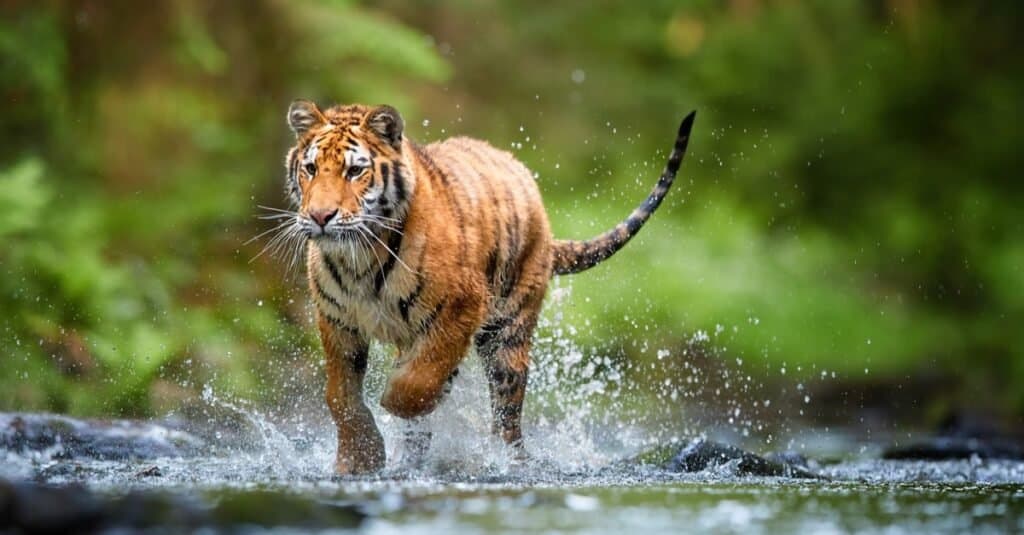
Tigers are one of the species getting better protection with the help of AI tech.
©Martin Mecnarowski/Shutterstock.com
From Serengeti Trails to River Boats
TrailGuard AI began in Tanzania’s Serengeti as simple motion-triggered cameras that sent every image to rangers, who then had to sift through large numbers of photos of animals and moving vegetation. As AI models improved, the system evolved to automatically recognize meaningful targets in diverse environments, such as African savannas, Indonesian rainforests, and tiger reserves in India and Nepal. Today, the same core hardware supports tools like RiverGuard AI and ForestGuard AI, allowing parks and communities to tailor detection to threats such as illegal fishing, logging, or poaching.
Drones That Patrol the Skies
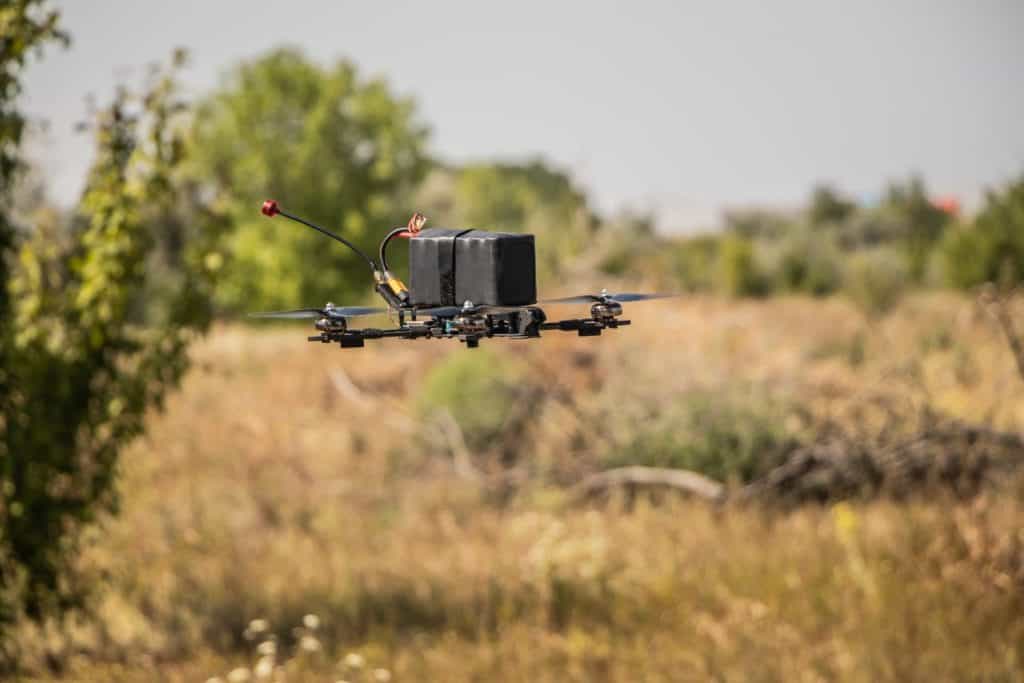
Various types of drones can be useful tools for protecting wild spaces.
©Kosmos_kom/Shutterstock.com
AI-guided drones now patrol above some of the world’s most targeted parks, working alongside hidden cameras on the ground. In South Africa’s Kruger National Park, drones with thermal cameras help rangers spot people along rhino-poaching routes, often at night. Because they can cover rough terrain quickly and scan large areas, they act as key partners to ground teams, especially when paired with AI that highlights heat signatures or unusual movement for faster response.
Smart Data and the Bigger Anti-Poaching Picture
AI tools do more than catch poachers in the act. They help planners understand patterns over time by combining data from patrols, surveys, and sensors like TrailGuard AI, allowing them to map where threats are most severe. By identifying these hot spots, managers can place cameras, schedule drone flights, and focus ranger teams, ensuring they do not waste effort on low-risk areas. This type of conservation intelligence makes it easier to adapt as poachers change tactics, such as shifting routes or adopting new tools.
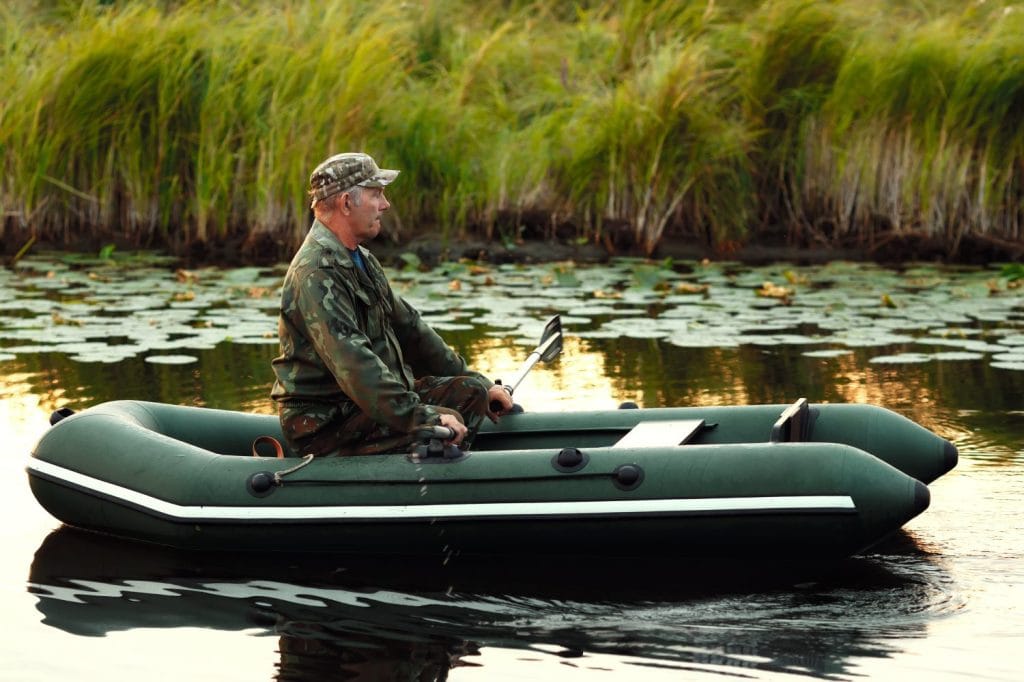
Poachers are constantly changing tactics. Technology can help law enforcement keep up with their activities.
©PakulinSergei/Shutterstock.com
Challenges, Limits, and Human Partners
Even the smartest tech has limits in the field. Camera traps can fail when batteries die, antennas break, or animals knock them down. AI can also struggle with heavy rain, dense foliage, or unfamiliar clothing and vehicles. Many parks face basic challenges like weak cell coverage and limited budgets for devices, data, and training. Experts say AI can boost efficiency, but cannot replace skilled rangers or the value of local knowledge. The use of AI also raises concerns about privacy and trust, which require clear rules and community cooperation.
What’s Next for AI Wildlife Tech?
Developers are expanding AI tools to make them more flexible for conservation. New TrailGuard AI units now include stereo microphones and acoustic AI, allowing them to detect gunshots, chainsaws, and animal calls alongside images. RESOLVE and partners are also testing AI models, sensors, drones, and satellite systems to monitor forests, track wildlife, and detect illegal activity. As these tools become more affordable and durable, they could become standard equipment for rangers worldwide, rather than being limited to experimental use.
A Smarter Shield for Wildlife
Every time a hidden camera or humming drone sends a real-time alert, rangers gain a small but crucial head start in the race to reach animals before poachers do. When teams combine technology with strong laws, community support, and traditional field skills, protected areas become smarter and safer zones for wildlife. As AI continues to improve, many conservationists hope that future generations will know elephants, tigers, and rhinos not as stories of loss but as examples of how technology and human determination can work together to protect life on Earth.