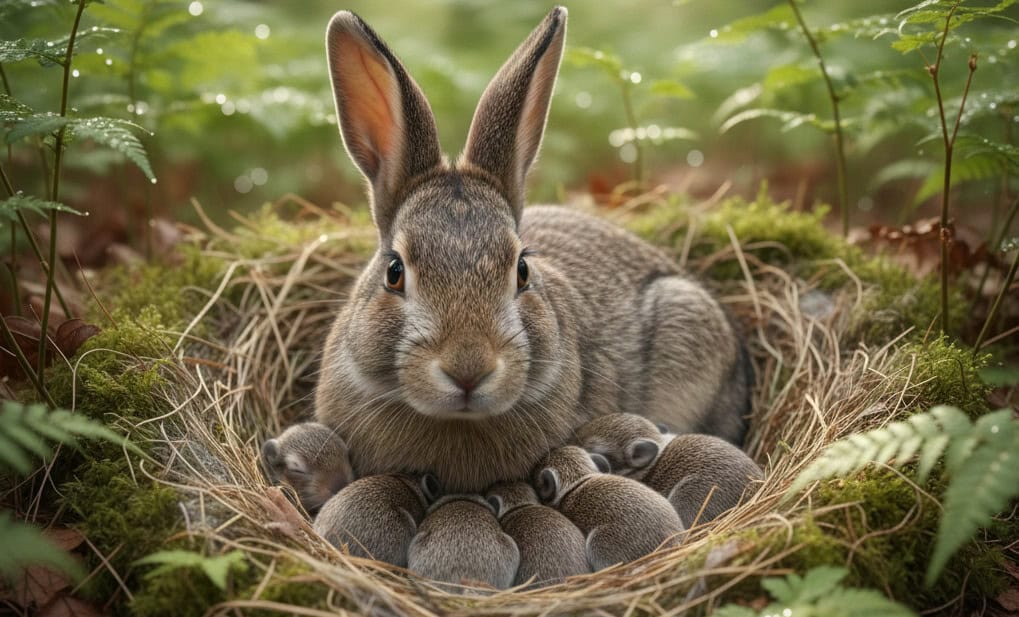

Quick Take
- Ensuring newborn survival requires offspring to remain in undetectable nests for 4 weeks.
- Limiting contact to 1 or 2 sessions daily creates security and nutritional challenges.
- Abandoning the den and its blind inhabitants is an intelligent strategy.
- The mother must execute a sealing process to mitigate predatory detection risks.
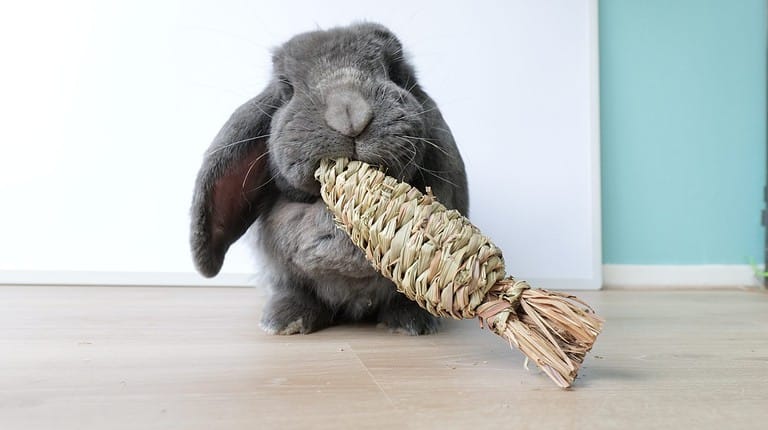
Rabbits make amazing pets, but in the wild, they are intelligent and cunning animals. As mothers, they go to great lengths to ensure their babies’ safety, which highlights their intelligence. One such measure is that the mother covers her babies in a nest or den to keep them safe from predators. She does not literally bury them underground, but rather seals the entrance to the nest to conceal them. This Instagaram post by @lookintonature shows a mother rabbit digging her babies out before hiding them again. Read here to learn more about this amazing behavior!
Bunnies Hidden in Plain Sight
Many rabbit species cover their babies in nests with fur, grass, or other materials to hide them from predators, though the specific nesting behavior varies by species. Unlike other animals that keep their babies with them at all times, bunnies leave their babies while they go about their normal routine to provide for them. After the mother gives birth in a shallow nest underground, she covers the nest with soil or grass, hiding the babies not only from view but also masking their scent and heat. Mother rabbits usually visit the nest once or twice a day to feed their babies, uncovering the entrance and then covering it again to keep the nest hidden from predators. This is extremely important for the babies’ safety. Since rabbits are prey animals with a variety of predators, burying their babies in practically undetectable nests helps to ensure they grow strong. After around three to four weeks, the babies will finally leave the nest to start living on their own.
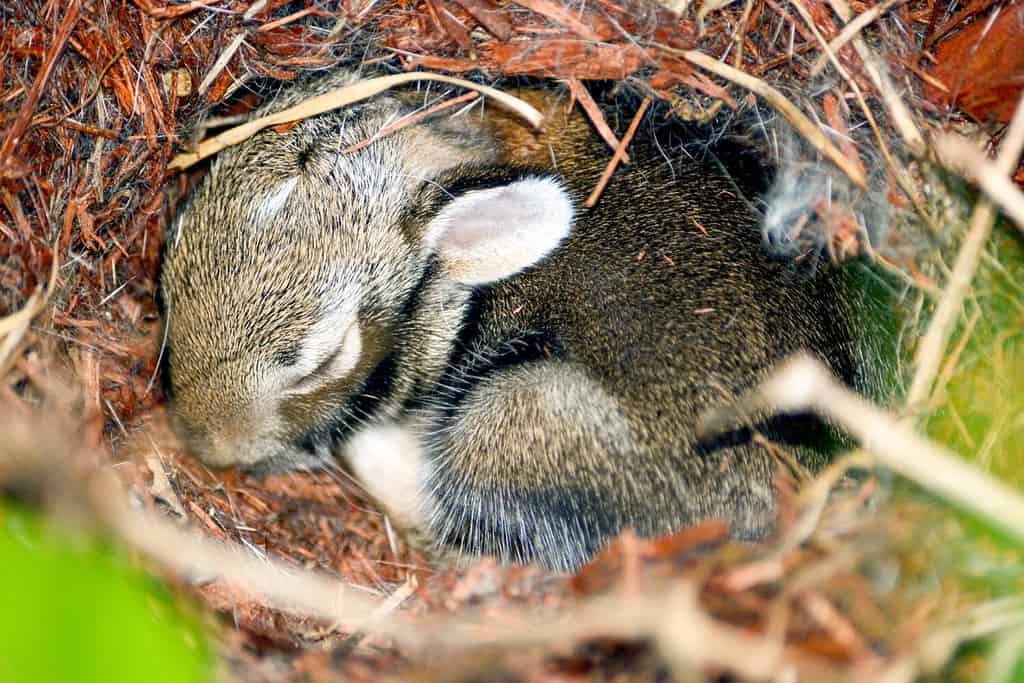
If you’ve never seen a baby bunny nest, that’s by design.
©Jerry Morse/Shutterstock.com
Some examples of species that cover or hide their babies include cottontails and European rabbits. While wild rabbits and domestic rabbits kept in naturalistic outdoor settings may dig burrows and cover their young, most pet rabbits kept indoors or in hutches build nests with fur and hay rather than burying their babies underground. Although it might seem dangerous for the babies—particularly regarding potential issues with getting enough oxygen—the nests are not airtight. The mother makes sure to loosely pack the soil at the entrance, ensuring there is plenty of air available. The use of grass and other plants also helps keep the air fresh and the babies healthy.
Baby bunnies are born blind and hairless, so the mother leaves some of her own fur to insulate the nest. After about a week, their eyes will open, and they will start exploring around the nest. By three to four weeks, they can leave the nest and are fully independent. The brief period that the babies and their mother spend together is important for their development and is also an adorable sight to witness.