
Quick Take
- Invertebrates aren't the real heroes of forest soil. Large mammals play a surprisingly powerful role that most scientists overlooked until now. Explore mammal soil roles →
- When researchers fenced large mammals out of sections of Brazil's Atlantic Forest for 14 years, what changed in the soil shocked them. See the exclusion experiment →
- Large peccary herds reshape the forest floor through rooting, trampling, wallowing, and waste—not just through what they eat. How peccaries reshape soil →
- Losing these mammals doesn't just mean empty forests. It could quietly collapse the soil system that underpins all tropical life. See the ecological stakes →
If you think that soil health depends only on the plants and decomposers (like slugs and worms) that live in it, think again. Fascinating new research from Brazil has indicated that large animals, including deer and tapirs, make a significant contribution to maintaining soil health and fertility. If we needed any further reasons to protect these larger forest-dwellers, this is it!
Continue reading
Why Soil Matters
Soil is a mixture of organic and mineral matter, as well as water, air, and microorganisms. The minerals come mostly from bedrock, which is broken down into tiny particles over many years by physical, chemical, and biological processes. The organic matter comes from the plants and animals that live on or in the soil.
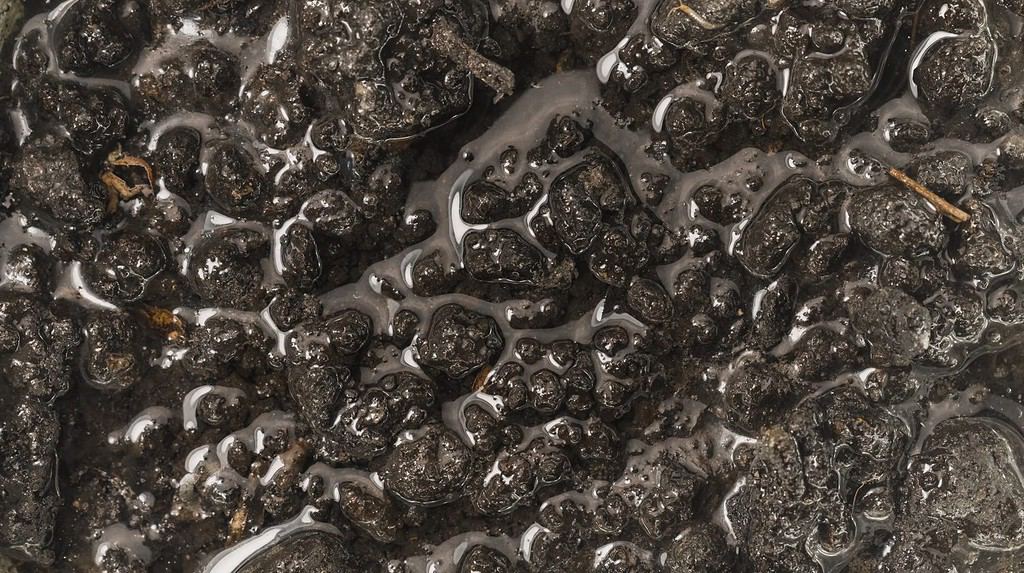
Soil is essential for terrestrial life.
©SvedOliver/Shutterstock.com
It’s impossible to overstate the ecological importance of soil. It is the foundation of biological diversity on land. Soil health is dictated by a complex set of biogeochemical processes that link what happens above and below ground.
Nutrient flow is at the heart of these processes. While plant-soil feedback and soil invertebrates are important, the role of larger animals is often overlooked.
Larger Mammals and Soil Health
Researchers increasingly recognize that larger mammals contribute to nutrient cycling. They contribute through their feces, the decomposition of their carcasses, and by physically altering the soil as they trample or burrow. This is called zoogeochemistry, and it has been studied in open African savanna and temperate and boreal forest habitats. However, it has not been studied in detail in tropical forests.
In tropical forest habitats, herbivores eat plants and therefore alter the chemical composition of the vegetation that is left to create litter on the forest floor. What’s more, tropical soils support the highest biodiversity on Earth. This provides a compelling reason to study these processes further.
Studying How Mammals Affect Soil Health
A team of researchers, led by scientists from the Center for Research on Biodiversity Dynamics and Climate Change (CBioClima) at the Biosciences Institute, São Paulo State University in Brazil, conducted a long-term (14-year) mammal exclusion experiment in the Atlantic Forest of Brazil. They compared soil and leaf litter samples taken from areas where animals roam freely with samples collected from fenced-off areas.
The work revealed substantial differences between the two sets of samples. Areas where the mammals resided were less acidic, and aluminum levels (which are harmful to plants) were reduced. Aluminum levels are related to pH and calcium. Ultimately, the presence of large mammals made the soil more fertile. While the influence of ground-dwelling mammals is more limited than that of seasonality and environmental heterogeneity, it remains ecologically significant.
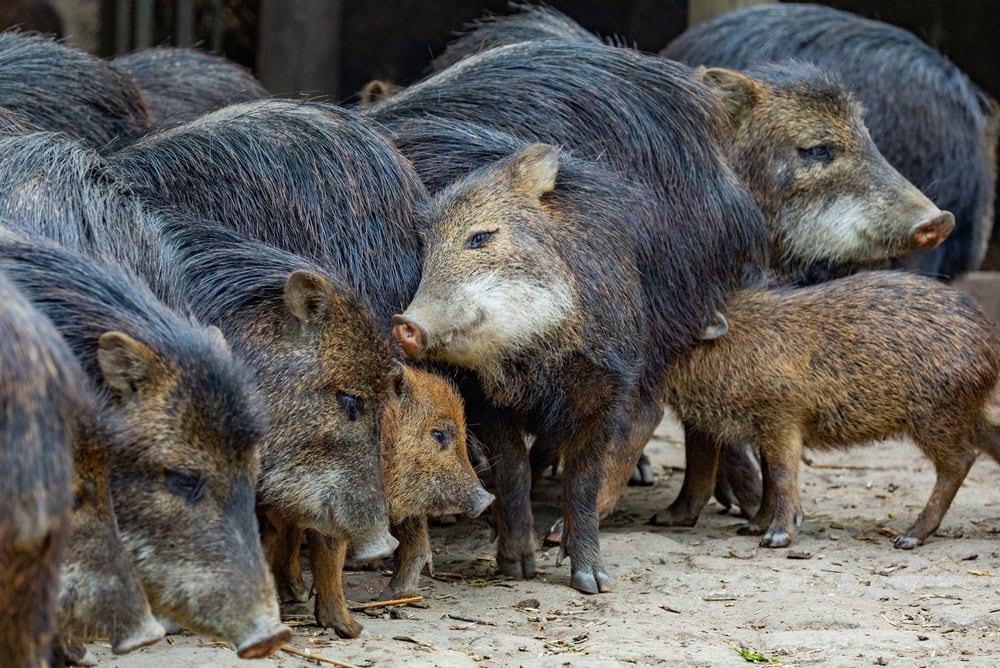
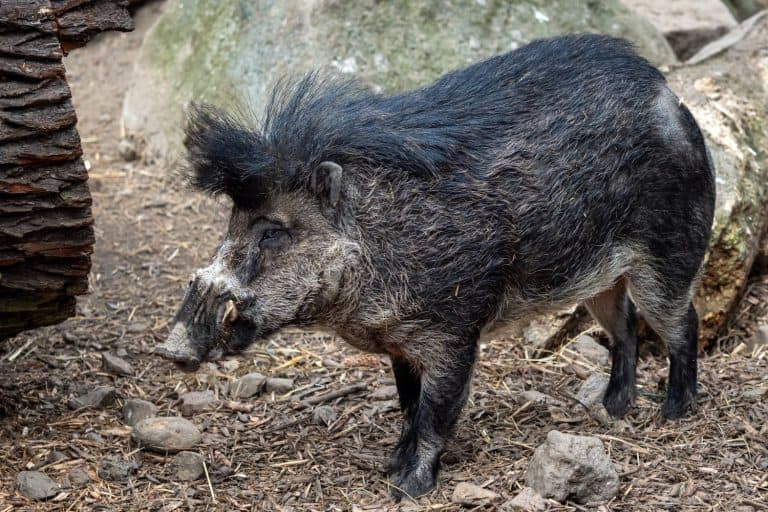
Groups of white-lipped peccary mix leaf litter with soil.
©Elen Marlen/Shutterstock.com
When mammals are present, leaf litter is more diverse. This is probably because the mammals fragment and redistribute the litter. One of the animals observed in the study area was the white-lipped peccary (Tayassu pecari). They live in groups of over 100 individuals, all of whom root up soil, eat plants, defecate and urinate, and create wallows! It’s not surprising that they break down litter into small pieces, aiding decomposer colonies and speeding up nutrient recycling. Additionally, pacas (Cuniculus paca) forage for seeds, as do rodents and marsupials.
How Mammals Alter Soil Chemistry
Areas occupied by large mammals have litter with higher potassium levels. This may be connected with mammals trampling and foraging. Also, soil pH was higher. Several mechanisms may explain this, but one is called bioturbation. This is where animals physically move soil to search for food and water or to find shelter underground. This process makes soil more porous, increases its air content, and mixes organic matter from the top layers. In this study, the animals contributing to this process included the white-lipped peccary, the giant anteater (Myrmecophaga tridactyla), armadillos (Cabassous sp.), pacas, and small rodents.
Why This Matters So Much
Around 63 percent of mammal species inhabit tropical forests. Both animal and plant life in these habitats are under threat. The loss of animals (defaunation) significantly affects larger herbivores. In these habitats, the large mammals are mainly frugivores, which means that they eat fruit and therefore act as seed dispersers. Experts predict that the loss of the white-lipped peccary and the lowland tapir (Tapirus terrestris) will reduce the large-seeded canopy trees by over 70 percent in tropical rainforests.
This study shows that these large mammals also transform the litter and soil. However, this is strongly influenced by seasonal patterns. Also, the changes are likely down to the short-term effects of foraging and bioturbation rather than changing which plants grow there.
Large mammals may accelerate nutrient cycling in tropical forests, making it even more important to protect these threatened species. If we don’t, defaunation could trigger cascading effects that damage one of the most biodiverse terrestrial ecosystems on Earth.