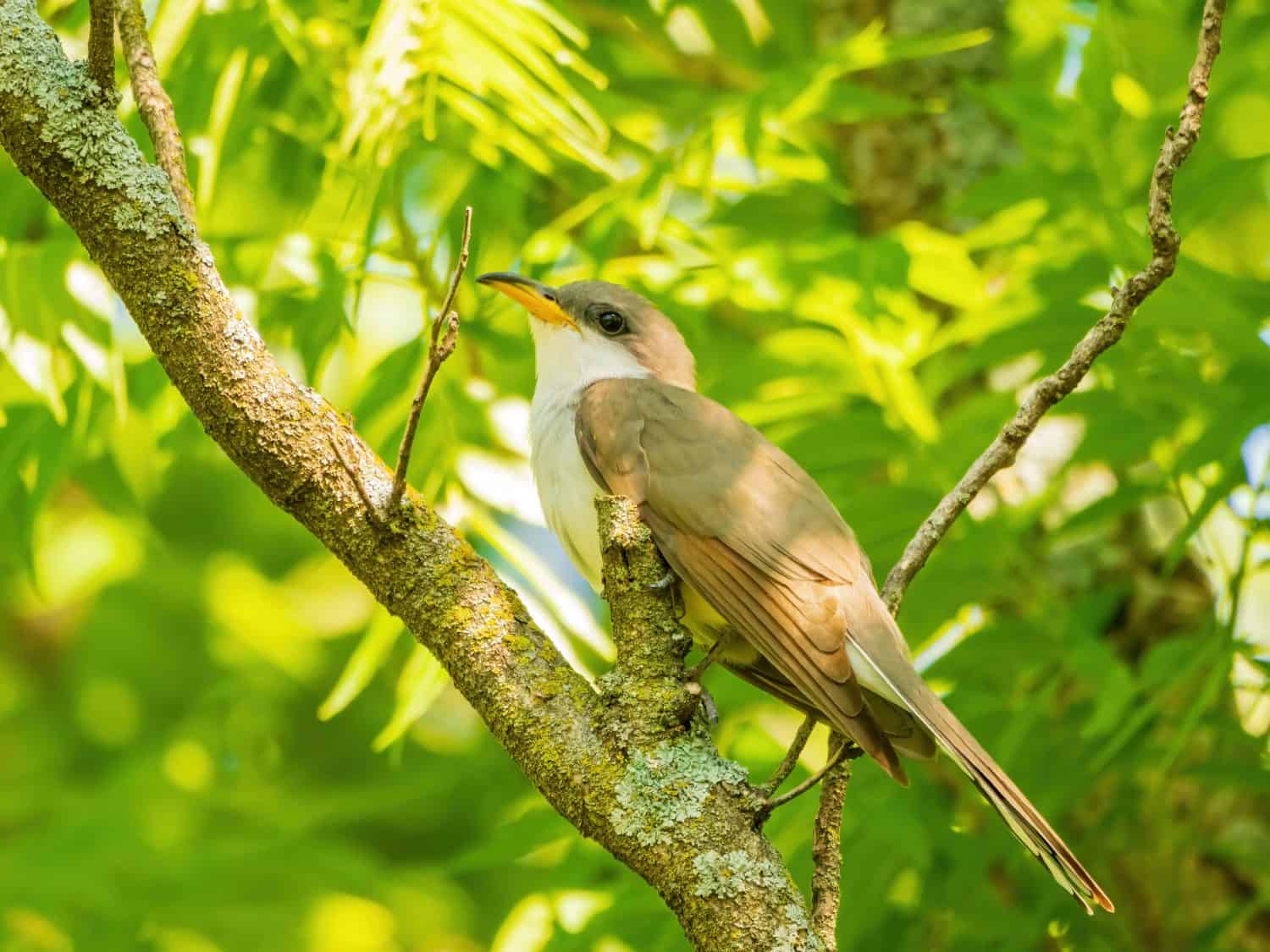

Brood parasitism is a strange behavior that makes you question the parenting practices of some species. One species that practices brood parasitism is the cuckoo bird. By laying their eggs in another bird’s nest, cuckoos effectively relinquish their parental responsibilities. The YouTube Short by @1MinuteAnimals shows this behavior in action. Continue reading to learn more about the brood parasitism of cuckoo birds.
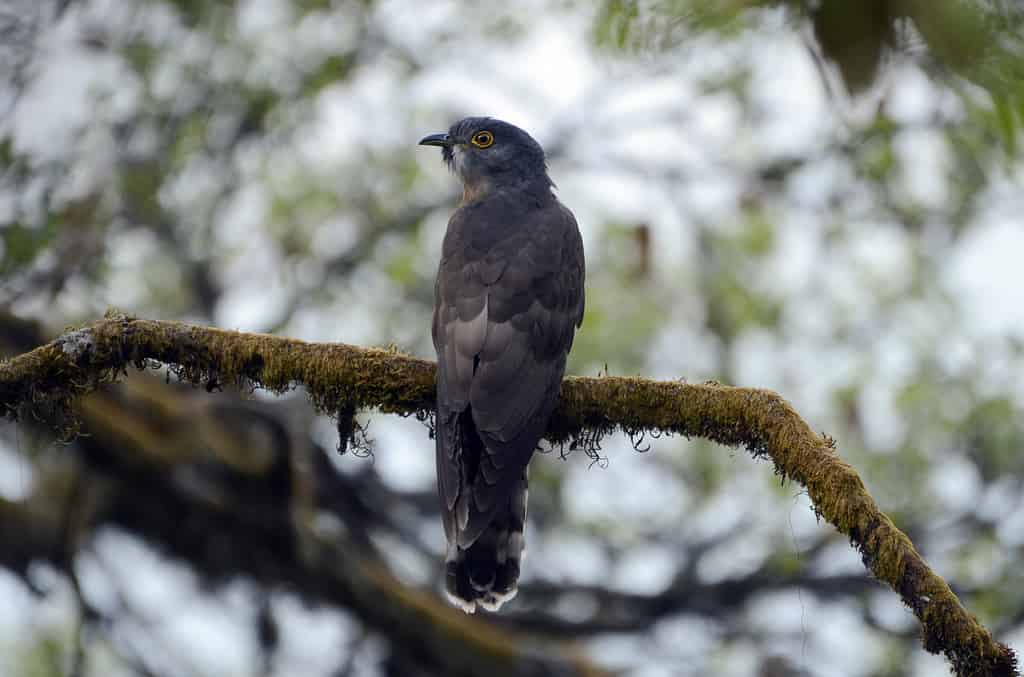
About 40% of all cuckoo species are brood parasites.
What Is Brood Parasitism?
Brood parasitism is the act of a bird laying its eggs in the nest of another bird. As the eggs hatch, the responsibility of rearing the chick suddenly falls on the host parents. Cuckoos and cowbirds are among the most common bird species to practice brood parasitism, with some duck species also exhibiting this behavior. Given the amount of energy and resources required to raise a chick, outsourcing this responsibility to other birds helps ensure the cuckoo’s survival. They save energy by not having to build nests, incubate eggs, or feed chicks after they hatch. While this parasitism is deceitful and sometimes leads to the death of the host birds’ own chicks, cuckoos have evolved this strategy as essential for the survival of their own offspring.
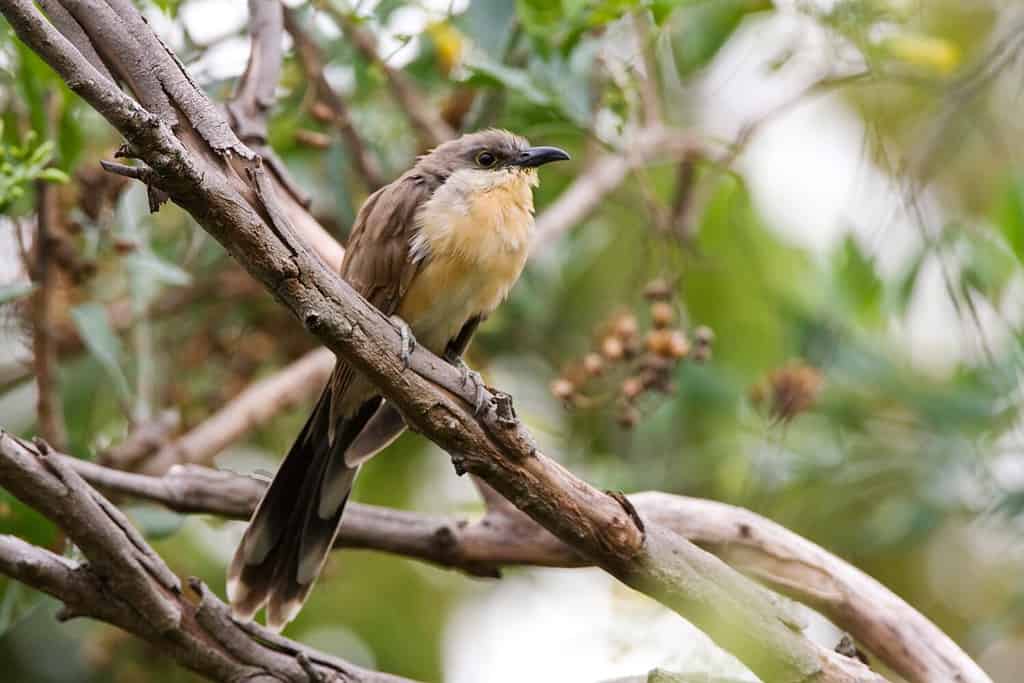
Cuckoos outsource chick-rearing to conserve energy.
©Traveller MG/Shutterstock.com
Why Do Cuckoos Do It?
This strange strategy can be potentially dangerous for the cuckoo. If the potential host parent recognizes and rejects the cuckoo eggs from its nest, all the cuckoo’s effort would go to waste. While dangerous, cuckoos still utilize host nests for a number of reasons. As mentioned above, outsourcing chick-rearing means less energy spent on raising their own offspring. With this saved energy, cuckoos can produce more offspring. It is not uncommon for them to fly through different nests, laying multiple eggs. They can do this because, unlike species that raise their own young, cuckoos are not tied to a single nest. So while they may not raise their own eggs, having multiple chicks through multiple nests means that they have overall higher odds of survival.
Cuckoos can pull off this parasitism thanks to stealth and mimicry. By stalking and watching the host nests, the cuckoo swoops in to lay its eggs when the host bird is gone. They also practice mimicry by looking specifically at the host birds’ eggs. Many cuckoos lay their eggs in nests where the host birds’ eggs closely match the appearance of the cuckoo’s own eggs. This makes it harder for the host bird to detect an impostor, thereby improving the chances of the cuckoo’s survival. In some cuckoo species, females also rely on their mates to distract the host bird. This allows the cuckoo to lay its eggs undetected, even in the nests of the most vigilant or cautious host birds.
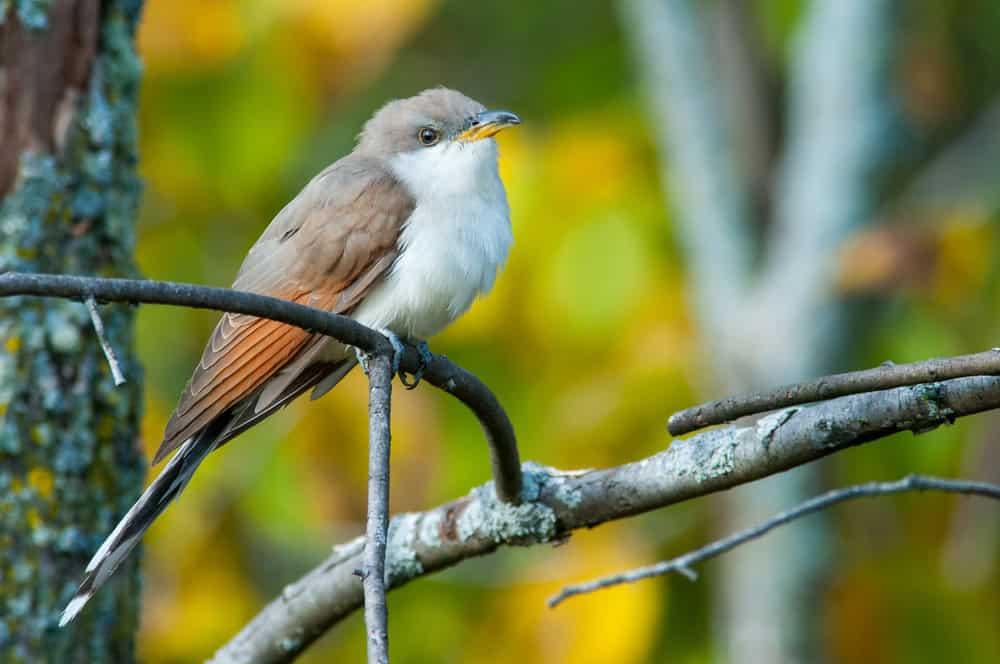
Brood parasitism may negatively impact the host bird population.
©Paul Sparks/Shutterstock.com
Brood Parasitism Outcomes
After hatching, the cuckoo chick also practices some pretty brutal means of survival. Without the support of its biological parents, the chick must deceive the host parent to survive. Because of this, it is important to have the host parents’ sole attention. Cuckoo chicks will take over their host nests, pushing the host’s eggs or chicks out until they are the only ones remaining. This compels the host parent to raise the cuckoo chick, even as it grows to a size disproportionate to the host species. The host parent will tirelessly feed the chick at rates they wouldn’t typically provide for their own young, allowing the cuckoo to grow into adulthood. As a result, the host nest may suffer negative consequences. The host’s own offspring are often killed or starved, and the host parents end up raising a chick of a different species. In some cases, heavy brood parasitism can negatively affect local host bird populations.