The famous koalas of Australia are facing several threats, but sexually transmitted diseases (STDs) are probably one of the most surprising. These little creatures must have sex to reproduce, and this creates a potential transmission pathway for pathogens that are ever the opportunists. The pathogen involved here is called chlamydia, and it has the potential to damage koala populations. The good news is that a vaccine has been developed that could prove to be the savior of koalas. Read on to find out more.
Why Are STDs a Problem for Koalas?
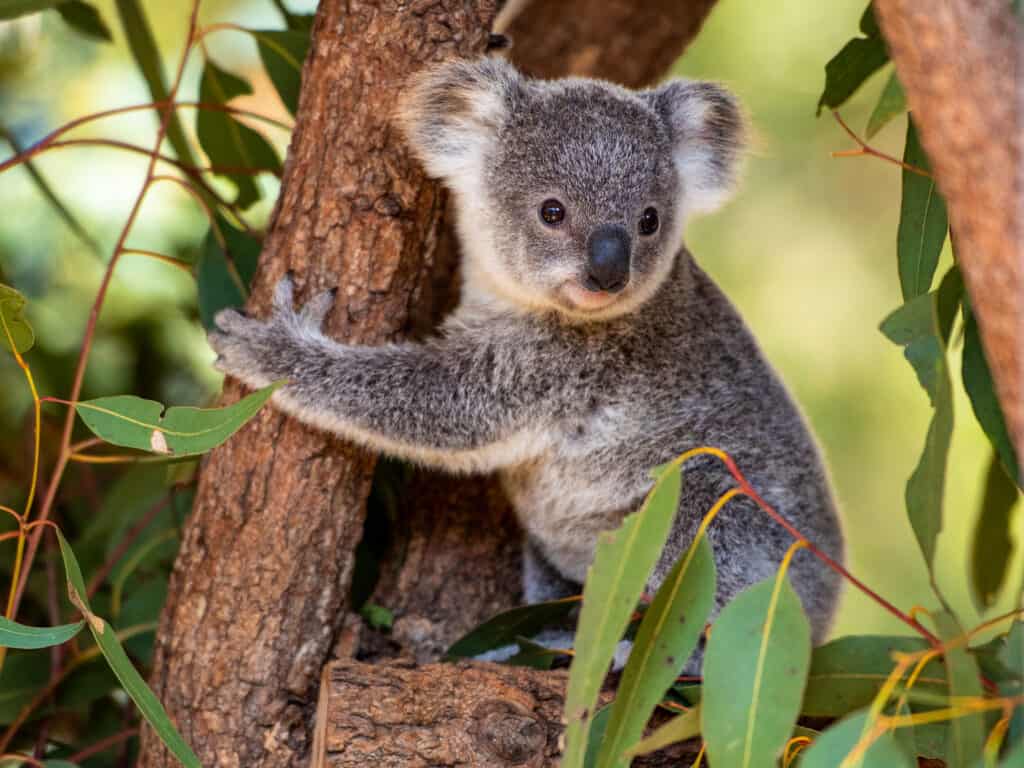
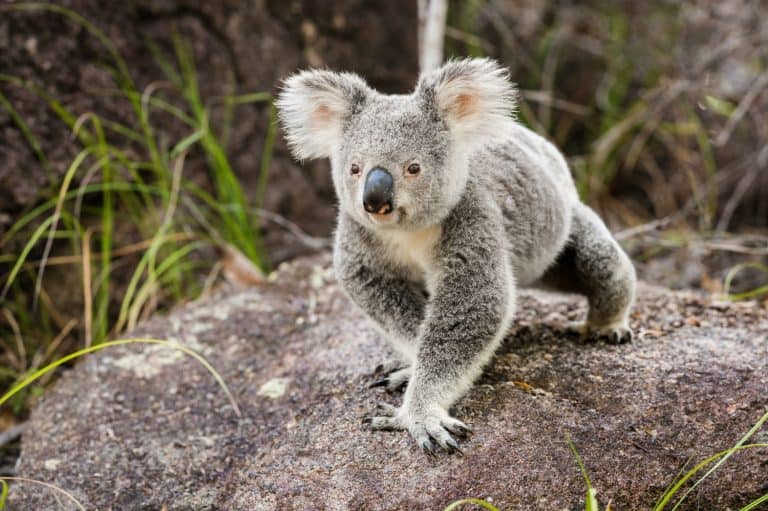
Some koala populations are endangered.
©iStock.com/eeqmcc
Many koala populations are already considered endangered, namely those in Queensland, New South Wales, and the Australian Capital Territory. They are challenged by habitat loss, attacks by other animals, collisions with road traffic, and bushfires. When animal populations are under stress, they become more vulnerable to diseases.
The STD currently threatening koala populations is chlamydia. In koalas, it causes urinary tract infections, blindness, and, crucially, infertility. Some cases can also be fatal. This is the last thing that an endangered species needs. Sadly, chlamydia is responsible for half of all wild koala deaths in Australia. In some populations, the infection rates are as high as 70 percent. Chlamydia spreads between koalas through mating, social interactions, and from mothers to their offspring.
Why Is a Vaccine Needed?
The usual treatment for chlamydia is antibiotics. However, these drugs interfere with koalas’ ability to digest eucalyptus leaves, which are their primary food source. This is a huge problem because the koala’s digestive system is adapted perfectly to digest eucalyptus leaves. If this is disrupted, koalas may starve to death. Administering drugs to a wild animal population is also challenging. Therefore, a vaccine is the obvious solution.
Researchers from the University of the Sunshine Coast have spent the last 10 years developing a vaccine to prevent koalas from contracting chlamydia. It has now been registered and approved for use by the Australian Pesticides and Veterinary Medicines Authority, paving the way for broader rollout to koala populations. It has been tested on both wild and captive koalas over multiple generations. The results showed that the vaccine decreased mortality from the disease in wild populations by at least 64 percent. Additionally, it reduced the likelihood of breeding-age koalas developing symptoms. In some cases, it even reversed the disease in koalas that were already sick.