
Quick Take
- Waking up was only half the shock. What the thawed survivors did next stunned researchers.
- Its survival trick looks like hibernation but isn't. The difference is far more extreme.
- Some of its genes didn't come from any animal. Where they came from, and what they do, is strange.
Science fiction movies often depict people being frozen in cryogenic chambers for thousands of years, only to come back to life relatively unscathed. But what if we told you one microscopic animal actually managed to survive such a state? In 2021, scientists discovered that animals known as bdelloid rotifers may have recovered after being frozen for thousands of years.
The discovery raised fascinating questions about how life survives extreme conditions. Scientists wondered whether they could eventually use some of these natural survival mechanisms to preserve living cells and tissues. We’ll tell you everything you need to know about the amazing bdelloid rotifers.
What is a Bdelloid Rotifer?
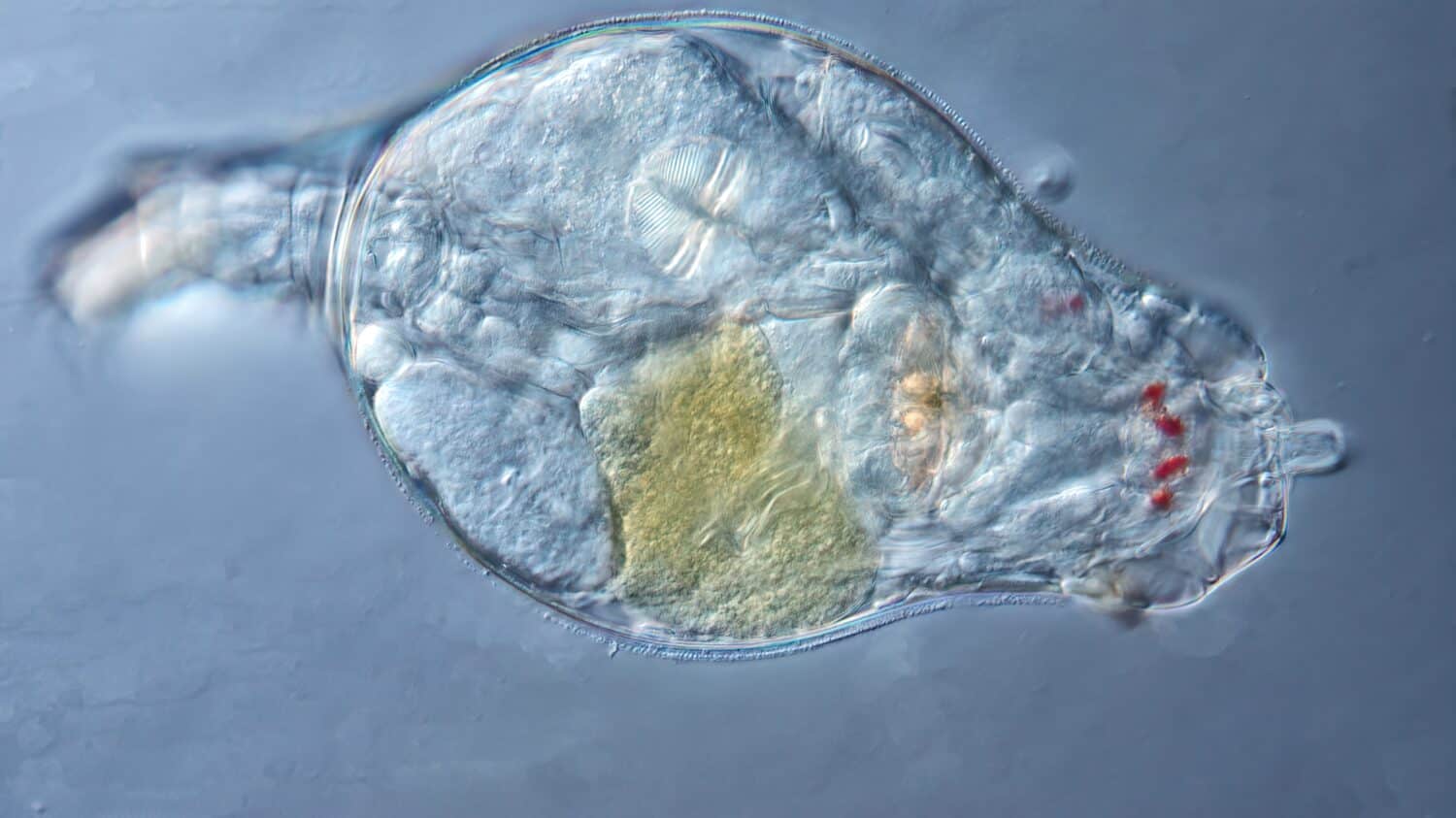
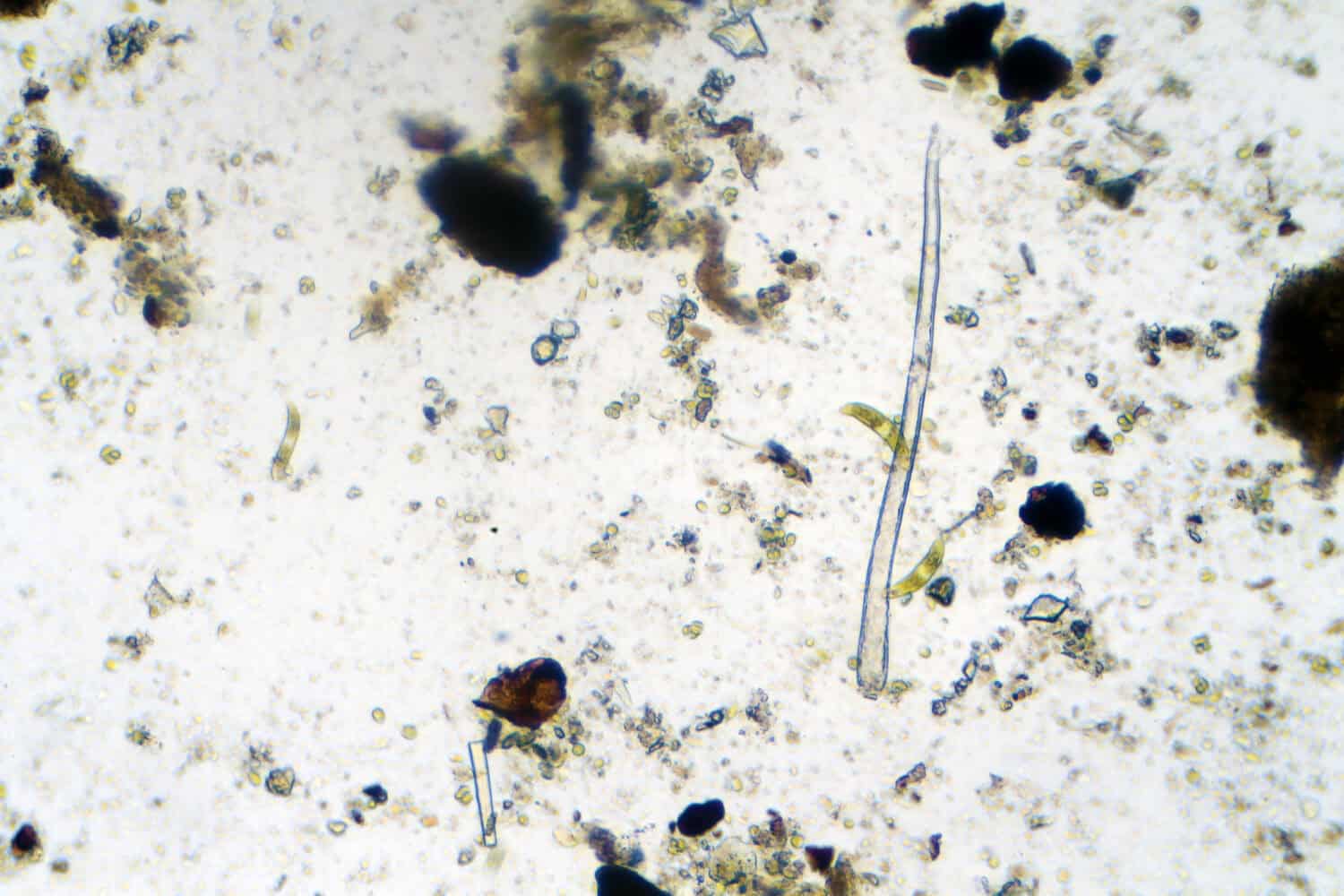
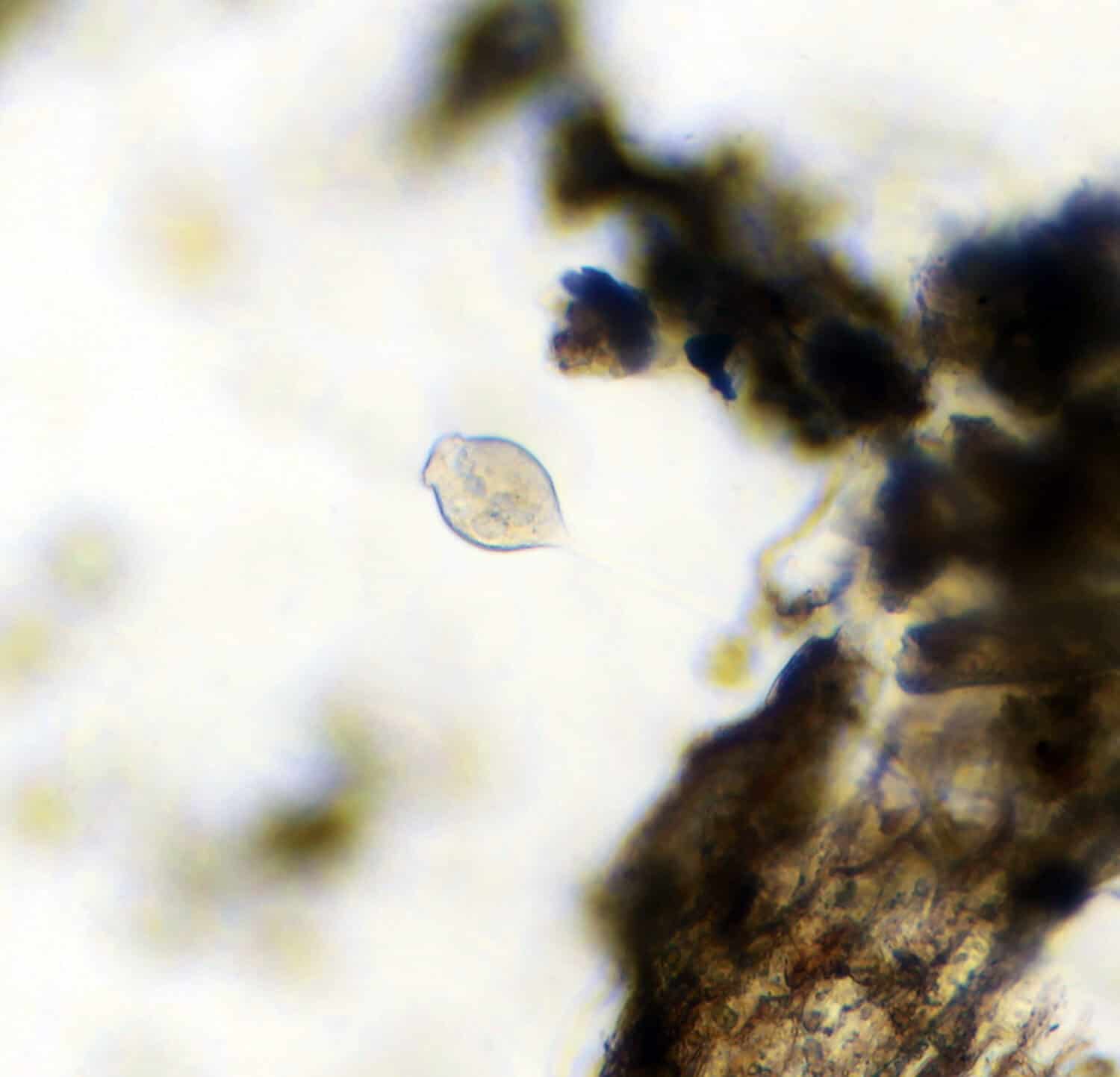
Bdelloid rotifers are microscopic freshwater animals belonging to a group called Rotifera. They are found worldwide, often inhabiting ponds, lakes, streams, soil, and other moist environments. Most bdelloid rotifers measure only a few tenths of a millimeter long, making them nearly impossible to appreciate without a microscope. Still, despite their size, these creatures are not microbes or single-celled microorganisms. They are tiny animals with surprisingly complex bodies. Bdelloid rotifers are genuine multicellular animals with specialized organs, muscles, a digestive system, and a nervous system.
Their name comes from the Latin word rota, meaning wheel. Under a microscope, many rotifers appear to have spinning wheels near their heads. These structures are arrangements of tiny, hair-like projections called cilia. When the cilia beat in coordinated movements, they create currents that draw food toward the animal’s mouth. Bdelloid rotifers primarily consume bacteria, algae, and other microscopic organic material. Some move through their surroundings using a distinctive crawling motion, extending and contracting their bodies like inchworms.
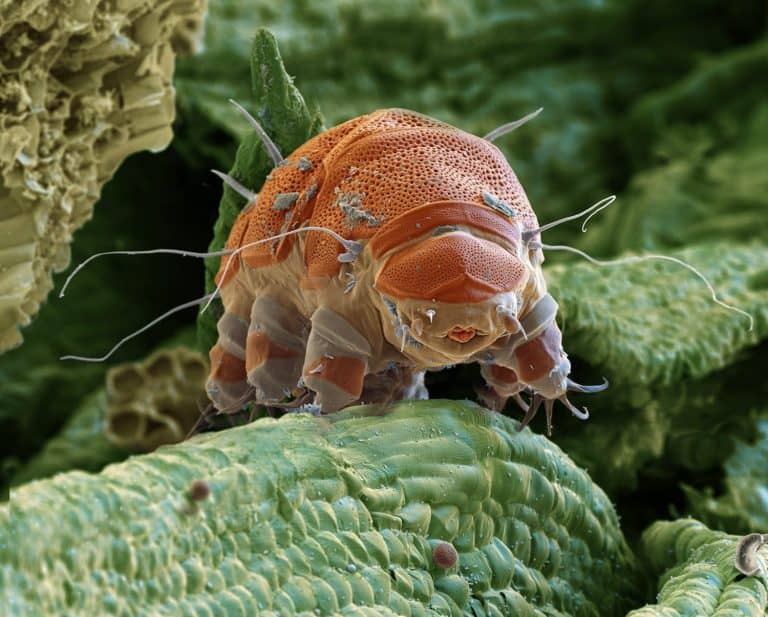
After reading about this microscopic animal, you may compare it to the tardigrade. While both animals are small and resilient, they differ in several ways. For instance, tardigrades have eight short legs equipped with claws or adhesive structures, giving them a distinctive appearance under a microscope. Bdelloid rotifers have elongated bodies and often move by crawling or using their cilia.
Their reproductive strategies also differ. Many tardigrade species reproduce sexually, although some reproduce asexually through parthenogenesis. Bdelloid rotifers, meanwhile, reproduce without males.
A Discovery Thousands of Years in the Making
Bdelloid rotifers can come in different shapes and sizes, but they’re all quite unique and resilient.
©mikeledray/Shutterstock.com
The incredible discovery that stunned the scientific community was published in June of 2021 in the scientific journal Current Biology. The findings discussed how researchers working with ancient permafrost from northeastern Siberia recovered living bdelloid rotifers that had remained frozen for thousands of years. Permafrost is ground that stays frozen for at least two consecutive years, and it’s known to preserve biological material, so it’s no wonder this microscopic animal survived in the area.
Current Biology, 2021
Living rotifers recovered from ancient Siberian permafrost
Researchers working with ancient permafrost from northeastern Siberia recovered living bdelloid rotifers that had remained frozen for thousands of years.
The researchers collected samples from approximately 11.5 feet beneath the surface near Siberia’s Alazeya River. Radiocarbon dating of organic material from the deposit indicated an age of approximately 24,000 years. After carefully thawing the samples and establishing laboratory cultures, the scientists discovered the living rotifers.
While those findings are amazing on their own, what happened next was even more surprising. The rotifers did not simply become active again. They reproduced successfully through a process that does not require fertilization. The findings represented the longest documented survival of rotifers in a frozen state at the time of publication. Previously, experiments had shown that certain rotifers could survive freezing for several years, including up to a decade. However, the Siberian discovery extended that timescale dramatically.
How Did They Survive?
The secret behind the rotifers’ extraordinary survival involves a biological phenomenon known as cryptobiosis. It’s a state in which an organism’s metabolic activity becomes so dramatically reduced that its normal life processes are almost completely suspended. Rather than continuing to consume energy and maintain ordinary biological functions, the organism enters a state that lets it endure an otherwise deadly environment.
This is not quite like hibernation, where animals continue using energy and performing essential biological functions at reduced rates. Cryptobiosis involves a much more extreme reduction in metabolic activity. Bdelloid rotifers can enter cryptobiotic states when their surroundings become dangerously dry or cold. When conditions improve, surviving individuals can resume activity.
If the water evaporates, a rotifer may survive in a dehydrated state until moisture returns. If its environment freezes, it may withstand the cold and become active again after thawing. Scientists believe that protective molecules, stress-response proteins, and sophisticated cellular repair mechanisms contribute to rotifers’ survival.
What Scientists Can Do With the Findings
Beyond being a unique curiosity, these findings can teach scientists a great deal. For instance, the research could eventually help scientists understand how living cells withstand freezing and other extreme environmental stresses.
One important area of research involves cryopreservation, or the process of preserving biological materials at extremely low temperatures. Scientists already use freezing techniques to preserve sperm, eggs, embryos, and certain cell types. However, successfully freezing and thawing larger, more complicated tissues and entire organs remains challenging. So, by studying the protective mechanisms used by rotifers, researchers hope to identify biological strategies that could improve existing preservation methods.
Then, there are the questions about the ancient environments themselves. Permafrost contains biological material that has remained isolated for extraordinary lengths of time. Studying organisms recovered from these deposits may provide information about how life persisted during past climatic conditions.
Other Unique Bdelloid Rotifer Characteristics
Bdelloid rotifers have many unique traits, including the ability to reproduce without two sexes in the species.
©mikeledray/Shutterstock.com
The fact that bdelloid rotifers can survive thousands of years is just one remarkable fact about this microscopic animal.
Reproducing Without Males
Researchers have never confirmed the existence of males in the species, making it likely that females can reproduce without mating. This reproductive strategy, called parthenogenesis, produces offspring from unfertilized eggs. Instead of requiring sperm from a male, a female bdelloid rotifer can produce offspring on her own. The resulting young inherit their genetic material from their mother. This allows a single individual to establish a new population when conditions are favorable.
Borrowing Genes from Other Organisms
Then, scientists made another amazing discovery: these animals possess an unusually large number of genes that originated in organisms outside the animal kingdom, including bacteria, fungi, and plants. This process is called horizontal gene transfer. Normally, animals inherit genes from their parents through reproduction. However, horizontal gene transfer involves genetic material moving between organisms through other mechanisms.
The acquired genes can be very useful, too. A 2024 study found that bdelloid rotifers activate certain foreign-derived genes when confronted with a fungal pathogen. Researchers suggested that the acquired genetic machinery might help the animals defend themselves against dangerous fungi. This raises an intriguing possibility: bdelloid rotifers may have gained useful biological capabilities by incorporating genetic material from unrelated organisms. Truly amazing stuff!
An Incredible Survival Story
As you can see, the bdelloid rotifer is quite an incredible microscopic animal. The discovery found in the 24,000-year-old Siberian permafrost demonstrated just how resilient some forms of animal life can be. Scientists are still working to understand exactly how these adaptations function and what they might reveal about the limits of life. For now, the discovery offers a remarkable reminder that some of the most extraordinary animals on Earth are also among the smallest.