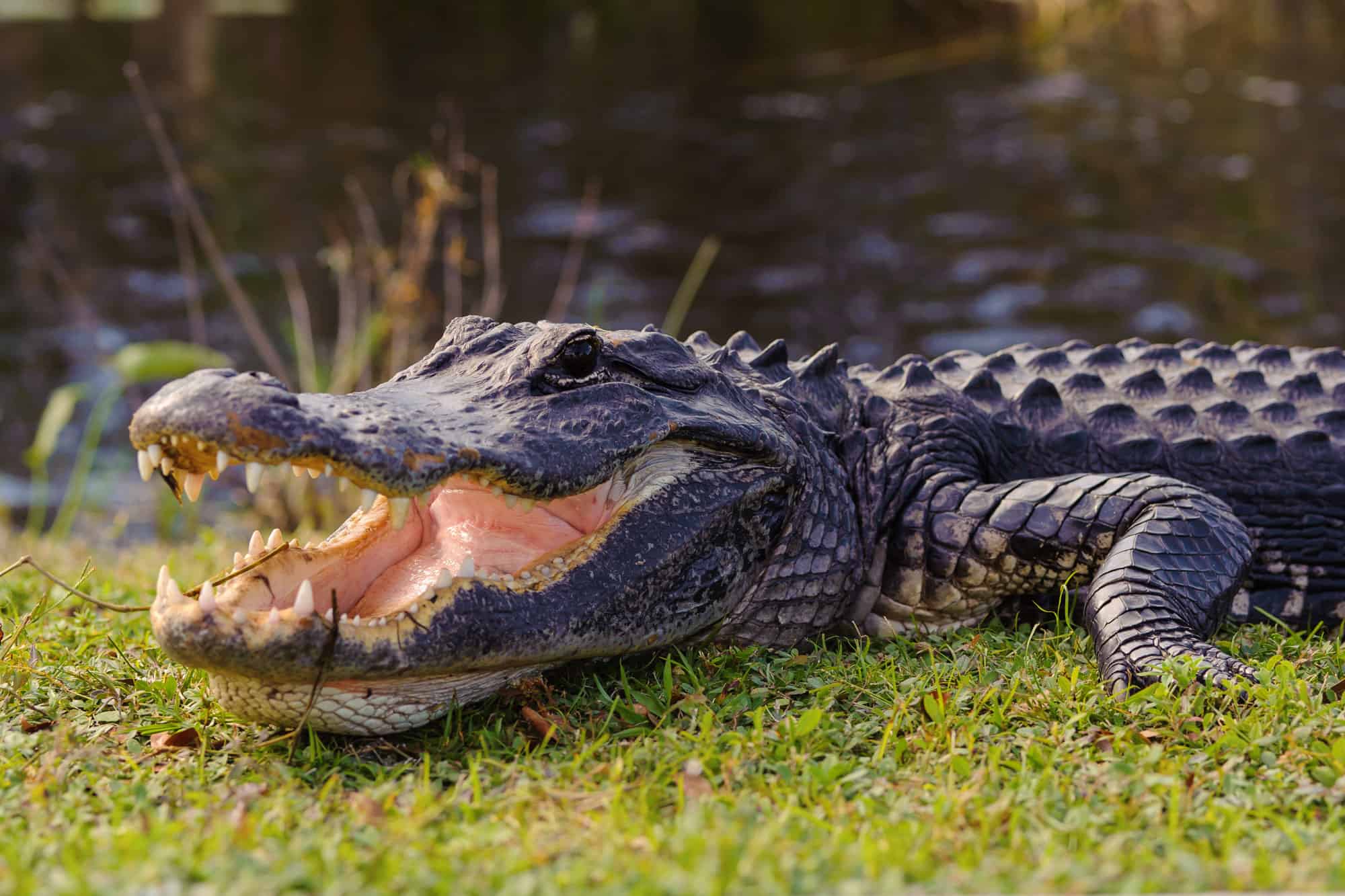

Alligators are freshwater reptiles that can be found in rivers, swamps, and lakes. Since alligators are cold-blooded, they prefer the warmer climates of the southeastern United States. Temperatures in Missouri can change frequently and winter temperatures commonly drop below freezing. Are any alligators able to make their home in the Show Me State?
The short answer is no. Alligators are not native wildlife to Missouri. The weather in this midwestern state is currently too cold for these reptiles to survive during winter. When temperatures drop below 70°F alligators typically stop feeding. At temperatures below 55°F, gators go into brumation, the state of hibernation for cold-blooded animals.
Missouri is subject to frequent changes in temperature, but the state always experiences hot summers and cold winters. According to the Missouri Climate Center, on average, temperatures drop below 32°F at least 70 days a year, even in the warmest parts of the state.
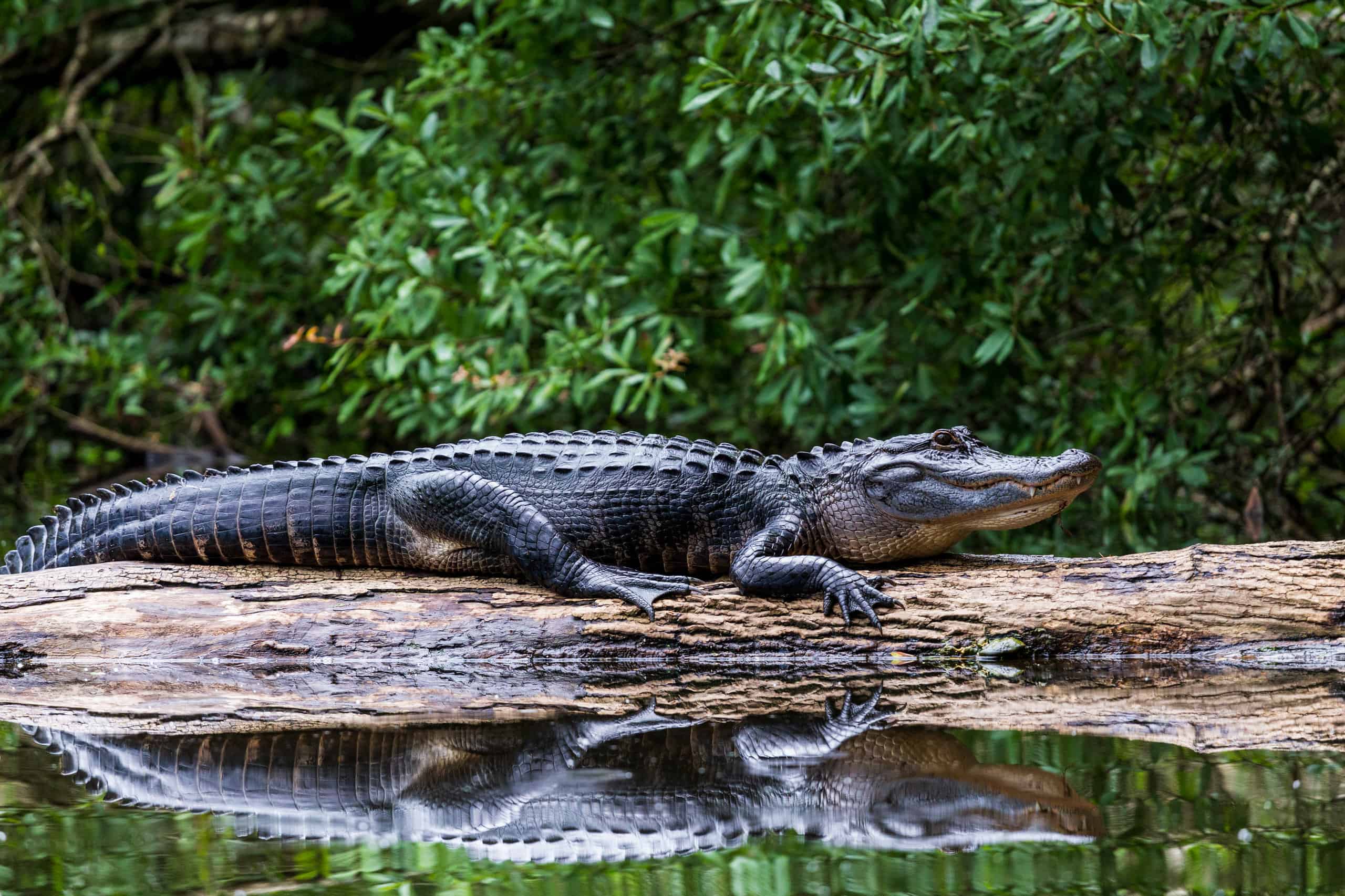
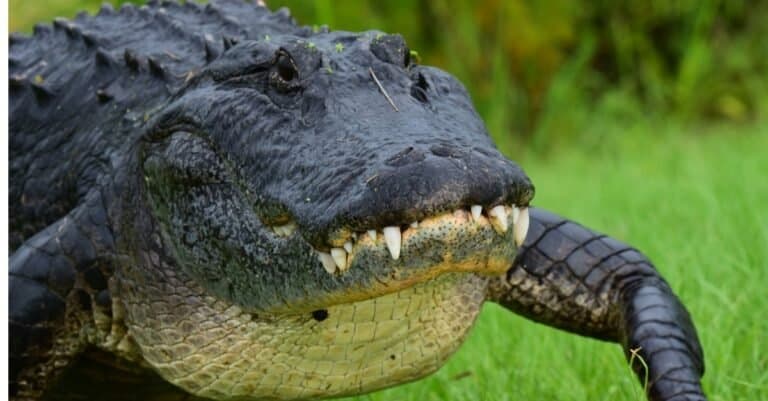
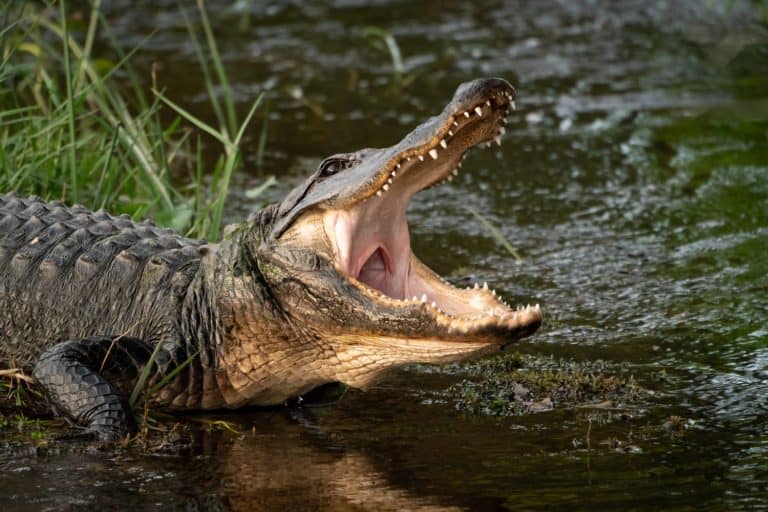
Alligators bask in the sun to warm themselves up.
©iStock.com/Joe Pearl Photography
Alligator Sightings in Missouri
Although alligators are not native to Missouri, they have been spotted in the state on very rare occasions. KFVS12 reported that as recently as Memorial Day weekend 2023 an alligator was spotted in Wappapello Lake, a body of water located in southern Missouri. The alligator was killed by “an area resource user.”
This isn’t the first time an alligator has been spotted in the Show Me State. According to the Missouri Department of Conservation, when gators appear in Missouri it’s usually the result of pet owners having animals escape captivity or being released, although maybe they travel north via the Mississippi River.
Could Alligators Live in Missouri in the Future?
It’s rare to find alligators in Missouri, but some experts think this could change in as little as 30 years. Casey Holliday, an associate professor of anatomy at the University of Missouri, explained how this could happen while speaking with the Columbia Missourian.
Alligators move with the frost line, an invisible line that passes along northern Louisiana and North Carolina and marks colder temperatures.
“Certain animals don’t get past that line, and that tends to include gators and armadillos in particular,” Holliday explained. “Over the last 30 years, we’ve started to see armadillos and alligators kind of move north.”
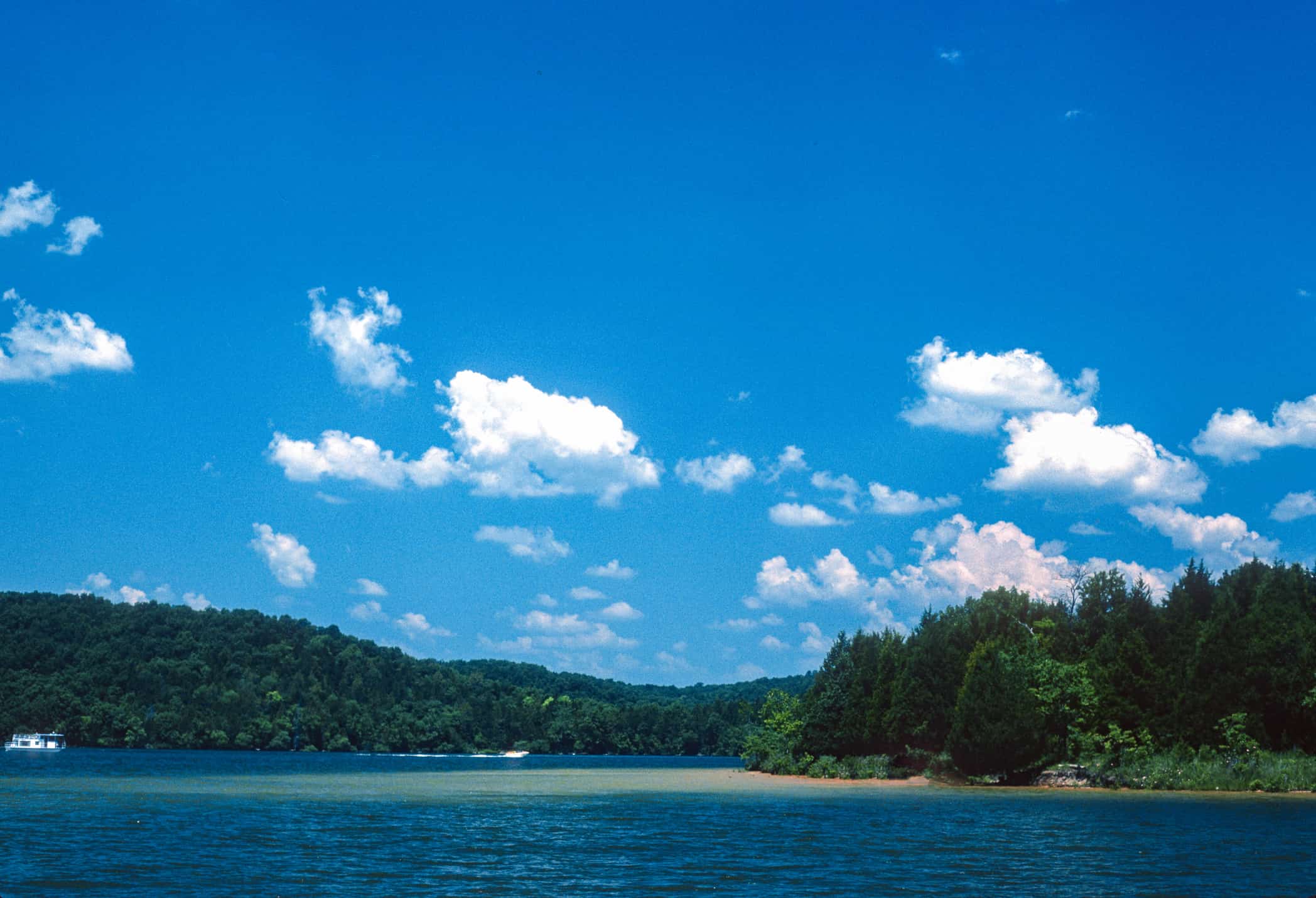
Someday alligators may live in the Lake of the Ozarks and other Missouri bodies of water.
©iStock.com/scgerding
The Earth’s temperatures are gradually rising. So far, alligators have appeared in bodies of water in southern Tennessee and Arkansas. Holliday speculates that as temperatures continue to rise, alligators may establish themselves in Missouri in the not-so-distant future.
Alligator Safety Tips
As alligators move north and humans continue to encroach on their habitats in the south, human and alligator interactions become more and more common. There are instances of alligators attacking and killing humans, but fatal alligator attacks are still rare.
Alligators have a natural fear of humans. Problems occur when humans feed alligators and the creatures overcome their shyness and begin to associate humans with food. In some states, such as Texas, it is a Class C misdemeanor to intentionally feed an alligator.
So what should you do if you encounter an alligator in the wild? “Keep your distance,” Holliday says. “You don’t mess with them, you don’t feed them, you don’t swim out toward them. Just keep your distance like you would any wild animal.”
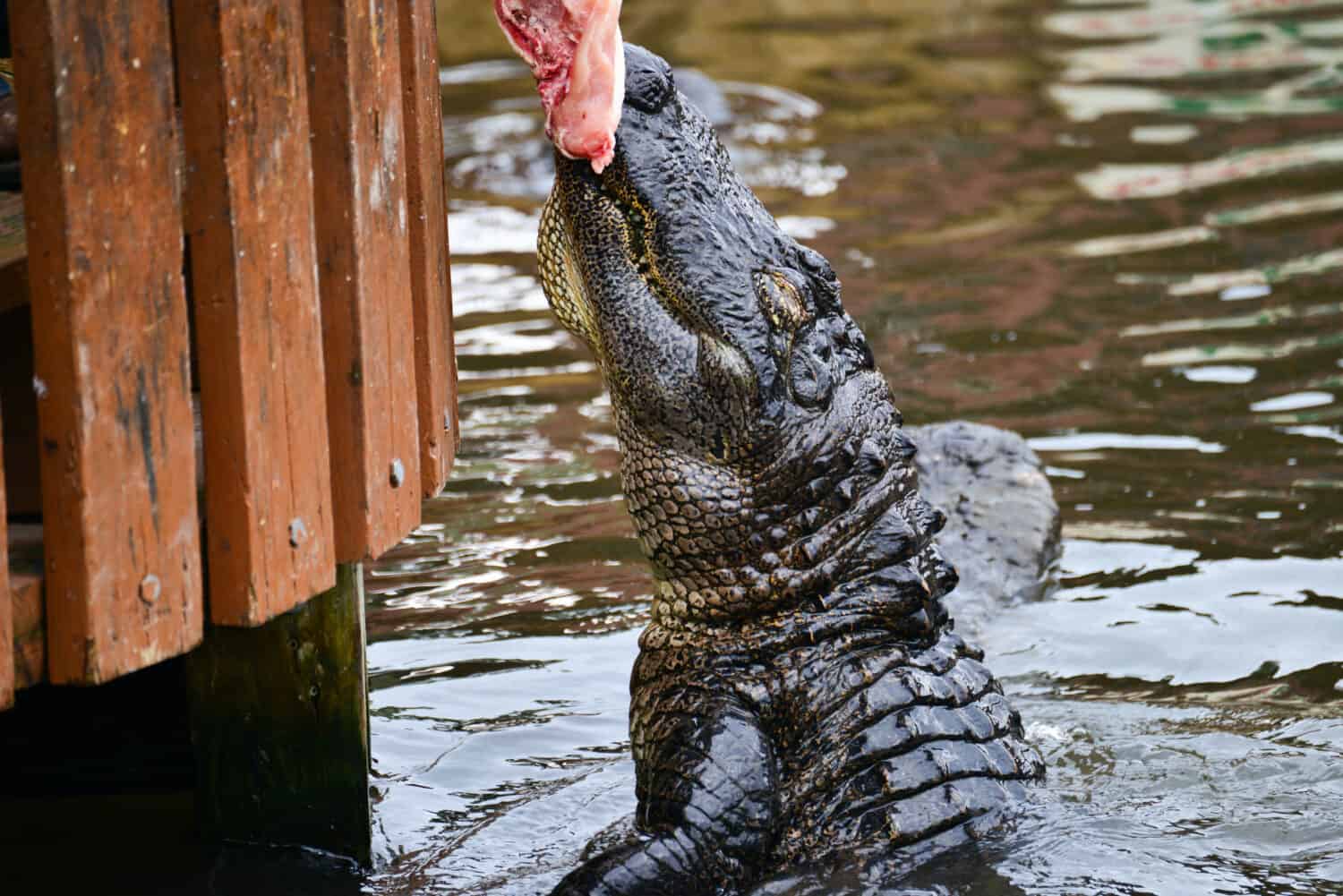
Humans should not feed alligators because it makes the creatures associate humans with food.
©Orhan Cam/Shutterstock.com
Other alligator safety tips include keeping pets and small children close by and only swimming during daylight hours. Alligators are most active between dusk and dawn.
Unlike most reptiles, alligators are good mothers. They are very protective of their eggs and young alligators stay with their mother for up to two years. For this reason, avoiding alligator nests is an important part of avoiding dangerous interactions with these creatures.
Alligators build their nests with plants, decomposing vegetation, and other debris. Their nests are located several feet from the water on the banks of swamps or marshes. The eggs are buried to keep them at an ideal temperature and the mother alligator guards her nest protectively. For this reason, humans should always keep their distance.