N S W E
Wildlife Expeditions

Wildlife of
North Carolina

From Outer Banks estuaries to misty Appalachian peaks, North Carolina packs barrier islands, longleaf pine savannas, and high-elevation forests into one biodiversity-rich state.
298 Species
139,391 km² Land Area
Overview

About North Carolina

North Carolina's wildlife is shaped by an east-to-west sweep of habitats: Atlantic barrier islands and sounds, a wide Coastal Plain, rolling Piedmont, and the southern Appalachian Mountains. This mix creates a rich natural heritage where saltmarsh birds and sea turtles share a map with spruce-fir specialists and many salamander species. The state has a strong coastal influence, many amphibian species, and important migrant routes. Important places include the Outer Banks, estuaries, and coastal wetlands that support waterfowl, wading birds, fish nurseries, and stopovers for shorebirds. Inland, longleaf pine savannas and pocosins hold fire-adapted and carnivorous plants and shy animals like red-cockaded woodpeckers and black bears. In the west, the Great Smoky Mountains and nearby ranges add hardwood and cove forests and high-elevation spruce-fir islands that shelter cold-loving species and some of North America's richest salamander communities. Visitors can see coastal spectacle and unique mountain species within a day’s drive.

Physical Features

Geography

North Carolina has three regions—Atlantic Coastal Plain, Piedmont, and the Appalachian Mountains—causing east–west changes in elevation, temperature, soils, and water. These regions support many habitats: barrier islands, estuaries, coastal wetlands, longleaf pine savannas, blackwater swamps, Piedmont hardwood forests and rivers, and high-elevation spruce-fir and northern hardwoods that host mountain and climate-sensitive species.

139,391 km² Land Area
28th largest U.S. state (by total area) Size Rank
State Type
Elevation Range

Sea level to 2,037 m (6,684 ft) at Mt. Mitchell

Coastline

Atlantic Ocean coastline along the Outer Banks barrier-island chain, with extensive estuarine shorelines around the Albemarle-Pamlico Sound system and major river estuaries (e.g., Cape Fear, Neuse).

Key Landscapes

Atlantic barrier islands (Outer Banks) and dune/beach systems Large estuaries and lagoonal sounds (Albemarle Sound, Pamlico Sound) Coastal wetlands: salt marshes, tidal creeks, pocosins, and swamp forests Longleaf pine sandhills and savannas (fire-maintained Coastal Plain habitats) Major river basins and floodplains (Cape Fear, Neuse, Tar-Pamlico, Roanoke, Yadkin-Pee Dee, Catawba) Piedmont rolling hills, mixed forests, reservoirs, and urban-rural habitat mosaics (e.g., around the Triangle/Charlotte) influencing fragmentation and corridor use by wildlife (e.g., deer, black bear)
State Symbols

Official Wildlife Symbols

animal

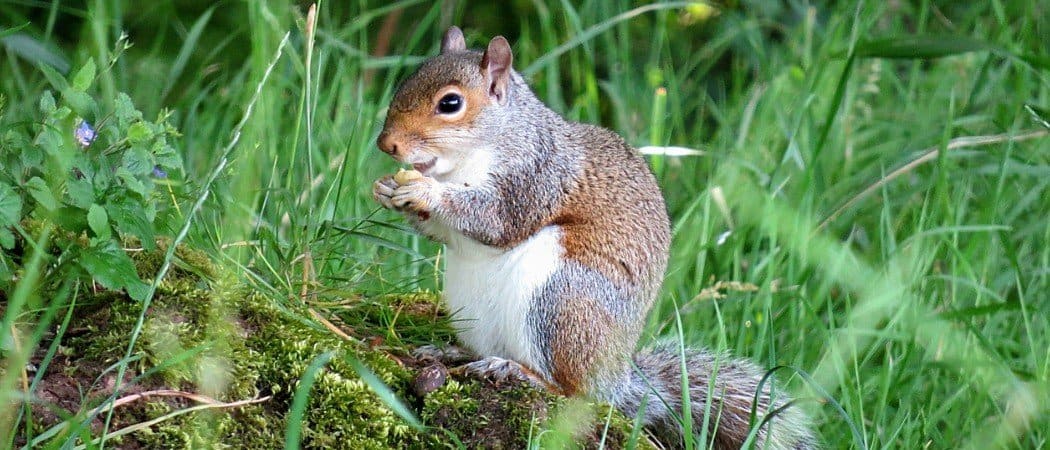
Eastern gray squirrel

Designated 1969

bird

Northern cardinal

Designated 1943

fish

Red drum (channel bass) - state saltwater fish

Designated 1971

fish

Southern Appalachian brook trout - state freshwater trout

Designated 2005

insect

European honey bee

Designated 1973

insect

Eastern tiger swallowtail - state butterfly

Designated 2012

reptile

Eastern box turtle

Designated 1979

amphibian

Marbled salamander - state salamander

Designated 2009

wildflower

Flowering dogwood - state flower

Designated 1941

tree

Pine - state tree

Designated 1963

marine

Scotch bonnet - state shell

Designated 1991

fish

Roanoke bass - state freshwater fish

Designated 2005

Parks & Reserves

Protected Areas

North Carolina's protected lands cover three ecoregions: the barrier islands and estuaries of the Atlantic Coastal Plain, the Piedmont, and the Southern Appalachians. They protect salt marshes, pocosins, longleaf pine remnants, cove hardwood forests, and high elevation spruce-fir communities. Protection comes from the National Park Service, U.S. Fish and Wildlife Service, U.S. Forest Service, state parks, and game lands.

Protected Coverage

≈18% of North Carolina's land area (order-of-magnitude estimate across federal/state/local protected lands and major conservation holdings; exact totals vary by definition and data source).

National Parks & Preserves

Great Smoky Mountains National Park

522,427 acres total (park spans NC-TN)

One of North America's most biodiverse temperate ecosystems, with extensive old-growth remnants, rich cove hardwood forests, and exceptionally high diversity of salamanders and other moisture-dependent wildlife across an elevational gradient.

American black bear Elk Eastern hellbender Osprey Synchronous fireflies (Photinus carolinus)

Cape Hatteras National Seashore

≈30,000 acres of land (plus extensive surrounding waters along the Outer Banks)

Barrier-island habitats (beach, dunes, maritime forest, and sound-side marshes) that support nesting sea turtles, shorebird migration stopovers, and productive estuarine food webs.

Loggerhead sea turtle Green sea turtle Piping plover American oystercatcher Bottlenose dolphin

Cape Lookout National Seashore

≈28,400 acres (land area; includes multiple barrier islands)

Relatively undeveloped barrier islands and back-barrier marshes important for seabirds, shorebirds, and sea turtles; notable for wild horse populations and high-quality coastal habitats.

Loggerhead sea turtle Kemp's ridley sea turtle (rare visitor) Least tern American oystercatcher Wild horses (Shackleford Banks)

Blue Ridge Parkway (North Carolina sections)

469 miles long total (majority of length runs through NC; corridor encompasses tens of thousands of acres)

A long protected ridgeline corridor that connects and buffers mountain habitats, offering outstanding wildlife viewing across hardwood forests, high-elevation balds, and spruce-fir islands with strong migratory bird use.

Black bear White-tailed deer Wild turkey Peregrine falcon Golden-winged warbler (regional conservation focus)

Appalachian National Scenic Trail (North Carolina segments)

≈95.7 miles in North Carolina (much of it shared along the NC-TN border, including within Great Smoky Mountains National Park)

A protected mountain footpath corridor that conserves ridgeline forests, supports migratory birds and wide-ranging mammals, and connects to other large protected lands (e.g., Great Smoky Mountains NP and Pisgah/Nantahala National Forests).

Black bear Northern goshawk (uncommon) Pileated woodpecker Timber rattlesnake Brook trout (headwater streams near the corridor)

State & Provincial Parks

Goose Creek State Park

≈1,672 acres

A coastal plain stronghold of tidal creeks, salt marsh, and maritime forest supporting wading birds, raptors, and estuarine nursery habitats.

Bald eagle Great blue heron River otter Diamondback terrapin Osprey

Merchants Millpond State Park

≈3,520 acres

Classic blackwater swamp (cypress-gum) with high amphibian and reptile diversity and excellent paddling-based wildlife viewing in a relatively intact wetland landscape.

Prothonotary warbler Barred owl American alligator (occasional/rare) Red-bellied watersnake River otter

Carolina Beach State Park

≈761 acres

One of the best-protected examples of coastal longleaf pine savanna and pocosin-influenced habitats near the coast; famous for carnivorous plants and associated pollinator/insect communities.

Venus flytrap Red-cockaded woodpecker (regional/nearby longleaf habitats) Bachman's sparrow (longleaf associate; uncommon) Eastern box turtle Fowler's toad

Mount Mitchell State Park

≈1,946 acres

High-elevation habitat around the highest peak in eastern North America, supporting spruce-fir communities and montane wildlife with a distinctly northern affinity.

Northern flying squirrel (endangered subspecies complex in region) Red spruce-Fraser fir associated songbirds (e.g., black-throated green warbler) Black bear Ruffed grouse Southern Appalachian salamanders (multiple species)

Wildlife Refuges

Alligator River National Wildlife Refuge

≈152,000 acres

Large coastal pocosin and wetland complex that is a premier conservation landscape for wide-ranging mammals and wintering waterfowl; among the best places in the state to see black bears and red wolves (managed recovery area).

American black bear Red wolf Tundra swan Bobcat American alligator

Mattamuskeet National Wildlife Refuge

≈50,000 acres

Centered on Lake Mattamuskeet, a major Atlantic Flyway wintering and migration hub for waterfowl and other wetland birds with outstanding viewing opportunities.

Tundra swan Snow goose American black duck Northern pintail Bald eagle

Pea Island National Wildlife Refuge

≈5,900 acres

Barrier-island refuge renowned for shorebird and waterbird concentrations; protects beach, dune, and marsh habitats critical for nesting and migratory species.

Piping plover Red knot American oystercatcher Brown pelican Least tern

Pocosin Lakes National Wildlife Refuge

≈110,000 acres

Vast peatland pocosins and managed impoundments that support some of the East's largest wintering concentrations of geese and swans, plus habitat for secretive wetland wildlife.

Tundra swan Snow goose Black bear Red-headed woodpecker American alligator (localized)

Wilderness Areas

  • Linville Gorge Wilderness (Pisgah National Forest) - rugged gorge and old-growth pockets; strong raptor and woodland biodiversity values
  • Shining Rock Wilderness (Pisgah National Forest) - high-elevation balds, cold headwaters, and montane forest connectivity
  • Joyce Kilmer-Slickrock Wilderness (Nantahala National Forest, partly in NC) - renowned old-growth hardwoods and remote river valleys
  • Middle Prong Wilderness (Pisgah National Forest) - remote headwater catchments and high-quality forest interior habitat
  • Harper Creek Wilderness (Pisgah National Forest) - roadless watershed with waterfalls and interior forest conditions
Animals

Wildlife

North Carolina is one of the most biodiverse states in the eastern U.S., driven by its strong east-west gradient from Outer Banks barrier islands, estuaries, and coastal pocosins to Piedmont rivers and reservoirs and the high-elevation Southern Appalachians. Visitors can experience classic coastal wildlife (sea turtles, wading birds, alligators), longleaf pine-savanna specialists (notably red-cockaded woodpeckers), and montane forest and stream fauna (salamanders, brook trout, flying squirrels). This mix of habitats supports exceptional amphibian diversity in the mountains and rich fish and bird diversity across coastal waters and major river basins.

~110-120 species Mammals
~470+ species recorded (many migratory) Birds
~60-70 species Reptiles
~90-100 species (among the highest in the U.S.) Amphibians
~250-300+ species (freshwater plus estuarine/nearshore marine) Fish
Examples

Iconic Species

American Black Bear
American Black Bear North Carolina's coastal and mountain bears are a flagship attraction; the state is known for strong populations, including large-bodied bears associated with coastal wetlands and pocosins.
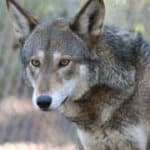
Red Wolf
Red Wolf A globally famous (and controversial) conservation icon; the only attempted wild recovery population occurs in eastern North Carolina, making it a unique draw for wildlife enthusiasts.
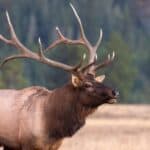
Elk
Elk Reintroduced elk in the Smokies region (notably around Cataloochee) provide one of the Southeast's best chances to see free-ranging elk, especially during the fall rut.
Loggerhead Sea Turtle The Outer Banks are an important nesting area; summer nesting and hatchling season are central to the coastal wildlife experience.
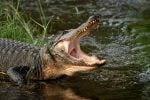
American Alligator
American Alligator A hallmark of coastal marshes, swamps, and brackish wetlands, especially in the southeastern Coastal Plain and refuge complexes.
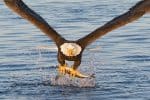
Bald Eagle
Bald Eagle Now commonly seen along large rivers, lakes, and coastal sounds; its recovery has made eagle-watching a major draw statewide.
Red-cockaded Woodpecker A signature species of longleaf pine ecosystems; visitors seek it out in managed longleaf habitats and wildlife refuges where it is intensively conserved.
Brown Pelican Highly visible along the coast and barrier islands; an emblematic seabird of the sounds and inlets and a conservation success story after past declines.
Eastern Brook Trout A defining Appalachian species; North Carolina's high-elevation streams support valued wild trout fisheries and unique southern Appalachian lineages.

Endemic & Rare Species

Red Wolf

Canis rufus

Critically Endangered (global); extremely small and intensively managed wild population in eastern NC

North Carolina is central to the species' survival in the wild, hosting the only place where red wolves have been reintroduced and managed as a free-ranging population.

Carolina Northern Flying Squirrel

Glaucomys sabrinus coloratus

Federally Endangered (U.S.)

A high-elevation specialist found in remnant spruce-fir and cool northern hardwood habitats in the NC Appalachians; a flagship for mountaintop ecosystem conservation.

Red-cockaded Woodpecker

Picoides borealis

Federally Threatened (U.S.)

Dependent on mature, open longleaf pine woodlands; its presence signals successful restoration of one of the Southeast's most imperiled ecosystems.

Bog Turtle

Glyptemys muhlenbergii

Federally Threatened (U.S.); rare and declining

Occurs in a small number of spring-fed wetlands and mountain/piedmont fens; highly vulnerable to habitat loss and collection.

Piping Plover

Charadrius melodus

Federally Threatened (U.S.)

A beach-nesting shorebird that relies on protected barrier island habitats; management of nesting areas is a major coastal conservation focus.

Eastern Diamondback Rattlesnake

Crotalus adamanteus

Regionally rare/declining in much of its range; state-level conservation concern in NC

A large, iconic longleaf/coastal plain rattlesnake now uncommon due to habitat change and persecution; conservation ties closely to longleaf restoration.

Roanoke Logperch

Percina rex

Federally Endangered (U.S.)

A river-dwelling darter restricted to specific Atlantic-slope drainages; North Carolina rivers are key to the species' persistence.

Cape Fear Shiner

Notropis mekistocholas

Federally Endangered (U.S.)

Endemic to the Cape Fear River basin; sensitive to water-quality changes and altered river flows, making it an important indicator for Piedmont river conservation.

Neuse River Waterdog

Necturus lewisi

Endemic to NC; conservation concern due to restricted range and habitat sensitivity

A fully aquatic salamander endemic to the Neuse and Tar-Pamlico river basins; emblematic of North Carolina's distinctive Atlantic-slope freshwater fauna.

Shortnose Sturgeon

Acipenser brevirostrum

Federally Endangered (U.S.)

An ancient migratory fish using select coastal rivers/estuaries; recovery depends on water quality, connectivity, and protecting critical habitat.

Notable Populations

  • Outer Banks and NC coastal beaches support major regional nesting activity for loggerhead sea turtles (Caretta caretta).
  • Eastern North Carolina hosts the only attempted wild recovery population of red wolves (Canis rufus).
  • Longleaf pine reserves and military lands in the Coastal Plain support significant managed populations of red-cockaded woodpeckers (Leuconotopicus borealis).
  • High-elevation Southern Appalachian habitats in western NC hold nationally important assemblages of salamanders and other cool-climate species, including the endangered Carolina northern flying squirrel (Glaucomys sabrinus coloratus).
  • Barrier islands, coastal sounds, and estuaries provide nationally significant habitat for migratory waterfowl, wading birds, and shorebirds along the Atlantic Flyway.
  • NC's Atlantic-slope river basins contain multiple endemic/near-endemic freshwater species (e.g., Cape Fear shiner, Roanoke logperch, Neuse River waterdog), making the state a hotspot for freshwater endemism in the East.

Recent Changes

  • Bald eagles (Haliaeetus leucocephalus) have expanded and rebounded strongly statewide over recent decades, becoming routine along many waterways.
  • Elk (Cervus canadensis) reintroductions in the Smokies region have established a visible free-ranging population that continues to expand locally.
  • Red wolf (Canis rufus) wild recovery in eastern NC has faced major setbacks (low numbers and management challenges), keeping the population precarious.
  • Sea level rise, stronger storms, and chronic erosion are reducing and shifting nesting habitat for beach-dependent species (e.g., piping plovers and sea turtles), increasing the need for intensive coastal management.
  • Invasive species and changing communities have increased pressure on native wildlife (e.g., expanding coyotes affecting some prey communities; invasive fishes/aquatic species affecting river and estuary systems).
  • White-tailed deer health threats have increased in importance, including the spread of chronic wasting disease (CWD) in parts of the region, changing management priorities for deer and hunters.
  • Range shifts consistent with warming conditions are being observed/expected, with some coastal and southern-affinity species becoming more common while cold-adapted montane specialists face increasing habitat stress.
Visit

Wildlife Viewing

North Carolina offers barrier-island beaches, estuaries and pocosin wetlands, longleaf pine savannas, Piedmont reservoirs, and high Appalachian forests in one trip. Expect migratory birds, coastal waterfowl, mountain songbirds, sea turtles, wild horses, dolphins, black bears, elk, and many amphibians in cool headwater streams. Many sites are public lands—national seashores, wildlife refuges, state parks, and game lands—so habitat-hopping is easy.

Best Seasons

Spring (Mar-May)

Peak migration along the Outer Banks and sounds/estuaries (warblers, shorebirds, waterfowl lingering early). Sea turtle nesting begins in late spring on some beaches. Mountain forests come alive with breeding songbirds; wildflowers and salamander activity increase with rain. Great for paddling wildlife tours in calm, warming coastal waters.

Summer (Jun-Aug)

Sea turtle nesting and hatchling season (nighttime/early morning beach walks with permitted programs). Excellent coastal marsh birding (waders, terns) and dolphin spotting from beaches and ferries. High-elevation Appalachians offer cooler temps and active black bears; waterfalls and streams support amphibians, but midday heat/humidity and storms can be intense on the coast.

Fall (Sep-Nov)

Arguably the best all-around season: comfortable weather, raptor migration at coastal and mountain ridgelines, and huge movements of shorebirds and songbirds. Coastal waters bring seabirds and improving visibility for pelagic trips. Fall is also prime for black bear viewing in the mountains and for elk rut viewing in the Smokies region.

Winter (Dec-Feb)

Spectacular coastal waterfowl concentrations on sounds and impoundments (tundra swans, snow geese in season, ducks). Clearer air makes for strong photography days. Mountains are quieter with occasional wildlife sightings (tracks, winter birds), while the coast remains productive for birding and dolphin spotting on calmer days.

Top Wildlife Experiences

  • Sea turtle nesting & hatchling watch (with permitted programs) on the Outer Banks-especially Cape Hatteras National Seashore beaches and nearby conservation-run walks (seasonal).
  • Wild horse viewing on the northern Outer Banks-visit Corolla/Carova (4x4 access) for free-roaming horses; alternatively, take a guided cruise near Shackleford Banks (Cape Lookout National Seashore) for a lower-impact, interpretive experience.
  • Winter waterfowl spectacle on the Outer Banks: sunrise/sunset birding at Pea Island National Wildlife Refuge and Alligator River National Wildlife Refuge for swans, geese, ducks, and raptors.
  • Black bear and red wolf country exploration (ethically from distance) around Alligator River NWR and adjacent pocosin landscapes-combine an early-morning driving route with an evening marsh-edge scan for bears and abundant birdlife.
  • Elk viewing during the rut in and around Great Smoky Mountains National Park (Cataloochee Valley area) and nearby corridors-go at dawn/dusk for bugling and herd activity.
  • High-elevation birding and biodiversity in the Blue Ridge: explore Blue Ridge Parkway overlooks/trails (e.g., near Mount Mitchell State Park and Craggy Gardens) for migrating raptors in fall and breeding songbirds in spring/summer.
  • Paddling a blackwater swamp and coastal marsh (e.g., Merchants Millpond State Park or guided trips near coastal refuges) to spot prothonotary warblers, herons/egrets, turtles, and river otters.
  • Offshore pelagic birding/whale and dolphin chances from the Outer Banks (Hatteras/Ocracoke area): take a charter for seabirds (shearwaters, storm-petrels seasonally) and marine mammals, with best odds in cooler months and during migration windows.

Wildlife Watching Types

Coastal wildlife: dolphins, seabirds, shorebirds, sea turtles (nesting/hatching) Whale/dolphin watching by boat (seasonal) and dolphin viewing from beaches/ferries Birding hotspots: refuges, barrier islands, estuaries, mountain ridgelines (migration and wintering waterfowl) Large mammal viewing: black bears (mountains/coastal pocosins), elk (Smokies region) Reptile and amphibian watching: salamander-rich mountain streams, turtles and snakes in wetlands/longleaf ecosystems Paddling-based wildlife viewing: swamps, sounds, marsh creeks, and rivers Raptor watching: fall hawk migration along coastal points and mountain ridges Night wildlife programs: turtle walks (permitted), frog/toad choruses, nocturnal mammal listening/scanning in select areas

Guided Options

  • North Carolina Wildlife Resources Commission (NCWRC) - educational programs, game land access guidance, and occasional workshops/events tied to wildlife viewing and conservation.
  • North Carolina State Parks - ranger-led programs (seasonal) including bird walks, paddle programs, and nature hikes across coastal, Piedmont, and mountain parks.
  • U.S. Fish & Wildlife Service refuges (e.g., Pea Island NWR, Alligator River NWR, Pocosin Lakes NWR) - refuge-led walks/talks when offered, plus well-marked wildlife drives and viewing platforms.
  • Cape Hatteras National Seashore & Cape Lookout National Seashore - interpretive programs and guidance on responsible wildlife viewing; opportunities to join permitted sea turtle education events in season.
  • N.C. Aquariums (e.g., Roanoke Island, Pine Knoll Shores, Fort Fisher) - naturalist programs and local habitat interpretation useful for trip planning and tide-timed viewing.
  • Outer Banks & Crystal Coast eco-tours - guided boat/kayak tours for dolphins, marsh birds, and wild horses (choose operators emphasizing distance, no feeding, and Leave No Trace practices).
  • Pelagic birding/fishing charter operators (Outer Banks, especially Hatteras) - offshore trips that can be tailored for seabirds and marine mammals; ask for experienced captains familiar with wildlife-focused charters.
  • Great Smoky Mountains area local guides - elk-focused dawn/dusk viewing outings and naturalist-led walks (choose small-group, wildlife-first operators).
Habitats

Ecosystems

North Carolina spans three regions—Atlantic Coastal Plain, Piedmont, and Appalachian Mountains—creating sharp changes in elevation, soil, and moisture, producing many ecosystems. Coastal Plain has longleaf pine-wiregrass and pocosins. Piedmont has mixed hardwood and pine forests, rivers, and reservoirs. Blue Ridge has montane hardwood, cove, and high-elevation spruce-fir. Albemarle-Pamlico estuaries and barrier islands add coastal wetlands, beaches, and nearshore marine habitat.

Biomes

Temperate Forest

Dominant biome statewide, ranging from coastal plain pine savannas and mixed pine-hardwood forests to Piedmont oak-hickory forests and highly diverse Appalachian cove and northern hardwood forests; includes high-elevation red spruce-Fraser fir pockets.

Statewide; most uplands across Coastal Plain, Piedmont, and Mountains.

Wetland

Extensive coastal and riverine wetlands including pocosins (shrubby peatlands), Carolina bays, bottomland hardwood swamps, tidal freshwater marshes, salt marshes, and wet pine flats; critical for water filtration and wildlife.

Common in the Coastal Plain and along major river floodplains; concentrated around Albemarle-Pamlico peninsula and estuarine shorelines.

Freshwater

River networks (Roanoke, Tar, Neuse, Cape Fear, Yadkin-Pee Dee), mountain streams with high aquatic endemism, floodplain oxbows, and many reservoirs/lakes (especially in the Piedmont and western foothills).

Statewide along river basins; dense stream networks in the Mountains and Piedmont.

Marine

Nearshore Atlantic waters, barrier-island shorelines, inlets, sounds, and estuary-influenced coastal ocean systems supporting fisheries, seabirds, and migratory species.

Along the Outer Banks and the Atlantic coastline; strongest influence adjacent to inlets and continental shelf waters.

Temperate Grassland

Small, scattered grass-dominated communities such as montane grassy balds (where maintained), Piedmont prairies/openings, and managed early-successional fields; often embedded within forest landscapes.

Limited and patchy; mostly in the Mountains (balds) and localized Piedmont remnants/managed lands.

Habitats

Forest

Widespread upland forests across all regions, from Coastal Plain pine systems to Piedmont mixed forests and Appalachian montane forests.

Deciduous Forest

Piedmont and mountain oak-hickory, mixed mesophytic, and cove hardwood forests with high spring wildflower diversity.

Coniferous Forest

Longleaf pine ecosystems (Coastal Plain), loblolly/shortleaf pine forests, and high-elevation red spruce-Fraser fir stands in the Blue Ridge.

Woodland

Open pine woodlands maintained by fire, especially longleaf pine-wiregrass and other open-canopy pine communities.

Grassland

Montane grassy balds (where present), restored or remnant Piedmont prairie patches, and early-successional fields important for grassland birds.

Shrubland

Pocosin shrub bog complexes and coastal shrub thickets; also rhododendron/evergreen shrub layers in mountain ravines.

Mountain

Blue Ridge and associated ranges with strong elevation gradients, high rainfall areas, and many endemic/rare species.

Cliff/Rocky Outcrop

Rock outcrops and cliff faces (notably in the Blue Ridge) supporting specialized plants and nesting raptors.

Cave

Karst and cave habitats mainly in the western Ridge-and-Valley/Blue Ridge margins, supporting bats and cave-adapted invertebrates.

River/Stream

Major river basins and diverse stream types-from cold, high-gradient mountain streams to blackwater Coastal Plain rivers.

Lake

Natural lakes are limited, but reservoirs are common (e.g., Jordan, Norman, Fontana) and important for recreation and aquatic habitat.

Pond

Farm ponds, Carolina bay wetlands (often ponded seasonally), and small impoundments widespread in lowlands and agricultural areas.

Wetland

Bottomland hardwoods, pocosins, tidal freshwater wetlands, and coastal wet flats; major biodiversity and flood-mitigation areas.

Swamp

Bald cypress-tupelo and bottomland hardwood swamps, especially in the Coastal Plain and along large rivers.

Marsh

Salt marshes along sounds and estuaries (cordgrass-dominated) and freshwater marshes in low-lying Coastal Plain areas.

Bog

Peat-accumulating systems including pocosin peatlands and rare mountain bogs with specialized flora.

Estuary

Large, lagoonal estuary complex (Albemarle-Pamlico Sounds) and multiple river estuaries that support nurseries for fish and shellfish.

Coastal

Barrier islands, dunes, maritime forests, and sound-side shorelines forming a dynamic coastal landscape.

Beach

Outer Banks and other barrier-island beaches important for shorebirds and sea turtle nesting.

Rocky Shore

Limited compared with northern coasts; mostly localized hard-structure shorelines and rocky outcrops near inlets/jetties.

Open Ocean

Atlantic waters off the Outer Banks supporting pelagic species and migratory marine wildlife.

Seabed/Benthic

Continental shelf and nearshore benthic habitats (sand and mixed sediments) influenced by inlets, currents, and estuarine outflow.

Urban

Urban ecosystems around Charlotte, Raleigh-Durham, Greensboro, Winston-Salem, Asheville, and coastal cities with fragmented habitats and greenways.

Suburban

Rapidly expanding suburban matrices, especially in the Piedmont crescent, influencing water quality and wildlife connectivity.

Agricultural/Farmland

Row crops, pasture, and mixed agriculture concentrated in the Coastal Plain and Piedmont, interspersed with woodlots and riparian buffers.

Plantation

Managed pine plantations (notably loblolly pine) and intensive forestry lands common in the Coastal Plain and parts of the Piedmont.

Ecoregions

EPA Level III: Middle Atlantic Coastal Plain EPA Level III: Southeastern Plains EPA Level III: Piedmont EPA Level III: Blue Ridge EPA Level III: Ridge and Valley WWF: Middle Atlantic coastal forests WWF: Southeastern Conifer Forests WWF: Southeastern Mixed Forests WWF: Appalachian-Blue Ridge forests WWF: Appalachian mixed mesophytic forests
Protection

Conservation

Primary Threats

  • Coastal wetlands (pocosins, marshes, swamp forests), longleaf pine savannas, and Piedmont woodlands are being cut up or changed by development, dense plantation forestry, and shoreline hardening. Barrier islands suffer erosion and development; Appalachian coves and high places are split by roads and second homes.
  • Sea-level rise and storm surge push saltwater into coastal wetlands and pocosins, drown marshes, and speed barrier-island erosion. Warming waters and changed flows stress Appalachian trout and cold streams; hotter, drier conditions raise wildfire and drought-flood risks.
  • Fertilizer and soil runoff from farms and development cause algal blooms and low oxygen in estuaries (especially Neuse and Pamlico). PFAS in the Cape Fear River basin raises drinking-water and ecosystem worries. Old industrial pollution, coal-ash, road runoff, and plastics harm waterways.
  • Aquatic invasives such as lionfish on nearshore reefs and invasive carp in some systems alter food webs. Terrestrial invasives (e.g., cogongrass in the Coastal Plain, kudzu, privet) degrade native plant communities; feral hogs damage wetlands and longleaf groundcover, increasing erosion and harming amphibian and plant habitat.
  • White-nose syndrome has severely reduced several cave-hibernating bat populations in the mountains and Piedmont. Amphibians in high-elevation and wetland habitats face chytrid-related risks, and coastal birds can be affected by avian diseases during congregations; chronic stressors (habitat loss/pollution) can compound disease impacts.
  • People and vehicles on beaches and sand flats disturb nesting shorebirds (piping plover, terns) and sea turtle nests. Boats and watercraft damage seagrass beds and estuary wildlife. Heavy trail use and more tourism in the High Country cause erosion and spread invasives.
  • Growing suburbs in the Piedmont and mountains cause more conflicts with black bears, coyotes, and deer (damage, car crashes). Coastal development, lights, and pets harm nesting sea turtles and shorebirds. Farmers face problems with beavers, wading birds, and more alligators.
  • Roads break up habitat and kill many animals that roam far, like bears, amphibians, and turtles in North Carolina. Dams and culverts block fish in coastal rivers and Piedmont streams, harming migratory fish such as sturgeon and shad, and shoreline hardening reduces natural beach and marsh changes.
  • Historic drainage ditches and altered hydrology in Coastal Plain wetlands change fire regimes and water tables, degrading pocosins and swamp forests. Fire suppression reduces longleaf pine savannas and associated biodiversity; altered flow management and channelization in some river segments affects spawning habitats for anadromous fish and mussels.
  • Row-crop agriculture and concentrated animal operations in parts of the Coastal Plain increase nutrient/ammonia runoff, pathogen loads, and water withdrawals that affect downstream estuaries and floodplain wetlands. Field drainage and ditch maintenance simplify wetland edges and reduce habitat for amphibians and wetland-dependent birds.
  • Rapid growth around Charlotte, the Triangle, and the Triad increases impervious cover, stormwater pulses, stream warming, and habitat fragmentation. Coastal urbanization (Outer Banks and adjacent mainland) intensifies shoreline armoring, lighting impacts on sea turtles, and pressure on remaining marsh migration corridors.
  • Forestry is common. Heavy logging and turning forests into short-rotation pine plantations can reduce forest structure, shrink bottomland hardwoods, and harm sensitive species without buffers and long rotations. Steep-slope logging can send more sediment into trout streams if best management practices fail.
  • Aggregate and stone quarrying in the Piedmont and mountains can fragment habitat and increase sedimentation. Legacy and localized mining/industrial sites can contribute metals and acidic drainage to streams, and proposed expansions can conflict with rare plant communities and headwater habitats.
Fun Facts

Did You Know?

The Venus flytrap is native to only a tiny slice of the planet: it naturally occurs in the wild only in the Coastal Plain of North Carolina and South Carolina-centered around the Wilmington-area longleaf pine savannas.

You can find "blue ghost" fireflies (Phausis reticulata) in western North Carolina forests: instead of blinking, males give off an eerie, steady blue-green glow as they drift low over the leaf litter.

American alligators are a natural part of North Carolina wildlife-especially in the brackish marshes and pocosins of the Coastal Plain-often surprising visitors who associate gators only with Florida and the Deep South.

North Carolina's barrier islands support wildlife that lives by a daily salt-and-freshwater balancing act: animals from marsh birds to diamondback terrapins thrive in habitats where the water can swing from nearly fresh to salty with wind, tide, and storms.

Some of North Carolina's most "northern" wildlife shows up on its highest peaks: the state's spruce-fir mountaintops are cold-climate islands where you can encounter species typical of much higher latitudes, separated by hundreds of miles from their main ranges.

Alligator River National Wildlife Refuge is the center of the world's only wild population of red wolves-reintroduced there in the late 1980s after the species was declared extinct in the wild.

Great Smoky Mountains National Park (which includes North Carolina) is often called the "Salamander Capital of the World," with more than 30 salamander species-one of the highest salamander diversities documented anywhere.

Mount Mitchell (6,684 ft) is the highest peak in eastern North America, and its high-elevation spruce-fir forest is a rare "sky-island" habitat that supports boreal wildlife at their southern limits (including the endangered Carolina northern flying squirrel).

North Carolina's Outer Banks host the northernmost major nesting concentration of loggerhead sea turtles on the U.S. Atlantic coast-making the state a key "edge-of-range" stronghold for this species.

Lake Mattamuskeet and nearby coastal refuges (Pocosin Lakes, Pea Island, Alligator River) regularly support one of the Atlantic Flyway's biggest wintering gatherings of tundra swans and other waterfowl, with tens of thousands of birds using the region each winter.

With its variety of climates and biomes moderated by its coast along the Atlantic Ocean to the Appalachian Mountains, North Carolina is the perfect land for a variety of mammals, birds, reptiles, amphibians, insects, ticks, fish, predators, herbivores, and others. Read on to learn more about North Carolina’s amazing wildlife.

The Official Animal of North Carolina
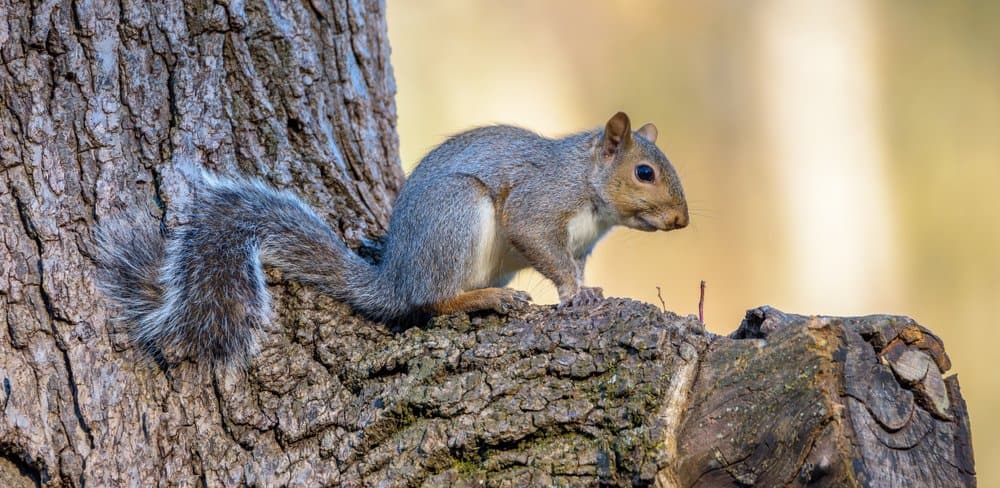
The gray squirrel is North Carolina’s state mammal

The official state mammal of North Carolina is the gray squirrel, one of the many species of rodents found in the state. The state bird is the northern cardinal, the state freshwater fish is the Southern Appalachian brook trout and the state saltwater fish is the channel bass. The state frog is the pine barrens tree frog, the state salamander is the marbled salamander, and the state reptile is the eastern box turtle. The state insect is the honey bee, and the state marsupial is the Virginia opossum, the only marsupial in North America. North Carolina’s state shell is the Scotch bonnet, which is a type of marine snail. The state also has domesticated or feral animals as symbols. They are the Plott hound and the colonial Spanish mustang, one of the rarest of the wild horses.

The Largest Animal in North Carolina
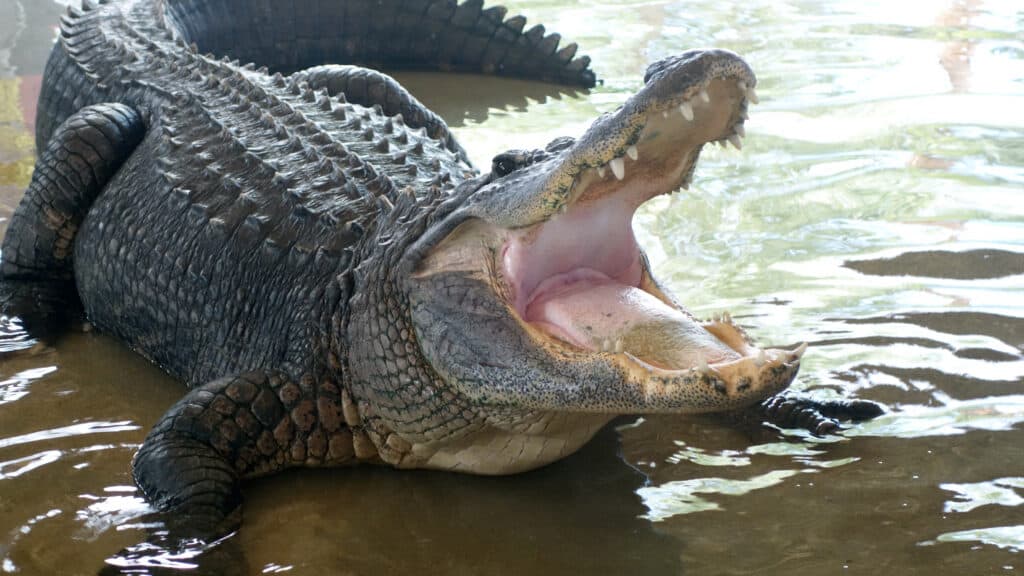
alligator

About 1,000 alligators live in North Carolina which is their northern limit

The title of largest animal in the Tar Heel State goes to the American Alligator. About 1,000 of these reptiles call the state which is their northernmost limit home. Here where the weather is cooler compared to warmer southern climes, they experience a slower growth rate and are capable of reaching 12 feet and 550 lbs.

They tend to prefer areas which have sparse human populations and as a result are drawn to army bases and parks. However, these reptiles can also be found in Cumberland, Currituck, Dare, Hyde, Robeson, and Tyrell counties. The largest populations of the state’s alligators can be found in its southernmost counties.

The Rarest Animal in North Carolina
Are Bats Mammals

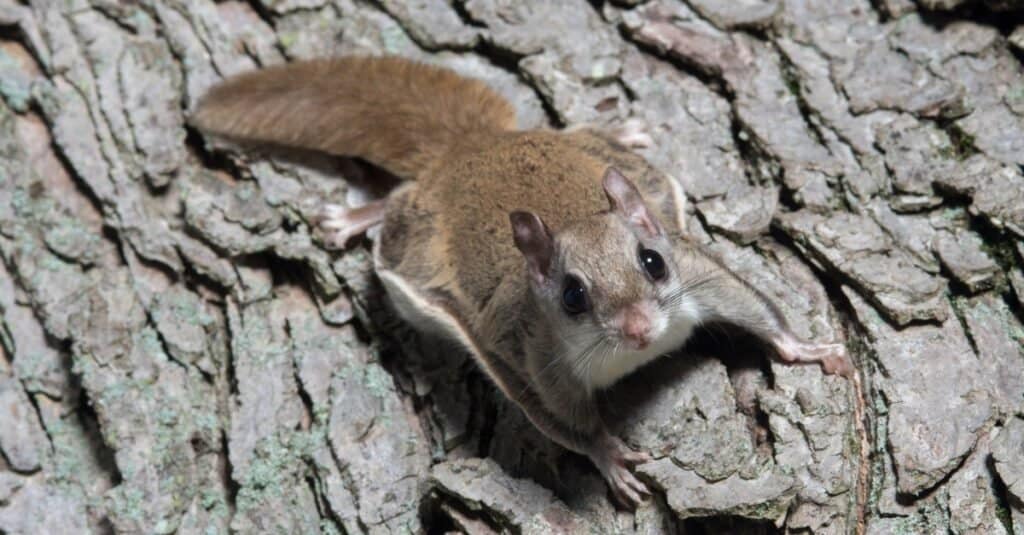
Unlike their southern cousins which are considered pests, Carolina Northern Flying Squirrels live in the Southern Appalachian mountains

The Tar Heel State is home to the endangered Carolina Northern Flying Squirrel (Glaucomys sabrinus coloratus). These rodents which have mastered the art of gliding through the air, rely on their patagium, i.e., the skin between their front and hind limbs on either side, to defy gravity. These flying squirrels live in the Southern Appalachian Mountains where they inhabit wet forests.

They are larger than their southern cousins which are considered to be pests and which are not averse to settling down in homes within the state. And since they enjoy each other’s company, they tend to show up with their relatives and set to gnawing structures and wiring, while depositing their dropping indiscriminately.

Where To Find The Top Wild Animals in North Carolina
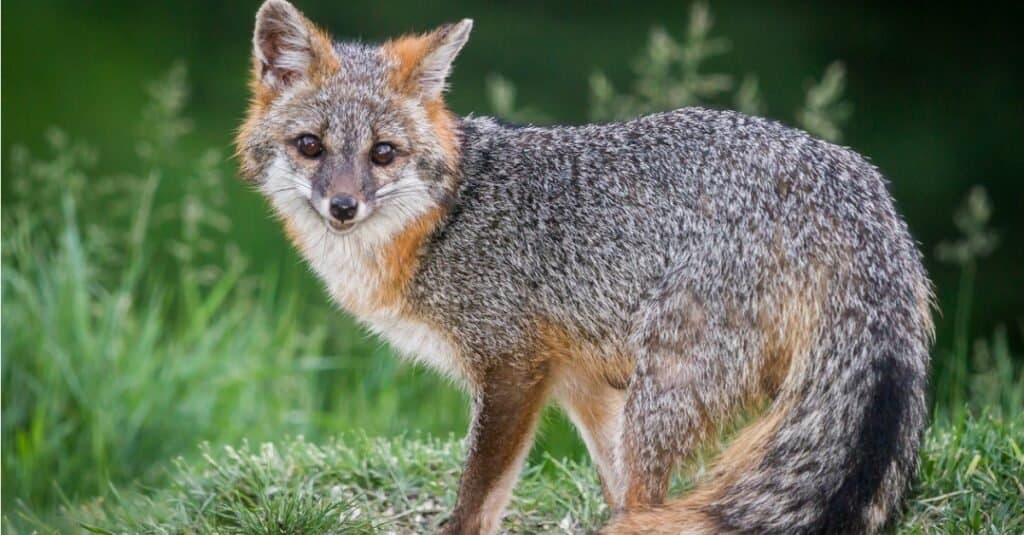
Mysterious Gray Animals - Gray Fox

North Carolina’s fauna such as foxes are not above inviting themselves to residents’ backyards or farmlands

Many of North Carolina’s top creatures are often visitors to its farms and backyards, including foxes, opossums, raccoons, rodents and of course birds, who are attracted to backyard feeders and birdbaths. White-tail deer are very common.

North Carolina’s wildlife can also be seen in its 14 national and 34 state parks and other wildlife areas. These include the famous Appalachian National Scenic Trail, the Great Smoky Mountain National Park and the Uwharrie, Croatan and Nantahala National Forests. At the Cape Lookout National Seashore, visitors can get glimpses of sharks, seabirds such as common terns and laughing gulls, wild Banker horses and different species of crab.

Mammals
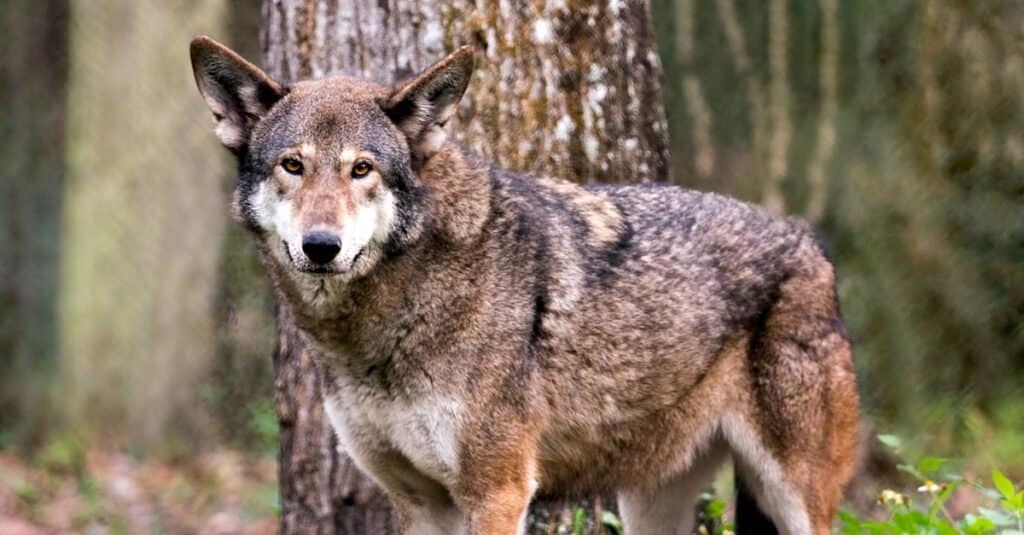
Red Wolf

Although the red wolf has been reintroduced to the state, it is currently endangered

The Banker horse gets its name because it is found on the state’s Outer Banks. Like the colonial Spanish horse, it’s descended from horses brought over by the conquistadors and are not native to the area. The horses can be a bit destructive to native plants and nesting sites but aren’t removed because of their historical importance.

Along with white-tail deer, large mammals include elk, which have been reintroduced into the state. Most of North Carolina’s native predators have been extirpated, but predators that remain include the American black bear, the gray and the red fox, the bobcat, and the coyote. The red wolf has also been reintroduced, even though it is endangered.

Smaller predators are the striped and eastern spotted skunk, the least and long-tailed weasel and the American mink, which lives near bodies of water and preys on aquatic life.

Bats, largely nocturnal, are the only mammals capable of real flight. North Carolina species include the Indiana bat, the gray bat, the Seminole bat and the hoary bat. Rodents are abundant, including the golden mouse, the cotton mouse, squirrels, chipmunks, lemmings and voles. Species of lagomorphs include the eastern cottontail and the marsh rabbit. North Carolina is also home to fossorial moles and their cousins the shrews. The nine-banded armadillo has also made its way to North Carolina. This animal’s strange reproductive strategy results in it giving birth to identical quadruplets every time.

Besides the land animals, marine mammals include pilot whales, dolphins and porpoises. The humpback whale is the most commonly seen whale off the coast. Other whales that have been observed are sperm whales and the North Atlantic right whale, which is one of the rarest of the baleen whales. Killer whales have also been seen, and harbor seals are being spotted more and more.

Birds
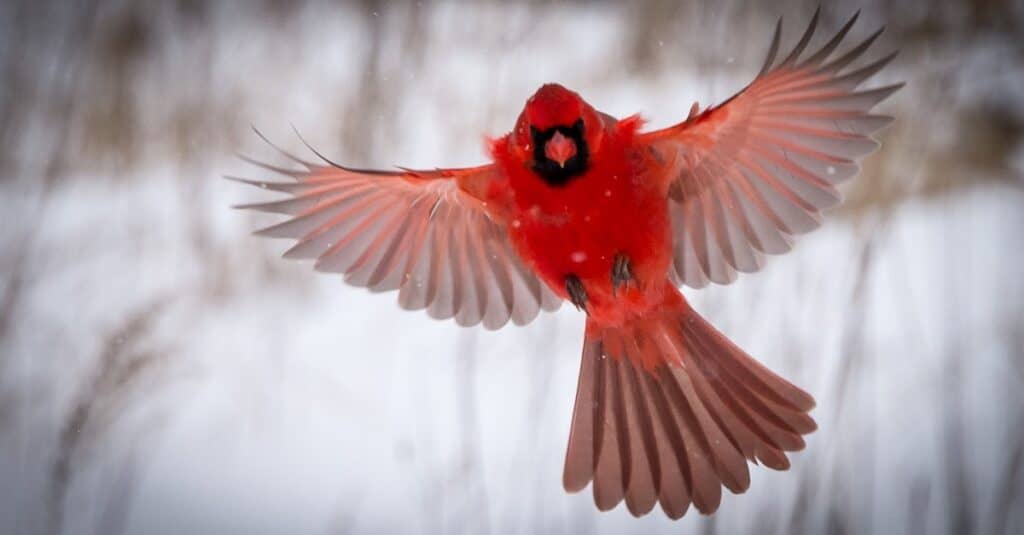
northern cardinal in snowy flight

The cardinal is the state bird of North Carolina

From the mountains to the shore, birds are found in all parts of North Carolina. The state bird is the cardinal, which can be told instantly by the bird’s crest and the male’s bright red plumage that resemble the robes of a Catholic cardinal. The only other North Carolina birds that have as much red in their plumage are the scarlet and summer tanagers.

Other birds that either visit or live year-round in North Carolina are shore and seabirds such as sanderlings, gulls and storm petrels. Inland there are waterfowl such as swans, geese, ducks, egrets, spoonbills and ibises. The anhinga can sometimes be seen perching with its wings outstretched on a branch over a body of water. Anhingas dive into the water for their prey, but since their feathers aren’t waterproof like those of ducks and geese, they have to open their wings to dry them out.

North Carolina also has birds of prey such as hawks, falcons, eagles, ospreys, vultures and owls, who are mostly nocturnal. Woodpeckers live in North Carolina’s forests, and their number may include one of the rarest, the ivory-billed woodpecker. Some people even believe that this woodpecker is extinct.

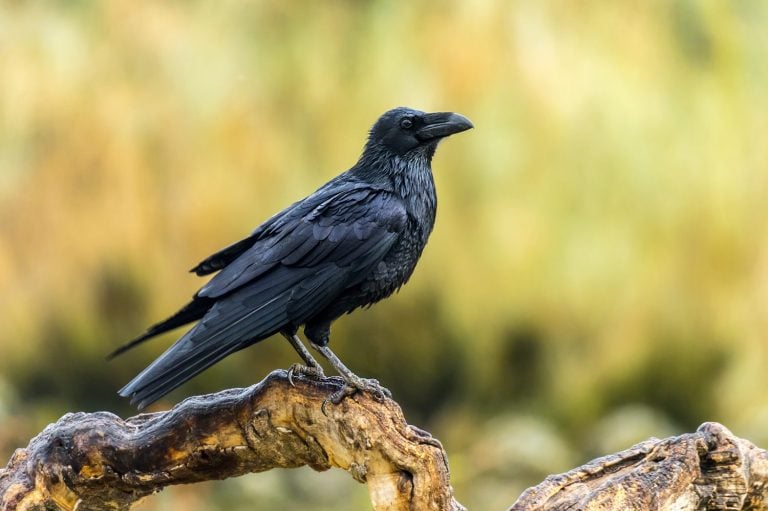
Other North Carolina songbirds are vireos, phoebes, flycatchers, chickadees, titmice, crows and blue jays, ravens, swallows and swifts, and the cedar waxwing, which sometimes gathers in great flocks in city trees. There are wrens, catbirds, thrashers and the northern mockingbird, starlings, pigeons and sparrows. The Louisiana waterthrush, which is not a thrush but a warbler, shows up in North Carolina, as does the American robin, which is a thrush.

Fish
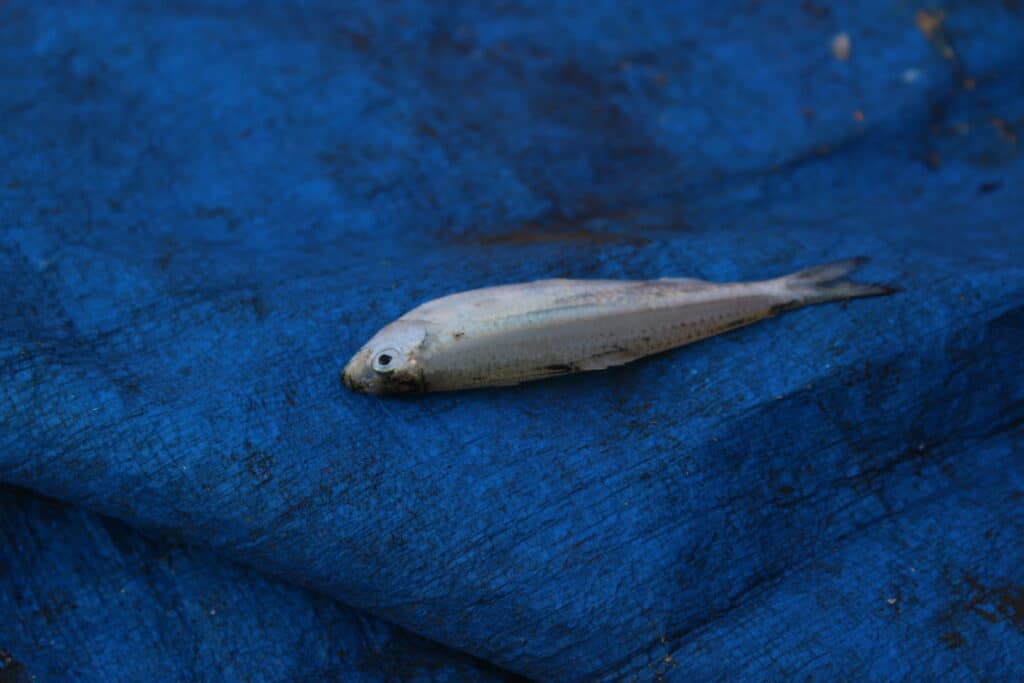
American shad

North Carolina contains an abundance of saltwater and freshwater fish including bluefin tuna and shad

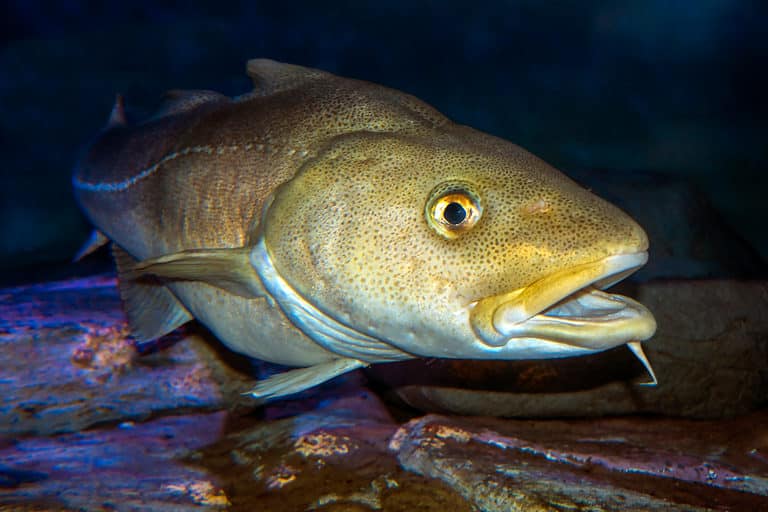
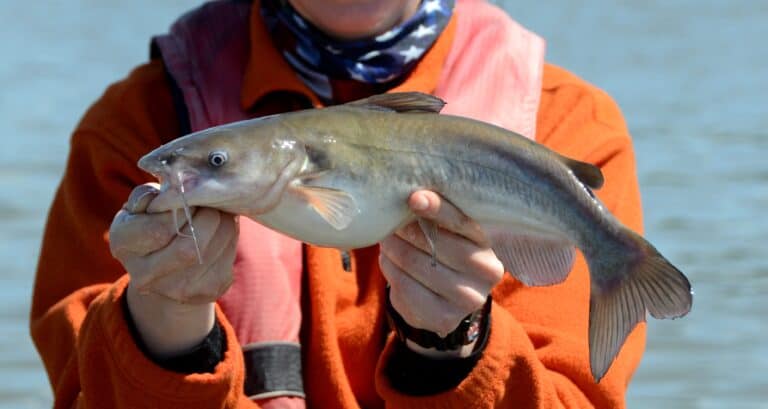
Because it borders the Atlantic Ocean and is full of lakes, rivers and streams, the state has a wealth of freshwater and saltwater fish. Freshwater fish include pumpkinseed, different species of bass including the Roanoke and largemouth bass, perch and pickerel, shad, carp, trout, walleyes and a fish called the Cape Fear shiner. This 2 inch long fish is only found in the upper basin of the Cape Fear River and is endangered.

Saltwater fish include several species of shark. Other fish are the dolphinfish (aka mahi mahi), cobias, sea mullets, bonitos and searobins, spots, mackerels, bluefin, skipjack and yellowfin tuna, types of billfish, pompano, menhadens and stingrays. Others are the ugly toad, scamps, gags and a strange looking fish called the pigfish.

Reptiles and Amphibians
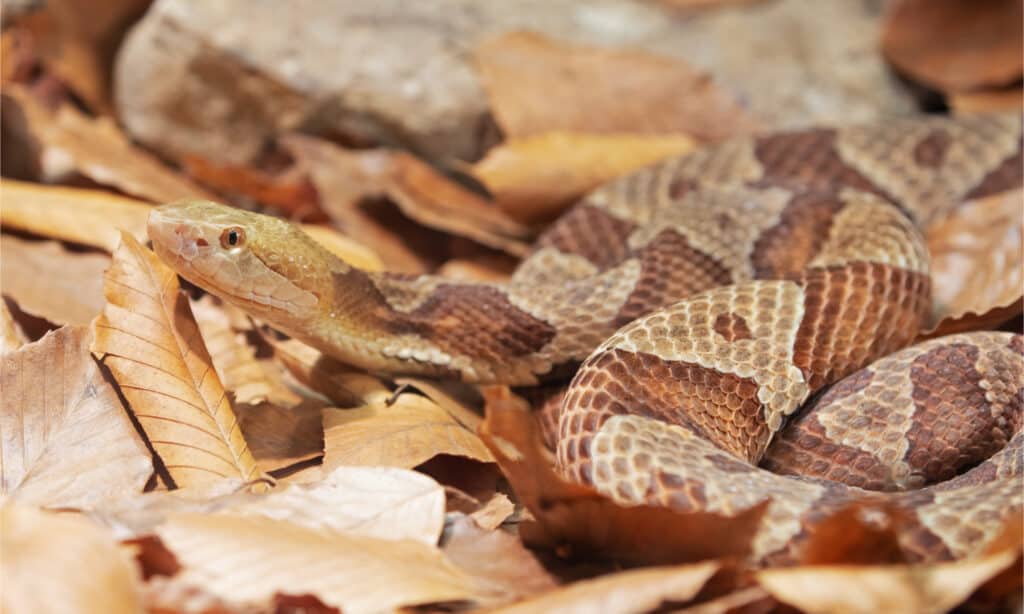
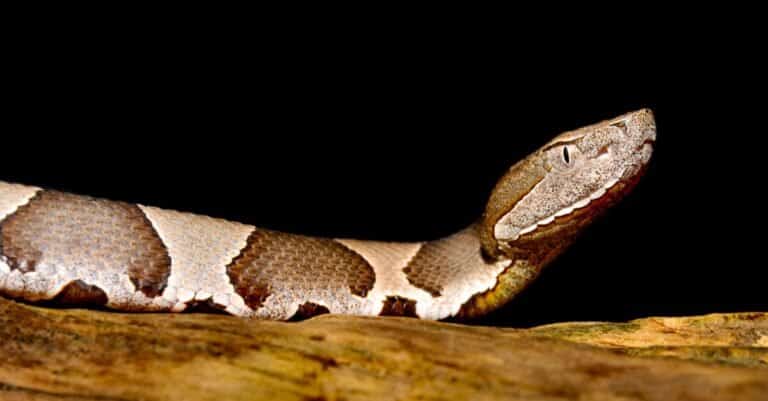
North Carolina is home to the eastern copperhead as well as several other snake species

The relatively mild climate of North Carolina allows many species of reptiles and amphibians to live there comfortably. The largest of these animals is the American alligator which is found in the bodies of fresh water in the southern part of the state. It is indeed rather common in this area and can even be found sunning on the beach. Males can weigh over 500 pounds and grow to 13 feet in length. Females are a little smaller.

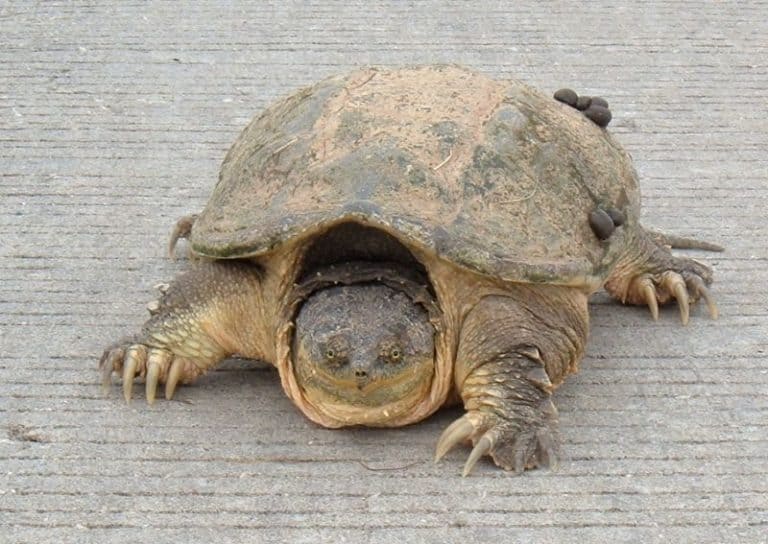
Turtles of North Carolina include the eastern chicken turtle, which gets its name because it tastes like chicken. There’s the eastern musk turtle, the red-eared slider, the snapping turtle, the Cumberland slider and the eastern box turtle, which is the state turtle. The ocean is home to some of the rarest of the sea turtles, including the Atlantic hawksbill sea turtle and the Kemp’s ridley sea turtle, both of which are critically endangered.

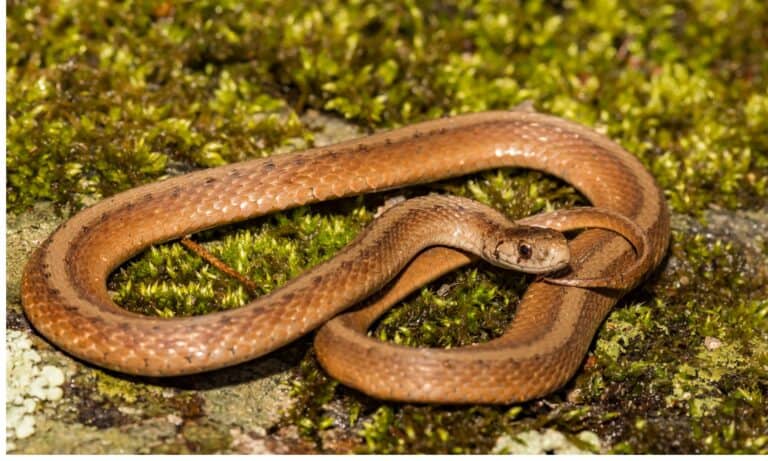
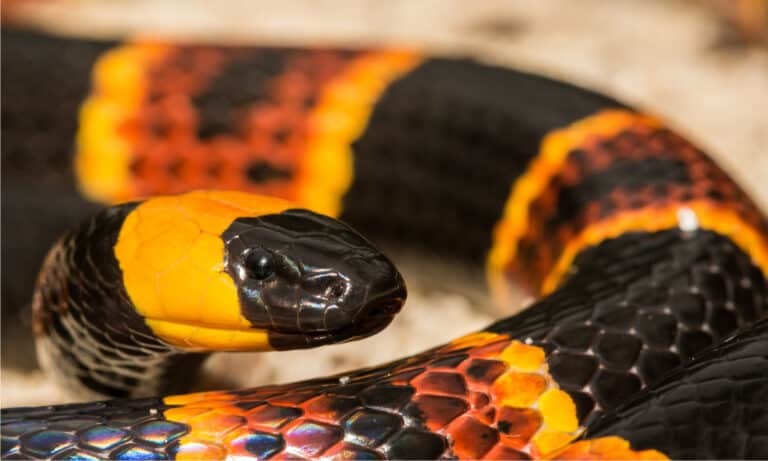
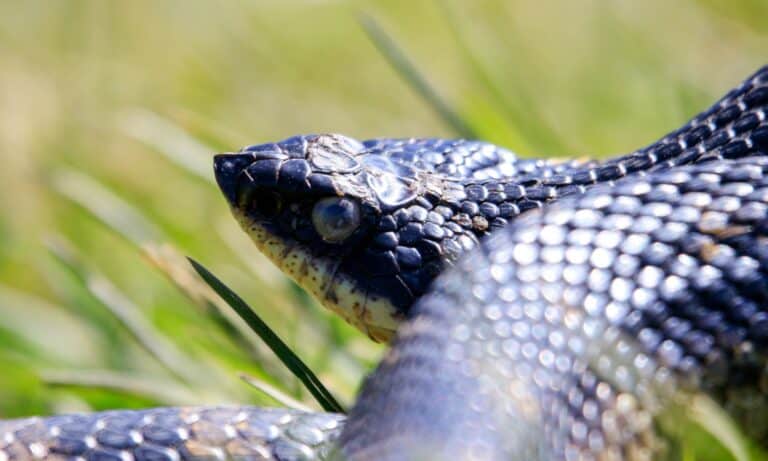
North Carolina is full of snakes, though most snakes try to be elusive. There are brown snakes, water snakes, hog-nosed snakes, milksnakes and swampsnakes, ratsnakes, cornsnakes and coachwhips and black racers. There are ribbon snakes, gartersnakes, crownsnakes and earthsnakes. Some snakes are venomous. They include the eastern copperhead, the northern cottonmouth and the timber rattlesnake. Other dangerous snakes are the eastern diamond-backed rattlesnake and the Harlequin coral snake.

Lizards are also common in North Carolina. Among them are the Mediterranean gecko, which was introduced but is right at home in the state. Others are the green anole, which can change color and the eastern fence lizard. There are also species of skinks and glass lizards, which are legless and look like snakes. They get their name not because they’re transparent but because it is very easy to snap off their tail.

The Piedmont, or the feet of the North Carolina mountains are full of swamps and marshes, which is perfect habitat for amphibians whose skin must be kept moist. Among them are the mudpuppy, the eastern lesser siren and a strange eel-like salamander called the two-toed amphiuma. There’s also the red-spotted and broken striped newt, the Junaluska salamander, the Santeetlah dusky salamander and the Yonahlossee salamander.

Some frogs and toads are the eastern American toad, the little grass frog, the barking tree frog, the American bullfrog and the oak toad, the smallest toad in North America at between three quarters to an inch to a little over an inch long.

Insects and Other Arthropods
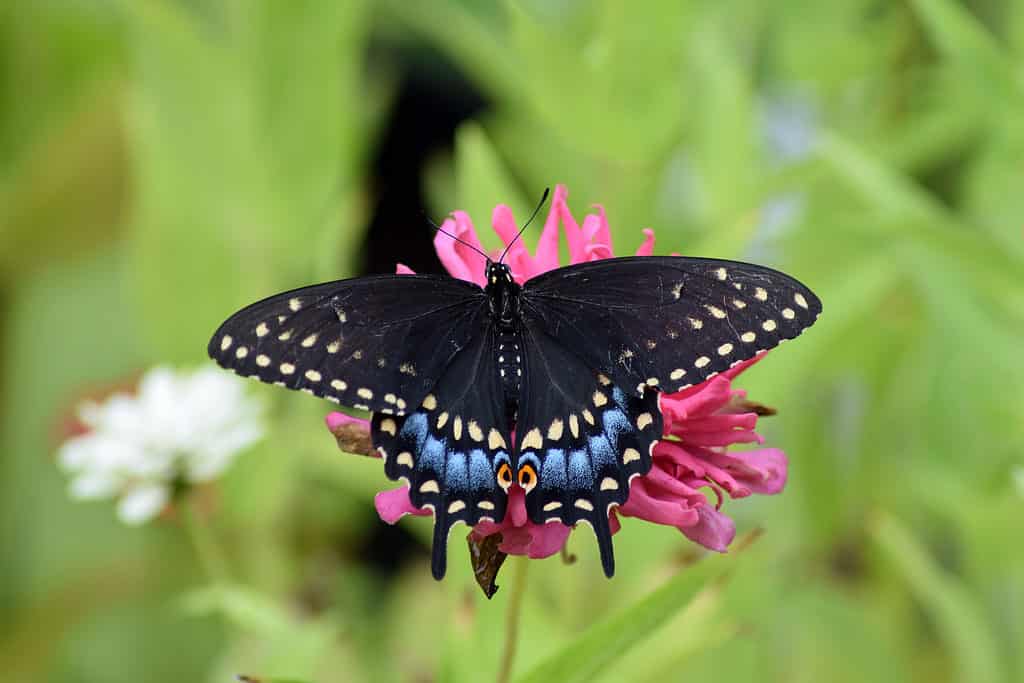
Center frame: A black swallowtail butterfly invisible feeding on a pink flower. The butterfly is rather large and mostly black with some lighter marking odf louth yellow and blue on ithe edges of its tail and wings. The background consists of out-of-focus greenery.

The black swallowtail butterfly is one of North Carolina’s many insect species

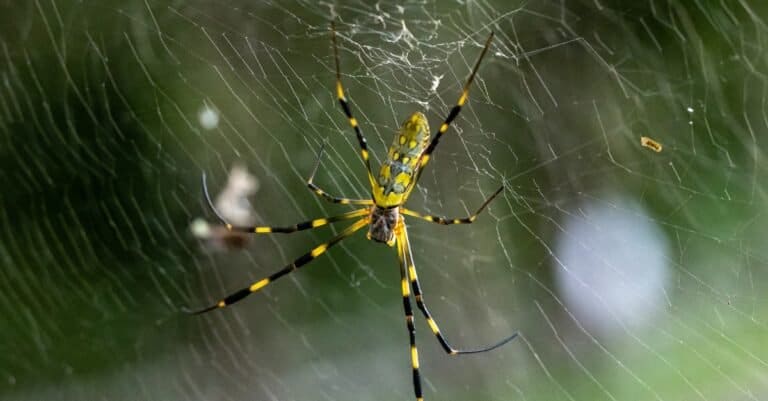
There are well over 10000 species of insects and other arthropods in North Carolina. Spiders include the black widow, the ant mimic spider, crab spiders, orb weavers and jumping spiders. You can read about the largest spider in North Carolina. There are also colorful dragonflies, craneflies and damselflies, ladybugs and assassin bugs, horseflies and weevils, fireflies and blister beetles. Butterflies and moths are plentiful and include the bluish spring moth and the black swallowtail butterfly.

There is a wealth of ants, bees, hornets and wasps including the cow killer, which gets its name because its sting is so ferocious it should be enough to kill a cow. Other insects are grasshoppers, kudzu bugs, planthoppers, crickets, katydids, roaches, flies, stinkbugs, mosquitoes and cockroaches. Joining them are other arthropods such as the greenhouse millipede, the house centipede, pseudoscorpions, the southern devil scorpion, daddy long legs and the sow bug. Crayfish are found in North Carolina streams and creeks and help to keep them clean.

Other invertebrates found around North Carolina’s shores include jellyfish, sea stars, sea urchins, sea anemones and marine mollusks.

Zoos in North Carolina
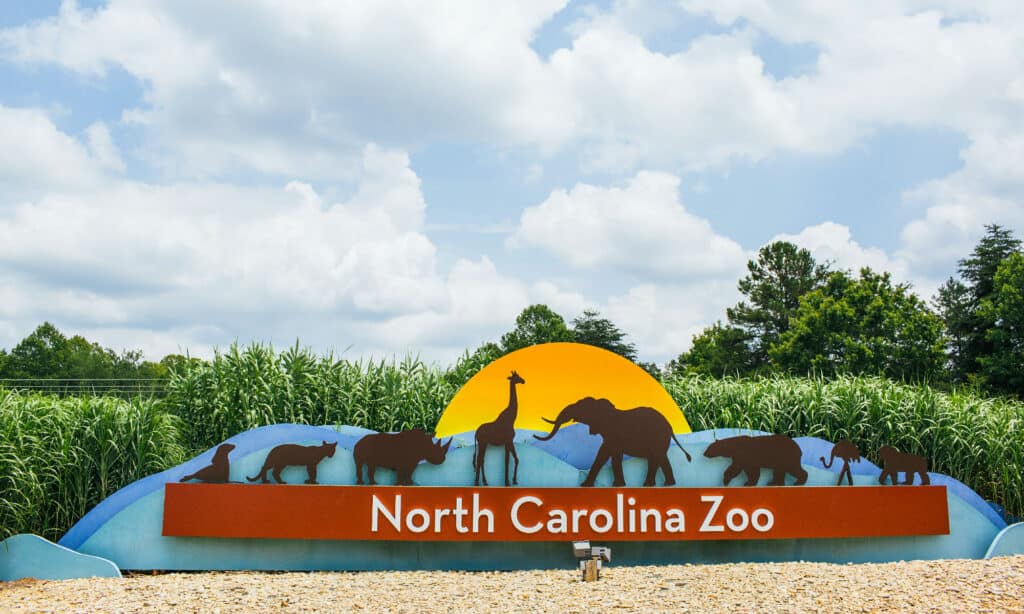
North Carolina Zoo

The North Carolina Zoo is home to 1,800 animal species

People who’d rather see more exotic animals at North Carolina zoos can visit the North Carolina Zoo in Ashboro, the Greensboro Science Center, the Western North Carolina Nature Center in Asheville, the Tregembo Animal Park in Myrtle Grove and the Mill Mountain Zoo in Roanoke.

North Carolina is also home to numerous wildlife refuges. These include the Alligator River National Wildlife Refuge in its eastern part by the Atlantic Coast, and the Pea Island National Wildlife Refuge which provides nesting areas for shorebirds and even rookeries, too. Avian species which can be seen there include ducks, geese, piping plovers, red-cockaded woodpeckers, roseate terns, and swans.

Wild Animals in North Carolina
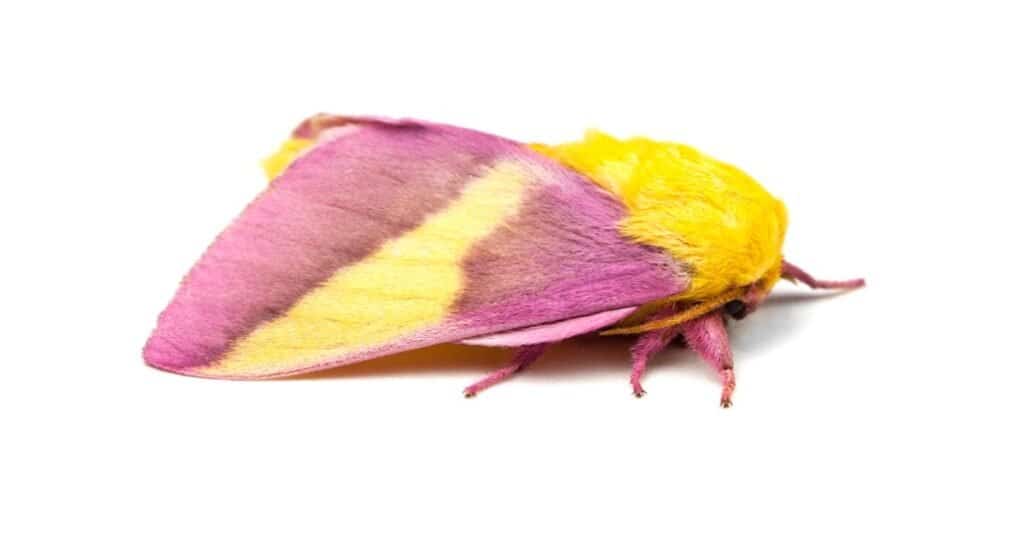
Rosy maple moth

The rosy maple moth is known for its pink and yellow wings which resemble maple tree samaras

Other wild animals found in North Carolina are the peacock fly, which is a type of fruit fly given its name for its bright coloration. These tiny flies are pests on fruits and other crops, but some are used to control weeds. The rosy maple moth is a beautiful pink and pale yellow moth whose wings resemble maple tree samaras.

The northern flying squirrel is considered endangered in North Carolina but is considered of least concern overall. It is a nocturnal rodent that eats plant material and glides from one tree to the other using a membrane attached to its legs called a patagium.

The wahoo is a fast, torpedo-shaped fish found in the ocean. It is prized as a game fish, and its flesh is good eating.

The northern short-tailed shrew is one of the few venomous mammals. Its venom is surprisingly similar to that of the Mexican beaded lizard.

The Most Dangerous Animals In North Carolina Today
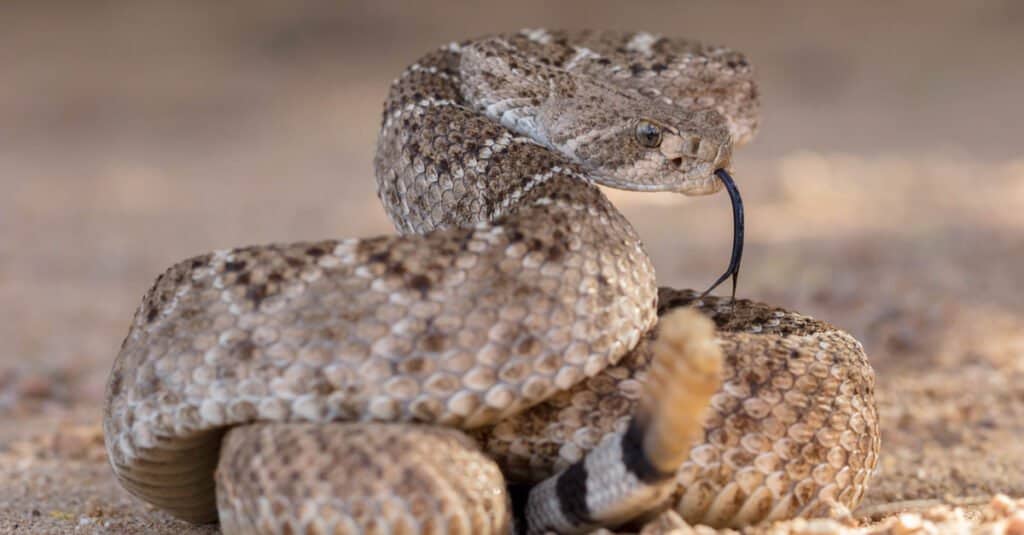
Western Diamondback Rattlesnake (Crotalus atrox)

The eastern diamondback rattlesnake has the longest fangs of any rattlesnake and a potent venom

Here are some animals to be respectful of in North Carolina:

  • Eastern diamondback rattlesnake. This heavy-bodied snake can grow to over 7 feet in length and weigh over 10 pounds, and its fangs are the longest of any rattlesnake. Though it’s not terribly aggressive, its venom is powerful, and 10 to 20 percent of people who are envenomated die if they are not treated.
  • Sharks. The hammerhead, bull and tiger sharks swim off the coast of North Carolina and have been known to attack humans. Since the great white shark swims all over the world, it is also encountered in the waters off of North Carolina.
  • Alligators. Though fatal attacks are rare, any bite from a reptile capable of 2961 pounds of force is very serious and must be treated immediately.
  • Mosquitoes. In her quest to find a blood meal for her babies, the female mosquito spreads a variety of diseases in North Carolina, including the West Nile and Zika viruses.

Endangered Animals In North Carolina
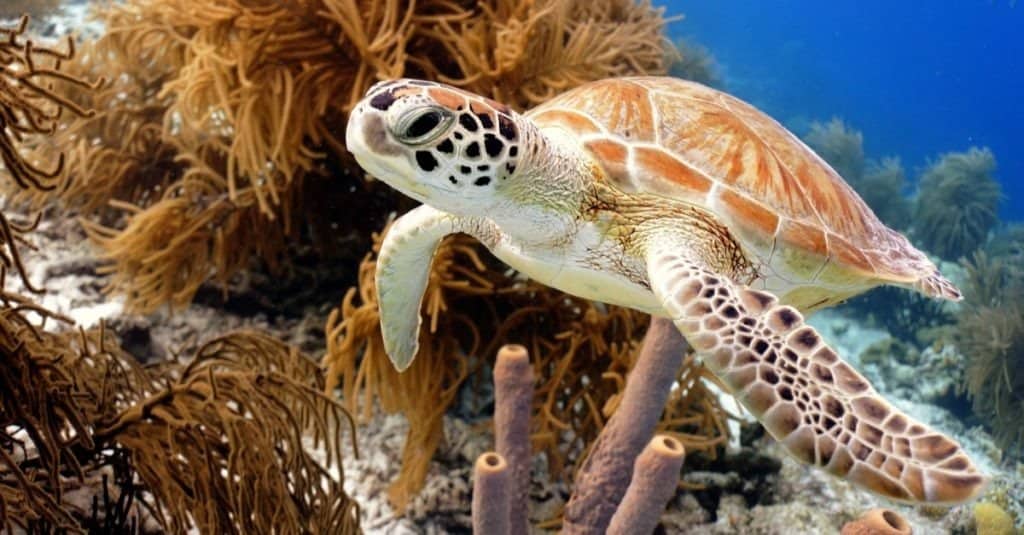
Green Sea Turtle swimming along tropical coral reef, Bonaire

Green sea turtles are an endangered species in North Carolina and are affected by habitat disruption

  • Colonial Spanish mustang. This feral horse, introduced by the Spanish Conquistadors hundred of years ago, is critically endangered.
  • Eastern small-footed myotis. This little bat is a type of vesper bat, which means it comes out in the evening. It’s considered endangered and eats mostly moths, as the hard shells of beetles are difficult for it to handle.
  • Sea Turtles. Nearly every sea turtle that swims off the coast of North Carolina, including Kemp’s ridley sea turtle, the Atlantic hawksbill, the green, the loggerhead or the leatherback is endangered due to habitat disruption, pollution and getting entangled in ropes and traps meant for other marine life. Even artificial light can disorient hatchlings as they attempt to make their way from the land to the sea.
  • Neuse River waterdog. This is a type of mudpuppy that’s found only in North Carolina. It’s classified as threatened due to pollution of its habitat.

Rivers in North Carolina
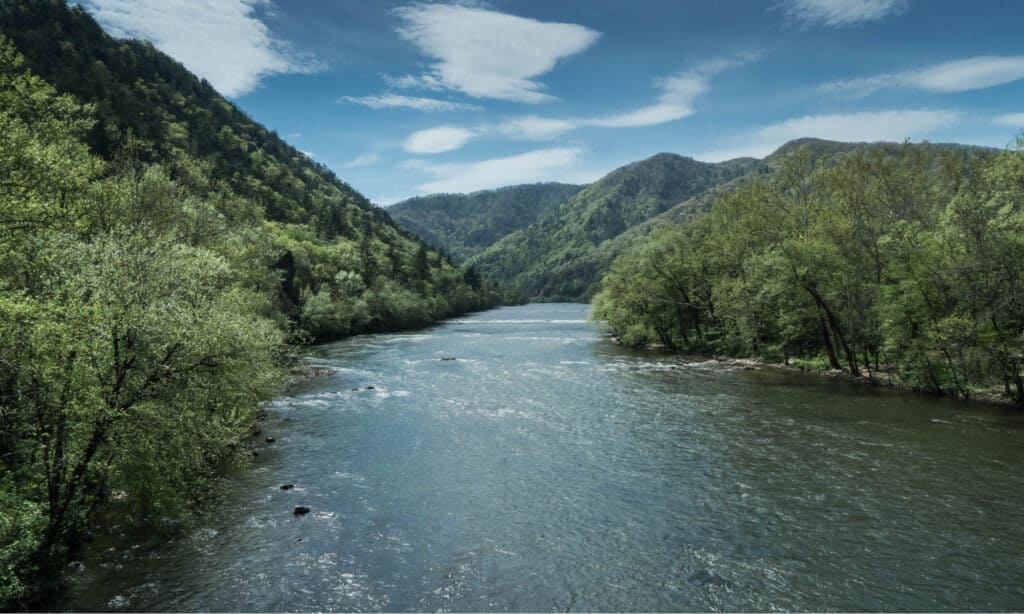
Largest River in North Carolina - French Broad River

North Carolina’s rivers support an impressive variety of wildlife

There are several notable rivers in North Carolina that are home to a vast diversity of wildlife. The New River flows across West Virginia, Virginia, and North Carolina. Its wetlands and habitats are home to 65 species of mammals, 40 species of reptiles, and a number of birds.

There is also the Roanoke River which contains the greatest quantities of water compared to any other river in the state. It runs through the Roanoke River National Wildlife Refuge which supports warblers (cerulean, Kentucky, and Swainson’s) and mallards, wood ducks, and widgeons. Other key rivers in North Carolina include the Tar River, Neuse River, and Pee Dee River.

Native Plants in North Carolina
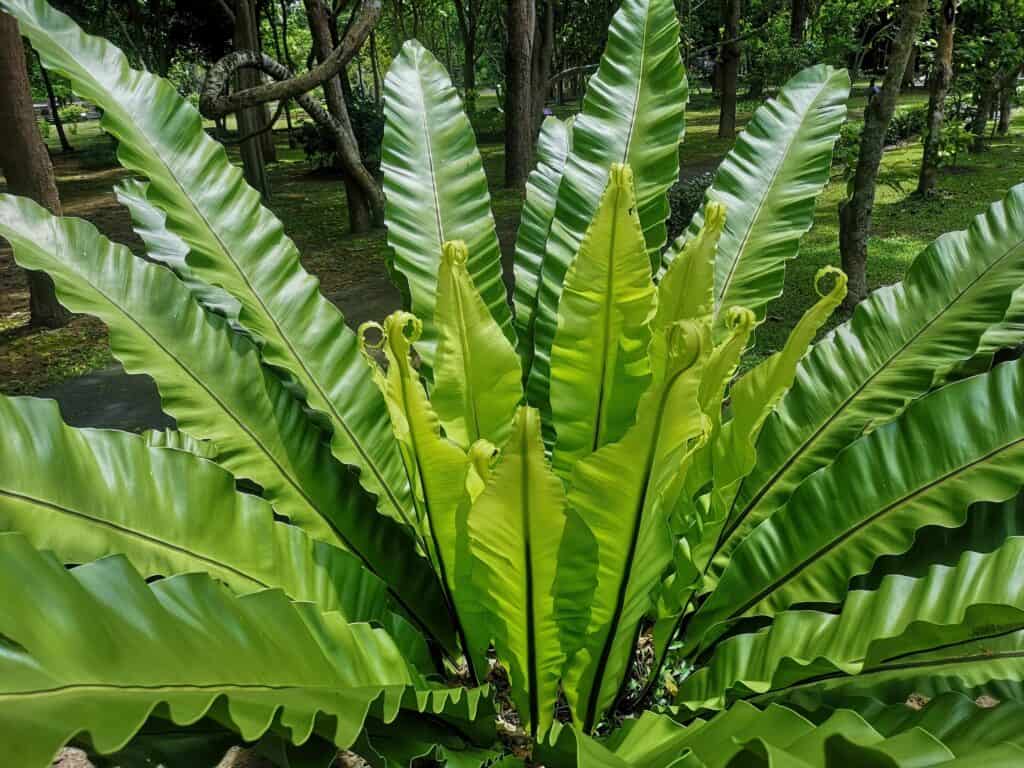
The Christmas fern is one of North Carolina’s many native plants

North Carolina is home to a wide variety of plants, with over 30 orders of plants present in the state. Some native plants in North Carolina include buttonbush, Carolina rose, cranberry, low bush blueberry, sundrops, swamp rose, and Christmas fern, among others.

Among these plants, many trees in North Carolina play a vital role in the environment, providing habitat for wildlife and offering numerous benefits to communities. Some native trees in North Carolina include American holly, American plum, black cherry, eastern hemlock, eastern redbud, Fraser fir, and sourwood.

Animals Found in North Carolina

298 species documented in our encyclopedia

Thank you for reading! Have some feedback for us?