
Quick Take
- Beavers are surprisingly bad at controlling where a tree falls, yet they still manage to get exactly what they need from it. See a beaver in action →
- A beaver dam isn't where beavers live, so what is it actually for? Find out what dams are for →
- One felled tree can serve two completely different purposes for a beaver, and neither one is what most people guess first.
- Beavers' eating habits shift dramatically with the seasons, and this shift changes why they cut trees down in the first place. Explore their seasonal diet →
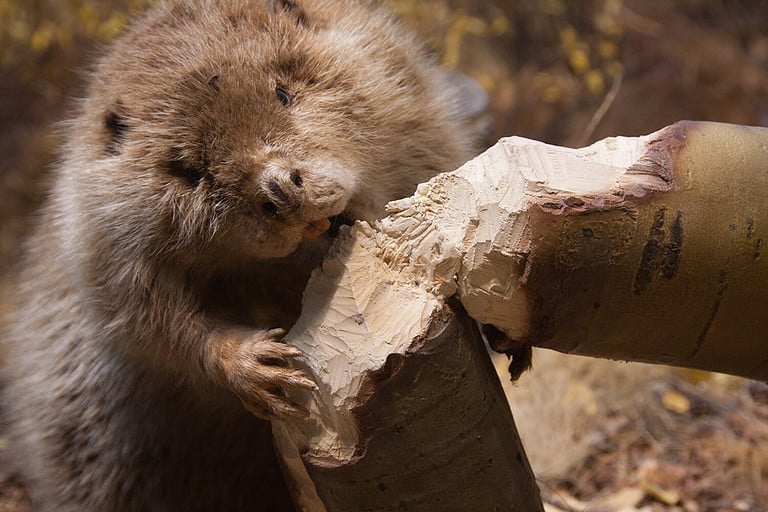
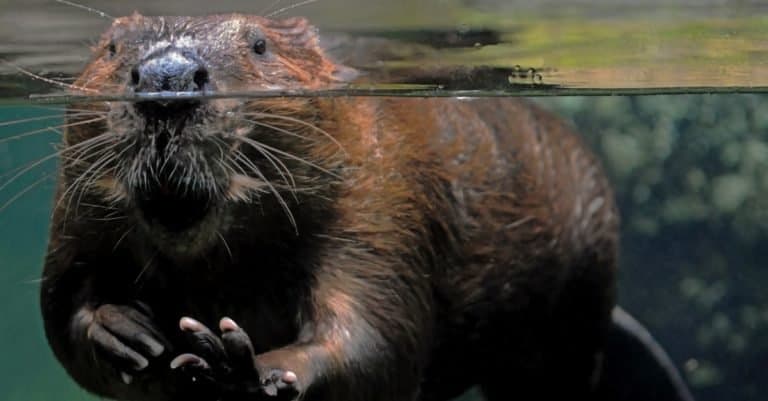
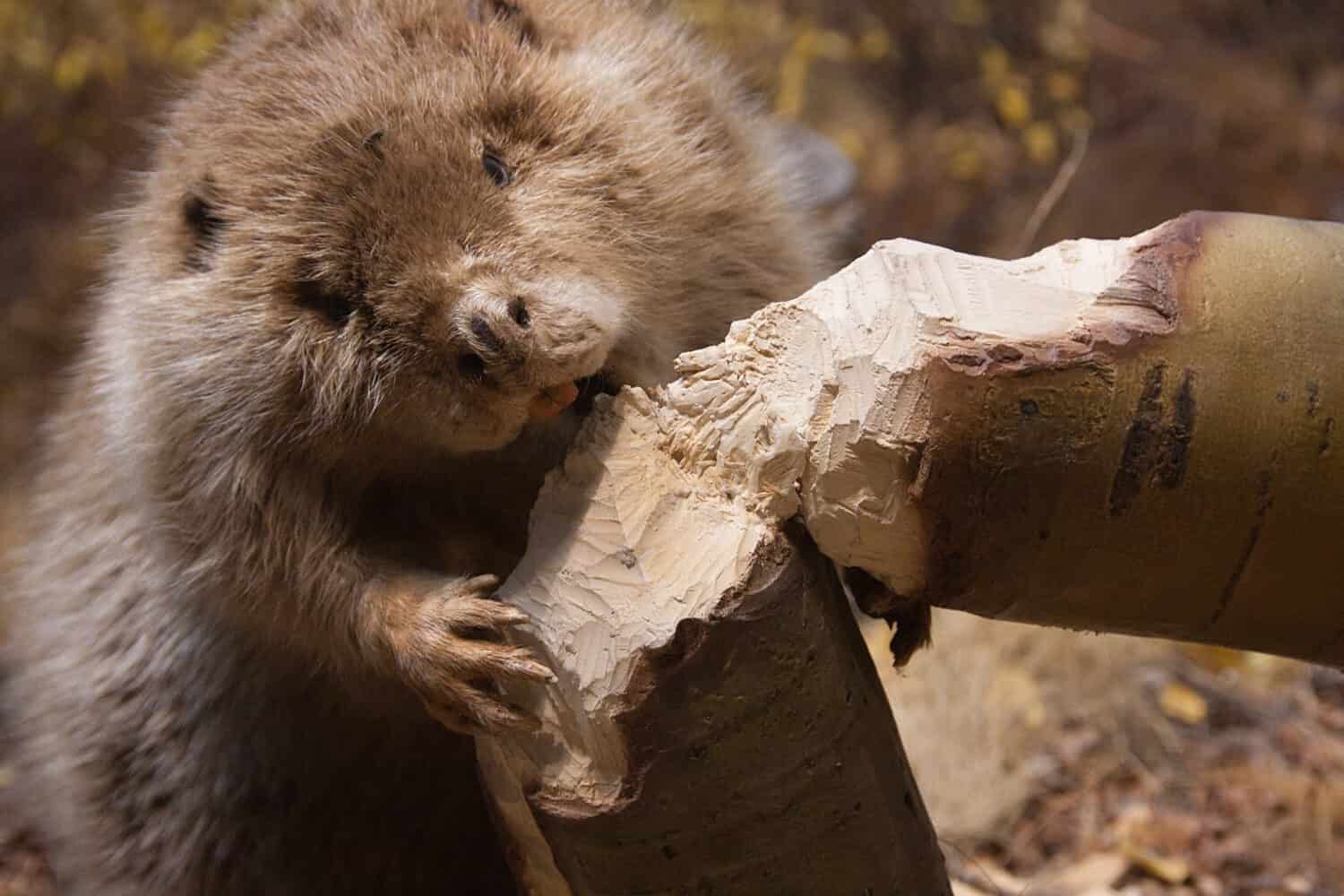
If you have ever wondered where the phrase “busy as a beaver” comes from, this clip makes a pretty good case for it. The footage follows a beaver repeatedly gnawing around the base of a tree until the trunk finally gives way. The work stretches across daylight and darkness, with the animal returning to the same tree again and again before it eventually comes crashing down.
Beavers are remarkably effective at felling trees, but they are not lumberjacks calculating exactly where each one will land. They generally chew around the accessible portions of the trunk, gradually weakening it until gravity takes over. The payoff is significant: one fallen tree can provide both food and plenty of material for building or repairing a lodge or dam.
Watch a Beaver Work Its Way Through a Tree
Where Do Beavers Normally Live?
There are two living species of beaver: the North American beaver (Castor canadensis) and the Eurasian beaver (Castor fiber). North American beavers are native to most of Canada and Alaska, much of the contiguous United States, and portions of northern Mexico. They are largely absent from the Arctic tundra and some of the driest parts of the southwestern United States.
Beavers are semiaquatic mammals, so suitable habitat always revolves around water. They can live along rivers and streams and around lakes, ponds, marshes, and other wetlands where there is enough vegetation for food and building material. Their ability to alter waterways by cutting trees, digging channels, and building dams is why beavers are often called ecosystem engineers.
Do Beavers Live in Dams?
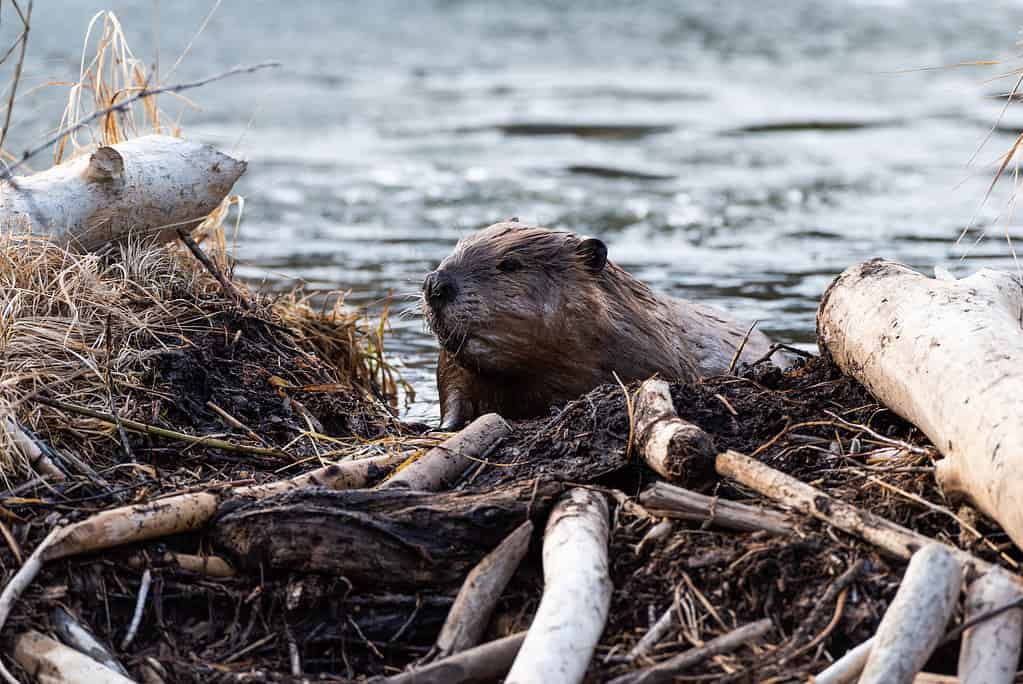
Beavers build dams to protect their lodges.
©Dan Pepper/iStock via Getty Images
Beavers may build dams, but the dam itself is not their home. They usually live in lodges made from sticks, mud, and other vegetation or in dens dug into riverbanks and shorelines. These homes typically have underwater entrances that let the animals come and go while remaining relatively protected from predators.
Dams serve a different purpose. By slowing moving water and raising its level, a dam can create a deeper pond around a lodge or bank den. That helps keep entrances underwater, gives beavers safer access to food, and provides enough depth for swimming and storing branches for winter. Beavers living beside naturally deep lakes or rivers may not need to build a dam at all.
Why Do Beavers Cut Down Trees?
Beavers cut down trees to access food and to gather building material. They are herbivores that eat leaves, twigs, shoots, and the soft inner layer beneath tree bark known as cambium. Despite all that chewing, they generally do not eat the dense wood in the center of the trunk. Much of that material can instead wind up in dams and lodges.
Their diet also changes with the seasons. During warmer months, beavers eat plenty of grasses, sedges, aquatic plants, and other leafy vegetation. In fall and winter, woody foods such as bark and twigs become more important. Beavers often cut branches ahead of winter and store them underwater near their lodge, allowing them to reach food even when the surface freezes. So the tree in this video could ultimately serve more than one purpose: part pantry, part construction supply.