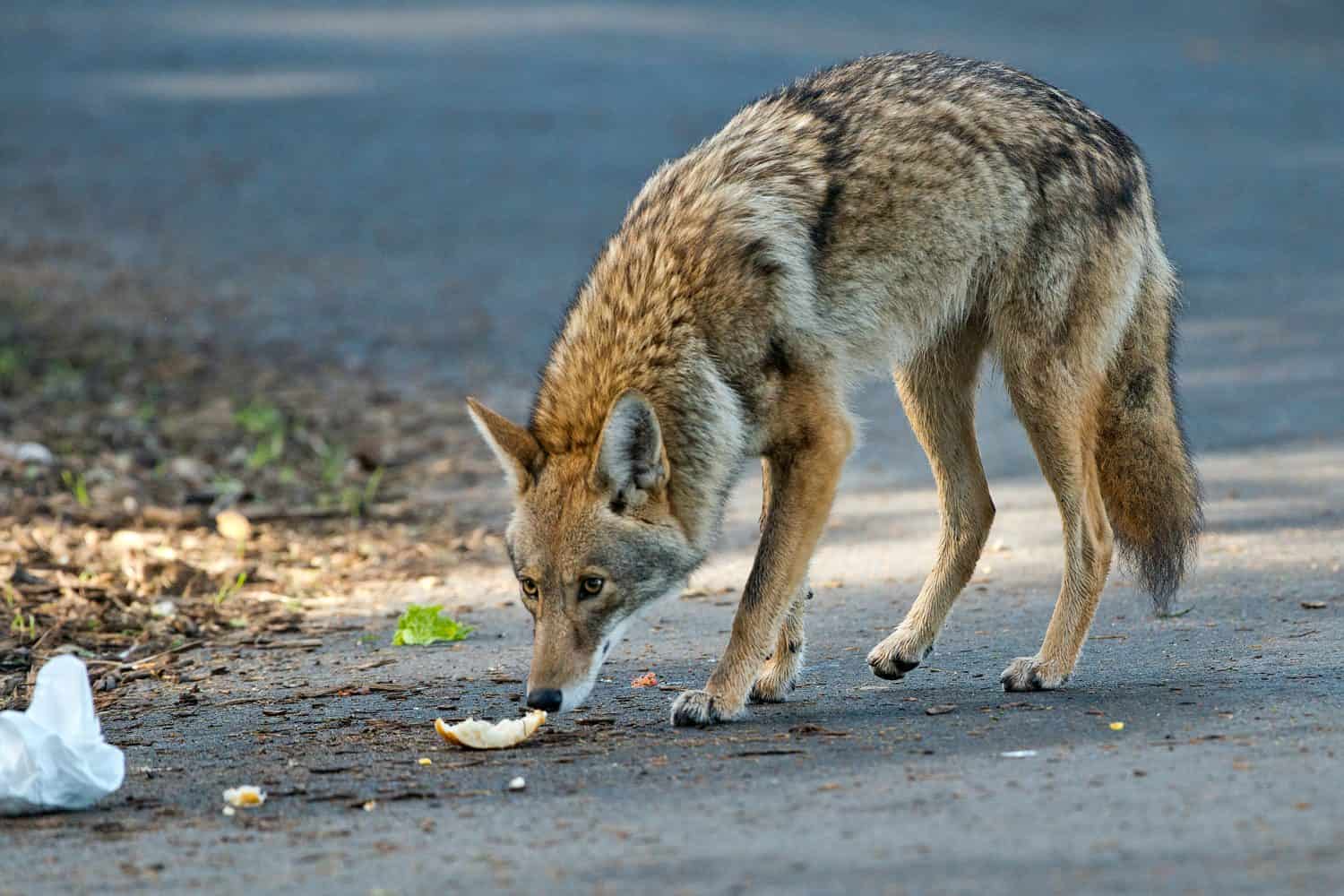

Coyotes are a fairly common predator across North America. While the spread of humans and urbanization has negatively impacted many species, coyotes have taken these habitat changes in stride. They’re common even in urban areas, where they are almost exclusively nocturnal.
In this article, we’ll go over the Coyote population in this area, where you can find them, and the hunting regulations surrounding them.
How Common Are Coyotes in Washington State?
Coyotes are fairly common in Washington State. It’s estimated that around 50,000 coyotes live in Washington, and this population is only increasing. They’re becoming more and more common in urban areas, so don’t assume they’re not in your area just because you live in Seattle.
These coyotes are extremely adaptable. They’re found in virtually all habitats, which is why their population is increasing. They even have a healthy population in Seattle and have been spotted swimming in the Puget Sound.
Seattle and the surrounding areas are not a part of coyotes’ original range. However, they have taken advantage of human spread to expand their territory. Human expansion has lowered the population of other species and coyotes sometimes step into the hole left.
Before urbanization and habitat fragmentation, coyotes had several natural predators. For instance, they would regularly be preyed upon by cougars and wolves. However, human activities have decreased and shrunk these bigger predators’ range. Therefore, coyotes are better able to thrive in areas where humans keep larger predators out.
Coyote’s Impact in Washington State
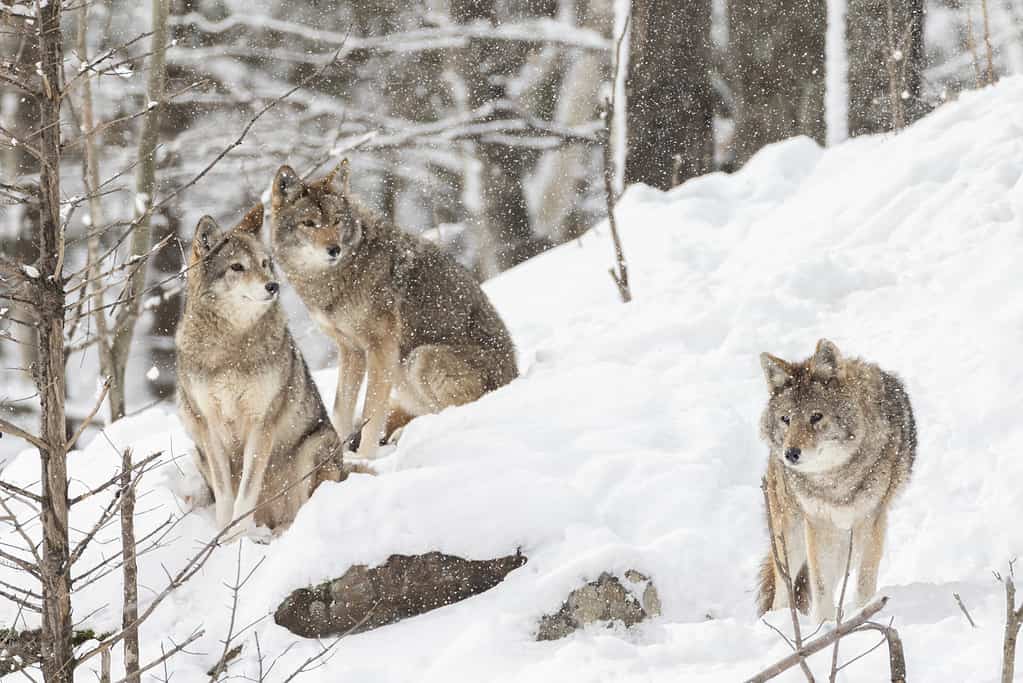
Coyotes are social creatures and may travel many miles as the season changes to find new food sources.
©mirceax/iStock via Getty Images
Coyotes play an important role in Washington State’s ecosystem. They’re primarily predators of small animals, like rabbits and rodents. They can help keep the rodent population in check and prevent overpopulation in other species.
Occasionally, they can also consume large animals if they find them injured or at risk. As omnivores, they also consume carcasses and help “clean up” the natural world and the sides of the highway. In urban settings, they may also consume trash and scraps they find lying around.
Their varied die this likely a large reason why they are able to thrive in a range of habitats and alongside people. They will eat anything edible they can find.
That said, coyotes are not considered a keystone species. They perform much of the same functions as other predators in the ecosystem. However, coyotes are more adaptable than most other predatory species, allowing them to thrive in places few animals can, like in the middle of a city.
Coyotes rarely attack humans. For one, coyotes are very small, weighing between 22 to 33 pounds. They’re about one-third the size of wolves and around the weight of a medium-sized dog. They cannot do much to an adult human, and the risk of attacking a child often outweighs the potential benefits.
In rare cases, coyotes may become accustomed to human presence in urban areas, losing some of their fear. However, coyotes are still rarely aggressive. If a coyote is acting aggressively, there is a good chance they have rabies or a similar condition.
In urban settings, coyotes pose a threat to pets. They may hunt small dogs and cats. However, when people are around, they’ll typically stay clear. In most cases, they only hunt pets when food is scarce or if they find them off by themselves.
It’s important to recognize that coyotes are not a threat to humans in most cases. They don’t carry diseases and rarely pose a direct threat.
Can You Hunt Coyote in Washington State?
Washington State does not classify coyotes as game animals. Therefore, there is not an “open season” for coyotes. They aren’t a very popular animal to hunt in Washington State, either.
However, this species can still be hunted in Washington State if you have a valid hunting license. Very few other regulations control how and when you can hunt coyotes. Dogs are not allowed and there are bag limits depending on the area.
If you want to trap coyotes, you need a special trapping license that is separate from the hunting license. Only cage traps are permitted, and you must deploy them properly to prevent trapping other species of animals.
In some areas, hunting of coyotes may be encouraged due to their lack of natural predators. Since many coyotes live in areas without large predators, humans are the only species that can keep their population in check.
That said, coyotes have a fast reproduction rate, and hunting may not significantly affect their population. Overall, hunting coyotes likely won’t lower their population, but it may help in specific localized areas.