
Quick Take
- One strange trapper habit made a beaver pelt worth far more than a fresh one. See the prized pelts →
- A single hat trend lured rival companies deep into unmapped territory. Follow the companies inland →
- Losing one rodent quietly erased landscapes far beyond its own habitat. See the lost landscapes →
- Fashion launched the beaver's collapse, and fashion ended it, but the comeback has a twist. Discover the comeback →
One particular animal once sparked a fashion sensation: the beaver. For roughly two centuries, fashionable European men wore hats made of beaver felt, and the demand for beaver fur single-handedly drove the North American fur trade from the 1600s into the 1800s. The trade pulled enormous, wealthy companies deep into the continent along Indigenous trade routes, reshaping relationships with Indigenous nations, and cutting beaver numbers to a small fraction of their former total.
What happened when this hat craze faded, and what did this boom do to beaver populations? While the beaver recovered much of its traditional range, it has a fascinating and storied past. Here’s everything you need to know about the beaver fur boom in North America, including its darker history and what came after.
Why Did Beaver Fur Become So Popular?
There are many practical reasons beaver fur was used for clothing. A beaver pelt has two layers: long, coarse guard hairs and a dense, soft underfur. The underfur is where it gets interesting.
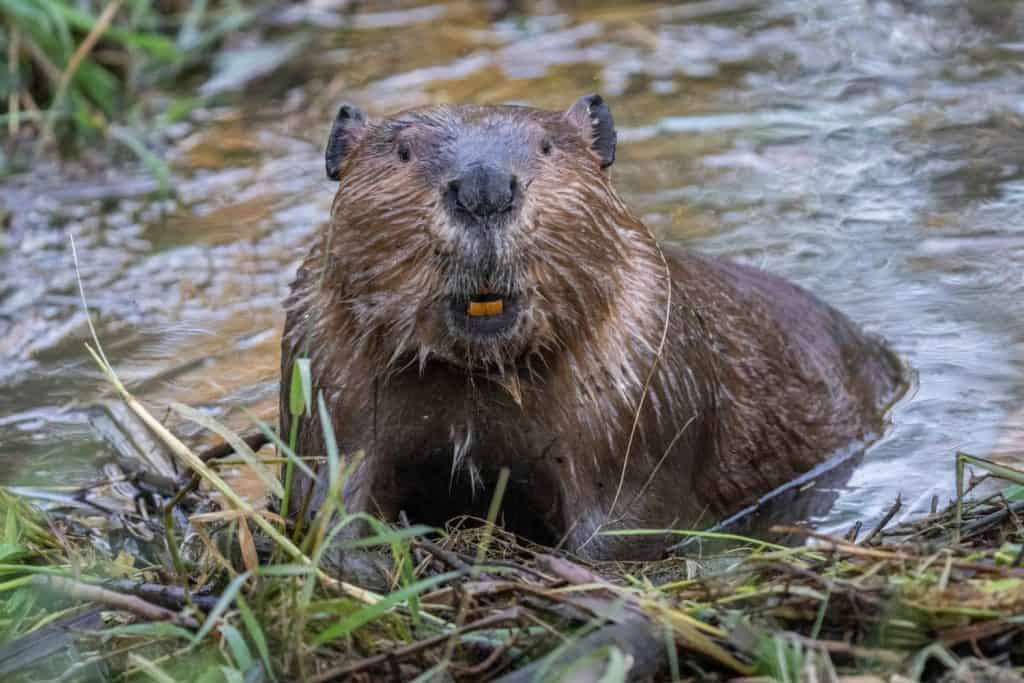
Beaver felt was incredibly popular in the 1700s and beyond.
©Tony LePrieur Photography/Shutterstock.com
According to an economic history of the fur trade, each of the shorter underfur hairs is barbed, and once the barbs at the ends of the hairs are open, the wool can be compressed into a solid piece of material known as felt. The highest quality hats were made entirely from beaver wool, while cheaper hats included inferior wool from rabbits. The unique undercoat of beaver fur made it the best tool for the job.
Beaver fur became so popular that Europe’s own beavers could not meet the demand. By the end of the 1600s, Russian supplies were also drying up, so North America became the next source.
Indigenous Assistance: What Traders Quickly Learned
Indigenous trappers were integral to the beaver fur trade and shaped what the hatters received. A McGill University history of the North West Company explained that pelts called castor gras, or coat beaver, were prime skins that Indigenous people sewed together and wore with the fur against the body for 12 to 18 months.
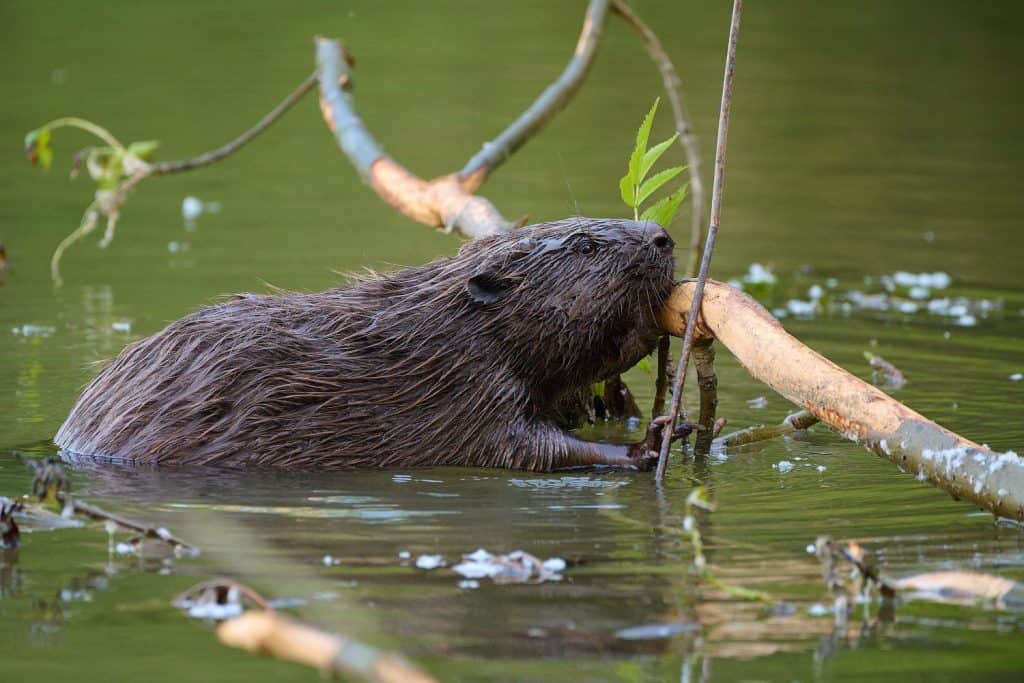
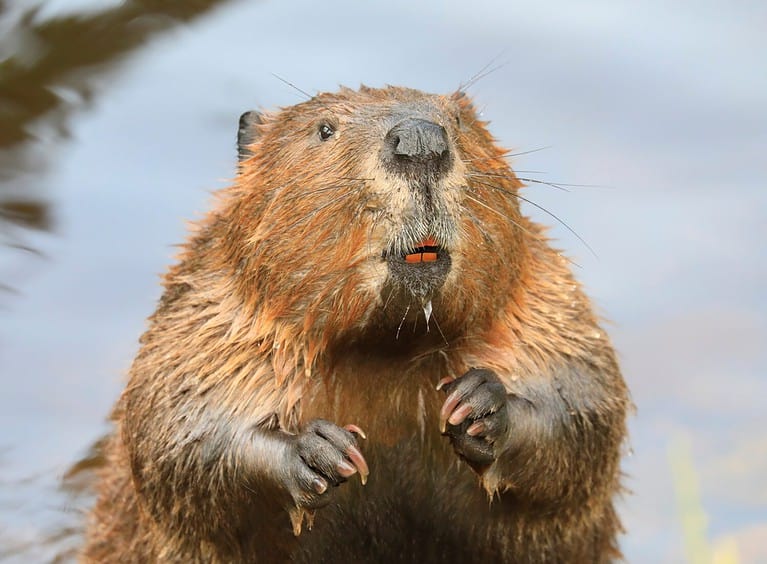
Because their hair is waterproof and pliable, beaver fur became extremely prized in fashion.
©Tomas Palsovic/Shutterstock.com
This long-term wear caused the long hair to fall out and thickened the felt, so these worn pelts were considered extremely valuable. Pelts that were simply dried, known as castor sec or parchment beaver, still had their guard hair and lacked the same quality. By the middle of the 1600s, hatters had learned to combine the two types, which produced a strong, smooth, pliable, waterproof felt.
The trade reshaped relationships with Indigenous nations in many ways, with rivalries between French and English companies turning violent, both between the nations and Indigenous peoples. The beaver pelt, for better or worse, brought about the development of relations between Indigenous peoples and European settlers.
How a Single Hat Trade Pulled Companies Inland
On May 2, 1670, King Charles II granted the Hudson’s Bay Company a royal charter that gave it exclusive trading rights over a huge territory named Rupert’s Land, according to Canada’s history. The company’s early business plan called for its traders to remain at forts around the bay while Indigenous trading partners traveled inland to trap.

The beaver fur industry brought competition throughout North America.
©Frank Fichtmueller/Shutterstock.com
Competition further widened the map. Montreal merchants founded the North West Company in 1783 to compete with the Hudson’s Bay Company, and its traders led expeditions far into western Canada, according to a trappers’ association history.
Eventually, the two companies merged in 1821 under the Hudson’s Bay name. Alexander Mackenzie extended the trade routes to the Arctic and the Pacific between 1789 and 1793; many explorers of the era were traders and company officials as well as mapmakers. Their routes followed Indigenous trails and river systems that had been used for generations, which is just another way Indigenous populations built this trade.
- 1670 Hudson's Bay Company chartered King Charles II granted the Hudson’s Bay Company a royal charter giving it exclusive trading rights over Rupert’s Land.
- 113 years later
- 1783 North West Company founded Montreal merchants founded the company to compete with the Hudson’s Bay Company.
- 1789 Mackenzie extends the trade routes Alexander Mackenzie extended the trade routes to the Arctic and the Pacific between 1789 and 1793.
- 32 years later
- 1821 The two companies merge The companies merged under the Hudson’s Bay name.
- 1830s Silk replaces beaver The value of beaver fur dropped sharply when European hat manufacturers switched to silk.
- 10 years later
- 1840 Adirondack beavers almost eradicated
How Close Did the Beaver Come to Disappearing?
Western Europe’s beavers were already all but gone, and North America’s declined just as fast. Estimates of the continent’s pre-trade population vary widely, but a commonly cited figure of 60 to 400 million comes from naturalist Ernest Thompson Seton. Later researchers proposed 50 to 90 million beavers in North America.

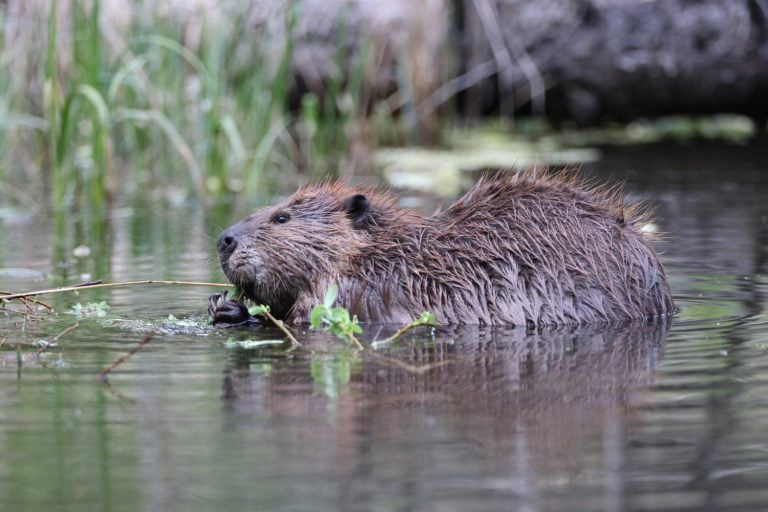
Beaver populations struggled during the booming fur trade.
©Pavel Mikoska/Shutterstock.com
Both are rough estimates, but by the end of the trade, beavers had been reduced to little more than scattered remnants. In the Adirondacks, the species was almost eradicated by 1840.
Economists Ann Carlos and Frank Lewis argue, in research reviewed by Common-place, that overhunting also reflected the fact that beavers were a common-pool resource. No group controlled the beaver population or could stop others from trapping, so the taking continued without regulation for decades.
The Impact of a Dwindling Beaver Population
Wetlands across most of North America are highly correlated with beavers, and research suggests most beaver wetlands were permanently lost along with the decline of beaver populations in the 18th and 19th centuries.
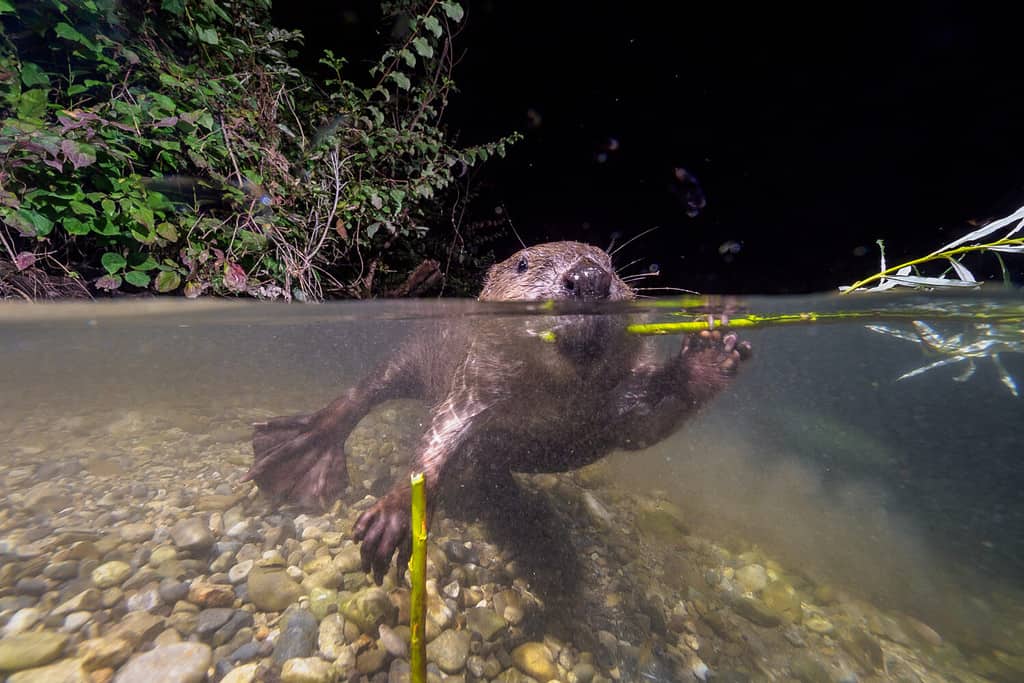
Wetlands and North American landscapes suffered as the beaver population decreased sharply.
©benny337/Shutterstock.com
Beaver-created wetlands help preserve landscape variety and biological diversity, so their loss reached beyond the animals themselves. As trappers navigated further inland, more and more wetlands and ecosystems were impacted, transforming North America’s landscapes almost irrevocably.
Silk: the Ending of the Beaver Hat Craze and How Beavers Are Fairing Today
Beaver felt was vital to the European hat industry until the 1830s, when less expensive silk hats became more fashionable. The value of beaver fur dropped sharply in the 1830s, when European hat manufacturers switched to silk. Overtrapping had already hurt the trade in the western United States and Canada. Silk replaced beaver in high-fashion men’s hats in the 19th century, and the populations were allowed to recover.
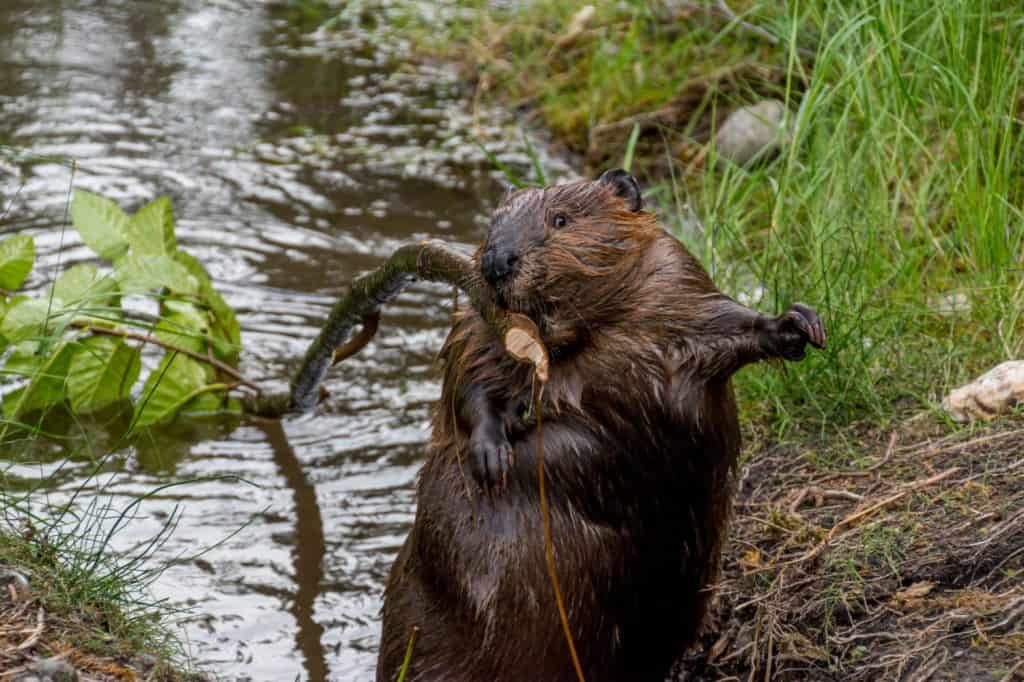
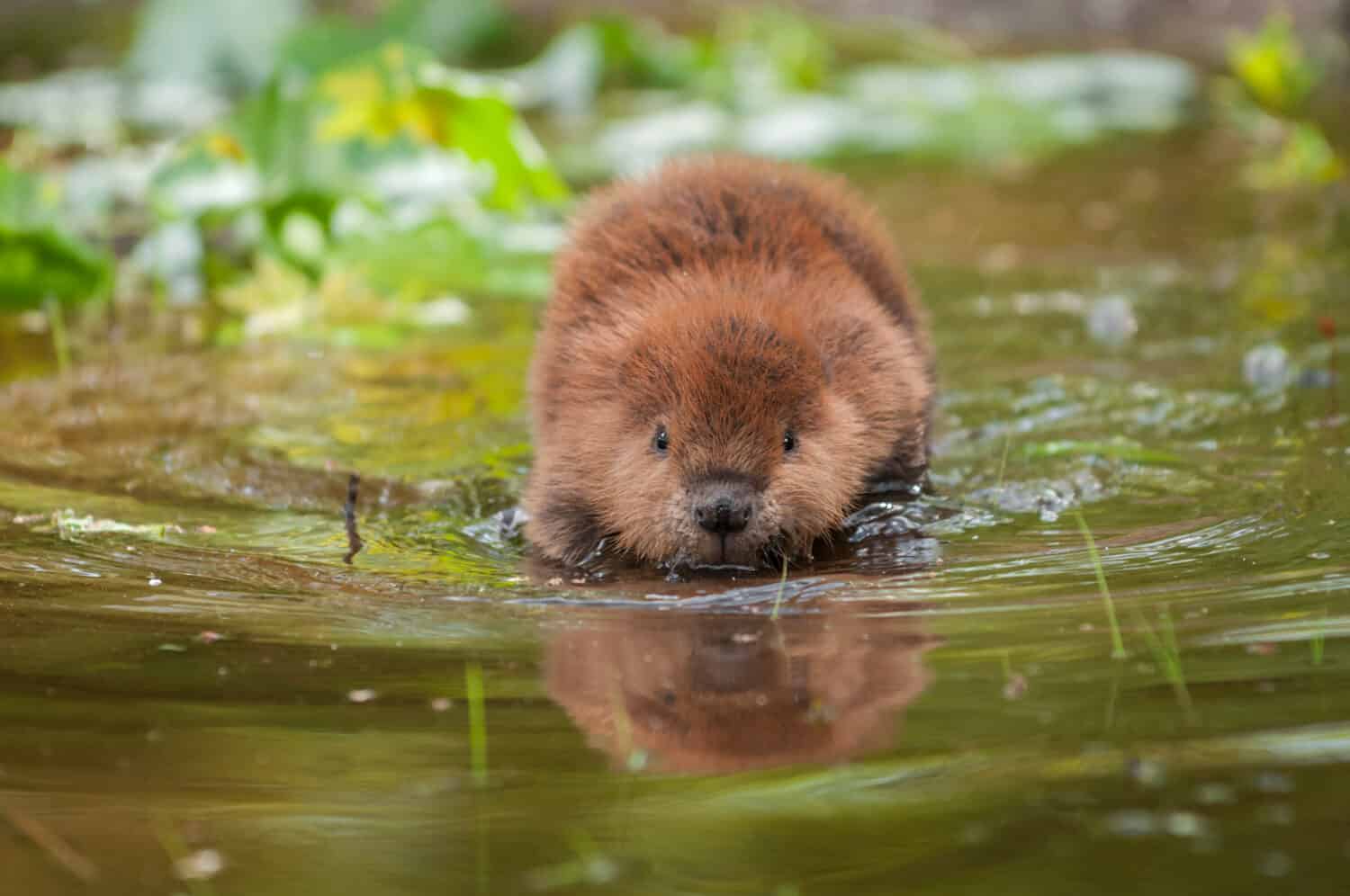
While the were nearly wiped out back in the day, beavers are back and considered invaluable to our ecosystems.
©Jaime Espinosa/Shutterstock.com
Beaver numbers have rebounded strongly. Populations recovered as forests were restored in the 20th century and beaver fur went out of fashion. The current North American population is at an estimated 10 to 15 million. Though still well below pre-trade totals, the growth is promising.
Additionally, the animal’s reputation has changed since the fur trade. We now understand how beaver dams create wetlands that purify polluted runoff, slow flood waters, replenish water tables during dry spells, and resist wildfire, which is why beavers are now widely called ecosystem engineers. While they can cause problems depending on where they build their dams, beavers are invaluable to North America.