
Quick Take
- That innocent-looking rock stack could be harming something living beneath it, and the something in question is not what most hikers would expect. See what lives beneath →
- Moving a single stone in a stream triggers a chain reaction, and the scale of the damage surprises even experienced hikers for reasons worth understanding. Discover the chain reaction →
- Cairns were once essential trail tools, but something changed. Most hikers still haven't gotten the memo. Explore cairns' changing role →
- Not all cairns should be left alone, though knowing which ones to avoid touching requires understanding a distinction most people miss.
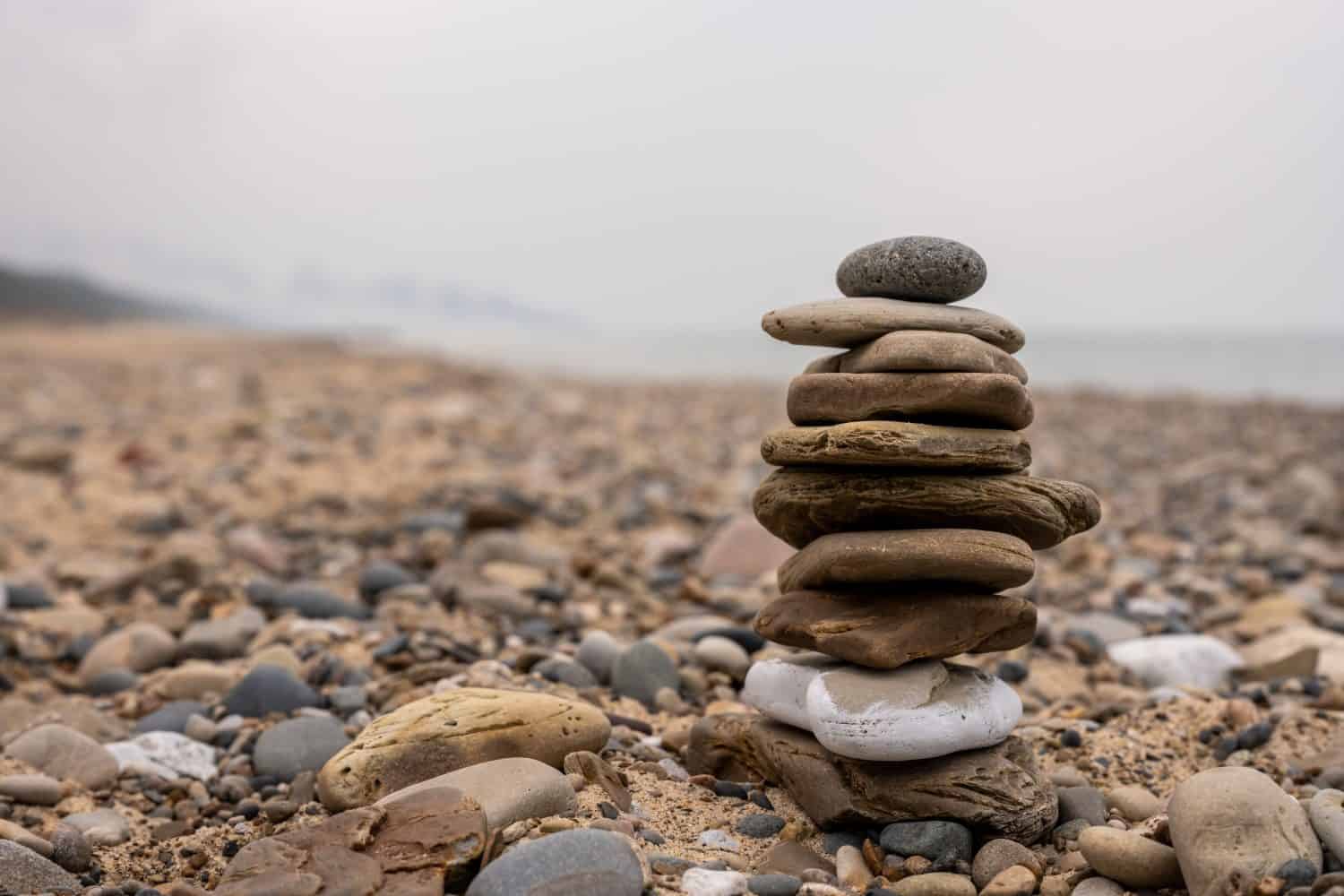
Cairns are purposefully stacked rocks that can be common sights in wilderness areas and along hiking trails. While beautiful and seemingly harmless, many wildlife experts and even the U.S. National Park Service warn against making these structures. This Instagram post by @greatsmokynps shows a picture of a cairn and explains why you should avoid building one.
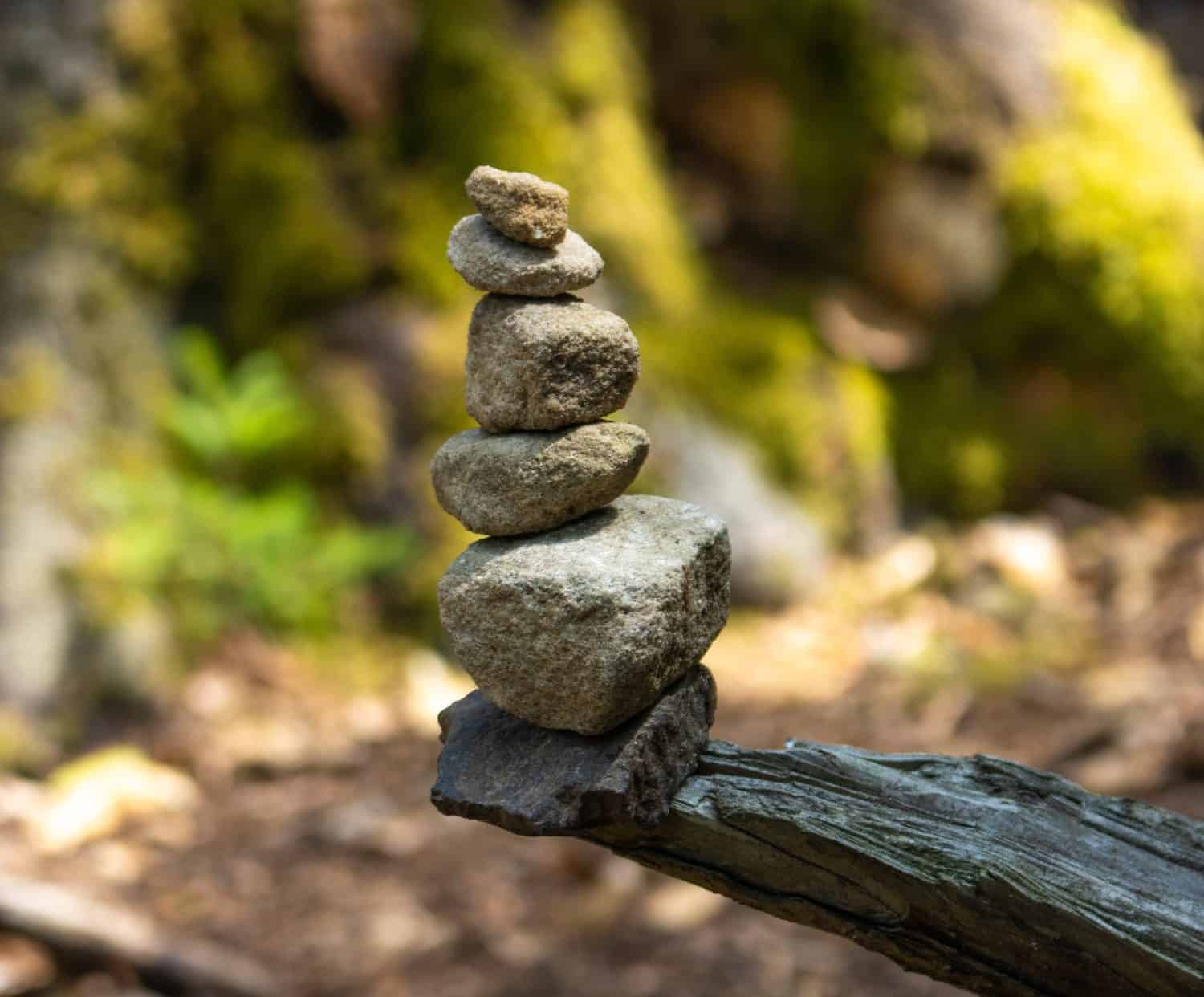
Cairns have historically been used as trail markers for paths in nature.
©Anikibi/Shutterstock.com
What Are Cairns?
The word cairn comes from the Gaelic term meaning “heap of stones.” Traditionally, they have practical purposes as trail markers. While historically they have helped hikers find their way, as navigation technology has become more advanced, we need them less and less. Sometimes, cairns are built to commemorate a person or event associated with a specific location. However, many wildlife and park experts recommend against making them at all.
So why can a seemingly harmless stack of rocks receive negative attention? Simply put, building cairns can disturb the natural environment and the small insects that live under the rocks. In streams, the rocks and gravel on the bottom are the foundation of the waterway’s physical structure. They provide shelter and break up the current; moving them suddenly can disturb the environment.
Mayflies and stoneflies live beneath rocks in streams. Small fish and amphibians also take shelter in the spaces between rocks. Removing the rocks instantly displaces these animals. While it is natural for rocks to shift gradually in any stream or river, problems arise when they move too much, too quickly.
While a single stack of rocks won’t destroy an entire river ecosystem, when many hikers build stacks, it can impact the environment greatly over time. The direction of the water, the speed it flows, and erosion are all at risk of changing. If you see a cairn on a hiking trail, the best thing you can do is leave it alone. Some cairns are still used as markers and are important for other hikers. However, you should not add to an existing cairn or build one of your own.