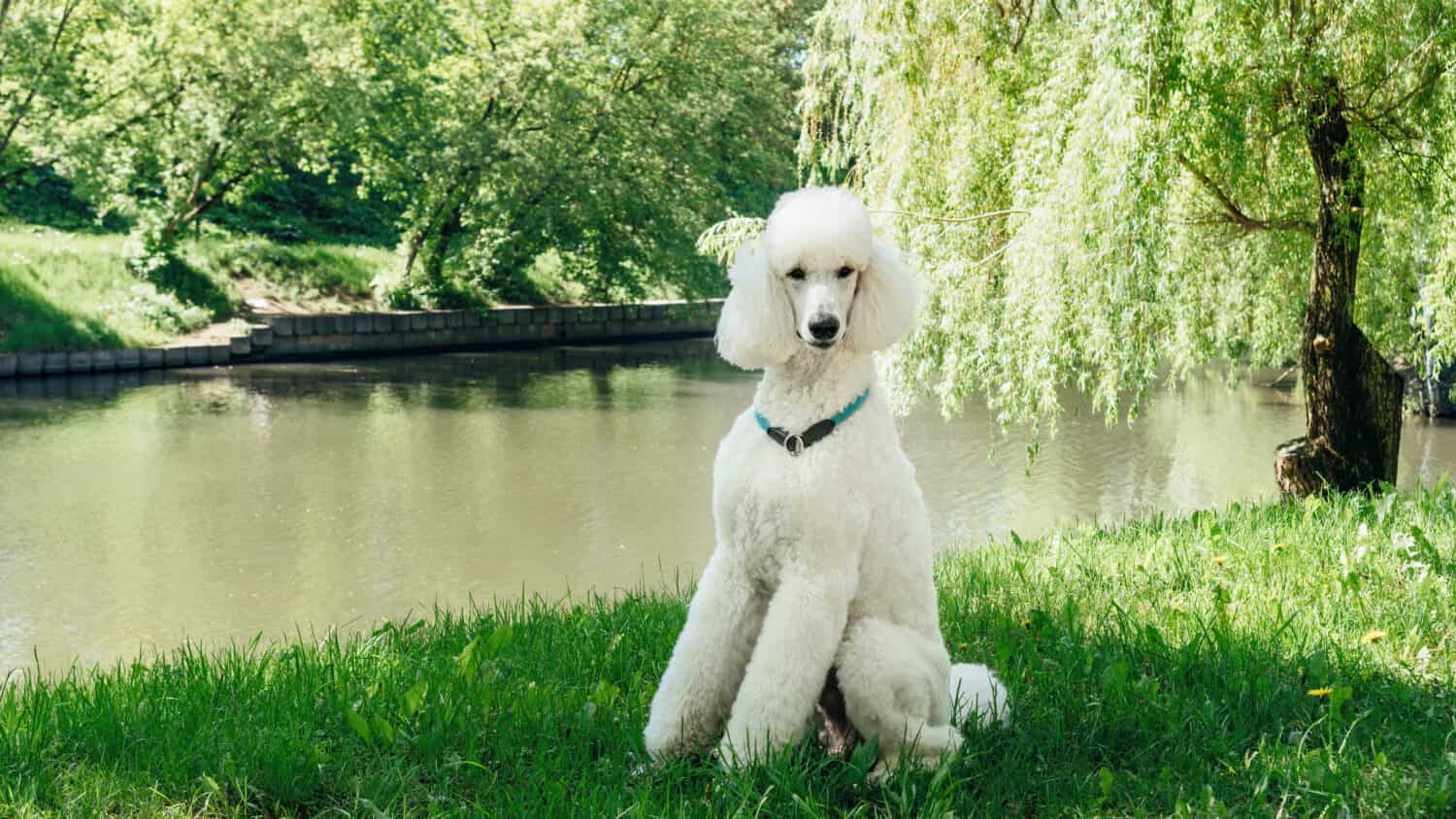

Poodles are often seen as being a bit “prissy.” They probably aren’t what many people consider hunting dogs. However, they were originally bred to accompany hunters into the field, particularly as retrieving dogs. That’s also why they have such curly fur – it helps keep them warm in the water while also remaining waterproof.
That said, poodles are not necessarily perfect hunting dogs. There are many reasons why a poodle may not work for you, as well as many reasons a poodle may work for you. It all just depends on you!
In this article, we examine the reasons you may want to consider a poodle as a hunting dog and the reasons you may not want to.
1. Intelligence and Trainability
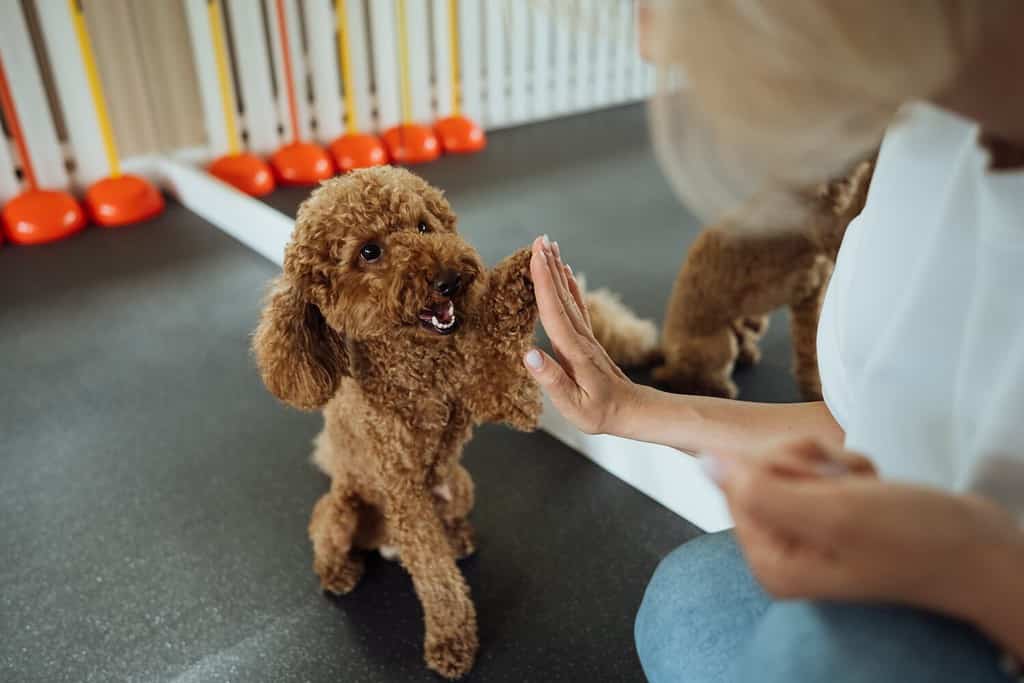
These dogs are exceptionally smart, making them able to pick up on more complicated commands with ease.
©Romvy/Shutterstock.com
Poodles are known for their exceptionally intelligence. In fact, they are one of the most intelligent dogs in the world. Therefore, they’re also very easy to train, especially when you consider their obedience, as well. You’d think that this would be a common trait in hunting dogs, but many hunting dogs are actually on the lower end of intelligence.
That said, poodles do have to be trained to do their job while hunting. Some other hunting dogs are instinctually able to do their job (like hounds). Luckily, poodles are very trainable, so this isn’t terribly difficult to achieve.
Poodles are also exceptionally good at other obedience-related tasks, too. They excel in obedience and agility. Their sharp minds also allow them to be great service dogs, as they can learn fairly complex tasks.
2. Versatility
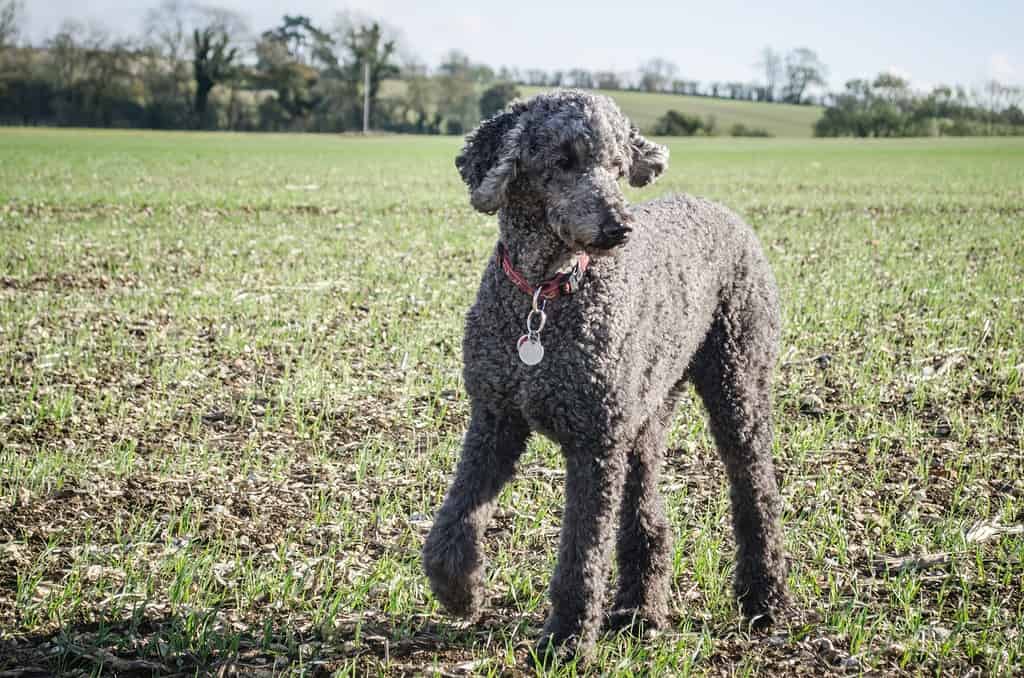
While originally bred for hunting, poodles are commonly kept as companion animals today. Still, they also remain popular retrieving dogs.
©iStock.com/OneToRemember
Poodles were originally bred solely as retrievers. However, they are very versatile and can be used for a range of other tasks, too. Primarily, these canines are used for retrieving waterfowl, but they could be trained to retrieve any other kind of bird or small game animal, as well.
Beyond hunting, some people even use these dogs to hunt truffles. While they aren’t as great at smelling truffles as some other animals, they are much less likely to eat the truffles after they find them (which is a common problem with pigs).
If you do several kinds of hunting, you can train your poodle to help you with several different tasks. They aren’t delegated solely to one type of hunting like most other hunting dogs.
3. Low-Shedding Coat
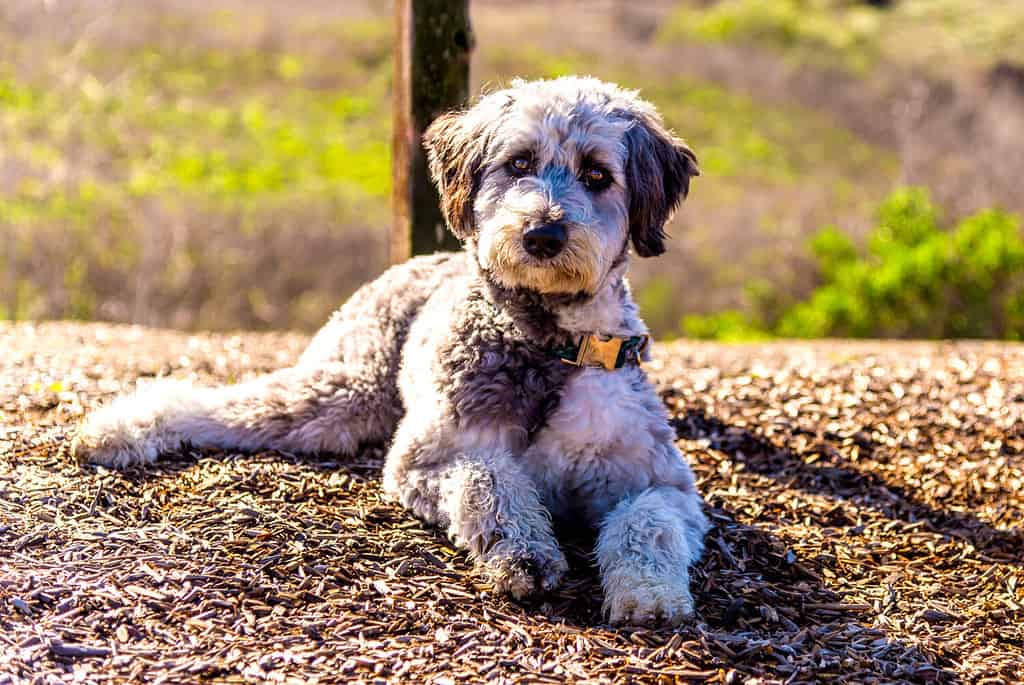
Due to their unique coat, poodles have been crossed with a range of other dog breeds in an attempt to make them low-shedding. The Aussiedoodle is a great example.
©Steve Bruckmann/Shutterstock.com
Poodles have a relatively low-shedding coat, which makes them very practical hunting dogs for those who don’t want dog hair all over their house. Their unique coat type sets them apart from other hunting dogs, too. You’ll be hard-pressed to find a similarly versatile hunting dog that also doesn’t shed.
That said, these dogs do need quite a bit of grooming. Their continuously growing coat can be a lot to handle, and practically all poodles require professional grooming to keep them at their best. You’ll also have to brush them daily unless you get them cut very short, which isn’t typically recommended for hunting dogs.
Their coat type does have some practical consideration, too, though. It provides a little bit of buoyancy in the water and helps keep them warm. Originally, their coat was developed to make them better hunting dogs.
4. Swimming Ability
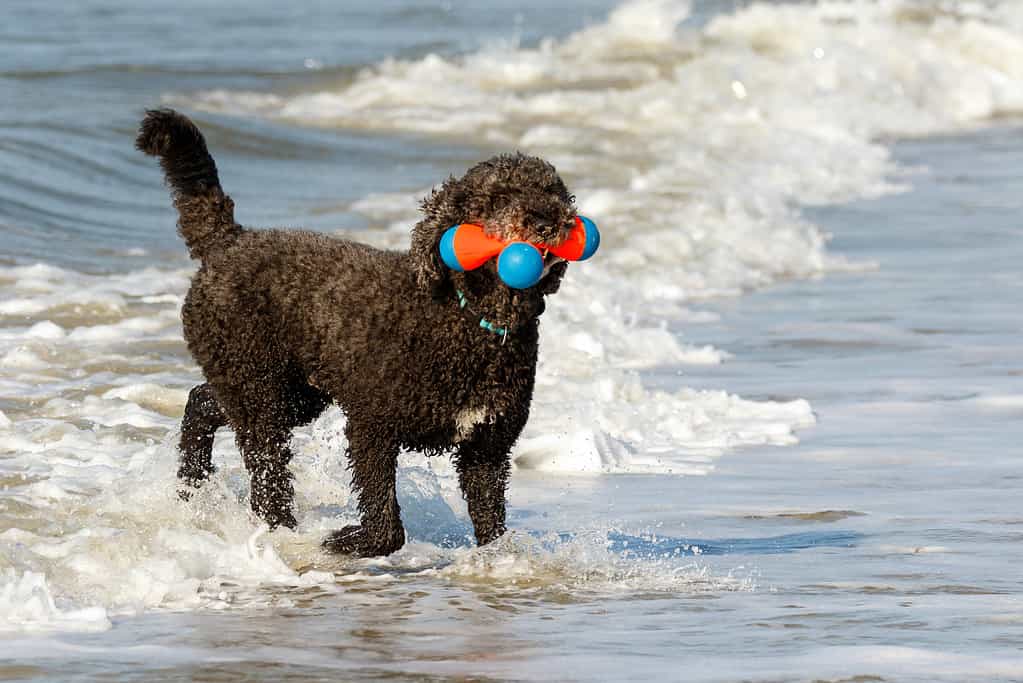
Standard poodles often love the water, which was bred into them as they were developed as retrieving dogs. Swimming is a great way to provide them with some low-impact exercise.
©Richard McGuirk/iStock via Getty Images
Poodles also have an astonishing swimming ability. They’re natural swimmers and have been bred to brave the waves for generations. Therefore, they’re natural fits for retrieving waterfowl, which often requires swimming.
They’re able to navigate water with ease, even in colder weather. When trimmed properly, they’re well-protected against hypothermia thanks to their special coats.
Of course, all of this hinges on the poodle being introduced to water at a young age. Puppies need time to explore water and develop their abilities, even if they are natural. Otherwise, they may be fearful of water as adults and not nearly as good at swimming.
5. Physical Limitations
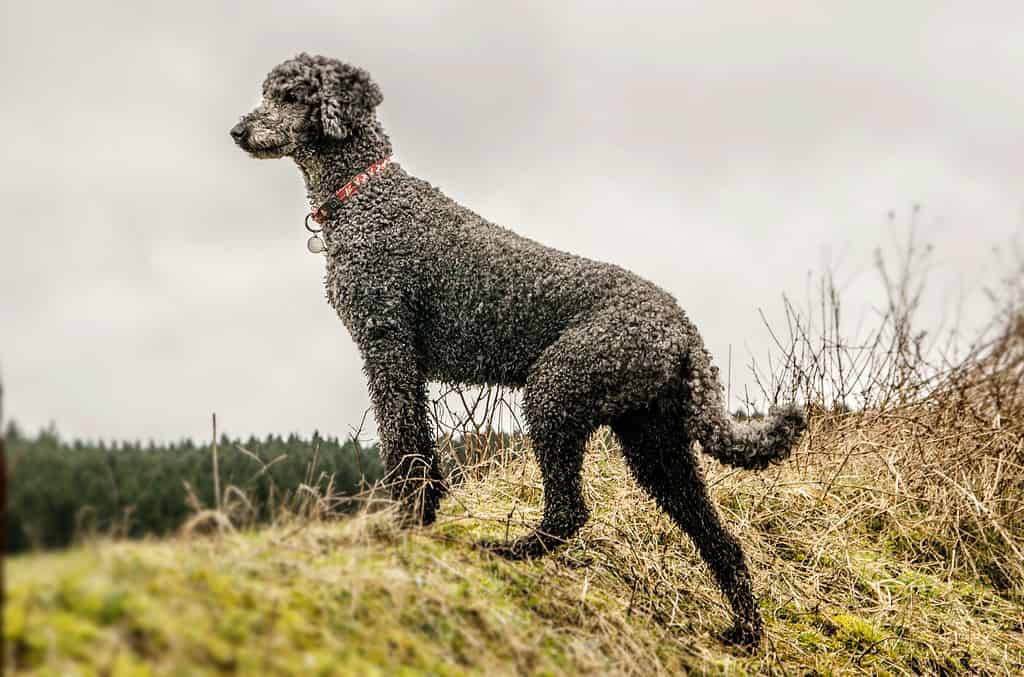
While poodles do make great hunting dogs, they are not built for tracking. They don’t tend to walk around with their nose to the ground like hounds do.
©OneToRemember/iStock via Getty Images
Poodles make great retrievers and can even do some other hunting tasks, too. However, they are decidedly not hounds. They do not have as good of a nose as many hound breeds do, so they aren’t as successful at tracking. Furthermore, their smaller size (compared to some other breeds) can make them unsuitable for actually taking down larger game.
They’re also very active. While that makes them great for hunting, they do require exercise regularly. If you hunt a lot, that may be all they need. If you only hunt seasonally, though, you’ll have to figure out how to meet their physical needs outside of the hunting season.
6. Maintenance
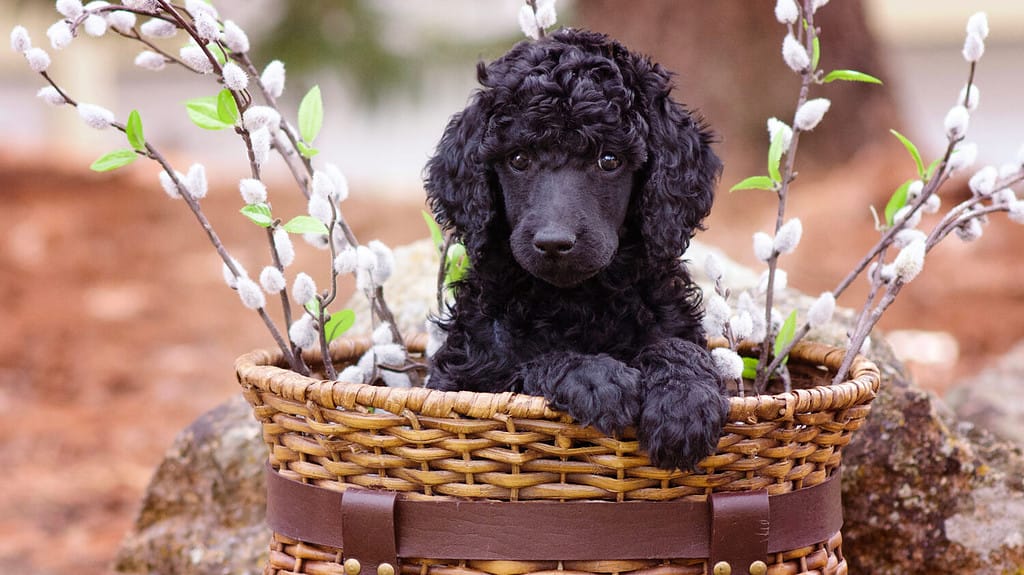
While poodles are absolutely adorable, be sure you can commit to their grooming needs before adopting one.
©Jennifer Stidham/Shutterstock.com
Poodles were bred for very practical reasons. However, they’re also one of the most high-maintenance dog breeds out there.
As we’ve stated, they’re exceptionally active. They need plenty of exercise when not hunting daily. You should plan on exercising your hunting poodle for at least an hour or two a day – even more, if you want your dog to be in great shape.
You’ll also have to consider their mental stimulation needs. As exceptionally intelligent dogs, poodles need plenty of mental stimulation, or they can become bored. When bored, dogs may try to make their own fun, which usually results in destructive behaviors. On top of being very trainable, they also have to be trained to prevent boredom. Puzzle toys and games can also help keep them entertained.
Their coats also require a lot of maintenance. They must be brushed regularly alongside regular professional trims. You’ll probably spend thousands of hours grooming your poodle over their lifetime. That’s a huge commitment!
7. Need for Training
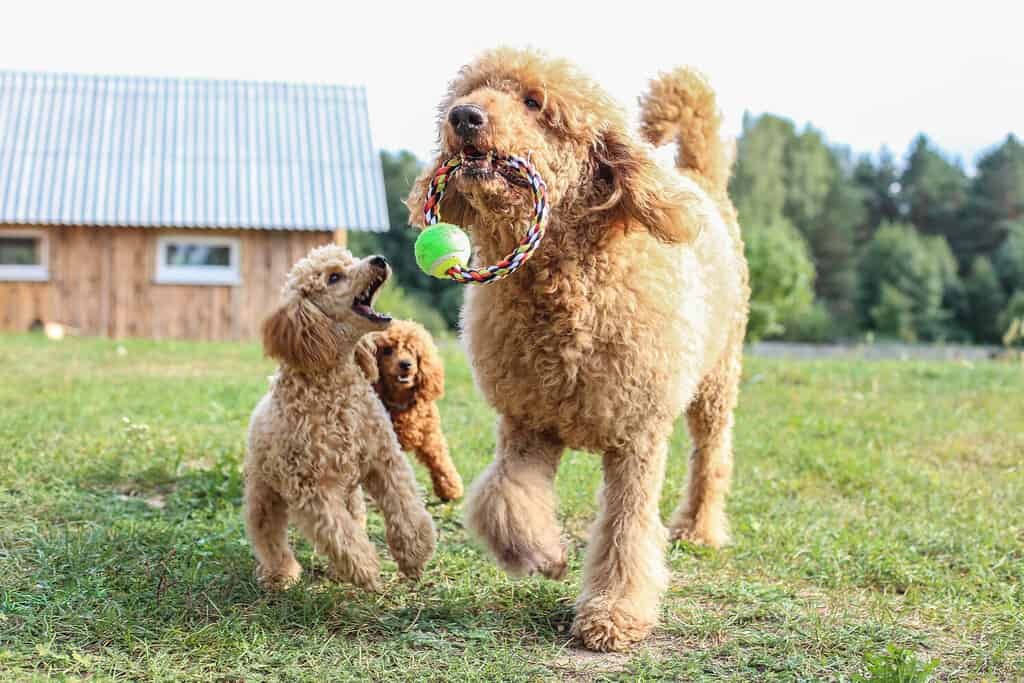
All types of poodles are pretty intelligent, but it’s standard poodles that are usually utilized for hunting purposes.
©Velimir Zeland/Shutterstock.com
Some hunting dogs do their jobs naturally. For instance, hounds typically track without any training. Poodles don’t fall into this category, though. You must train them to perform their role when hunting, or they won’t do it. Often, this training has to start at a very young age and continue for several years before a poodle will reach their full potential.
Luckily, poodles are relatively easy to train. However, you still have to commit quite a bit of time – more than you may have to commit to a hound.
Of course, that trainability and lack of innate knowledge do make these dogs more versatile. A hound can only track, while a poodle can perform a range of tasks. Just be sure you understand the time commitment it takes to make these dogs work as hunting companions.
This training is also specialized. Your average dog trainer won’t know how to train hunting poodles. You’ll need to talk to an experienced hunter who has trained several poodles before or hire a specialized trainer, which can cost hundreds to thousands of dollars.
Summary of Poodles as Hunting Dogs
| Number | Pro or Limitation |
|---|---|
| 1 | Intelligence or Trainability |
| 2 | Versatility |
| 3 | Low-Shedding Coat |
| 4 | Swimming Ability |
| 5 | Physical Limitations |
| 6 | Maintenance |
| 7 | Need for Training |