

The Sussex Spaniel is a small- to medium-sized dog breed from England. As their name suggests, they were originally bred for hunting. However, they’re pretty rare today, though they are often kept as companion animals when you do see them.
Many people love these dogs because they are gentle and affectionate. They’re extremely active, though, despite their smaller size.
Let’s take a look at everything you need to learn about these dogs:
Temperament
Sussex spaniels are particularly sweet and loving. They form strong bonds with their owners and loved ones, making them a good choice for families. They’re pretty consistent and calm. If you’re looking for a reliable dog, these canines are a solid choice.
Despite being calm, these dogs can also be exceptionally playful. When they’re puppies, they tend to be especially curious and more active than you might think. As hunting dogs, they also have a tendency to bark quite a bit. They aren’t a great choice for quiet households!
Unlike other Spaniels, Sussex Spaniels aren’t incredibly active. They’re still working dogs, but they are only moderately active. You should plan on at least one daily walk (though two is better), but these dogs also like spending afternoons on the couch.
Common Health Issues
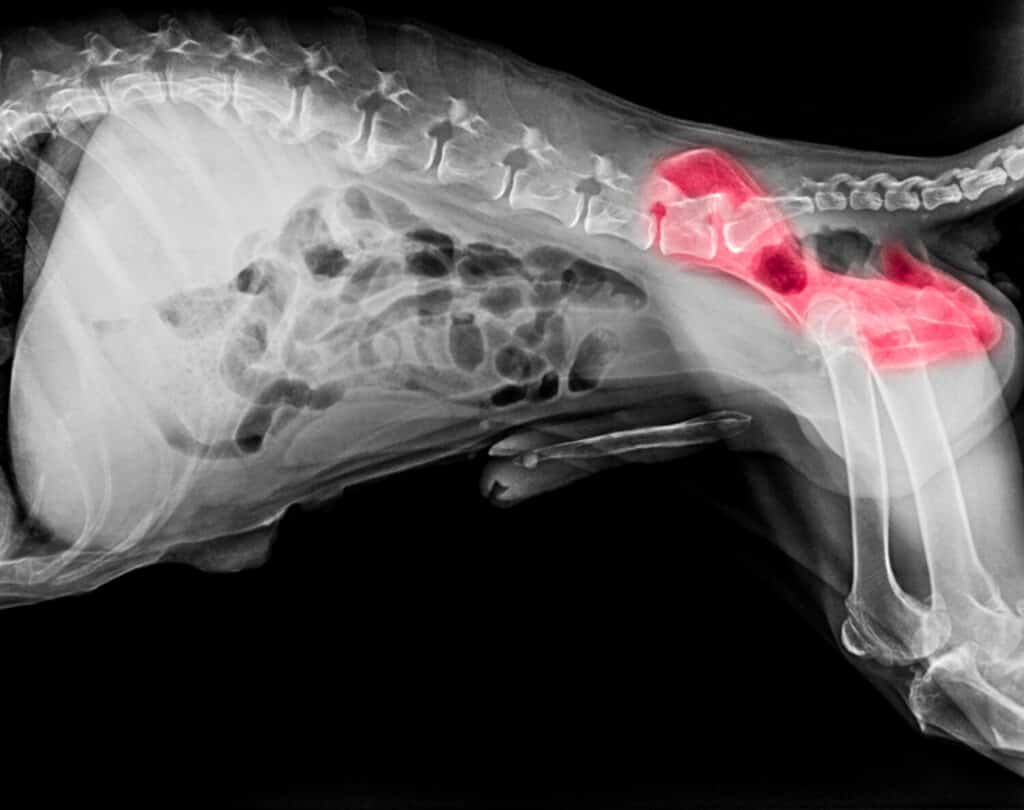
Hip dysplasia is a very common condition for many dog breeds, so it isn’t all that surprising that it can affect the Sussex spaniel, too.
©Intarapong/Shutterstock.com
Sussex spaniels are generally healthy dogs. However, like all breeds, they can be prone to health problems.
The most common health issue is intervertebral disc disease. This spinal issue is most common in breeds with elongated backs, like the Sussex spaniel. It can cause paralysis and pain suddenly. Luckily, crate-rest can sometimes fix the issue. Other times, surgery may be necessary.
Sussex spaniels can also be prone to canine hip dysplasia. This condition is caused by a hip joint malformation, causing lameness and pain. Sometimes, it is very minor and controllable with medication. However, surgery is needed in very advanced cases.
Because these dogs have very floppy ears and are prone to ear infections. It’s important to keep their ears cleaned and trimmed. Excessive fur in their ears can trap moisture and debris, leading to ear infections.
Sussex spaniels are also prone to PDH, which is a genetic condition. Dogs with this condition cannot use energy properly, so they have muscle weakness, seizures, and similar problems. A genetic test is available, allowing breeders to screen their dogs before breeding them.
Taking Care of a Sussex Spaniel
Owning a Sussex spaniel is a big responsibility. These dogs have some exercise and grooming requirements, so we wouldn’t consider them low-maintenance dogs. However, they aren’t challenging to care for with the right plan.
These canines require at least one hour of exercise each day. Try to incorporate more than one kind of exercise, such as taking a 30-minute walk in the morning and 30 minutes of playtime in the afternoon. Of course, each dog is an individual, so you must adjust their exercise according to their age and temperament.
Due to their longer coat, Sussex spaniels also require regular grooming. You must brush their coat once or twice weekly to prevent matting. You can trim them to reduce the chance of matting, but many owners decide to keep them longer.
Luckily, their fur is pretty good at staying tangle-free.
These dogs also shed, so brushing can help reduce the amount of fur that ends up around your house.
You’ll also need to trim their nails regularly and watch their ears for dirt and grime. As we stated above, they can be prone to ear infections if you leave their ears dirty. Getting the inside of their ears trimmed by a professional is also recommended.
Sussex spaniels can be stubborn, which can make training a challenge. Being patient and consistent is important. You’ll spend much of your time training them not to bark, which requires a mixture of obedience training and socialization.
Are Sussex Spaniels Good Family Dogs?
Sussex spaniels can make great family dogs thanks to their gentle and affectionate nature. They’re wonderful family dogs, especially when well-socialized. Thanks to their moderate energy needs, they’re also a bit easier to handle than other spaniels.
These dogs are rather laidback inside but can be more playful outdoors. They’re the best of both worlds for many families.
The only downside is that Sussex spaniels are very hard to find. Adopting one may cost more than you’d like, largely due to the travel that will likely be involved. They can also be noisy indoors, so they may not work best for apartments.
Of course, these dogs also require exercise and grooming. It’s important that you have enough time to cover both of these needs. Otherwise, the small Sussex spaniel can be surprisingly destructive. They’re particularly prone to excessive barking when bored.