N S W E
Wildlife Expeditions

Wildlife of
Maine

Maine pairs vast boreal-leaning forests and lake country with an island-studded Atlantic coast, creating one of the Northeast's richest land-and-sea wildlife mosaics.
204 Species
79,883 km² Land Area
Overview

About Maine

Maine's wildlife is shaped by big forests, many lakes, rivers, bogs, and a rocky Atlantic coast full of islands. This mix supports moose, black bear, Canada lynx, river otter, seabird colonies, seals, and seasonal whales. The Appalachian ridges and old glaciers left a maze of wetlands and waters that keep habitats linked and rich. Key habitats include spruce-fir and northern hardwood forests for northern birds and large carnivores; peatlands and beaver wetlands that raise amphibians, waterfowl, and insects; and lakes and rivers that support native salmon and trout and other coldwater life. Along the coast, rocky intertidal zones, eelgrass beds, salt marshes, and offshore ledges feed seabirds and bring fish for seals and whales. Maine is special because large, connected North Woods sit close to the productive Gulf of Maine, so you can see forest and ocean life within a short drive.

Physical Features

Geography

Maine has a land-to-sea gradient: cool northern forests and peatlands change to lake-rich lowlands, rivers, and a rocky Atlantic coast. The Appalachian highlands create colder, windier spruce-fir and alpine zones. Wetlands, many lakes, and big rivers host waterfowl, fish, and semi-aquatic mammals; rocky shores, salt marshes, estuaries, and islands support seabirds and marine mammals.

79,883 km² (land area) Land Area
39th largest U.S. state by area Size Rank
State Type
Elevation Range

Sea level to 1,606 m (Mount Katahdin)

Coastline

Atlantic Ocean (Gulf of Maine): rugged, highly indented coastline with numerous bays, estuaries, salt marshes, and many offshore islands that create diverse coastal and marine habitats.

Key Landscapes

Appalachian/Longfellow Mountains, including Mount Katahdin and surrounding highlands Spruce-fir and mixed northern hardwood forests ("North Woods"), with boreal-leaning habitats in the interior Extensive wetlands: bogs, fens, and peatlands, plus riparian floodplains Thousands of lakes and ponds (e.g., Moosehead Lake), providing major freshwater habitat networks Large river systems and migratory fish corridors (Penobscot, Kennebec, Androscoggin, St. John) Rugged, island-dotted Gulf of Maine coastline with rocky headlands, coves, beaches, and nearshore waters (e.g., Acadia region) supporting seabird colonies and marine foraging grounds
State Symbols

Official Wildlife Symbols

animal

Moose

Designated 2015

bird

Black-capped chickadee

Designated 1927

fish

Landlocked salmon

Designated 1969

insect

Honeybee

Designated 1975

marine

American lobster

Designated 1995

wildflower

White pine cone and tassel (floral emblem)

Designated 1895

Parks & Reserves

Protected Areas

Maine's protected areas include federal lands like Acadia National Park and Katahdin Woods and Waters National Monument; state lands such as Baxter State Park, coastal and lake parks, and Public Reserved Lands; and coastal/estuarine National Wildlife Refuges for migratory birds and seabirds. Private and NGO easements and preserves keep connected forest and river habitats in the North Woods and coast.

Protected Coverage

~18% of Maine's land is under some form of conservation/protection (public protected areas plus significant conserved private lands/easements; the exact figure varies by definition and data source).

National Parks & Preserves

Acadia National Park

~49,000 acres (including Mount Desert Island, Schoodic Peninsula, and offshore islands)

One of the best places in the Northeast to see wildlife across a compact mix of rocky Atlantic coastline, offshore islands, wetlands, and spruce-fir forest. Notable for seabirds, raptors, marine mammals, and intertidal life, with excellent access for wildlife viewing.

Bald eagle Harbor seal Peregrine falcon Common eider White-tailed deer

Katahdin Woods and Waters National Monument

~87,500 acres

A large, road-light landscape of boreal-leaning forest, rivers, and wetlands adjacent to Baxter State Park, providing habitat connectivity for wide-ranging mammals and northern forest birds. Excellent for moose viewing and maintaining intact headwaters and riparian corridors.

Moose American black bear Canada lynx (rare) Spruce grouse Brook trout

Appalachian National Scenic Trail (Maine Section)

~281 miles of trail across Maine (protected corridor width varies by segment)

The northern terminus of the Appalachian Trail traverses remote mountains, wetlands, and conifer forest, functioning as a long wildlife movement corridor and protecting high-elevation habitats that support sensitive breeding birds.

Moose American black bear Bicknell's thrush (localized at high elevations) Spruce grouse Common loon (near lakes/ponds)

State & Provincial Parks

Baxter State Park

~209,000 acres

Maine's flagship wilderness-oriented park centered on Mount Katahdin, protecting large blocks of largely roadless forest, ponds, and alpine habitat. It's among the best places in the state for viewing large mammals and boreal forest wildlife.

Moose American black bear Canada lynx (rare) Peregrine falcon Spruce grouse

Cobscook Bay State Park

~888 acres

A Downeast coastal park on a highly tidal bay with rocky shores, mudflats, and coves that concentrate marine mammals and migratory birds; strong for spring/fall birding and coastal wildlife viewing.

Bald eagle Harbor porpoise Harbor seal Common eider Semipalmated sandpiper

Lily Bay State Park (Moosehead Lake)

~925 acres

Classic North Woods lake-and-forest habitat with frequent moose sightings, loon nesting areas, and productive nearshore waters; a reliable wildlife-viewing base in the Moosehead region.

Moose Common loon Bald eagle American black bear Brook trout

Wildlife Refuges

Rachel Carson National Wildlife Refuge

~5,700 acres (spread across multiple coastal units)

A premier protected complex of salt marsh, dunes, barrier beaches, and tidal rivers along southern Maine-critical for migratory shorebirds, wading birds, and saltmarsh specialists, with important coastal resilience value.

Piping plover Saltmarsh sparrow American black duck Snowy egret Harbor seal

Moosehorn National Wildlife Refuge

~30,000 acres

Large Downeast refuge of forest, wetlands, and lakes that supports moose and black bear and provides key breeding/migratory habitat for waterfowl and other wetland-dependent species.

Moose American black bear Bald eagle Beaver Wood turtle

Petit Manan National Wildlife Refuge

~9,000 acres (islands and coastal units)

A network of islands, coastline, and freshwater wetlands that protects seabird nesting colonies and important coastal habitats Downeast, supporting terns and other colonial nesting birds.

Arctic tern Roseate tern Atlantic puffin (regionally, on managed islands) Harbor seal Bald eagle

Maine Coastal Islands National Wildlife Refuge

~8,000+ acres (largely island units; dispersed)

Protects a chain of offshore islands and nesting habitats vital for seabirds and colonial waterbirds; important for restoring and maintaining seabird colonies and minimizing disturbance on key nesting islands.

Common tern Roseate tern Atlantic puffin (regionally, on managed islands) Razorbill Harbor seal

Wilderness Areas

  • Allagash Wilderness Waterway (remote river-lake corridor in the North Woods)
  • Cutler Coast Public Reserved Land (rugged, roadless-feeling coastal headlands and forests)
  • Debsconeag Lakes Wilderness Area (The Nature Conservancy; large connected lake/forest complex near Katahdin)
  • Nahmakanta Public Reserved Land (remote ponds, forests, and trails in the Katahdin region)
  • Bigelow Preserve (high-elevation ridgeline and backcountry habitat in western Maine)
Animals

Wildlife

Maine's wildlife character is shaped by a large, mostly contiguous forest (spruce-fir and northern hardwoods), thousands of lakes and wetlands, cold trout and salmon rivers, and a rugged Atlantic coastline with islands, seabird colonies, and productive offshore waters in the Gulf of Maine. The result is a mix of boreal-leaning species (e.g., moose, Canada lynx), classic eastern forest fauna (black bear, white-tailed deer), and globally significant marine wildlife (seals, whales, seabirds).

~65-70 species (including marine mammals along the coast) Mammals
~430-460 species recorded statewide (far fewer breed regularly) Birds
~15-18 species Reptiles
~16-18 species Amphibians
Freshwater fishes ~50-65 species; marine fishes in the Gulf of Maine number in the hundreds (seasonal/variable) Fish
Examples

Iconic Species

Endemic & Rare Species

Atlantic Salmon (Gulf of Maine Distinct Population Segment)

Salmo salar

Endangered (U.S. ESA; Gulf of Maine DPS)

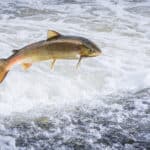
Maine contains the last wild, native Atlantic salmon runs in the U.S.; recovery focuses on river connectivity (dams), habitat, and marine survival.

Canada Lynx

Lynx canadensis

Threatened (U.S. ESA, contiguous U.S.)

Maine's northern forest and snow conditions support one of the most important lynx strongholds in the eastern U.S.

Piping Plover

Charadrius melodus

Threatened (U.S. ESA; Atlantic Coast population)

Nests on Maine's sandy beaches and is highly vulnerable to disturbance, predators, and sea-level rise; beach management is central to its conservation.

Roseate Tern

Sterna dougallii

Endangered (U.S. ESA; Northwest Atlantic population)

A colonial seabird with limited nesting sites; Maine's protected islands help support regional recovery alongside common and Arctic terns.

Blanding's Turtle

Emydoidea blandingii

State-listed (threatened/endangered status varies by jurisdiction; rare in Maine)

A long-lived wetland turtle with low reproductive resilience; threatened by road mortality and wetland loss in the southern part of the state.

New England Cottontail

Sylvilagus transitionalis

Regionally rare; conservation-dependent (at-risk in the Northeast)

Dependent on young forest/shrubland habitats that have declined; Maine is part of a multi-state effort to restore early-successional habitat.

Little Brown Bat

Myotis lucifugus

Severely declining in the Northeast due to white-nose syndrome (legal status varies)

Once among Maine's most common bats; population crashes have altered nighttime insect-predator communities and intensified monitoring/protection of hibernacula.

Atlantic Sturgeon

Acipenser oxyrinchus

Threatened/Endangered (U.S. ESA; by population segment)

An ancient migratory fish that uses Maine's estuaries and nearshore waters; sensitive to bycatch, habitat changes, and water quality.

Notable Populations

  • Seabird breeding colonies on protected Maine islands (including Atlantic puffins, razorbills, and multiple tern species) are regionally significant and a major ecotourism draw.
  • Maine supports one of the most important Canada lynx populations in the eastern U.S., tied to large working forests and snowshoe hare dynamics.
  • The Gulf of Maine is a nationally significant seasonal habitat for large whales, including North Atlantic right whales (feeding/migration), as well as humpbacks and fin whales.
  • Bald eagle nesting and foraging along Maine's lakes, rivers, and coastline represent a major recovery concentration in the Northeast.
  • Maine's remaining native Atlantic salmon rivers (e.g., Penobscot watershed and other Downeast systems) are central to U.S. Atlantic salmon conservation.

Recent Changes

  • Moose have declined in parts of Maine in recent decades, with winter tick infestations and climate-linked stressors frequently implicated in reduced calf survival.
  • Bald eagles and several coastal seabirds have rebounded strongly following past pesticide-era declines, aided by legal protections, habitat management, and targeted seabird restoration.
  • White-nose syndrome has caused major declines in hibernating bats (notably little brown bats), reshaping bat communities and driving ongoing monitoring and cave/mine protections.
  • Warming Gulf of Maine waters have contributed to shifts in marine species distributions and availability (e.g., declines in some cold-water fish like Atlantic cod, and increasing presence of more southerly species such as black sea bass in some areas).
  • North Atlantic right whales face continued mortality risk from vessel strikes and fishing-gear entanglement; dynamic management and gear changes are ongoing, and whale occurrence has shifted with changing prey distribution.
  • Some generalist and edge-adapted wildlife (e.g., wild turkey and coyote) have expanded and become more common across settled and mixed landscapes, while beach-nesting birds (e.g., piping plover) remain pressured by storms, sea-level rise, and human disturbance.
Visit

Wildlife Viewing

Maine offers varied wildlife viewing across habitats. Off the coast in the Gulf of Maine you can see whales and seabirds. Along the coast are puffins, seals, and islands reached by boat. In the boreal forests and mountains (including Katahdin and the Appalachian corridor) live moose and black bears. Lakes and wetlands hold loons, otters, and beavers.

Best Seasons

Spring (April-June)

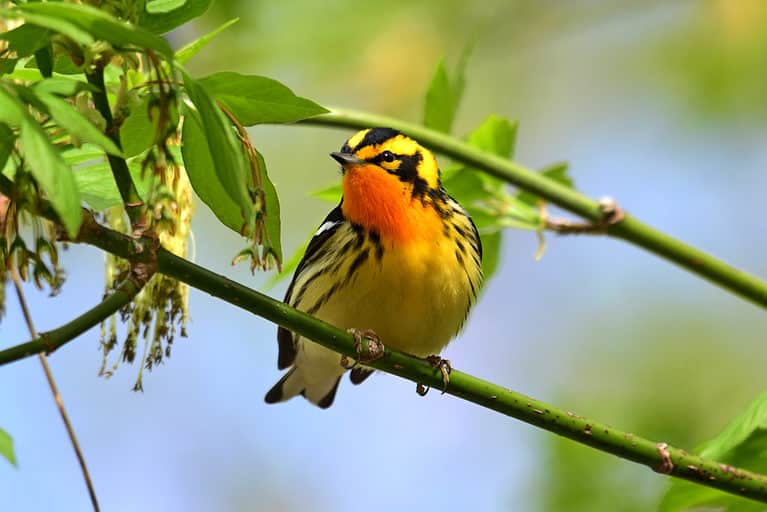
Peak migration and birding: warblers, waterfowl, and shorebirds funnel through coastal estuaries and inland wetlands. Seals are active along the coast, and early-season whale watching begins (timing varies by year). Black bears emerge; moose are increasingly visible as fresh vegetation greens up. Mud season in the interior can slow access on logging roads-plan accordingly.

Summer (late June-August)

Best season for marine wildlife: reliable whale watches from Down East and midcoast ports, many seabirds, and long daylight for boat trips and paddling. Atlantic puffin viewing is best in breeding season on offshore islands. Loons, eagles, and osprey are very active on lakes; beavers and otters appear at dawn and dusk. Coastal fog and crowds are common—book early.

Fall (September-October)

Prime time for moose viewing during the rut (especially in the northwoods); cooler temperatures improve chances for active daytime wildlife. Raptors and songbirds migrate along the coast; shorebirds linger early fall. Excellent hiking conditions in Acadia and Baxter for views and chances at eagles and migratory birds. Nights get cold quickly inland; days are shorter-plan sunrise/sunset sessions.

Winter (November-March)

Quiet, dramatic wildlife watching with fewer visitors. Track mammals (fox, hare, otter) after fresh snow; winter birding can produce boreal specialties (e.g., finches, occasional owls depending on irruption years). Coastal areas offer sea ducks and lingering eagles; some seal viewing continues. Conditions are harsh inland-guided snowshoe/ski outings improve safety and success.

Top Wildlife Experiences

  • Puffin and seabird island boat trip to Eastern Egg Rock (near New Harbor) or Seal Island National Wildlife Refuge (farther offshore)-look for Atlantic puffins, razorbills, terns, and harbor seals (seasonal access/tours).
  • Whale watching in the Gulf of Maine from Bar Harbor (Acadia area), Boothbay Harbor, or Cutler/Down East operators-common targets include humpback, fin, and minke whales, plus dolphins and pelagic birds.
  • Sunrise paddling on a moose-rich lake corridor in the Moosehead Lake region (Greenville) or the Katahdin region-scan quiet coves and inlet marshes for moose, loons, and beavers.
  • Dawn birding at Scarborough Marsh Wildlife Management Area (near Portland) for waders, ducks, saltmarsh sparrows (seasonal), and raptors; add an evening tide cycle for different species activity.
  • Drive and glass the "Golden Road"/Baxter-adjacent northwoods (with appropriate permissions/conditions) for moose, black bear, and boreal birds-pair with roadside bog and clearcut edge scanning at first/last light.
  • Seals and seabirds along the midcoast: take a small-boat wildlife cruise from Boothbay Harbor or Rockland to see harbor/gray seals, bald eagles, and island-nesting birds; bring binoculars for ledges and haul-outs.
  • Acadia National Park wildlife-and-habitat loop: early-morning Ocean Drive and Schoodic Peninsula for seabirds, seals offshore, and raptors; then inland ponds for loons and beavers (quiet hours are best).
  • Winter tracking outing in the Rangeley Lakes or Katahdin region: follow fresh tracks on snowshoes/skis and learn identification-often the most reliable way to 'see' elusive mammals in winter forests.

Wildlife Watching Types

Whale watching (humpback, fin, minke; occasional larger/rarer species depending on year) Puffin and seabird viewing on nesting islands (seasonal, tour-dependent) Seal watching (harbor and gray seals along ledges and islands) Moose viewing (especially northwoods lake and bog habitats; rut in fall) Birding hotspots (coastal marshes/estuaries, offshore pelagics, boreal forest birds inland) Raptor watching (bald eagles statewide; migration corridors along the coast) Freshwater wildlife watching by canoe/kayak (loons, beavers, otters, waterfowl) Wildlife tracking and winter ecology (tracks, sign, and occasional owls/finch irruptions) Night sky + nocturnal wildlife listening (loons in summer; owls in winter-where appropriate and ethical)

Guided Options

  • Maine Audubon: bird walks, field trips, and seasonal programs (locations vary; strong options near southern/coastal Maine).
  • U.S. Fish & Wildlife Service (Maine Coastal Islands National Wildlife Refuge and other refuges): interpretive programs/visiting information for seabird islands and coastal wildlife viewing etiquette.
  • National Audubon Society Seabird Institute (Project Puffin): educational resources and, via partner operators, access to popular puffin-viewing routes (tour availability varies by season).
  • Local whale watch operators out of Bar Harbor, Boothbay Harbor, and other coastal ports: half-day to full-day trips with onboard naturalists on many boats (book ahead in summer).
  • Registered Maine Guides (state-licensed): custom moose/bear/birding and canoe-based wildlife trips, especially in the Moosehead and northwoods regions.
  • Acadia National Park ranger-led programs (seasonal): walks and talks that can complement self-guided wildlife viewing, especially for seabirds, intertidal life, and habitat interpretation.
  • Local land trusts and coastal nature centers (midcoast and southern Maine): guided paddles, birding walks, and family-friendly wildlife programs (offerings vary by town/season).
Habitats

Ecosystems

Maine's ecosystems are mostly cool-temperate to boreal forests shaped by past glaciers, the rugged Appalachian mountains, and a strong sea influence from the Gulf of Maine. The state has extensive spruce-fir and northern hardwood forests, thousands of lakes and headwater streams, large peatlands and wetlands, a coastline with many islands, and small alpine zones on the highest peaks.

Biomes

Temperate Forest

Northern hardwood and mixed forests (maple, birch, beech with hemlock, pine, spruce) across much of inland and southern Maine; includes managed timberlands and more intact backcountry blocks.

Widespread; forms the dominant matrix across most of the state, especially central and southern interiors.

Boreal Forest (Taiga)

Spruce-fir dominated forests and cold-adapted mixedwoods, especially in higher elevations and northern areas; strong 'Acadian'/boreal influence compared with the rest of the Northeast.

Extensive in northern and western Maine and higher elevations; intergrades with temperate forest statewide.

Freshwater

Glacially derived lakes and ponds, river networks (e.g., Penobscot, Kennebec, Androscoggin, St. John), coldwater streams, and associated riparian systems supporting salmonids and diverse aquatic communities.

Statewide; very dense lake/pond distribution and headwaters in interior highlands.

Wetland

Peatlands (bogs and fens), forested wetlands, marshes, floodplain wetlands, and coastal salt marshes; important for water storage, carbon, and wildlife habitat.

Common statewide; particularly notable peatland complexes in northern and eastern lowlands and salt marshes along the coast.

Marine

Gulf of Maine coastal and shelf ecosystems with cold, nutrient-influenced waters; supports kelp/rocky-bottom communities, productive estuaries, migratory fish, seabirds, and marine mammals.

Along the entire coastline and offshore waters; strongest influence in nearshore and shelf areas.

Alpine

Treeless, wind-exposed summit communities with dwarf shrubs, sedges, lichens, and rare arctic-alpine plants on the highest peaks (e.g., Katahdin).

Very limited; confined to a few high-elevation summits in western/northern Maine.

Temperate Grassland

Not a native dominant biome, but open grasslands occur as cultural landscapes (hayfields, pastures, old fields) and some natural open coastal/heathland-like areas.

Localized and patchy, mainly in southern/central agricultural areas and some coastal openings.

Habitats

Forest

Extensive working forests and large conservation blocks; a mosaic of age classes from harvest, wind, and fire history.

Deciduous Forest

Northern hardwood stands (sugar maple, yellow birch, beech) prominent in warmer/low-to-mid elevations and richer soils.

Coniferous Forest

Spruce-fir forests in colder regions and higher elevations; white pine and hemlock common in parts of southern/central Maine.

Woodland

Open-canopy pine/oak or mixed woodland conditions in some drier sites and along edges of agricultural/settlement areas.

Shrubland

Early-successional shrublands after timber harvest or disturbance; also coastal shrub/heath patches on exposed headlands and islands.

Mountain

Appalachian terrain including the Mahoosucs, Longfellow Mountains, and Katahdin massif; strong elevational gradients and cold headwaters.

Alpine Meadow

Rare summit/alpine openings (e.g., Mt. Katahdin tablelands) with low, wind-pruned vegetation and sensitive soils.

Cliff/Rocky Outcrop

Sea cliffs and inland ledges supporting specialized plants, nesting birds, and raptor perches; common along rocky coasts and mountainous areas.

Cave

Limited true cave development compared with karst regions, but small caves, talus voids, and mine features occur locally and can support bats/overwintering habitat.

Lake

Large, clear glacial lakes (e.g., Moosehead Lake) and many smaller lakes; important for loons, coldwater fish, and recreation.

Pond

Thousands of smaller ponds and kettle waters, often with boggy margins and amphibian breeding habitat.

River/Stream

Major rivers and extensive stream networks with coldwater reaches, riparian forests, floodplains, and migratory corridors where connectivity allows.

Wetland

Forested wetlands, wet meadows, and peatlands; key for nutrient cycling, flood storage, and biodiversity.

Swamp

Forested swamps (often conifer or mixed) in lowlands and along slow-moving waters; seasonally flooded habitat for birds and amphibians.

Marsh

Freshwater emergent marshes and coastal salt marshes; critical nursery habitat and storm-buffering along the coast.

Bog

Peat-accumulating bogs with sphagnum, ericaceous shrubs, and specialized plants; prominent in northern/eastern Maine and around lake margins.

Estuary

Tidal river mouths and embayments (e.g., Penobscot Bay system, Kennebec/Androscoggin estuary area) mixing fresh and salt water; high productivity and nursery grounds.

Coastal

Rugged, island-dotted shoreline with coves, headlands, tidal flats, and nearshore ledges supporting seabirds and rich intertidal life.

Beach

Sandy beaches are less extensive than rocky shores but occur in southern Maine and select pocket beaches; important for shorebirds and dune/upper beach vegetation where present.

Rocky Shore

Dominant shoreline type with tidepools, mussel beds, and algae/kelp-influenced communities; strongly structured by tides, waves, and winter ice.

Kelp Forest

Nearshore kelp and other macroalgae on rocky bottoms in cold Gulf of Maine waters; provides structure and food web support (distribution varies with exposure and temperature).

Open Ocean

Offshore Gulf of Maine waters used by migratory fish, seabirds, and marine mammals; productivity influenced by currents and seasonal mixing.

Deep Sea

Deeper offshore waters beyond the nearshore zone within the Gulf of Maine basin; supports deep benthic communities (more limited in-state management context but present offshore).

Seabed/Benthic

Rocky ledges, gravel, sand, and mud substrates that underpin lobster, groundfish, and benthic invertebrate habitats.

Agricultural/Farmland

Mixed agriculture (hay, pasture, potatoes especially in Aroostook County) creating open habitats interspersed with hedgerows, woodlots, and wetlands.

Urban

Concentrated around Portland and other hubs; coastal development influences nearby estuaries and shorelines.

Suburban

Expanding around southern Maine population centers; increases fragmentation and creates mixed yard/woodlot habitats.

Ecoregions

EPA Level III: Northeastern Highlands EPA Level III: Acadian Plains and Hills EPA Level III: Northeastern Coastal Zone WWF Terrestrial: New England-Acadian forests WWF Marine: Gulf of Maine
Protection

Conservation

Primary Threats

  • The Gulf of Maine is warming fast, moving species like lobster north or offshore, reducing cold-water fish, and raising harmful algal blooms. Warmer winters mean less snow, hurting Canada lynx and helping warm hardwoods grow. Rising seas and storms erode beaches, marshes, and flood low coastal land and wildlife habitat.
  • Coastal development, more second homes, and new subdivisions in southern Maine and lake areas destroy or break up habitat for shorebirds, nesting seabirds, and freshwater/wetland species. Losing dunes, salt marshes, and islands cuts breeding and stopover areas; broken forests reduce movement for wide-ranging mammals.
  • Roads and small or blocked culverts break up streams and wetlands, stopping brook trout, Atlantic salmon (where present), alewives, and other diadromous fish from moving. Roads also worsen flood damage, cause washouts, raise moose collisions, and cut landscape connectivity.
  • Old mercury pollution and PCBs cause some fish-eating warnings. Nutrient runoff and failing septic systems can cause eutrophication and harm eelgrass and nearshore habitats. Coastal runoff and ocean warming can worsen hypoxia; marine debris and ghost gear hurt seabirds and marine mammals.
  • In Maine, invasive aquatic plants (e.g., variable leaf milfoil) harm lakes and recreation, prompting boat checks and quick responses. Forest pests (emerald ash borer, hemlock woolly adelgid, browntail moth) kill trees, change habitat, and affect human health.
  • Tick-borne impacts on moose (winter tick infestations) contribute to calf mortality and population stress, especially with shorter, warmer winters that favor tick survival. Chronic wasting disease remains a major regional concern; prevention and surveillance efforts are ongoing to keep it out of Maine's deer populations.
  • Maine's working forests are extensive and can support biodiversity when well-managed, but intensive harvest in some areas can reduce older-forest structure, simplify habitat, and affect species needing late-successional conditions. Road building associated with timber harvest can increase sedimentation and fragment habitats if not carefully designed and maintained.
  • In the Gulf of Maine, some groundfish stocks have long histories of depletion and complex rebuilding trajectories, and climate-driven shifts complicate management. Lobster remains economically dominant, but changing ocean conditions raise sustainability and ecosystem concerns; bait demand can also increase pressure on forage fish used in traps.
  • Recreational pressure on beaches, dunes, and offshore islands can disturb nesting piping plovers and least terns, and boat traffic can disturb seals and nesting seabirds. Backcountry recreation and increased use of trail networks can disrupt sensitive wildlife during breeding seasons, and drones can cause repeated disturbance on coasts and cliffs.
  • Dams and historical river modifications reduced access to spawning habitat for diadromous fish (Atlantic salmon, alewife, American shad), and channelization/armoring along coasts alters sediment movement needed to maintain beaches and marshes. Fire suppression and altered disturbance regimes can shift forest composition and structure over time, affecting habitat diversity.
  • Moose and deer cause vehicle collisions and property damage; expanding suburban interfaces increase conflicts with black bears and coyotes. Along the coast, interactions among lobster gear and large whales raise entanglement risk and management conflict; seal-fishery interactions can also create localized tensions.
Fun Facts

Did You Know?

Maine is the last U.S. stronghold for native Atlantic salmon in the wild: the only remaining naturally spawning U.S. populations are in Maine rivers (the federally listed Gulf of Maine Distinct Population Segment).

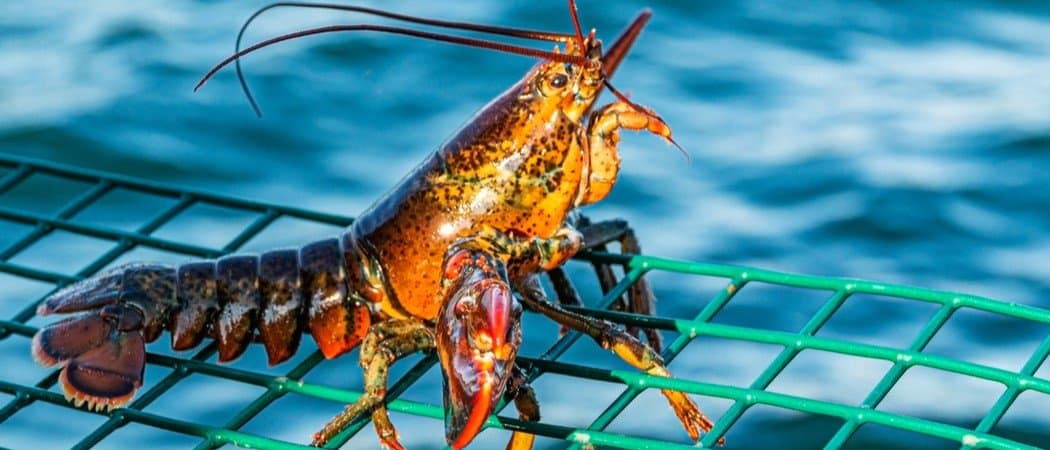
Wild lobsters aren't "supposed to be" red-red is a rare genetic color morph. Maine lobstermen occasionally haul up vivid blue, orange, or calico lobsters, but the classic cooked-red color usually appears after heating.

Moose in Maine are aquatic foragers as much as forest browsers: in summer they often wade into ponds and lakes to eat submerged plants (and to cool off), so "moose habitat" can be as much wetland as woods.

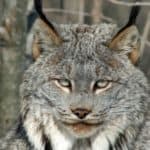
Maine's Canada lynx are built for deep snow: their oversized, furred paws act like natural snowshoes, and lynx numbers tend to rise and fall with the region's famous snowshoe hare boom-and-bust cycle.

Some of Maine's biggest seabird colonies form on tiny, wave-battered islands where trees can't grow-birds like terns and puffins depend on predator-free, treeless ground, so conservation can hinge on protecting just a few acres of rock offshore.

Maine holds the largest moose population in the contiguous U.S. (the Lower 48), making it the best place outside Alaska to see free-ranging moose at scale.

The U.S.'s largest breeding population of Atlantic puffins nests on Maine's offshore islands (a nationally significant stronghold for the species in the United States).

Gulf of Maine waters have been documented as one of the fastest-warming ocean regions on Earth in recent decades-an ecological "record" that is reshuffling where iconic species like lobster and cod thrive.

Arctic terns that nest on Maine's coast participate in the longest known annual migration of any animal, commuting from the Arctic to Antarctic waters and back each year (tens of thousands of miles).

Sebago Lake produced the IGFA all-tackle world record landlocked Atlantic salmon (22 lb 11 oz; caught in 2007), a global benchmark for this freshwater form of Atlantic salmon.

Despite the small size, Maine has a population of wild animals that includes rodents and other mammals, spiders, as well as marine species like fish, with many species also found in neighboring Canada. There are no less than 58 native mammal species and 202 bird species, at least 34 reptile and amphibian species, and over 16,000 invertebrate species, many of which are relatively rare.

Some of the most well-known animals in Maine include wild turkeys, Canada lynx, garter snakes, mudpuppy salamanders, and endangered or threatened invertebrates like the Monarch Butterfly.

The Official Animal of Maine

Being the popular hotspot for wildlife that it is, Maine boasts six state animals from different animal categories:

Official state animal of Maine: Moose

The moose (Alces alces) population of Maine is the largest in the eastern United States, and moose are relatively rare in most parts of the continental United States. These mammals are the largest of the deer species. Moose stands about six feet tall, has brown coats and a set of flat, broad antlers. The moose population in Maine is an ICN Least Concern group as a common species.

Official state bird of Maine: Chickadee

Maine’s official bird, the chickadee (Parus atricapillus) is one of the state’s most popular feeder birds. This bird species is easy to find at feeding because of the distinctive song that its name comes from. One of the things that makes this bird stand out is the combination of black and white markings. The species is also regarded as having a friendly personality.

Official state cat of Maine: Maine Coon

The Maine Coon cat (Felis catus) is the state’s official cat, a breed descended from cats owned by early Maine seafarers. This cat has a thick coat that helps it to withstand Maine’s rough winters. Maine Coons are a very large cat breed, often weighing as much as 18 pounds. Another unique trait that this cat has is the strange chirping noise that it makes to get attention.

Official state crustacean of Maine: Lobster

One of the most iconic native animals in Maine is the American lobster (Homarus americanus). Most of these lobsters have brownish-green shells, which serve as a type of camouflage. Lobster fishing accounts for much of Maine’s economy.

Where To Find The Top Wild Animals in Maine

Tours are some of the best ways to see local wildlife, including what are usually nocturnal animals. Whale-watching and other marine-based tours may allow you to see basking sharks, the Atlantic puffin, harbor porpoises, humpback, and pilot whales.

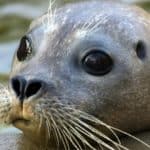
If you spend enough time on one of Maine’s beaches, you’re likely to spot a colony of Harbor Seals, drawn to the rocks that dot most of the state’s coastal areas.

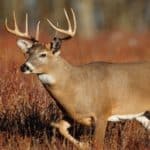
When you do most of your exploring in Maine in woodland or mountain areas, some of the species that you might be able to spot include the white-tail deer, American marten, and flying squirrel.

Some of the best places for seeing both unusual, strange wildlife and popular species in Maine include:

Although you have a chance of seeing nocturnal species in these locations as well as diurnal, you will not encounter poisonous species in these locations.

The Most Dangerous Animals In Maine Today

Although the most common species in Maine do not include poisonous animals, there are a few species that people do need to be aware of and use caution around. Understanding what dangerous wildlife you need to be aware of will make your exploration of both common and weird species that much safer.

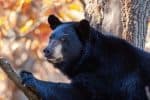
Predators are abundant in Maine, and the North American Black Bear (Ursus americanus) is no exception. Although these bears are not as likely to attack as their relatives in the western U.S. are, they are relentless about raiding gardens and bird feeders, sometimes leading to strange incidents in their quest.

Maine also has coyotes, and even though coyote attacks on humans are rare, they have a strong bite capable of inflicting serious damage.

Snapping turtles (Chelydridie), although not poisonous, have a strong bite because of their inability to retreat into their shells when threatened. You will also want to be on the watch for porcupines (Erethizon dorsaum), rodents will quills that are thrown when threatened, leading to weird but painful injury.

Endangered Animals In Maine

The endangered animals in Maine include:

  • Golden Eagle – A well-known bird of prey
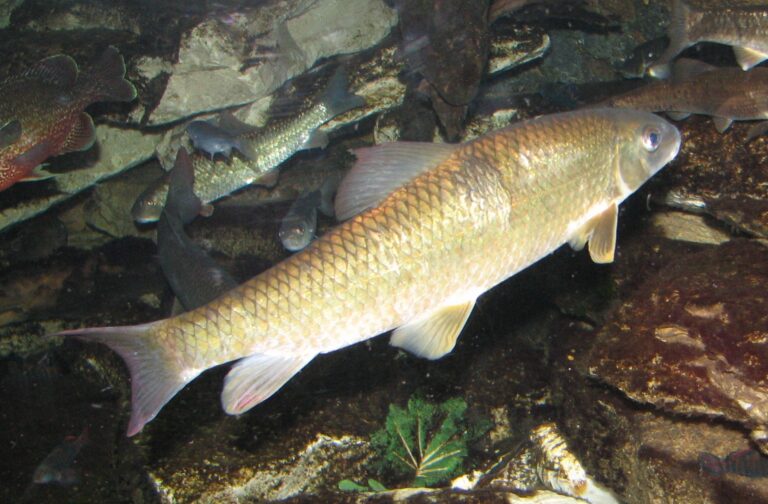
  • Redfin Pickereral – A native fish with its numbers substantially depleted
  • Katahdin Arctic – A butterfly species impacted by habitat loss
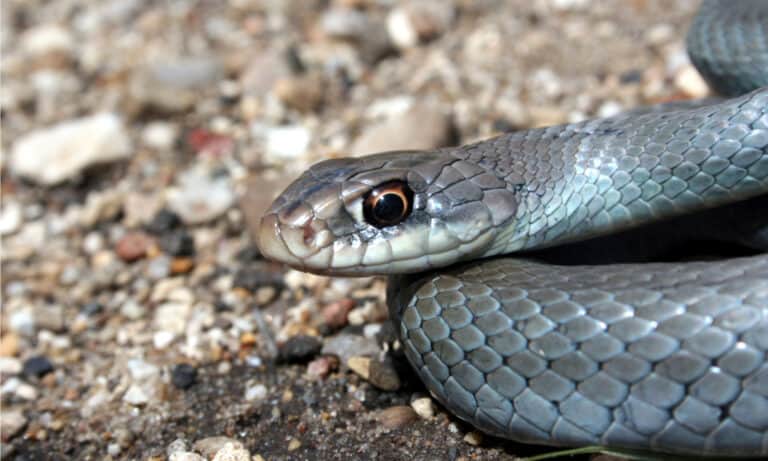
  • Black Racer – A snakes which has experienced habitat loss in recent years

Zoos in Maine

Maine has four animal parks for visitors to enjoy. These parks include:

Snakes in Maine

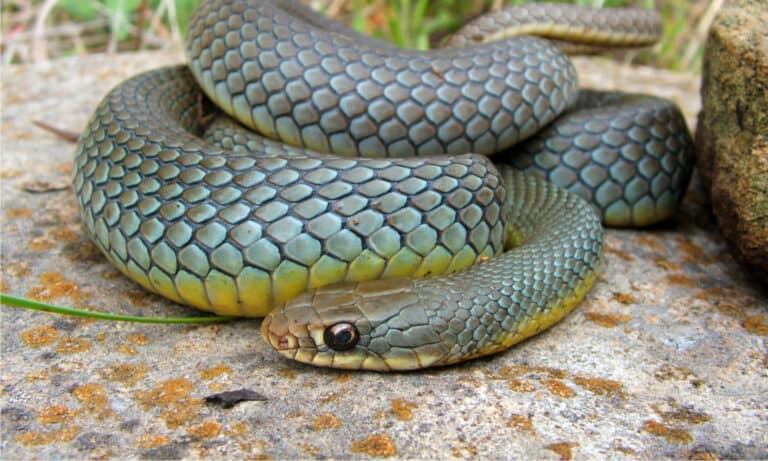
Maine is the only continental state in the U.S. to not have venomous snakes! A total of nine different snakes live in Maine. Most of Maine’s snakes live in the southwest quadrant of the state, but if you’re looking for snakes in the state you may find:

  • Garter snakes
  • Ribbon snakes
  • Brown snakes
  • Northern water snakes
  • Red-bellied snakes
  • Milk snakes
  • Smooth green snakes
  • Ring-necked snakes
  • Northern black racers

Native Plants in Maine

Maine is the quintessential New England state. Step aside, lobster! With many miles of coastline and beautiful countryside, there are plenty of opportunities for plants and flowers to take center stage in this small but magical state. From blueberries and cherries to lupine and mountain laurel, there are stunning native plants in Maine.

Flag of Maine

The flag of Maine consists of the state coat of arms on a navy blue background. The state’s coat of arms features a moose and pine tree emblem on a shield flanked by a farmer and a sailor. Under the coat of arms, there is a light blue ribbon with the state’s name, and above the coat of arms is a small-scale version of the north star and the Latin motto “Dirigo,” meaning “I direct.”

Read about:

  • extinct animals that lived in Maine.
  • the best national parks in Maine.
  • the best places to camp in Maine.
  • the longest biking trail in Maine
  • stunning waterfalls in Maine.
  • the types of hawks in Maine.
  • the largest moose ever caught in Maine.
  • the largest blueback trout ever caught in Maine.
  • the largest whitetail deer ever caught in Maine.
  • the largest largemouth bass ever caught in Maine.
  • the best bird-watching spots in Maine in the summer
  • the largest common carp ever caught in Maine.

Animals Found in Maine

204 species documented in our encyclopedia

Thank you for reading! Have some feedback for us?