






A
Species Profile

American Hairless Terrier

Canis lupus familiaris

All terrier, no hair.
Anna Averianova/Shutterstock.com

American Hairless Terrier Distribution

Click a location to explore more animals from that region

Origin Location

This map shows the native origin of the American Hairless Terrier. As a domesticated species, they are now found worldwide.

Loading map...

Found in 1 state/province

Size Comparison

Human 5'8"
American Hairless Terrier 1 ft 2 in

American Hairless Terrier stands at 21% of average human height.

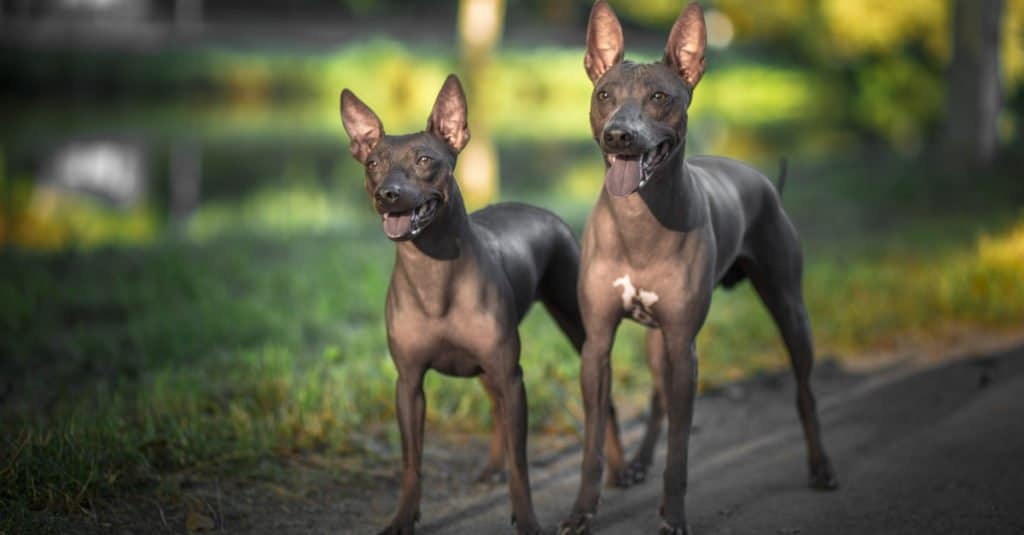
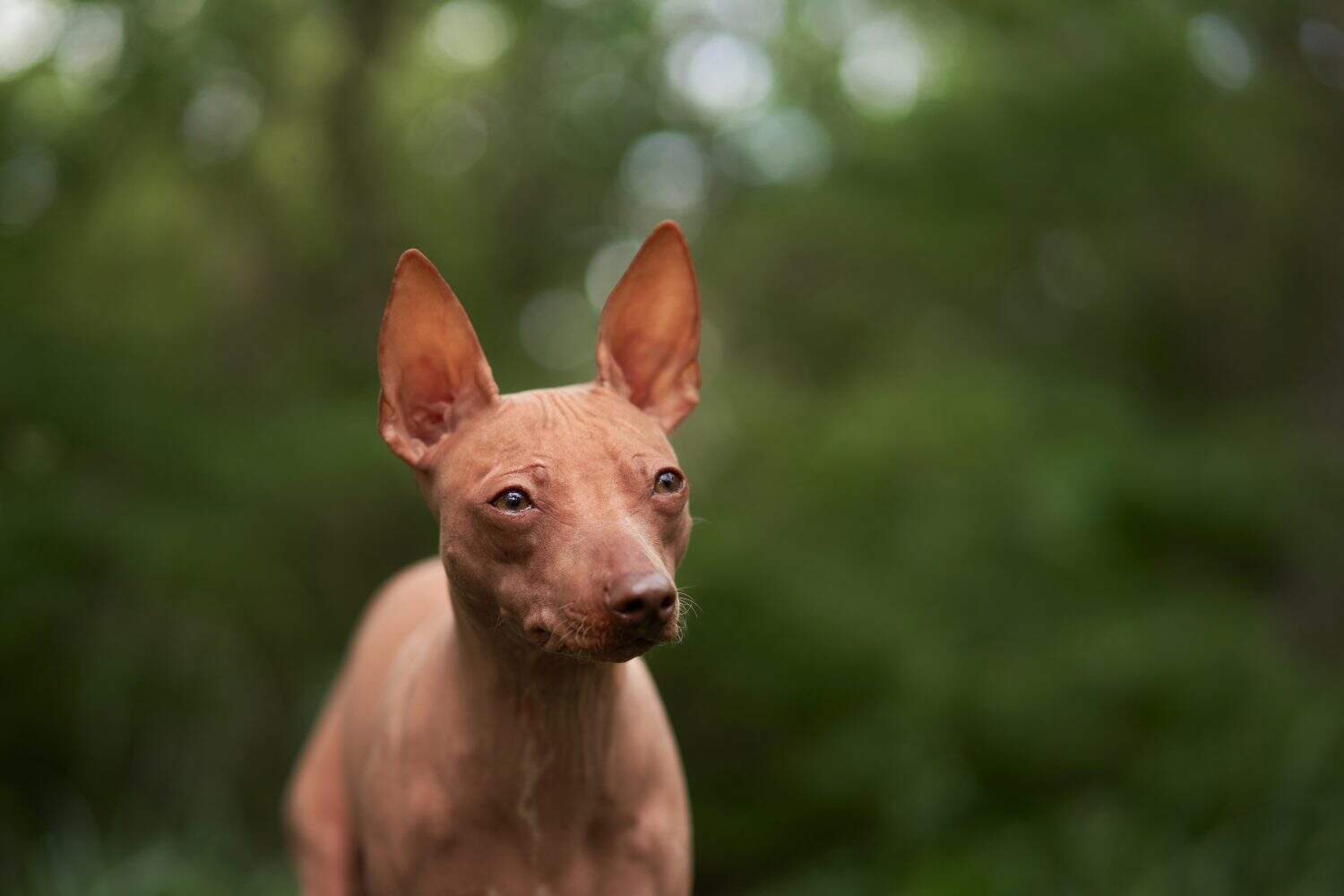
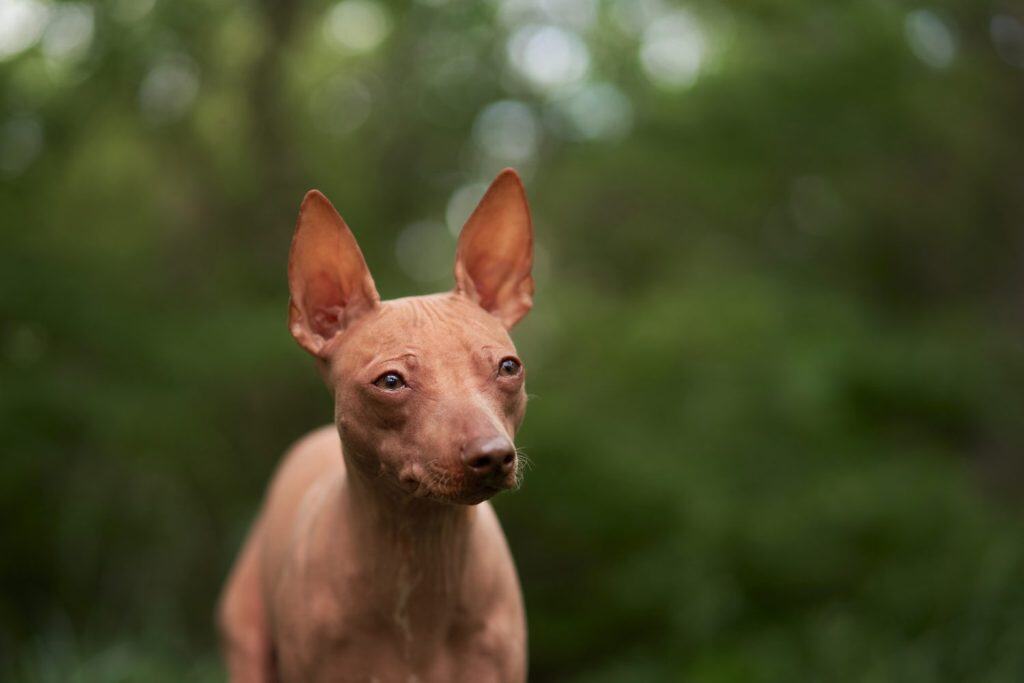
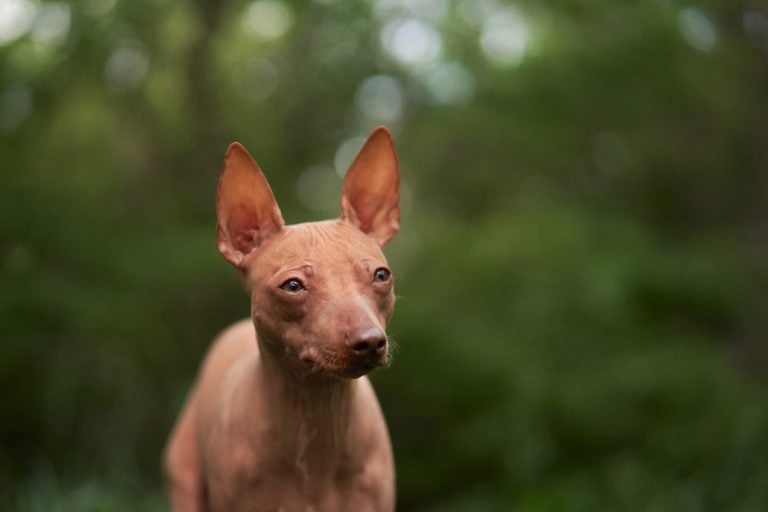
portrait of Hairless dog in the green forest. American Hairless Terrier outdoor, in nature.

At a Glance

Domesticated
Also Known As AHT, American Hairless, Hairless Terrier
Diet Omnivore
Activity Diurnal+
Lifespan 5 years
Weight 8 lbs
Status Not Evaluated
Did You Know?

The breed began with a single hairless puppy born to Rat Terriers in Louisiana in 1972-foundation for today's American Hairless Terrier.

Scientific Classification

The American Hairless Terrier is a domestic dog breed recognized for its hairless coat (with a coated variety also existing in related lines), terrier build, and companion-oriented temperament. It originated in the United States from Rat Terrier ancestry.

Kingdom
Animalia
Phylum
Chordata
Class
Mammalia
Order
Carnivora
Family
Canidae
Genus
Canis
Species
lupus

Distinguishing Features

  • Hairless phenotype (smooth skin; may have eyebrows/whiskers) and terrier body proportions
  • Derived from Rat Terrier ancestry; small-to-medium, athletic build
  • Requires skin care (sun protection/temperature management) rather than coat grooming
  • Typically erect or semi-erect ears; lively, alert terrier demeanor

Physical Measurements

Height
1 ft 2 in (12 in – 1 ft 4 in)
Length
2 ft 2 in (1 ft 12 in – 2 ft 6 in)
Weight
14 lbs (11 lbs – 18 lbs)
Tail Length
10 in (8 in – 12 in)
Top Speed
28 mph
Short sprints, not long runs

Appearance

Primary Colors
Secondary Colors
Skin Type Predominantly hairless, smooth, fine-textured skin. Sparse hair may be present on the muzzle/whisker areas and sometimes on extremities; skin is more exposed and sensitive to sun, cold, and abrasion than in coated dogs.
Distinctive Features
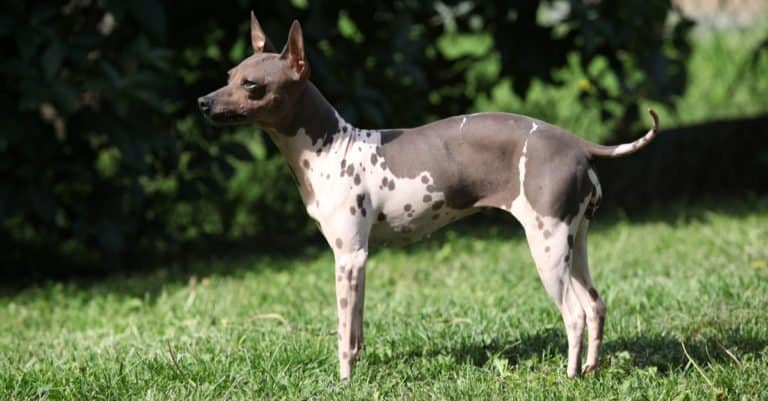
  • Hairless appearance: lack of a typical canine coat makes skin pigmentation and spotting the primary visual 'coat' characteristic.
  • Terrier-type outline: small-to-medium, athletic, lightly built body with a level topline and tuck-up; built for agility and quick movement (Rat Terrier origin).
  • Large, expressive upright or semi-upright ears are common, enhancing the alert terrier look.
  • Visible skin details: freckles/spotting often increase with age and sun exposure; skin may show blush/pinkness with temperature changes or excitement.
  • Companion-oriented domestic temperament expressed in appearance-related care: typically kept indoors more than many terriers due to temperature sensitivity.
  • Breed-specific care needs (appearance-linked): routine bathing with gentle products, non-comedogenic moisturizing as needed, and sun protection (dog-safe sunscreen or protective clothing); protection from cold via sweaters/jackets.
  • Common appearance/health concerns tied to hairlessness: prone to sunburn, dry skin, contact irritation, and minor skin injuries; may develop comedones (blackheads) or acne-like bumps if skin is oily or products are too heavy.
  • Not a separate wild species: a modern domesticated dog breed (Canis lupus familiaris) selectively bred in the U.S. from Rat Terrier ancestry; no wildlife conservation status applies.

Sexual Dimorphism

Mild sexual dimorphism typical of small-to-medium domestic dogs; differences are mainly size and musculature rather than coloration or pattern.

  • Often slightly larger overall with broader head and chest; more pronounced neck/shoulder musculature in fit individuals.
  • Often slightly smaller and finer-boned; may appear more streamlined through the chest and neck.

Did You Know?

The breed began with a single hairless puppy born to Rat Terriers in Louisiana in 1972-foundation for today's American Hairless Terrier.

Unlike most "hairless dogs," the American Hairless Terrier's hairlessness is recessive, so two hairless parents can produce hairless pups reliably.

Puppies are born with a fine "fuzz" and typically shed it as they mature, leaving smooth skin.

Because there's no insulating coat, many wear sweaters in cold weather and need sun protection in strong sunlight.

They're a true terrier type: quick, alert, and often enthusiastic diggers and toy-shakers.

Despite the name, they're still dogs with normal canine behaviors-training, enrichment, and social needs are the same as other domestic dog breeds.

Their Rat Terrier roots mean many retain strong prey interest in small critters and love games that mimic hunting (fetch, flirt poles).

Unique Adaptations

  • Naturally hairless skin: reduces shedding and dander-carrying hair in the home, but increases exposure to sun, cold, and abrasions.
  • Thermoregulation via behavior: more reliant on seeking shade, clothing, and warm bedding than heavily coated breeds.
  • Visible skin cues: hydration, irritation, or minor injuries are easier to spot early, aiding attentive care.
  • Athletic, compact terrier build: efficient sprinting, jumping, and quick turns typical of small hunting terriers.
  • Strong human-directed sociability (breed tendency): selected more for companionship than independent field work compared with many working terriers.

Interesting Behaviors

  • "Terrier search mode": nose-to-ground, scanning and pouncing on moving toys-an echo of vermin-hunting ancestry.
  • Sun-basking and heat-seeking: choosing warm laps, blankets, and sunny spots more than coated dogs.
  • Digging and burrowing: may tunnel in blankets or dig in yards if bored; provide legal digging outlets.
  • Toy disassembly and shake: gripping and vigorously shaking toys, a typical terrier motor pattern.
  • Alert watchdoging: quick to announce novel sounds; benefits from cue training to settle.
  • High people-focus: tends to shadow family members and thrives on interactive play and training.
  • Zoomies after baths or lotion application: many show bursts of energy when skin is cleaned or rubbed.

Cultural Significance

The American Hairless Terrier (Canis lupus familiaris) began from Rat Terriers in the U.S., turning from farm dogs into companion pets. This hairless, low-shedding terrier shows how people shaped dog variety for indoor family life.

Myths & Legends

Breed origin anecdote (Louisiana, 1970s): fanciers tell of the surprise hairless pup born in a Rat Terrier litter in 1972, whose rarity inspired careful line-breeding to establish a new American breed.

Modern superstition among some owners: a warm, hairless terrier tucked against the body is treated like a "living hot-water bottle," believed to chase away chills and bring cozy luck through winter nights.

Naming lore: the word "terrier" is often linked in popular retellings to earth and burrowing ("going to ground"), which fits the breed's reputation for digging and blanket-burrowing at home.

In many North American homes, terriers like the American Hairless Terrier (Canis lupus familiaris) are seen as tiny, brave "barn guardians," a role inherited from Rat Terrier ancestors even as companion dogs.

Conservation Status

NE Not Evaluated

Has not yet been evaluated against the criteria.

Population Stable

Life Cycle

Birth 5 pups
Lifespan 5 years

Lifespan

In the Wild
2–10 years
In Captivity
10–18 years

Reproduction

Mating System Polygynandry
Social Structure Managed Domestic
Breeding Pattern Serial
Fertilization Managed Selective
Birth Type Internal_fertilization

American Hairless Terrier (Canis lupus familiaris): Biologically can mate with multiple partners, but breeding is human-managed. Breeders pick mates and arrange short, separate pairings. Hairless trait affects skin and temperature care, not basic reproduction.

Behavior & Ecology

Social Pack Group: 3
Activity Diurnal, Crepuscular, Cathemeral
Diet Omnivore High-quality animal protein (commonly chicken or turkey-based diets; many individuals also strongly prefer meat-based treats).

Temperament

Companion-oriented, people-focused, and typically affectionate; more "velcro" than many working-line dogs when raised primarily as a pet.
Terrier profile: alert, curious, playful, and quick to engage; can be vocal/expressive and may show strong interest in small moving animals (prey drive varies by line and training).
Trainability: generally bright and responsive to positive reinforcement; can be stubborn/independent if bored-benefits from short, varied sessions and clear boundaries.
Sociability: often good with children when well-socialized; may be reserved with strangers but usually warms up with calm introductions. Dog-dog behavior ranges from very social to selective depending on early exposure.
American Hairless Terrier (Canis lupus familiaris) has little or no hair, so it seeks warmth, avoids sun, needs human shelter, is less scared of people than wolves and bonds more with humans.
American Hairless Terrier (Canis lupus familiaris) needs daily company and play (games, scent work, tricks). Needs weather care—sweaters in cold, shade and sunscreen, gentle skin baths and nail, ear, teeth care.
Watch for skin problems (comedones/acne, irritation from harsh shampoos or rubbing, and sunburn), environmental allergies/atopy, small-breed dental issues (periodontal disease—brush regularly), and cold sensitivity needing protection outdoors.

Communication

Barks readily as an alert/terrier signal (doorbells, novel noises, yard movement); frequency and intensity vary with enrichment and training.
Whines/whimpers for attention, anticipation (leash/food), or discomfort (cold/skin irritation); useful to monitor because hairless dogs show discomfort quickly in temperature extremes.
Growls as normal boundary-setting during play or resource moments; training and management reduce escalation.
Body language: tail carriage, forward-leaning posture, and quick orientation to movement; may "freeze" briefly before chasing Terrier prey sequence
Tactile/affiliative contact is prominent (leaning, pawing, climbing into laps); warmth-seeking contact increases in cool environments.
Scent investigation and marking typical of domestic dogs; may show heightened interest in small-animal trails Rat Terrier ancestry context
HUBS (group-level pattern notes): In companion terrier breeds, social success is most predictable with early puppy socialization, structured play, and consistent reinforcement. Variation across individuals is driven by (1) early exposure to dogs/people, (2) prey-drive strength, and (3) skin/temperature comfort-dogs that are cold or sun-stressed often appear more irritable or avoidant until physically comfortable.

Habitat

Biomes:
Temperate Forest Temperate Grassland Mediterranean Desert Hot Desert Cold Boreal Forest (Taiga) Tundra Alpine Tropical Dry Forest Savanna Wetland +5
Terrain:
Plains Hilly Valley Plateau Coastal Mountainous
Elevation: Up to 16404 ft 3 in

Ecological Role

Domestic companion omnivore and incidental small-prey controller (terrier-type pest suppressor) within human-managed ecosystems.

pest control of rodents/insects around homes and farms (when allowed) social/companionship role for humans acts as a domesticated consumer that converts human-provided foods into biomass and waste, influencing local nutrient cycling serves as a sentinel for household/environmental exposures (e.g., allergens, parasites) through veterinary monitoring

Diet Details

Main Prey:
Rodents Small mammals Insects and other invertebrates Small birds and eggs Commercial animal proteins
Other Foods:
Starchy roots and tubers Cooked grains Vegetables Fruits Fermented fiber sources

Human Interaction

Domestication Status

Domesticated

Canis lupus familiaris (domestic dogs) came from gray wolves and were shaped by people for tameness and roles like hunting or companionship. The American Hairless Terrier began in the United States in the 1970s when a hairless puppy appeared in a Rat Terrier litter. Breeders kept the hairless trait and bred a small companion terrier; some lines have coated dogs.

Danger Level

Low
  • Bites/scratches possible like any dog, most commonly from fear, pain, or poor handling/socialization
  • Terrier prey drive may cause chasing/rough play that can knock over small children
  • Zoonotic risks are typical of domestic dogs (e.g., parasites) without proper preventive care

As a Pet

Suitable as Pet

Legality: American Hairless Terrier (Canis lupus familiaris) is usually legal as a pet. It must follow local dog rules: licenses, leashes, shots, housing or HOA rules; not often banned by breed laws. Travel may need rabies shot, microchip, or quarantine.

Care Level: Moderate

Purchase Cost: $800 - $2,500
Lifetime Cost: $12,000 - $30,000

Economic Value

Uses:
Companion animal trade (breeders, rescues) Veterinary services (preventive care, dermatology/allergy management) Pet retail (clothing, sunscreen, skincare, bedding, harnesses) Training and enrichment services
Products:
  • pet acquisition (purchase/adoption fees)
  • routine veterinary care (vaccines, spay/neuter, dental cleanings)
  • skin protection items (dog-safe sunscreen, moisturizing products, medicated shampoos as needed)
  • apparel for temperature/UV protection (sweaters, coats, sun shirts)
  • parasite prevention (fleas/ticks/heartworm)
  • training (puppy classes, basic obedience)

Relationships

Ecological Equivalents 5

Animals that fill a similar ecological role in their ecosystem

Rat Terrier
Rat Terrier Canis lupus familiaris Closest functional/ecological analogue: a small-to-medium, high-energy American farm/yard ratter. The American Hairless Terrier (AHT) originated from Rat Terrier lines and retains similar drive, athleticism, and vermin-hunting instincts, but is distinguished by its hairless (or very sparsely coated) phenotype and a more companion-oriented role.
Toy Fox Terrier
Toy Fox Terrier Canis lupus familiaris Fills a similar niche: an alert, small companion terrier with a strong prey drive for small pests. Has comparable exercise needs and training approach (short, engaging sessions), but typically has a full coat and is often smaller/toy-sized than AHT.
Jack Russell Terrier
Jack Russell Terrier Canis lupus familiaris Shares terrier traits (tenacity, chase instinct, athletic build) and requires substantial enrichment. Often bred as a companion; some related terrier types (e.g., the American Hairless Terrier) have a distinctive hairless coat that alters grooming and skin-care needs (less brushing, more skin protection).
Basenji
Basenji Canis lupus familiaris Comparable in size and active companion role, with a relatively low-odor/low-dander reputation in some households. Differs in ancestry and behavioral profile—more of a sighthound-type hunter and more independent—versus AHT's terrier-style, vermin-focused behavior.
Mexican Hairless Dog Canis lupus familiaris Convergent niche as hairless companion dogs: shared practical considerations such as skin protection from sun and cold, balancing bathing and moisturizing, and managing acne/comedones. They differ in body type and typical temperament/drive (primitive-type versus terrier).

Quick Take

  • Achieving the breed standard required a 75% hairless success rate from a single litter.
  • Consuming legumes like lentils is directly linked to fatal heart failure in canines.
  • Strangely enough, the first hairless specimen was discovered inside a standard Rat Terrier litter.
  • Scouting an older dog with children is necessary to evaluate immediate behavioral compatibility.

The first American hairless terrier was born into a litter of rat terrier pups. The hairless puppy was given to Willie and Edwin Scott. The couple loved the canine because it could not get fleas, and they did not have to clean up dog hair constantly. They also loved her laid-back personality. The couple bred the pup back to her father, and the breed was born as three of four puppies were born without hair. The breed became fully recognized by the American Kennel Club in 2016.

If you are looking for a shedless dog who is happy lying on the couch with you, then the American hairless terrier may be a perfect choice. This dog loves to be around people and other pets constantly.

An infographic titled American Hairless Terrier: Everything You Need to Know, featuring a spotted hairless dog illustration and sections on health, care, and history.
From an accidental birth in a standard litter to a common pantry staple that can prove fatal, discover the high-stakes reality of raising an American Hairless Terrier. © A-Z Animals

3 Pros and Cons of Ownership

ProsCons
Intelligent: They are very intelligent dogs, which makes training them easier.Sunburns: They can get sunburned, so you need to protect their skin and limit outdoor activities.
Kid-friendly: They are happy to play with children.Yappy: This dog is highly alert to its environment and barks frequently to tell you about changes in it.
Good with other animals: They make a great second animal in most circumstances.Inquisitive: They think the world was made for them to explore, which can cause them to get into predicaments.
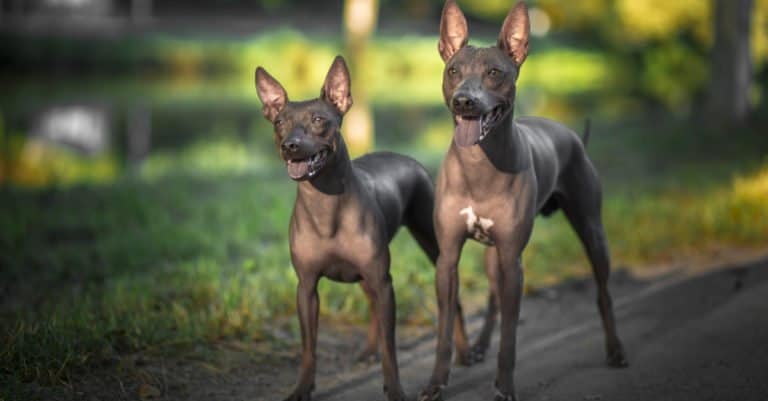
two American Hairless Terrier

American Hairless Terriers are very intelligent, curious, alert, and playful.

Size and Weight

These are compact terriers that should stand between 12 and 16 inches tall at the shoulders. Healthy dogs of this breed will weigh between 12 and 28 pounds. The bitch normally gives birth to 3 to 5 pups. The puppies will usually mature mentally about 9 months, but they may continue to grow until they are about two.

Common Health Issues

American hairless terriers are robust, healthy dogs, but the breed can suffer from some common health issues. As with many small-breed dogs, hip dysplasia can be a concern in this breed. Additionally, a luxating patella, where the kneecap comes out of position, can occur. Dilated cardiomyopathy can leave dogs with arrhythmias.

Temperament and Behavior

American Hairless Terrier running and jumping

American Hairless Terriers make great companion dogs because they love to be around people and other animals.

American hairless terriers make great companion dogs because they love to be around people and other animals. This personality trait is apparent in most of this breed; they are happy to snuggle on the sofa with you or go on a quick outside romp. This temperament makes them ideal for families and those living in apartments.

American hairless terriers are naturally curious. This personality trait makes them get into some trouble. If you are doing an activity, you can expect your American hairless terrier to want to help you. This behavior also means that you need to be cautious about things lying around if you cannot constantly supervise your dog.

If you want to know when the slightest little thing changes in your environment, get an American hairless terrier. It will be glad to bark and tell you, even if a leaf blows across your yard. You can stop some of this behavior with proper training. Therefore, it is a good thing that the American hairless terrier is a brilliant dog, as this personality trait will help it learn to stop barking as much.

Care

Just like you need the proper diet and exercise to stay healthy, so does the American hairless terrier. It is your responsibility to see that the dog receives the proper food, exercise, and grooming if you decide to add this breed to your family.

Best Dog Food

Since this is a small dog, feeding the right type of dog food becomes even more vital. The breed can become obese easily, which compounds health issues. Be conscious of this dog’s risk of heart disease, namely dilated cardiomyopathy, and aim for legume-free dog food. Legumes like peas and lentils in dog food have been linked to heart failure.

American hairless terrier puppy food: You should feed puppies about five meals each day. Consult your veterinarian for the appropriate daily caloric intake for your puppy, and do not forget the calories in treats. The best puppy food usually contains about 22% protein and 8% fat. The price may be higher, but you may discover that your dog is healthier and eats less.

American hairless terrier adult food: Since this breed tends to become obese, you should feed it two to three meals a day instead of letting it eat whenever it wants. Find a dog food with about 18-25% protein and 8-15% fat to feed to your adult American hairless terrier.
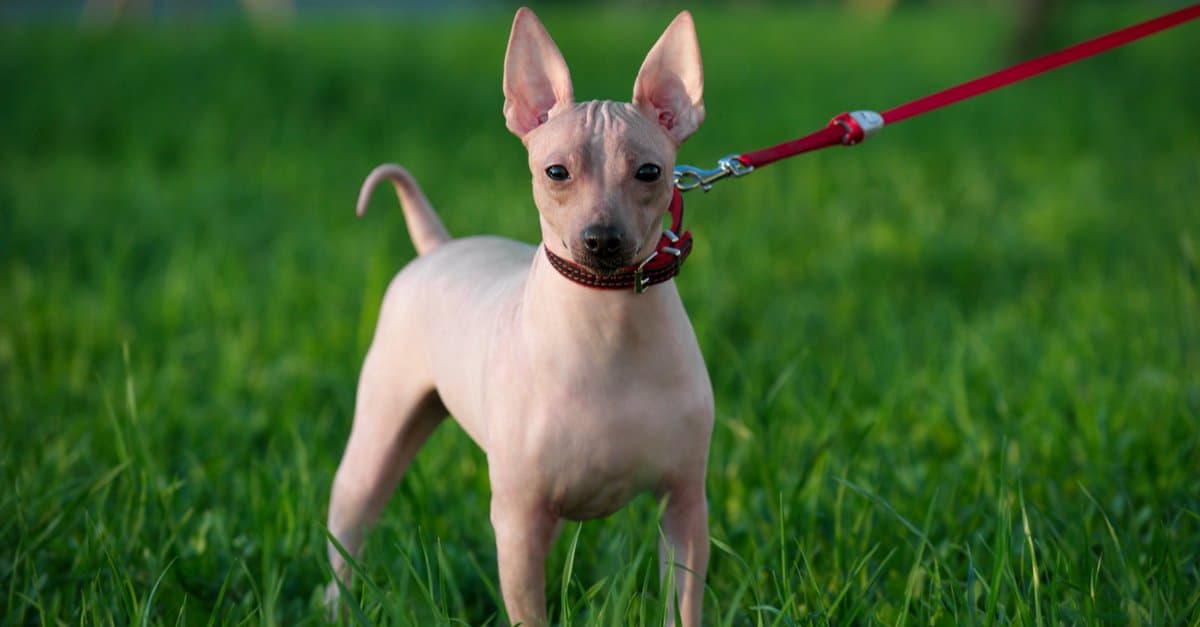
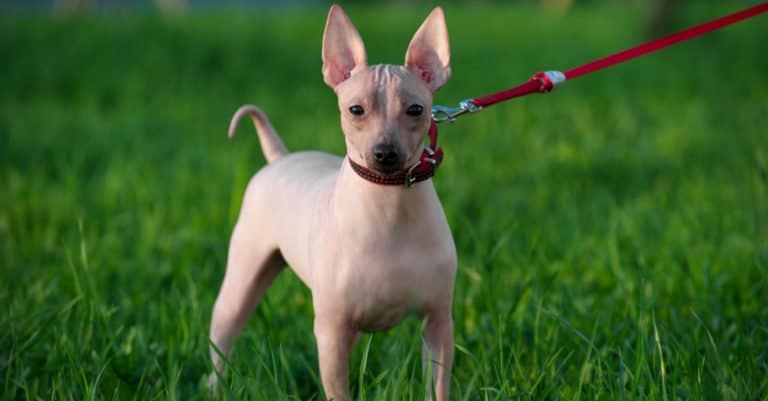
American Hairless Terrier standing in the grass

American Hairless Terriers can get sunburned, so you need to apply sunscreen when going out for a daily 30-minute exercise.

Maintenance And Grooming

American hairless terriers either have a minimal coat or no hair at all, so you will spend very little time grooming this dog. If you plan to take your dog outside, apply sunscreen. You should also clean its ears and trim its toenails regularly.

Training

The American hairless terrier is anxious to please, which makes training it easier. Socialize it as a puppy between seven weeks and four months to get it used to other animals and people. After conquering basic skills, consider training your dog for advanced obedience contests. Earthdog trials and barn hunts are other fun activities that you may want to train your dog to do because it has a strong prey instinct.

Exercise

The American Hairless Terrier requires approximately 30 minutes of exercise daily. Consider going on morning or evening walks when the sun is less likely to cause skin damage. Additionally, this dog loves to play quick games, even inside your home.

Puppies

The bitch normally gives birth to four pups. If you are looking to get one of these pups from a breeder, ask to see the parents’ genetic papers. A reputable breeder will be glad to show you a cardiac and an Orthopedic Foundation for Animals report so that you know the genetic defects are not being passed down to your puppy.
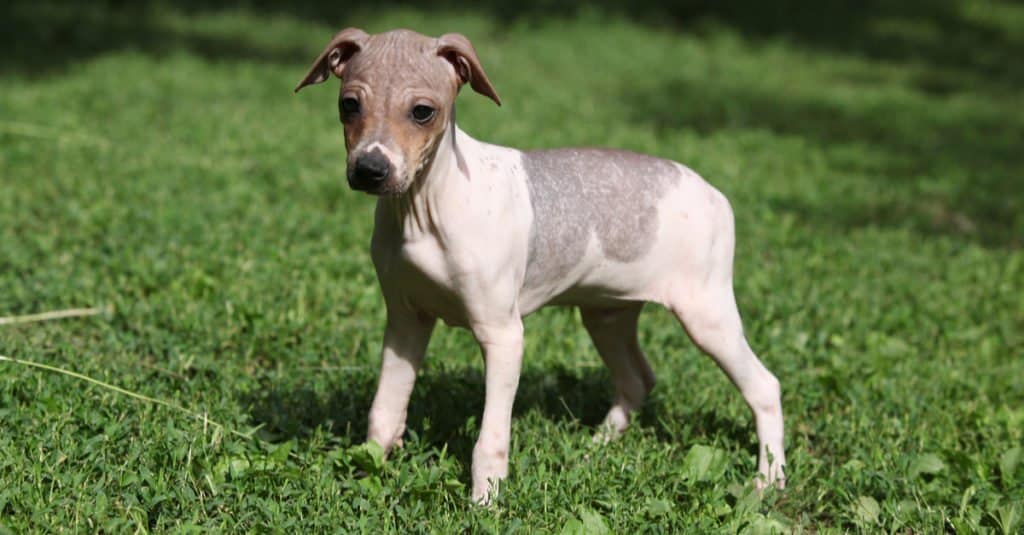
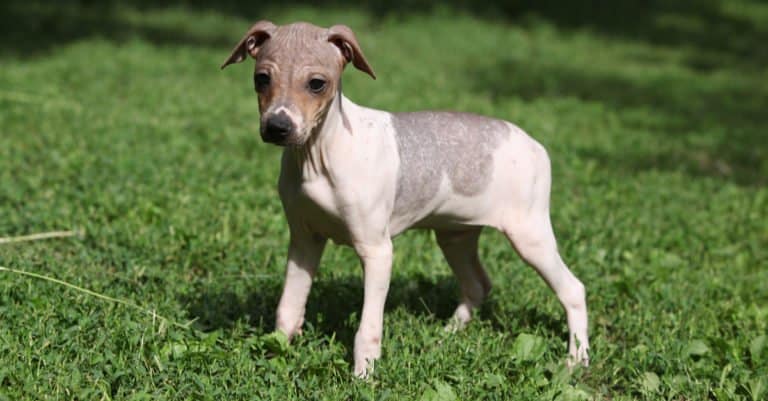
American Hairless Terrier puppy

This American Hairless Terrier puppy would make a great second animal in many circumstances.

Children

Unlike many terrier breeds, such as the rat terrier, American hairless terriers make great dogs for families with children. If you consider getting an older dog from a breeder or a rescue, take your children with you and watch the interaction. You are likely to find that the dog warms up to your children instantly. Of course, you should always teach your children how to interact with the dog appropriately, and breeders and rescues often have great ideas on how to do this task.

Similar Dogs

If the American hairless terrier does not seem like an ideal dog for you, consider these other breeds:

  • Rat terriers: The rat terrier tends to stand about the same height, but they are typically a little huskier than the American hairless terrier. Rat terriers tend to do well with children.
  • Brazilian terriers: This breed is about the same size as the American hairless terrier. They also tend to do well in homes with children because of their playful nature.
  • Pomeranian: If you want a lively companion who loves to lie on the couch with you, then the Pomeranian may be a great choice. Like the American hairless terrier, it tends to be very alert and can bark a lot.

View all 328 animals that start with A

Sources

  1. AKC / Accessed March 26, 2021
  2. AKC / Accessed March 26, 2021
  3. Puppy Toob / Accessed March 26, 2021
  4. AHTCA / Accessed March 26, 2021
  5. AHTA / Accessed March 26, 2021
  6. AHTA / Accessed March 26, 2021
  7. Wag Walking / Accessed March 26, 2021
  8. Paw Print Genetics / Accessed March 26, 2021
Ashley Haugen

About the Author

Ashley Haugen

Ashley Haugen is the editor of A-Z Animals. She's a lifelong animal lover with an affinity for dogs, cows and chickens. When she's not immersed in A-Z-Animals.com (her favorite editorial job of her 25-year career), she can be found on the hiking trails of Middle Tennessee or hanging out with her family, both human and furry.
Connect:

Thank you for reading! Have some feedback for us?


American Hairless Terrier FAQs (Frequently Asked Questions)

You can expect to pay a median price of $1,100 for a purebred American hairless terrier. Expect to pay about $30 a month to feed the dog high-quality dog food. While you will not need to take your dog to the vet often, budgeting $100 a month for vet bills and supplies ensures you have the money when needed. Dog treats, toys, and bedding can add about $20 per month to the price.